
Choosing the right pool finish determines how your backyard looks, feels underfoot, and holds up over the next decade. If you’re searching for aqua blue vs aqua white mini pebble to decide which plaster color fits your project, you need more than a swatch from a contractor. You need to understand how sunlight, depth, and surrounding landscape change the final water color. Both finishes use small, smooth stones mixed into cement, but they create entirely different swimming environments.
Key Takeaways
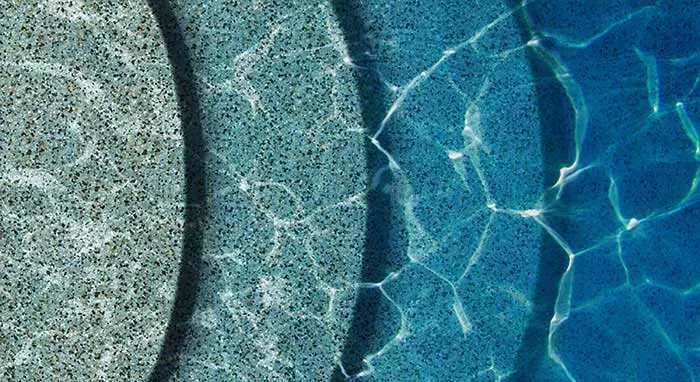
- Aqua Blue produces deep, vibrant ocean tones, while Aqua White creates bright, lagoon-like clarity.
- Mini pebble finishes typically last between fifteen and twenty-five years with proper chemical maintenance.
- Lighter colors like Aqua White reflect heat, keeping pool water noticeably cooler in hot climates.
- Darker finishes like Aqua Blue hide fine debris better but can show calcium scaling more obviously.
- Always view physical samples submerged in water outdoors before signing a contract with your builder.
- The final water color depends heavily on your pool depth, sunlight exposure, and coping material.
What Is Mini Pebble?
Mini pebble is a premium pool interior finish made by mixing small, naturally tumbled stones into a cement matrix. Unlike traditional white plaster or standard exposed aggregate, the stones used here are significantly smaller, usually ranging from one to three millimeters in diameter. This creates a surface that’s much smoother on bare feet while still providing excellent slip resistance. Brands like Pebble Technology International (PTI) manufacture these specific blends, offering consistent quality across installations.
The application process involves pumping the mixture onto the pool shell and troweling it smooth. Once it sets slightly, the installer washes away the top layer of cement to expose the tiny stones.
This exposed aggregate technique locks the stones in place, creating a highly durable barrier against constant water exposure and chemical treatments. Because the stones are so small, the texture feels refined rather than rough, making it a favorite for families with children who play near the pool floor.
How Do These Colors Compare?
Aqua Blue Mini Pebble
Aqua Blue relies on a blend of blue, gray, and white stones mixed into a pigmented cement base. When filled with water, this combination creates a rich, tropical ocean appearance. The darker pigments absorb more light, giving the pool a sense of depth and luxury. Homeowners often choose this shade to complement natural stone landscaping or dark wooden decks. It pairs exceptionally well with negative edge designs where the water needs to mimic a distant sea horizon.
Aqua White Mini Pebble
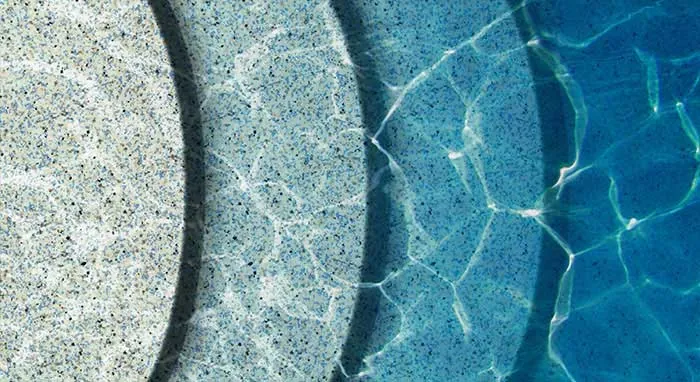
Aqua White uses predominantly white and light-colored stones with subtle hints of blue or gray pigment. The result is a brilliant, reflective surface that makes the water appear crystal clear, similar to a shallow Caribbean beach. This finish maximizes light reflection, making smaller pools look larger and more inviting. It’s an ideal choice for modern architectural styles featuring light concrete decking, white coping, or minimalist outdoor furniture.
| Feature | Aqua Blue | Aqua White |
|---|---|---|
| Primary Stone Colors | Blue, gray, black, white | White, light gray, pale blue |
| Water Appearance | Deep ocean, vibrant blue | Bright lagoon, crystalline |
| Best Pool Size Match | Medium to large pools | Small to medium pools |
| Architectural Style | Natural, rustic, tropical | Modern, minimalist, contemporary |
| Visibility of Bottom | Moderate to low | Very high |
Which Finish Handles Heat Better?
Water temperature is directly influenced by the color of your pool’s interior finish. Darker surfaces absorb solar radiation, converting light energy into thermal energy. Aqua Blue will absorb significantly more sunlight than Aqua White, leading to warmer water temperatures throughout the summer months. In regions with extreme heat, such as Arizona or Texas, this extra absorption might make the pool uncomfortably warm by mid-afternoon.
Conversely, Aqua White reflects a large portion of the sun’s rays back through the water. This solar reflectance keeps the pool noticeably cooler, extending comfortable swimming hours during peak summer. According to the principles outlined by the U.S. Department of Energy regarding cool surfaces, lighter-colored materials consistently reduce heat absorption.
While that research focuses on roofing, the thermodynamic principle applies identically to submerged pool finishes. If you live in a cooler climate and want to extend your swimming season without a heater, Aqua Blue provides a slight thermal advantage.
Does Color Affect Maintenance Needs?
Both finishes require identical chemical balancing, but they reveal different types of neglect. Maintaining proper pH, alkalinity, and calcium hardness is non-negotiable for any cementitious surface. However, the visual consequences of poor chemistry vary drastically depending on your color choice.
Aqua White shows dirt, leaves, and organic stains very quickly. If your pool sits under heavy tree cover, you’ll notice fallen debris immediately. On the positive side, spotting algae blooms early is much easier on a light background, allowing for rapid treatment before an infestation takes hold. Regular brushing and skimming are essential to keep this finish looking pristine.
Aqua Blue hides fine dust, pollen, and small organic particles effectively, making the pool look cleaner between maintenance cycles. However, when calcium scaling occurs due to high pH or hard water, the white mineral deposits stand out starkly against the dark blue background. Removing scale from a dark finish requires careful acid washing, which must be done precisely to avoid etching the cement matrix unevenly.
| Maintenance Factor | Aqua Blue Performance | Aqua White Performance |
|---|---|---|
| Hiding Fine Debris | Excellent | Poor |
| Spotting Early Algae | Difficult | Easy |
| Showing Calcium Scale | Highly Visible | Blends In |
| Fading Over Time | Noticeable after 10+ years | Less noticeable fading |
| Acid Wash Sensitivity | High risk of spotting | Lower risk of spotting |
How Does Depth Change Water Color?
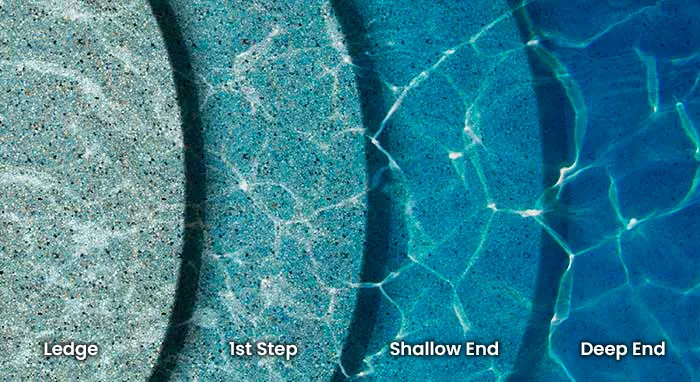
The depth of your pool alters how light interacts with the mini pebble finish. Shallow areas, like sun shelves or tanning ledges, will display the true color of the stones most accurately. As the water gets deeper, the color shifts because water naturally absorbs red and yellow light wavelengths while scattering blue ones.
In an eight-foot deep diving well, Aqua Blue will look incredibly dark, almost navy or indigo. The same depth with Aqua White will yield a beautiful, medium-sky blue tone. If you have a uniform depth pool, say four feet throughout, Aqua White may look almost blindingly bright on a sunny day, while Aqua Blue will maintain a steady, pleasant cerulean hue. Always consider your specific depth profile when reviewing color charts.
What About Long-Term Durability?
Mini pebble finishes are renowned for their longevity compared to standard marcite plaster. While traditional plaster might require resurfacing every seven to ten years, a properly installed and maintained mini pebble surface routinely lasts between fifteen and twenty-five years. The durability comes from the hardness of the natural stones, which resist erosion from chemical fluctuations far better than pure cement.
Colorfastness is another crucial factor. All pool finishes experience some degree of UV degradation over time. Aqua Blue tends to fade slightly faster than Aqua White because the added pigments break down under prolonged sun exposure. However, because the stones themselves carry natural color, the fading is gradual and rarely results in a patchy appearance unless the underlying cement is exposed by aggressive chemical damage or improper installation techniques.
Pro Tip: Request that your installer uses a consistent batch of material for the entire pool. Mixing batches from different production runs can lead to subtle color banding once the pool is filled and cured.
Are There Cost Differences Between Them?
Generally, the base cost for mini pebble installation doesn’t fluctuate wildly based purely on choosing Aqua Blue or Aqua White. The price is driven more by the square footage of the pool, regional labor rates, and the specific brand selected. However, custom pigment blending or adding specialty glass beads to either color will increase the total project budget.
You should also factor in long-term costs. Because Aqua Blue absorbs more heat, you might spend less on gas or electric heating in shoulder seasons. Conversely, if Aqua White keeps your pool too cool in spring, you may run your heater more frequently. These operational expenses accumulate over the lifespan of the finish and should influence your decision alongside the initial installation quote.
| Cost Category | Typical Range | Notes |
|---|---|---|
| Base Installation | $6,500 – $12,000 | Varies by pool size and region |
| Specialty Additives | $800 – $2,500 | Glass beads or custom pigments |
| Annual Chemical Upkeep | $400 – $900 | Similar for both colors |
| Heating Adjustments | $100 – $300/year | Aqua White may require more heat |
How Does Surrounding Landscape Matter?
Your pool doesn’t exist in a vacuum. The surrounding hardscape and softscape dramatically influence the perceived color of the water. Aqua White acts like a mirror, reflecting the colors around it. If your pool is surrounded by lush green grass and dark trees, the water will take on a greener, emerald tint. If surrounded by beige travertine, the water will look warmer and softer.
Aqua Blue is more dominant and less susceptible to environmental reflection. It maintains its blue character regardless of whether it’s bordered by red brick, gray concrete, or green foliage. For homeowners who plan to change their landscaping frequently or who have highly colorful gardens, Aqua Blue provides a stable visual anchor that won’t clash with shifting exterior design choices.
Which Finish Suits Your Backyard?
Selecting between these two options ultimately comes down to the atmosphere you want to create. If your goal is a resort-style retreat that feels deep, mysterious, and luxurious, Aqua Blue delivers that aesthetic perfectly. It works beautifully with natural rock waterfalls, grottos, and heavily planted tropical landscapes.
If you prefer a clean, bright, family-friendly environment where you can easily see children swimming at the bottom, Aqua White is the superior choice. It complements modern architecture, geometric pool shapes, and minimalist outdoor living spaces. Consider your existing home exterior, patio furniture, and fencing before committing to a direction.
Warning: Never select a pool finish based solely on a dry sample viewed indoors. Cement pigments look drastically different when wet and exposed to natural sunlight. Always ask your builder to show you completed local projects or fully submerged outdoor sample boards.
Frequently Asked Questions
Does aqua blue make the pool look dirty?
No, Aqua Blue doesn’t make the pool look dirty. In fact, it hides fine sediment and dust better than lighter finishes. However, if your water chemistry becomes unbalanced and calcium scale forms, those white mineral deposits will be highly visible against the dark blue background, requiring prompt professional cleaning.
Is mini pebble rough on feet?
Mini pebble is significantly smoother than standard exposed aggregate because the stones are much smaller, typically one to three millimeters. While it provides excellent slip resistance, most swimmers find it comfortable for walking. It’s generally considered gentle enough for children playing in the shallow end without scraping sensitive skin.
Can I change the color later?
Changing the color requires completely draining the pool and applying a new finish over the existing surface or chipping the old plaster out entirely. This is a major renovation project costing thousands of dollars. Therefore, choosing the correct color initially is critical to avoiding expensive future modifications.
How long does the startup take?
After installation, a mini pebble pool requires a strict chemical startup procedure lasting about twenty-eight days. During this period, the pool must be brushed multiple times daily to remove loose cement dust and prevent staining. Following the manufacturer’s specific startup guidelines ensures the finish cures correctly and reaches maximum durability.
Does water chemistry affect color?
Yes, improper water chemistry directly impacts the appearance of your finish. Low pH levels can etch the cement, exposing more stone and altering the texture and color. High calcium levels cause scaling, which clouds the water and coats the finish in white mineral deposits, masking your chosen Aqua Blue or Aqua White shade.
Are glass beads worth adding?
Adding glass beads to either finish introduces shimmer and light reflection beneath the water surface. While they increase the overall project cost, many homeowners feel the aesthetic upgrade is worthwhile, particularly with Aqua White, where the beads catch sunlight brilliantly. They don’t significantly alter the structural durability of the plaster.
Conclusion
Review your pool dimensions, note the hours of direct sunlight your yard receives, and request submerged physical samples of both finishes from your contractor before finalizing your build contract.