
The benefits of foosball include improved hand-eye coordination, enhanced social bonding, and reduced stress levels through fast-paced physical engagement. These table soccer games are found in bars, game rooms, and homes worldwide because they combine quick reflexes with simple mechanics. While the game looks easy to pick up, it demands precise finger movements and strategic positioning that keep players engaged for hours.
Quick overview of foosball advantages
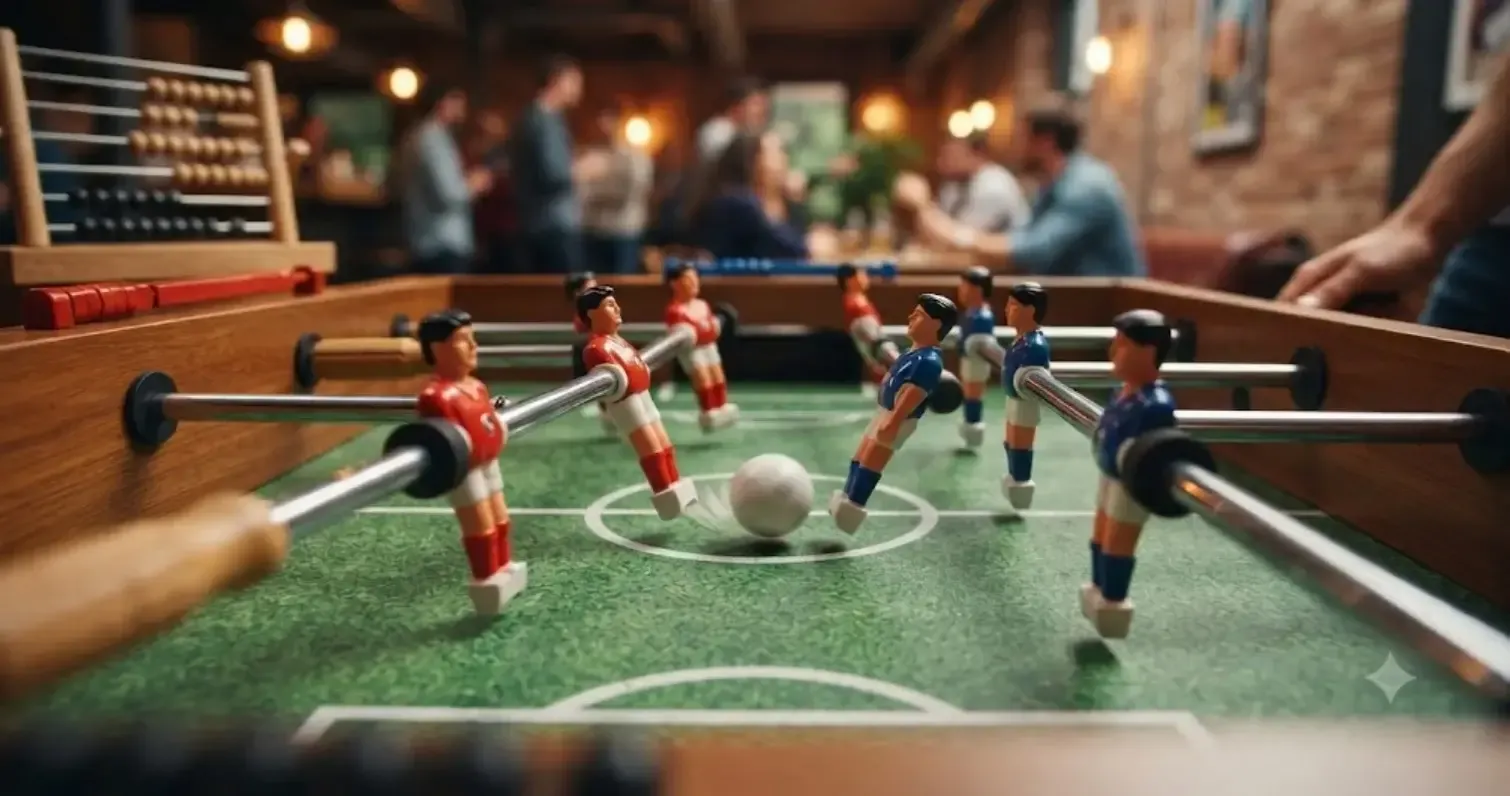
Foosball offers a unique mix of physical activity and mental strategy that appeals to a wide range of people. It’s not just a pastime; it’s a structured activity with measurable outcomes for your body and mind. Here is a glance at what makes this game stand out from other table sports.
| Feature | Best For | Concrete Example |
|---|---|---|
| Reflex Training | Improving reaction time | Blocking a fast shot with rod control |
| Social Connection | Breaking the ice | Playing doubles in a noisy bar setting |
| Stress Relief | Mental decompression | Losing track of time during a match |
| Accessibility | All skill levels | Kids and adults playing side-by-side |
| Portability | Small spaces | Compact tabletop models for home offices |
Hand-eye coordination gains
Foosball is a dynamic table game where players manipulate rods to control miniature figures and strike a ball into the opponent’s goal. It suits anyone looking to sharpen their reflexes without needing a large court or expensive equipment. The rapid back-and-forth action forces your brain to process visual cues and send motor commands almost instantly. This specific type of practice helps bridge the gap between seeing an event and reacting to it.
- Faster response times when catching moving objects in daily life
- Better precision in finger and wrist movements for fine tasks
- Improved ability to track multiple moving elements simultaneously
- Enhanced spatial awareness within confined play areas
A typical session involves blocking a high-speed shot aimed at the corner of the goal, requiring split-second rod adjustments. You can check your own improvement by noting how many shots you successfully defend over ten minutes.
Social connection boost
This version of table soccer serves as a powerful tool for building relationships because it naturally encourages interaction between players and spectators alike. It fits perfectly into group settings where conversation might otherwise stall or feel forced. The shared focus on the game creates a common ground that breaks down social barriers quickly.
- Easier ice-breaking in new team environments or parties
- Natural conversation flow during breaks between matches
- Inclusive play across different ages and backgrounds
- Shared excitement that strengthens group bonds
Friends often find themselves cheering for each other after a particularly tricky goal scored from a sharp angle. This shared emotional experience builds camaraderie faster than passive activities like watching TV. You don’t need to know anyone’s name to comment on a missed shot. The ball becomes the third party in every conversation.
Use this dynamic when hosting mixed groups. Place the table near the kitchen or bar so movement is constant. People will rotate positions without awkward scheduling. A stranger standing nearby becomes an opponent or ally within minutes. This physical proximity removes the hesitation people feel at large gatherings.
The noise level also helps. Unlike quiet dining, the clatter of rods and balls signals energy. Guests relax because they have something to do with their hands. Shy individuals engage through observation before joining. Confident players lead by demonstrating skill. Both roles contribute equally to the atmosphere.
Avoid placing the table in a corner. Visibility matters more than space efficiency. If guests can’t see the action, they disengage. Keep the area clear for four adults to stand comfortably. Crowding reduces enjoyment and increases frustration. Proper spacing ensures everyone feels included in the moment.
Stress reduction effects
Playing foosball provides a significant mental break from daily pressures by demanding full attention on the present moment. The rhythmic movement of the rods and the sound of the ball hitting the plastic create a soothing sensory loop. This focus acts as a form of active meditation, pushing worries about work or personal issues to the background.
Mental reset after long periods of desk work happens when you stand up and engage your core muscles. Positive mood elevation from winning small competitive rounds releases dopamine, reinforcing the behavior. A safe outlet for expressing frustration through controlled play allows you to channel anger into precise movements rather than outbursts.
You might notice your shoulders relaxing after twenty minutes of intense play, signaling that your body has shifted out of stress mode. If you feel tension building in your neck during a meeting, step away for just five minutes. Play a single round against a colleague.
The brief interruption breaks the cycle of rumination. You return with clearer thinking and less residual anxiety. Don’t skip this step. The cost of ignoring early stress signs is chronic fatigue. Use the table as a tool, not just a game.
Physical activity lightness
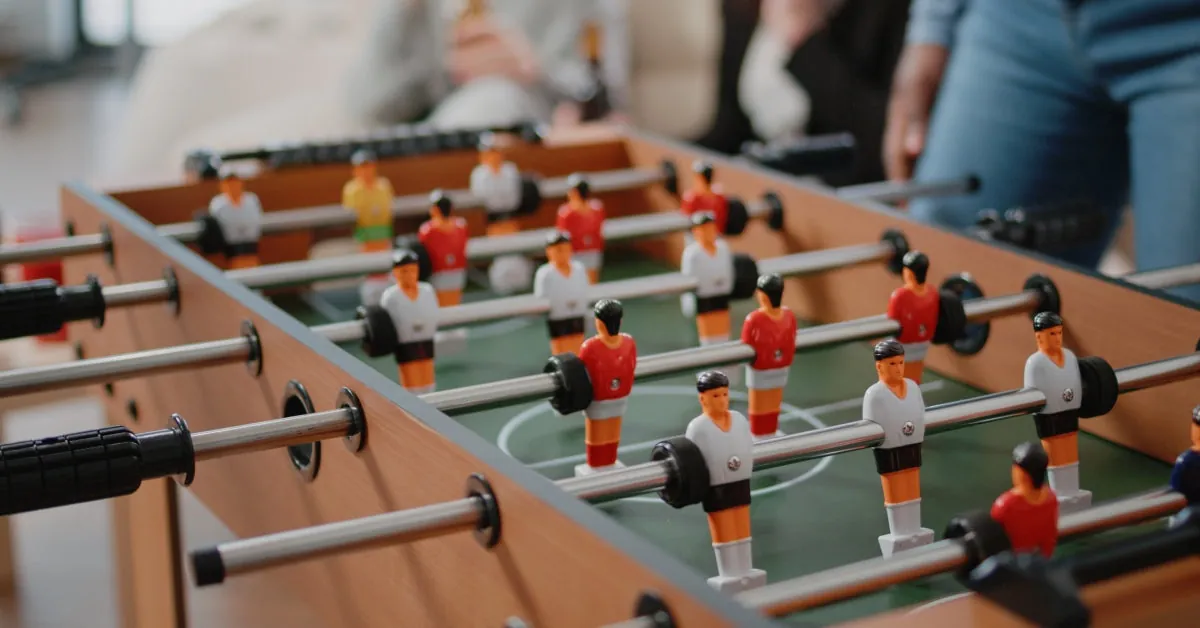
While not a replacement for aerobic exercise, foosball burns calories through continuous upper-body movement and sustained muscle tension. It engages the forearms, wrists, and shoulders in a way that keeps blood flowing even while seated. This light activity helps prevent stiffness that comes from sitting still for too long during meetings or gaming sessions.
- Reduced arm fatigue compared to static computer mouse use
- Gentle stretching of shoulder muscles during defensive blocks
- Increased heart rate slightly during competitive tournaments
- Maintenance of joint mobility in fingers and wrists
You can adjust this by playing more aggressively or taking longer breaks between matches.
Cognitive strategy development
Foosball requires constant tactical thinking as you plan your next move while anticipating your opponent’s strategy. You must decide whether to attack the corners, pass to a teammate, or hold the ball for position. This dual-tasking of physical execution and mental planning strengthens neural pathways associated with decision-making under pressure.
- Improved ability to make quick decisions in chaotic situations
- Better pattern recognition for predicting opponent moves
- Enhanced working memory for tracking ball position and player locations
- Strategic planning skills applicable to business or academic problems
A seasoned player will often set up a trap by leaving a corner open to draw the opponent into a predictable shot. This kind of foresight develops over time through repeated exposure to different playing styles.
Other notable perks
Accessibility lets those with limited mobility join in because the game only demands hand and arm movement. You don’t need to stand or run. This physical simplicity removes barriers that exclude many players from traditional sports. The effort required is low enough for seniors yet engaging enough for adults.
Cost-effectiveness delivers years of fun from one purchase. There are no monthly subscription fees draining your wallet. You also save on travel costs since you play at home. The initial investment pays off quickly compared to recurring entertainment expenses.
Competitive spirit feeds the desire for achievement and ranking. You can climb leaderboards without the pressure of professional stakes. The tension is real but manageable. This balance keeps players engaged without causing burnout or excessive stress.
Family bonding happens naturally when skill outweighs age differences. Parents and children play on equal footing. Older siblings can’t dominate simply by being bigger. This neutral ground fosters connection and shared joy across generations.
How to choose the right setup
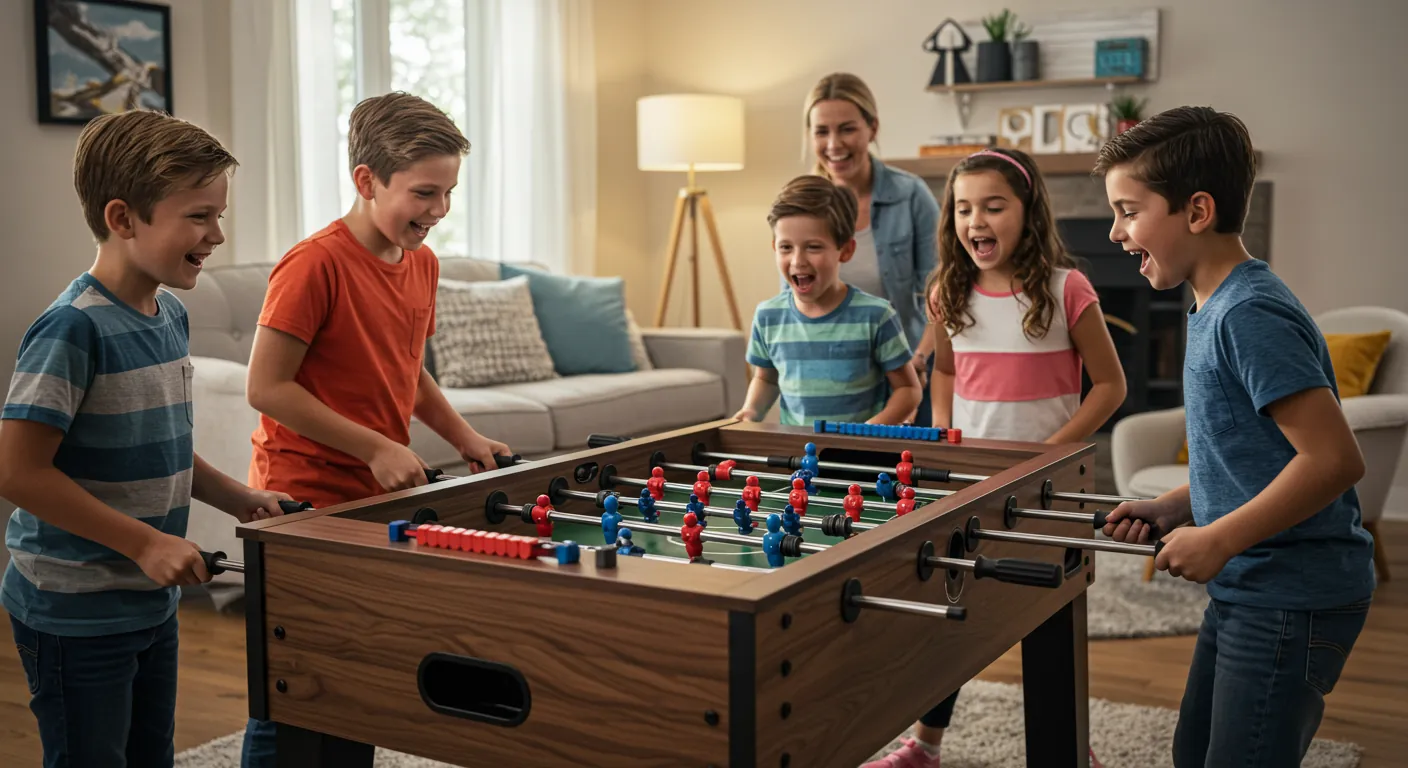
Your choice depends on three main factors: the space you have available, your budget, and who will be playing most often. If you have a dedicated game room or bar area, a full-size tournament model with metal rods will serve you best for durability and performance. These heavy units stay stable during aggressive play but require significant floor space and a higher upfront investment.
If you live in an apartment or want something portable, a wooden tabletop model is the practical choice. These lighter versions fit easily on existing tables and store away when not in use. They’re perfect for casual play with friends or family gatherings where portability matters more than pro-level features.
Consider combining both if your lifestyle changes frequently. Start with a mid-range tabletop unit to see if you enjoy the game before investing in a permanent fixture. This approach minimizes risk and lets you gauge interest from others in your household.
Related guides
- Best Foosball Tables Under 500: Top 5 Picks in 2026
- Foosball Resources: Where to Find Tactics and Gear in 2026
- 5 Best Back Massager for Pain Relief Picks to Ease Tension in 2026
Frequently asked questions
Can foosball improve my reflexes?
Yes, regular play significantly improves hand-eye coordination and reaction speed. Studies on psychomotor skills show that fast-paced table games enhance neural processing times. You’ll notice quicker responses in other activities like driving or sports.
Is foosball good for social anxiety?
It helps many people overcome social anxiety by providing a structured activity that reduces awkward silence. The focus on the game takes pressure off direct eye contact or conversation. This shared task creates natural bonding opportunities without forcing interaction.
How many calories does foosball burn?
Intense tournament play may increase this number slightly due to higher adrenaline and effort.
Is foosball safe for kids?
Foosball is generally safe for children aged six and older when supervised. Ensure the table has rounded edges and stable legs to prevent tipping. Avoid letting very young children play near heavy metal rods which could pinch fingers if closed suddenly.
What happens if I play alone?
Playing solo improves your individual technique and reaction speed against a wall or automated return system. Many bars offer single-player modes or you can practice blocking shots against a stationary target. This method builds muscle memory for defensive maneuvers effectively.
Does foosball help with stress?
Yes, the focused attention required shifts your mind away from daily worries and rumination. The physical rhythm of pulling rods creates a calming effect similar to other repetitive motions. Many users report feeling mentally refreshed after a short session following a stressful day.
Next steps to start playing
Start by borrowing a table from a friend or visiting a local recreation center. This low-cost trial reveals if the hobby fits your lifestyle before you commit to purchasing equipment. Don’t assume immediate proficiency. Your brain must build new neural pathways to synchronize hand movements with visual tracking of the ball. Expect awkwardness for the first few sessions. It’s a normal part of the learning curve, not a sign of inability.
Track your progress over fourteen days. Most players notice smoother rod control and faster reaction times within this window. If you don’t see improvement, check your stance. Leaning forward strains your neck and reduces visibility. Sit back with your elbows close to your body. This position stabilizes your arms and allows for precise flicks.
Stop immediately if you feel sharp pain in your wrists or elbows. Discomfort signals poor posture or overexertion. Pushing through pain leads to chronic tendonitis, which can sideline you for months. Adjust your grip or take a break. Consistency matters more than intensity when building muscle memory.