
Foosball shooting techniques are best learned by mastering the snap wrist rather than swinging your whole arm. You’ll get more power and accuracy with a quick flick of the fingers on the rod. This method suits players who want consistent shots without missing the ball entirely. It works for beginners and pros alike because it relies on mechanics, not strength. The key is keeping the rod stable while letting your hand do the work.
foosball shooting techniques gear setup
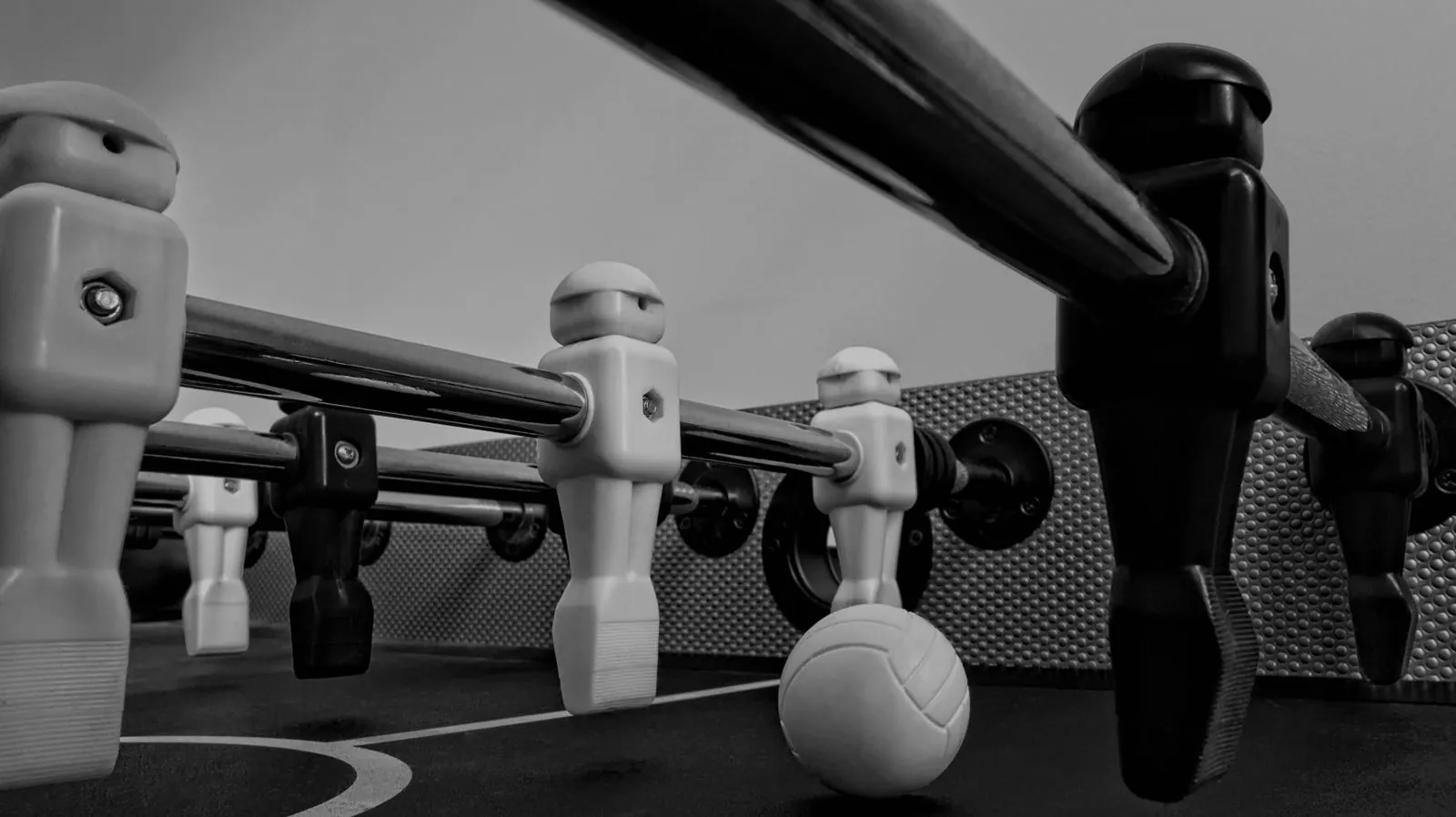
You don’t need expensive gear to improve your game. A standard table with smooth rods is enough to start practicing these moves. Here’s what you should have ready before you begin:
- A regulation foosball table: Make sure the rods spin freely. Sticky rods kill your shot speed. Test this by spinning each rod with one finger; it should complete at least three full rotations without stopping. If it halts early, the bearings are worn or dirty. Clean them with a dry cloth before considering replacement.
- Foosball balls: Use official size 54mm balls. Cheap plastic ones bounce weirdly and hurt your aim. Look for molded seams that sit flush against the surface. Uneven seams cause unpredictable deflections on passes. Keep two spare balls in your pocket during play. One gets lost under the table constantly.
- Your hands: No gloves. Bare skin gives you better grip and feel for the rod. Sweat reduces friction, so keep your palms dry. Wipe them frequently on your shirt if needed. This tactile feedback lets you adjust wrist angle mid-swing.
- A towel: Keep it nearby to wipe sweat. Slippery hands ruin your snap timing. Place it on the bench beside you. Don’t let it touch the playing surface. Oil from towels can damage wood finishes over time.
- Comfortable shoes: Stand flat on the floor. Leaning causes bad balance during follow-through. Wear sneakers with thin soles. Thick cushioning isolates you from the table’s vibrations. You need to feel the impact through your feet.
One substitution that works is using a slightly heavier rod if yours feels too light; it adds stability. One that doesn’t work is wearing thick winter gloves; they block all feedback from the handle. If you’re buying new gear, check local sports stores for certified tables. Don’t guess on quality — visit a dealer who knows the sport.
Step-by-step guide to the snap shot
- Stance first. Stand with feet shoulder-width apart. Keep your knees slightly bent. This gives you a solid base to rotate your torso.
- Grip the rod. Hold the handle with your dominant hand. Wrap your fingers around it snugly but loosely. Your thumb rests on top for control.
- Position the player. Align the shooting player with the ball. Move the rod forward so the player’s foot is just behind the ball. Don’t push hard yet.
- The wind-up. Pull the rod back slightly toward your body. Keep your elbow close to your side. This stores energy in your forearm muscles.
- The snap. Flick your wrist forward quickly. Let the rod accelerate naturally. Stop your hand abruptly when the player strikes the ball. This sudden stop transfers maximum force.
- Follow through. Let your hand move forward about two inches after impact. This ensures the ball leaves cleanly. Watch where the ball goes to adjust next time.
Tip: Practice this motion without the ball first. Focus on the speed of your wrist flick, not the strength of your arm. Speed beats power every time.
Careful: Don’t swing your whole arm like a baseball pitch. You’ll lose accuracy and risk hurting your shoulder. Keep the movement small and sharp.
If you struggle with consistency, check your grip pressure. Too tight slows you down; too loose lets the rod slip. Adjust until it feels natural. For serious training, consider joining a local league to see pros in action. They can give you real-time feedback on your form.
How it changes with the situation
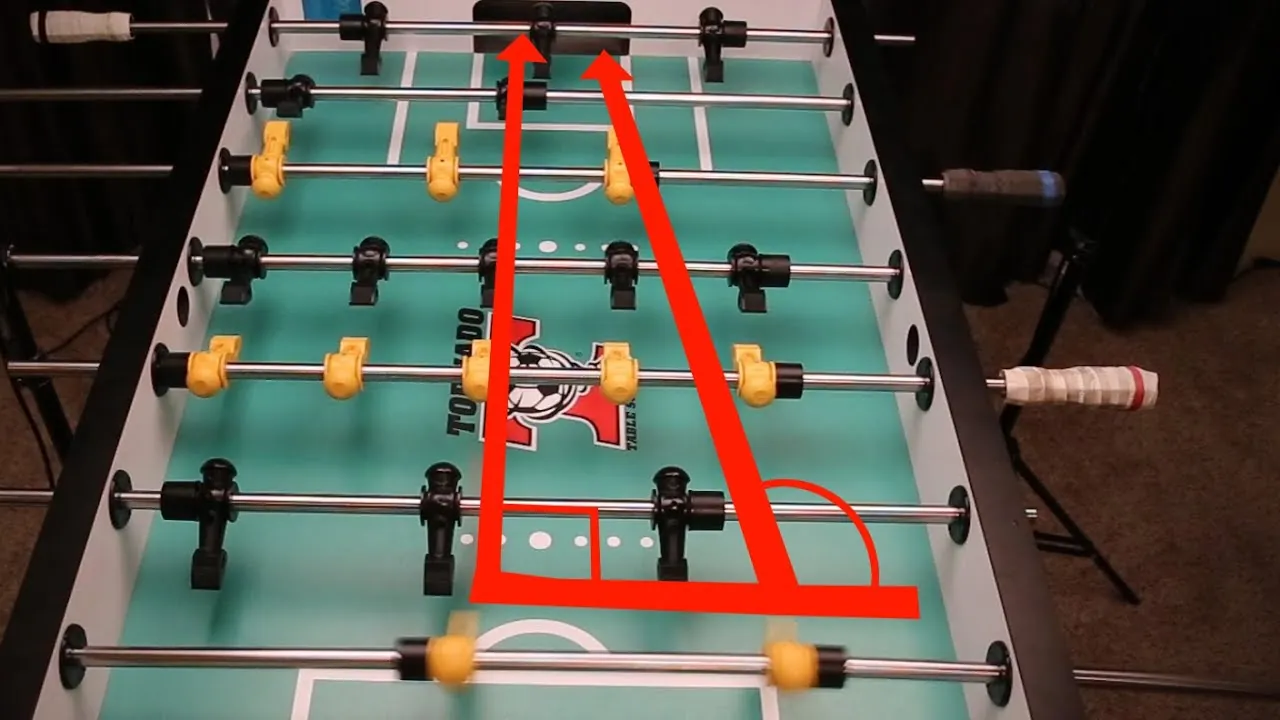
The table simplifies a complex reality. It suggests that open lanes are always easy, but they’re not. If the ball hits the wall behind you, it bounces back into play. You lose possession instantly. The cost isn’t effort; it’s attention.
You must watch the rebound path before you strike. A defender standing still is different from one moving laterally. If he steps forward, your angle narrows by ten degrees. You must adjust your footwork immediately. Don’t wait for the perfect spot. Move to create it.
Tight space requires precision, not power. Most players make the mistake of swinging hard when crowded. This wastes energy and reduces control. Instead, use a short, sharp motion. Keep your body low. This protects the ball from being blocked. If two defenders converge, pass backward. Don’t force a shot through traffic. The cost of failure here is high because recovery time is zero.
Long range shots demand a different mindset. Accuracy drops as distance increases. You can’t rely on instinct alone. Practice with a target marker at twenty yards. Measure your success rate. If it falls below seventy percent, shorten your approach. Use a rolling shot instead of a lift. This keeps the ball on the ground where it stays accurate.
Close range snaps are deceptive. They look simple but require timing. If you rush, you overshoot. Wait for the defender to commit their weight. Then strike early. This catches them off balance.
How to tell you did it right
A good shot hits the target with speed and stays on line. A poor shot wobbles or hits the defender’s legs. The main quality problem is inconsistency. It happens because players vary their grip pressure or wrist angle between shots. To prevent this, keep your stance identical every time.
Check your follow-through length; it should be the same each time. Also, listen to the sound. A clean hit sounds sharp; a weak hit sounds dull. If you hear dullness, tighten your grip slightly. Practice against a wall to see straight-line travel. This builds muscle memory for accurate aiming.
You must verify the contact point. Place a small mark on the racket face. Strike the ball. Check where the mark lands relative to the sweet spot. If the mark is off-center, your swing path is drifting. Adjust your elbow position inward to correct this. Drifting elbows cause the wobble that misses defenders.
Speed alone doesn’t prove success. Measure the time between your wind-up and impact. It must remain constant regardless of distance. Variance here indicates rushed mechanics. Slow down the preparation phase. Let the arm hang loose until the final step. Tension in the shoulder kills speed.
Inconsistency often stems from visual distraction. Don’t watch the ball after contact. Keep your head still over the strike zone. Moving eyes too early disrupts balance. This causes the leg hits mentioned earlier. Trust the initial aim. Finish the motion fully before looking up.
The wall practice needs structure. Stand three feet back. Hit ten consecutive shots without missing the same panel. Miss one, restart the count. This forces precision under fatigue. Fatigue reveals true technique. You can’t hide bad habits when tired.
The rules, and what to do afterwards
The foot-on-the-ground rule exists to stop players from using their body weight as a weapon. When you lean on the table, you transfer force directly into the rods. This makes it nearly impossible for your opponent to control the ball. You might think you’re just resting, but the physics change entirely. Keep both feet flat on the floor during every serve and return. If you slip, reset immediately rather than grabbing the edge.
Sweat is the enemy of smooth gameplay. It turns dust into a gritty paste that jams bearings. Wipe the rods after every session, not just when they look dirty. Use a clean, dry microfiber cloth to avoid scratching the finish. Focus on the handles where your grip accumulates moisture most. A quick pass along the entire length takes less than thirty seconds.
Dust settles in the crevices between the player figures and the base. This debris accelerates wear on the moving parts over time. Vacuum around the legs monthly to remove loose particles before they stick. Store the table away from direct sunlight to prevent plastic fading. UV rays make the rods brittle and prone to snapping under pressure.
Tournament rules vary significantly by region. Some leagues allow slight leaning if balance is maintained. Others enforce strict zero-tolerance policies. Check your national association’s website for the specific code applicable to you. Don’t assume standard play applies to competitive matches. The cost of ignoring this is disqualification or damaged equipment.
Other ways to shoot
The push shot
This method relies on pure arm strength rather than a wrist snap. You must push the rod forward in a steady, unbroken motion. It takes more time to execute fully compared to other techniques. However, it offers significantly higher power output for the striker. Use this primarily for long-range shots where speed matters less than raw force. Aim low to keep the ball grounded and rolling toward the net.
The flick shot
Similar to the standard snap but uses a faster wrist rotation. It’s great for quick reflexes near the goal area. This technique requires excellent timing between the stick and the ball. If you miss contact slightly, the ball often flies wide of the target. Practice makes perfect here because muscle memory is key. Focus on keeping your elbow close to your body during the release.
The chip shot
Lift the rod slightly upward while snapping through the ball. This puts backspin on the ball as it leaves the stick. It’s useful for getting over defenders who are blocking the direct path. However, it’s harder to control direction accurately under pressure. Only use it when you have a clear view of the goal. Keep your head down to maintain focus on the impact point.
Related guides
- Best Foosball Tables Under 500: Top 5 Picks in 2026
- Foosball Resources: Where to Find Tactics and Gear in 2026
- How to Fix Power Recliner Stuck in Open Position: Easy Steps
Frequently asked questions
Can I use both hands to shoot?
Yes, you can use both hands for stability. Hold the rod with your non-dominant hand for support. Your dominant hand does the snapping. This helps if you have weak wrists. But don’t rely on it too much. It limits your mobility.
Why does my shot go wide?
Your wrist isn’t staying straight during the snap. Rotate your forearm slightly inward before firing. Keep your eyes on the target throughout the motion. Misalignment causes most wide shots. Practice aiming at a specific spot on the wall.
How long does it take to master the snap?
Most players see improvement in two weeks of daily practice. Full mastery takes about three months. Consistency matters more than speed at first. Spend ten minutes a day drilling the motion. Progress will come naturally.
Is it safe to shoot hard?
Yes, if you use proper form. Avoid swinging your whole arm. Stick to the wrist snap. This reduces strain on your elbow and shoulder. If you feel pain, stop immediately. Rest and stretch before trying again.
What happens if I hit the ball too early?
The ball will lack power and curve downward. Timing is everything in foosball. Wait until the player is fully aligned with the ball. Then initiate the snap. Premature hits waste energy and miss targets.