
Barrington billiards company, jooola, and preiser are the main foosball table brands barrington billiards company competes with in the modern market. They all build sturdy tables for home or bar use, but each focuses on different parts of the game. The single thing that separates them is how they handle the rods and players. Some focus on speed and smooth sliding, while others prioritize durability and official tournament rules.
Quick Comparison of Top Brands
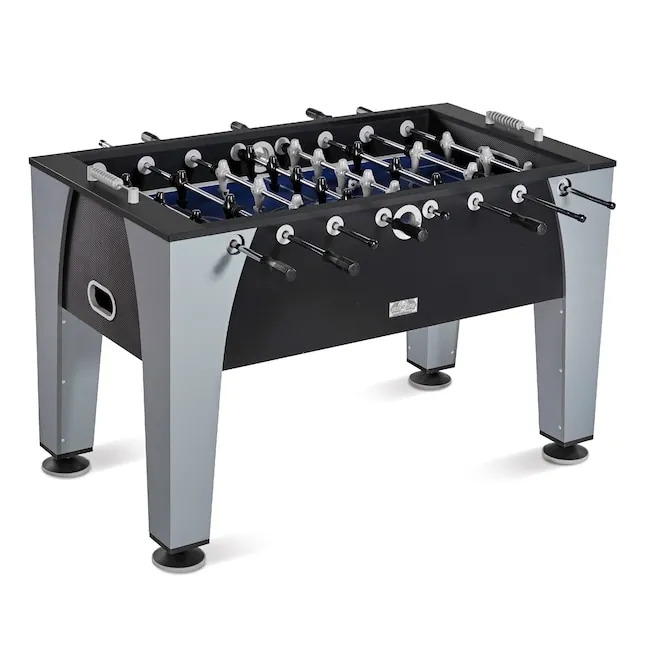
This section puts every major player into one clear view so you can see the differences at a glance.
| Brand Name | Best For | Concrete Example |
|---|---|---|
| Barrington Billiards | Durable home play | Solid wood construction with metal rods |
| Jooola | Competitive tournaments | Official height and weight standards |
| Preiser | High-end precision | Hand-painted figures and premium finish |
| Stiga | Budget-friendly entry | Plastic components for easy maintenance |
| BSI (Barrington) | Classic style | Traditional oak finish options |
How to Choose Barrington Billiards Foosball Table Brands
Barrington billiards company makes tables that last for years without falling apart. It suits families who want a strong table for casual games and kids. The brand focuses on solid materials rather than flashy features.
- Heavy-duty steel rods resist bending during hard hits.
- Thick MDF panels keep the surface flat over time.
- Easy-to-clean plastic figures survive spills and drops.
- Simple assembly means you can set it up alone.
A typical model like the Barrington 54-inch table uses standard 12mm rods for a balanced feel between control and power.
Jooola
Jooola builds tables that meet strict international competition rules. It suits serious players who want their home setup to feel like a pro arena. The brand prioritizes precise mechanics over heavy looks.
You’ll notice the difference when playing fast breaks. The surface stays flat season after season.
Chrome-plated rods offer ultra-smooth spinning action. This plating resists rust better than standard steel. Your hands stay clean during long sessions. The grip remains consistent even in humid basements.
Officially sanctioned dimensions fit any regulation space. Measure your room carefully before buying. Leave two feet on each side for safe play. A cramped table ruins the game experience.
Interchangeable player figures allow for custom teams. Swap them out for tournaments or fun. This feature adds personality to your setup. It also lets you replace broken parts easily.
The Jooola Berlin 54″ table weighs over 200 pounds. This mass provides stability needed for fast-paced matches. Don’t attempt to move it alone. Use a dolly and two strong friends.
Serious players invest in this durability. Casual users might find it overkill. Consider your skill level before committing. The price reflects the professional grade materials.
Shipping is usually free due to weight. Expect delivery within two weeks. Inspect the box for dents upon arrival. Report any damage immediately to the seller.
Setup takes about an hour solo. Follow the included manual step by step. Tighten all bolts firmly but don’t overtighten. This prevents stripping the threads over time.
Preiser
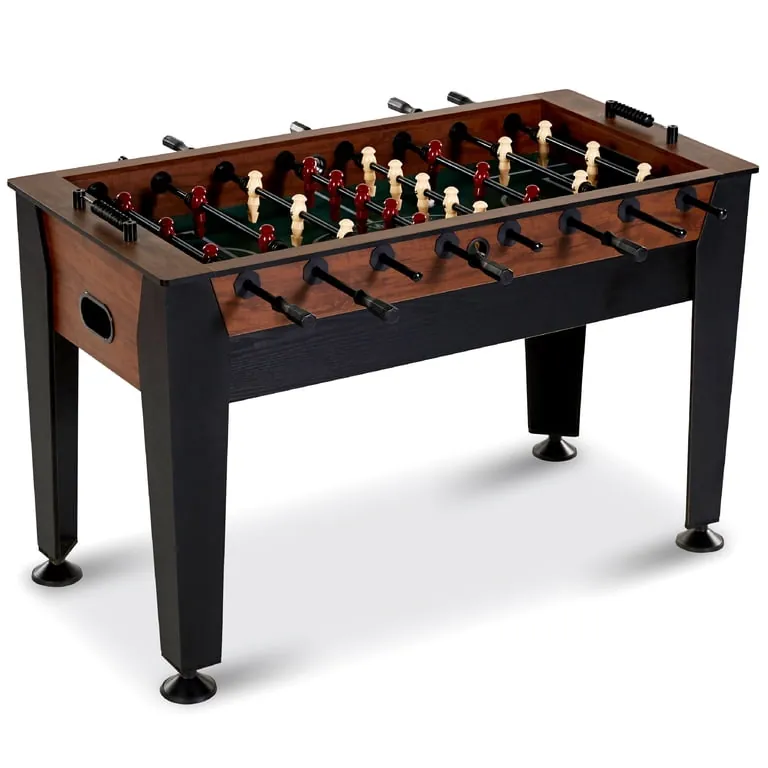
Preiser doesn’t mass-produce. Each table begins as a raw slab of walnut or cherry, selected for grain continuity that matches across the playing surface and legs. This isn’t veneer glued over particle board. It’s solid timber, planed by hand to within a millimeter of perfection. The finish isn’t sprayed on in a factory line. It’s rubbed into the pores with oil and wax, creating a depth that light catches differently depending on the time of day.
The figures aren’t printed decals. They’re sculpted from resin, then painted by artists who spend hours on a single knight or bishop. You can see the brushstrokes if you look closely. These details matter because they transform the game from a mere pastime into a visual experience. When you sit down to play, you aren’t just moving pieces. You’re interacting with art.
Leather handles aren’t an afterthought. They’re stitched by hand using thread that lasts decades. The grip feels substantial, warm against the palm. This tactile quality changes how you hold your piece. You hesitate less. Your moves become more deliberate.
Limited editions aren’t marketing gimmicks. They’re numbered runs where every detail is verified. If you buy one, you own a specific piece of history. The cost reflects this scarcity. A standard table might cost $200. A Preiser model often exceeds $400. But you’re paying for craftsmanship that can’t be rushed. Don’t confuse price with value. Here, they align perfectly.
Stiga
Stiga targets the entry-level market with tables that prioritize accessibility over durability. These models use thinner steel rods and lighter wood composites to reduce shipping weight and retail price. This approach works for casual play but fails under heavy, daily use. You must distinguish between occasional family fun and serious league practice.
The Champion series serves schools and community centers because it balances cost with basic functionality. It isn’t designed for high-traffic environments where tables endure constant abuse. If you expect long-term service in a busy lobby, this table will disappoint. The plastic figures wear down quickly, and the playing surface may warp after months of intense play.
Lightweight construction simplifies moving the unit during room rearrangements or storage. However, this same lightness reduces stability during powerful shots. Players often notice the table shifting slightly on hard floors. Adding rubber feet can mitigate this issue without voiding the warranty.
Basic plastic figures are inexpensive to replace when they break or get lost. They lack the heft of metal counterparts, affecting ball control. Beginners might prefer heavier figures for better feedback. Compact sizes fit well in apartments with limited space. Measure your room carefully before purchasing. Ensure there’s enough clearance for full rod rotation.
Simple rod systems require less maintenance than complex bearing setups. This simplicity lowers long-term ownership costs. Yet, it also limits performance upgrades. You can’t easily swap components for higher-quality parts later. Consider your commitment level before buying. If foosball becomes a serious hobby, invest in a heavier, more robust model from the start.
Other Notable Brands
Bsi targets players who want their gear to look like it belongs in a parlor from 1920. The brand avoids the glossy, plastic-heavy finishes common today. Instead, they use real wood stains that deepen with age. This matters for older players who find modern aesthetics cold or impersonal.
Oak finishes do more than just match furniture. They blend into living rooms where traditional decor dominates. A sleek black table might clash with a mahogany sideboard. An oak bsi set disappears into the background. It feels intentional rather than intrusive.
Wooden rods provide tactile feedback that synthetic materials can’t replicate. You feel the grain under your fingers during play. This connects you to the physical act of the game. Modern carbon fiber rods are smooth and silent. Wooden ones have texture and weight distribution that changes slightly with humidity. Nostalgic buyers often seek this specific sensory experience.
Performance remains reliable but deliberately slow-paced. These sets aren’t built for speed records. They’re built for leisurely matches that last hours. If you prefer rapid-fire rallies, look elsewhere. Bsi suits those who value atmosphere over athleticism.
Simmons occupies the middle ground between budget and premium options. Households choose them when durability matters more than prestige. The price point allows for replacement without financial strain. Standard rod thickness prevents warping over time. This is crucial for families with multiple users.
Wide availability means you can buy one at any major retailer. You don’t need to hunt for specialty shops.
How to Choose Between Them
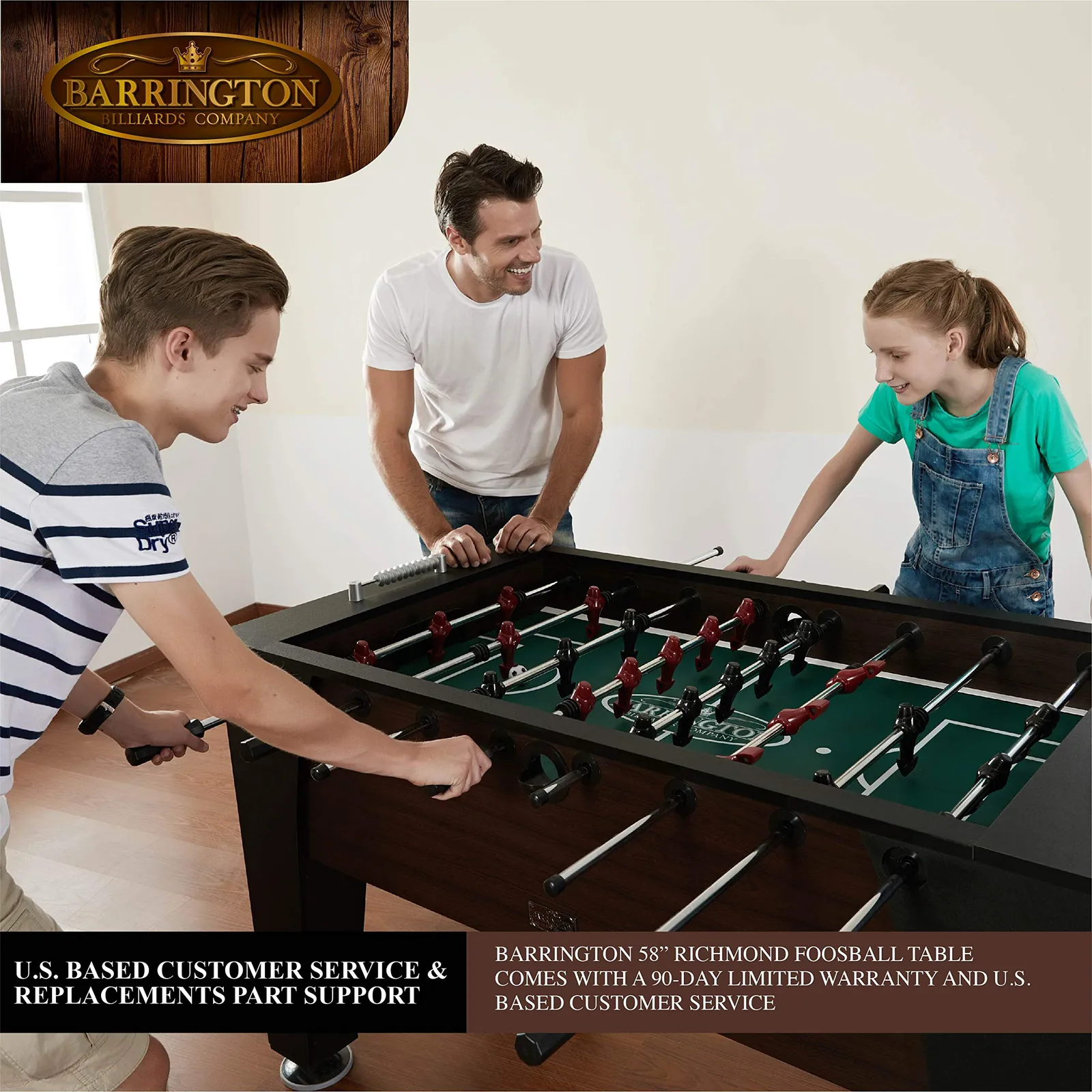
Deciding which brand fits you depends on your budget and skill level. If you have a tight budget under $500, stiga or simmons are your best bets because they offer basic functionality at an accessible price point. If you play seriously and want tournament-level consistency, choose jooola since its certified dimensions ensure fair play against opponents elsewhere. If you care about looks and longevity, barrington billiards company stands out for its robust construction that withstands rough handling by children.
You can combine these choices by buying a base table from one brand and upgrading rods from another, but this is rare. Picking one usually means sticking with that ecosystem for accessories. Consider how much space you have; larger tables need more room to swing rods comfortably. Also think about where you’ll place it; humidity affects wood tables more than plastic ones.
Related guides
- Best Foosball Tables Under 500: Top 5 Picks in 2026
- 5 Best Massage Table Brands for Quality and Comfort in 2026
- How to Paint a Glass Table Top: A Step by Step Guide
Frequently asked questions
Can I buy replacement parts for old models?
Yes, most major brands sell spare rods and figures separately. Check the manufacturer’s website for part numbers matching your specific model year.
Why do my rods stick sometimes?
Dust and debris accumulate inside the bearing tubes over time. Clean the rods with a dry cloth weekly to prevent friction buildup.
How long does assembly take?
Most tables take 60 to 90 minutes for two people. Follow the manual step-by-step and tighten bolts only after aligning all parts.
Is it safe for young children?
Yes, provided the table has stable legs and no sharp edges. Supervise kids to prevent pinched fingers between moving rods.
What happens if I spill liquid on the table?
Wipe it up immediately with a damp cloth. Avoid harsh chemicals that might damage the finish or warp the wood panels.
Does it matter if the table is weighted?
Heavier tables stay put during intense play. Look for weights over 150 pounds if you play aggressively without anchoring it down.
How often should I lubricate the bearings?
Once a year is usually sufficient for normal use. Use silicone spray specifically designed for sports equipment to avoid attracting dust.
Next Steps for Your Purchase
Measure the width and height of your intended spot with a tape measure. Include extra clearance for swinging arms or leaning back during play. A standard table needs at least two feet on each side to prevent accidental hits against walls or furniture.
Unbox all parts onto a clean, flat surface. Lay out every screw and bracket next to its corresponding hole. This prevents mixing up sizes later. You’ll need a Phillips head screwdriver and perhaps an Allen wrench. Keep them within arm’s reach.
Assemble the base first. Tighten bolts until snug, but don’t force them. Over-tightening can strip threads or crack plastic components. Take your time here. Rushing leads to misalignment that’s hard to fix later.
Attach the playing field carefully. Ensure it sits level before securing it fully. Use a small spirit level if you have one. An uneven surface affects gameplay significantly.
If any metal rod feels wobbly or uneven after installation, stop immediately. Don’t try to bend it into place. This signals a manufacturing defect. Contact customer support right away. They will send replacements without hassle. Ignoring this issue risks breaking the frame during use.