
Finding the right foosball table replacement parts players is often the first step in restoring a game that has lost its competitive edge. Over time, the plastic figures wear down, their grips loosen, or they snap entirely during intense matches. Whether you’re dealing with a high-end tournament model or a budget-friendly home unit, identifying the correct rod type and player style is essential before purchasing anything. The market offers various options, from generic replacements to brand-specific components, but compatibility varies significantly between manufacturers like Harvil, Franklin, and Hathaway. Understanding these differences prevents wasted money and ensures your table plays smoothly again.
Key Takeaways
- Identify your rod type (solid, hollow, or threaded) before buying any foosball player replacements to ensure proper fit and function.
- Check the specific rod diameter, as standard sizes vary between 14mm, 16mm, and 20mm across different brands.
- Verify the player grip style, distinguishing between press-fit, screw-in, and clip-on mechanisms used by major manufacturers.
- Match the figure height and weight to maintain balanced gameplay, especially for defense and goalie positions.
- Use appropriate lubricants on rods after installation to prevent future seizing and ensure smooth rotation.
- Consider upgrading to titanium-coated rods if replacing players due to corrosion or rust issues on older tables.
Identifying Your Rod Type
The most critical factor in finding compatible players is understanding the rod system of your table. Not all rods are created equal, and using the wrong players can lead to wobbling, poor control, or even damage to the table mechanism. There are three primary types of rods found in modern foosball tables: solid, hollow, and threaded.
Solid rods are common in entry-level tables and typically use press-fit players. Hollow rods, often found in mid-range models, may require players with internal sleeves or clips. Threaded rods, prevalent in professional-grade tables, allow for precise adjustment of player spacing and usually feature screw-in players.
To determine your rod type, remove one end cap and inspect the shaft. If it’s a single piece of metal without threads, it’s likely solid. If you see threading along the length or at the ends, it’s a threaded rod.
Hollow rods will appear as tubes rather than solid bars. Knowing this distinction is vital because rod compatibility dictates which players will stay securely in place during play. A mismatch here means your new figures will spin independently of the rod, rendering them useless for actual gameplay.
Measuring Rod Diameter
Once you know the type, you must measure the diameter. This measurement is non-negotiable for a secure fit. Most residential tables use either 14mm or 16mm rods, while commercial and tournament tables often utilize 20mm rods. Using a caliper is the best method for accuracy, but a ruler can suffice if measured carefully.
Insert the existing player into the rod; if it slides too loosely, the hole in the player is too large for your rod. If it doesn’t slide in at all, the player is designed for a thicker shaft.
Rod diameter variations are subtle but significant. A 14mm rod won’t hold a player designed for a 16mm rod securely enough to withstand lateral force. Conversely, forcing a smaller-diameter player onto a larger rod can crack the plastic or deform the grip. Always double-check this measurement against the product specifications of any replacement part you consider buying. Many online listings specify “fits 14-16mm,” which indicates a flexible design, but others are strict about size.
Common Player Styles and Fits
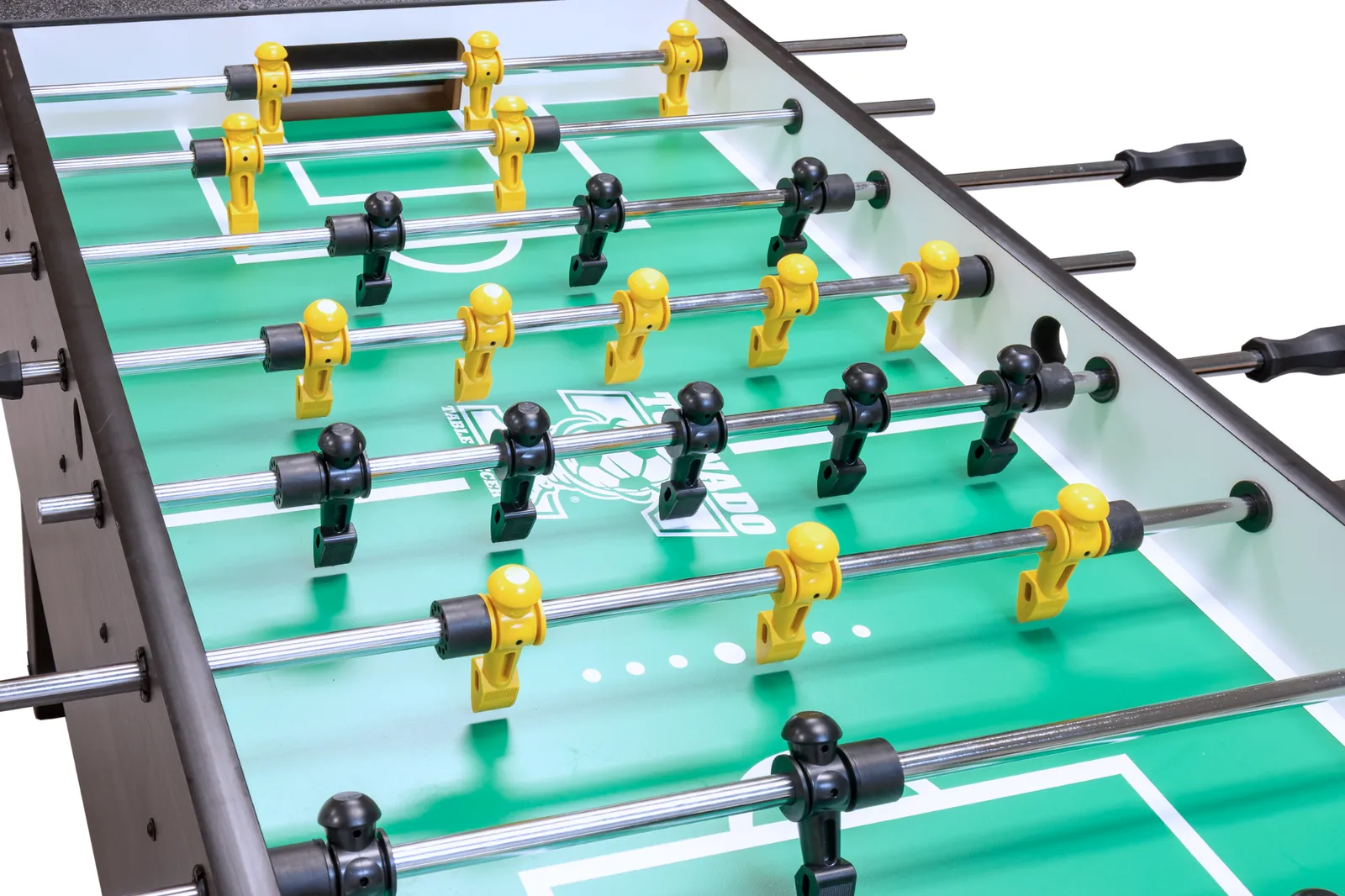
Beyond the rod itself, the way the player attaches to the rod varies by manufacturer and era. The two most common attachment styles are press-fit and screw-in. Press-fit players rely on friction and the tightness of the plastic sleeve around the rod.
These are typical in tables made by brands like Franklin Sports and some older Harvil models. Screw-in players have an internal thread that mates with the external thread of the rod. This style is standard in higher-end tables from manufacturers such as Barrington and Brunswick.
There’s also a third, less common style known as the clip-on or snap-on mechanism. These players have a spring-loaded clip inside that grabs the rod. They’re rare in modern production but can be found in vintage European tables. Identifying the attachment mechanism is just as important as measuring the rod. You can’t simply buy a press-fit player for a threaded rod unless you modify the player, which is generally not recommended for beginners.
Press-Fit vs. Screw-In
Press-fit players are easier to replace but may loosen over time as the plastic compresses. To tighten them, you can sometimes use a small amount of super glue on the rod before insertion, though this makes future removal difficult.
Screw-in players offer a more secure connection and allow for micro-adjustments in positioning. However, they require the rod to have matching threads. If your rod is stripped or damaged, you may need to replace the entire rod assembly rather than just the players.
When shopping, look for keywords like “threaded” or “press fit” in the product description. Some universal players come with interchangeable inserts, allowing them to fit both types. These hybrid options are convenient but may not offer the same precision as dedicated parts. Always prioritize parts specifically designed for your table’s make and model when possible. Generic sets are affordable but often lack the durability and balance of OEM-style components.
Choosing Foosball Table Replacement Players
Not all foosball players are identical in shape, weight, or height. The four main positions—goalie, defense, midfield, and forward—each have distinct designs optimized for their role. Goalies are typically shorter and wider to block shots effectively.
Defense players are taller and heavier to shield the net. Midfielders are balanced for passing and shooting, while forwards are lightweight and agile for quick strikes. Using the wrong figure for a position can disrupt the flow of the game and make certain maneuvers impossible.
When selecting replacement figures, match the original style as closely as possible. If your table came with classic standing figures, avoid switching to sitting or kneeling styles unless you intend to change the entire aesthetic and playstyle. Weight distribution is crucial; a heavy forward will rotate slowly, giving opponents an advantage. Lightweight defenders may not provide enough stability against strong shots. Consistency across all rods ensures a fair and predictable playing experience.
Material Quality Matters
Most players are made from ABS plastic, which is durable and resistant to impact. Higher-quality players use thicker walls and better molding techniques to prevent cracking. Cheaper alternatives may feel brittle and break easily under pressure. Look for products that mention “high-impact plastic” or “tournament-grade materials.” These terms indicate a level of quality control that ensures longevity. Additionally, check the finish; a smooth surface reduces friction against the rod and allows for faster rotation.
Some premium players feature weighted bases or internal metal inserts to enhance stability. These are particularly useful for defense rods where momentum control is key. While they cost more upfront, they reduce the frequency of replacements needed. Investing in quality figures pays off in extended table life and improved gameplay. Avoid unbranded, no-name sets that lack material specifications, as these often fail within months of regular use.
Troubleshooting Fit Issues
Even with the correct measurements, you might encounter fit problems. Players may wobble, slip, or refuse to stay in place. Wobbling usually indicates a mismatch in rod diameter or a deformed player hole. If the player spins freely on the rod, the fit is too loose. Slipping occurs when the friction is insufficient, often due to worn-out plastic or dirty rods. Refusal to install suggests the player is too small for the rod or the rod is bent.
Troubleshooting steps should begin with cleaning the rod thoroughly. Grease, dust, and old lubricant can interfere with the fit. Use a cloth and mild solvent to wipe the shaft clean. Inspect the player’s interior for cracks or burrs that might prevent a snug fit. If the player is slightly loose, you can try wrapping a tiny amount of electrical tape around the rod to increase thickness. For screw-in players, ensure the threads are aligned properly before tightening to avoid cross-threading.
Pro Tip: If your press-fit players keep loosening, apply a thin layer of silicone-based lubricant to the rod. This reduces friction wear and helps maintain a consistent fit over time, unlike petroleum-based oils which can degrade plastic.
Maintenance and Longevity
Regular maintenance extends the life of both rods and players. Dust and debris accumulate in the bearings and rod sleeves, causing resistance and uneven rotation. Clean the rods periodically with a dry cloth. Apply a light coat of silicone spray or specialized foosball rod lubricant every few months. Avoid WD-40 or other penetrating oils, as they can attract dirt and damage plastic components.
Inspect players for signs of wear, such as chipped feet or cracked legs. Replace damaged figures immediately to prevent further injury to the rod or other players. Store the table in a climate-controlled environment to prevent warping of wooden frames and degradation of plastic parts. Extreme temperatures can cause plastics to become brittle or expand, affecting fit.
Warning: Never use excessive force when installing or removing players. Forcing a component can strip threads, crack plastic, or bend rods, leading to costly repairs that go beyond simple part replacement.
Related guides
- Best Foosball Tables Under 500: Top 5 Picks in 2026
- How to Paint a Glass Table Top: A Step by Step Guide
- How to Dispose of Large Glass Table Top Panels Safely
Frequently Asked Questions
Can I mix different brands of players?
Yes, you can mix brands as long as the rod diameter and attachment style match. However, mixing weights and heights may affect gameplay balance. It’s best to keep similar positions consistent in weight and style for a fair game. Ensure all players fit securely to avoid wobbling during play.
How do I know if my rod is 14mm or 16mm?
Use a caliper to measure the outer diameter of the rod shaft. If you lack tools, compare the rod to a known object or consult your table’s manual. Standard residential tables often use 14mm or 16mm rods. Commercial tables typically use 20mm. Visual estimation is unreliable; precise measurement is necessary for correct part selection.
Are universal players worth buying?
Universal players offer convenience for mixed fleets or unknown rod types but may sacrifice precision. They often include adapters or flexible grips. For casual play, they’re adequate. For serious competition, dedicated OEM-style parts provide better balance and durability. Choose based on your skill level and commitment to the sport.
What causes players to spin freely?
Loose fits, worn plastic holes, or dirty rods cause free spinning. Over time, friction decreases as materials wear. Cleaning the rod and ensuring the correct diameter fit resolves most issues. If the player hole is stretched, replacement is necessary. Regular maintenance prevents premature wear and maintains optimal tension.
Do I need special tools for installation?
Most press-fit players require no tools, just hand pressure. Screw-in players may need a wrench or pliers for initial tightening, but hand-tightening is usually sufficient. Avoid power tools, which can strip threads. For stubborn caps, a rubber mallet can help seat components without damaging surfaces. Keep tools gentle to preserve part integrity.
Conclusion
Replacing your foosball players restores the joy of the game and ensures fair competition for years to come. By taking the time to identify your specific rod type, diameter, and attachment style, you avoid the frustration of incompatible parts. Invest in quality materials that match your table’s original specifications for the best performance. Regular maintenance will keep everything running smoothly, so schedule periodic checks to catch wear early. Enjoy the renewed satisfaction of a well-maintained table with friends and family.