
Finding the right foosball table replacement parts like bushings and bumpers is often the difference between a frustrating game and a smooth, responsive match. Over time, the plastic components that allow rods to spin freely wear down, causing friction, noise, and uneven play. Whether you’re dealing with a sticky rod or figures that bounce unpredictably, identifying the correct component for your specific table model is the first step toward restoring performance. This guide breaks down exactly what you need, how to install it, and where to look for compatible hardware so you can get back to playing without delay.
Key Takeaways
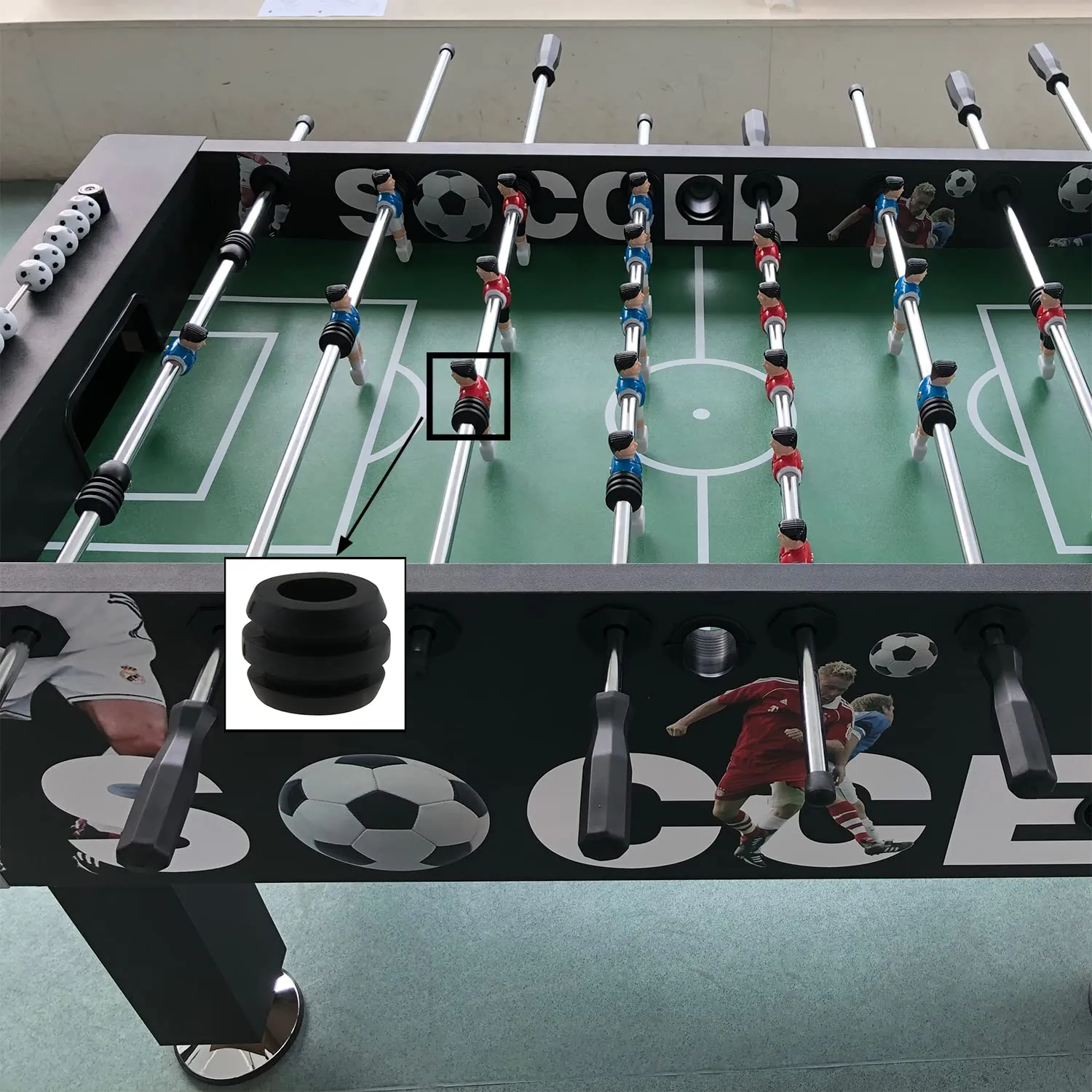
- Replace nylon bushings every 1-2 years of heavy use to prevent rod binding and motor burnout on electric tables.
- Match bumper thickness precisely; generic replacements may not fit the groove, leading to loose figures or rattling sounds.
- Use high-viscosity lubricant on new bushings during installation to ensure immediate smooth rotation and reduce initial wear.
- Check the rod diameter (usually 5/8 inch or 3/4 inch) before buying parts, as mismatched sizes will cause wobbling.
- Inspect end caps and bearings simultaneously, as worn bearings accelerate bushing failure through increased lateral stress.
- Keep spare sets of replacement bumpers in stock, as they snap off easily during aggressive play and are inexpensive to replace.
Why Bushings Wear Out
Bushings are small, cylindrical rings made of nylon or Delrin that sit inside the table’s side rails. They serve as the bearing surface for the metal rods, allowing them to rotate with minimal friction. Without them, metal would grind against wood or metal, destroying the table structure.
The primary cause of wear is friction combined with dirt and dust accumulation. As players slap the ball and push the rods, microscopic particles embed themselves in the soft plastic. Over months of use, these particles act like sandpaper, gradually eroding the inner diameter of the bushing.
When a bushing wears out, the clearance between the rod and the bushing increases. This extra space allows the rod to wobble sideways instead of spinning cleanly. You’ll notice this as a “clunking” sound when you reverse direction or a resistance that feels inconsistent.
In severe cases, the rod may bind completely, requiring excessive force to move. This not only ruins the gameplay but can also damage the gears in electric foosball tables. Regular inspection of these components is crucial for maintaining table longevity.
Types of Bumpers and Their Role
Bumpers are the small plastic pieces that attach to the ends of the rods, holding the player figures in place. They come in various shapes and sizes depending on the manufacturer and the era of the table. Common types include round, square, and hexagonal bumpers. Some modern tables use integrated bumpers that are part of the figure assembly, while older models use separate, press-fit pieces. The material is typically hard plastic or rubberized polymer designed to absorb impact.
The function of a bumper goes beyond just holding the figure. It provides a cushion that prevents the metal rod from striking the wooden or metal rail directly. When a player takes a powerful shot, the energy transfers through the figure into the bumper.
If the bumper is cracked or missing, that energy hits the rod end, potentially bending it or damaging the bushing. Furthermore, bumpers help keep the figures aligned. A worn bumper can allow a figure to tilt, affecting how it strikes the ball. Choosing the right shape ensures the figure sits flat and rotates true.
Identifying Your Table Model
Before purchasing any parts, you must identify your specific foosball table model. Manufacturers such as Harper, Gamma, FCI, and Spincast have different specifications for rod diameters, bushing lengths, and bumper styles. Look for a label on the underside of the table, near the legs, or on the back panel. This label usually contains a model number and manufacturing date. If the label is missing, measure the rod diameter and the length of the existing bushings.
Most standard tables use either 5/8-inch or 3/4-inch rods. Measuring this accurately is critical because a bushing designed for a thinner rod will be too loose on a thicker one, causing instability. Similarly, bumper grooves vary in width. A universal bumper might fit loosely, leading to frequent loss during play. Taking clear photos of the existing parts and comparing them to online catalogs can help verify compatibility. Many manufacturers provide detailed diagrams on their websites to assist with identification.
Pro Tip: Measure the outer diameter of the bushing hole in the side rail, not just the bushing itself. Over time, the hole can widen, meaning you may need a slightly larger bushing than the original specification to eliminate wobble.
Comparison of Replacement Options
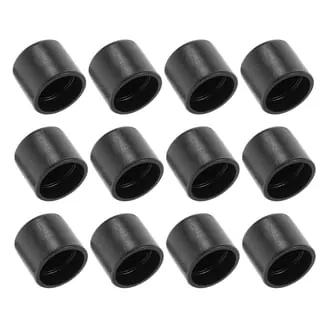
Choosing between OEM (Original Equipment Manufacturer) parts and aftermarket alternatives involves trade-offs in cost, fit, and durability. OEM parts are guaranteed to fit your specific model but often come at a premium price. Aftermarket parts are generally cheaper and widely available but may require slight modification or offer less precise tolerances. Below is a comparison to help you decide which route suits your needs.
| Feature | OEM Parts | Aftermarket Parts | Universal Kits |
|---|---|---|---|
| Fit Precision | Exact match for model | Good, may vary by brand | Approximate, requires checking |
| Material Quality | High-grade nylon/Delrin | Varies, often standard plastic | Mixed materials |
| Cost Range | $15 – $40 per set | $5 – $15 per set | $10 – $20 per kit |
| Availability | Limited to manufacturer | Widely available online | Common in sporting goods stores |
| Warranty Support | Covered by table warranty | No warranty support | No warranty support |
OEM parts are recommended if your table is under warranty or if you demand perfect alignment. For older tables or budget-conscious repairs, high-quality aftermarket options from reputable suppliers can perform nearly as well. Universal kits are convenient for quick fixes but should be measured carefully before installation.
How to Replace Bushings
Replacing bushings is a straightforward process that requires basic tools: a screwdriver, a hammer, and a punch tool or a large nail. First, remove the side rails of the table. This usually involves unscrewing the bolts that secure the rails to the frame. Once the rails are detached, locate the bushings embedded in the holes. Use the punch tool to gently tap the old bushings out from the opposite side. Be careful not to damage the surrounding wood or metal.
Clean the holes thoroughly with compressed air or a brush to remove debris. Insert the new bushings, ensuring they’re oriented correctly if they have a tapered side. Tap them in evenly until they’re flush with the surface.
It’s important to apply a thin layer of lubricant inside the new bushings before reinserting the rods. This reduces initial friction and helps seat the bushing properly. Reattach the side rails and test the rod movement. If there’s still resistance, check for misalignment or debris.
Warning: Don’t force the bushings in with excessive pressure. If they don’t slide in smoothly, stop and check for obstructions. Forcing them can crack the bushing or enlarge the hole, ruining the repair.
Installing New Bumpers
Replacing bumpers is even simpler than replacing bushings. Start by removing the player figures from the rods. This may require pulling firmly or using pliers with a cloth to protect the plastic. Once the figures are off, inspect the rod ends for burrs or damage. File them smooth if necessary. Align the new bumper with the groove on the rod end. Press it firmly into place using your thumb or a soft mallet. Ensure it’s seated evenly all around.
Reattach the figures to the rods, making sure they’re straight. Test the rotation by spinning the rod manually. The figures should move freely without wobbling. If a bumper feels loose, it may be the wrong size or the rod end may be worn. In such cases, consider using a small amount of epoxy to secure it, though this makes future removal difficult. Always replace bumpers in pairs or full sets to maintain balance and consistent play feel across the table.
Troubleshooting Common Issues
Even after replacement, you may encounter issues such as sticking rods or noisy play. Sticking rods often result from improper lubrication or misaligned bushings. Check that the rods are parallel to the side rails. If they’re angled, the bushings will wear unevenly. Apply a silicone-based lubricant to the rods and bushings. Avoid oil-based lubricants, as they attract dust and grime. Noisy play can be caused by loose screws or vibrating components. Tighten all fasteners on the table frame and rails.
If the problem persists, inspect the bearings at the ends of the rods. Worn bearings can cause the rod to drag against the rail, creating noise and resistance. Replacing bearings alongside bushings and bumpers ensures a comprehensive repair. Additionally, check the condition of the playing field. A warped surface can affect ball trajectory and make the table feel unresponsive. Leveling the table legs can resolve many perceived mechanical issues.
Maintenance Schedule for Longevity
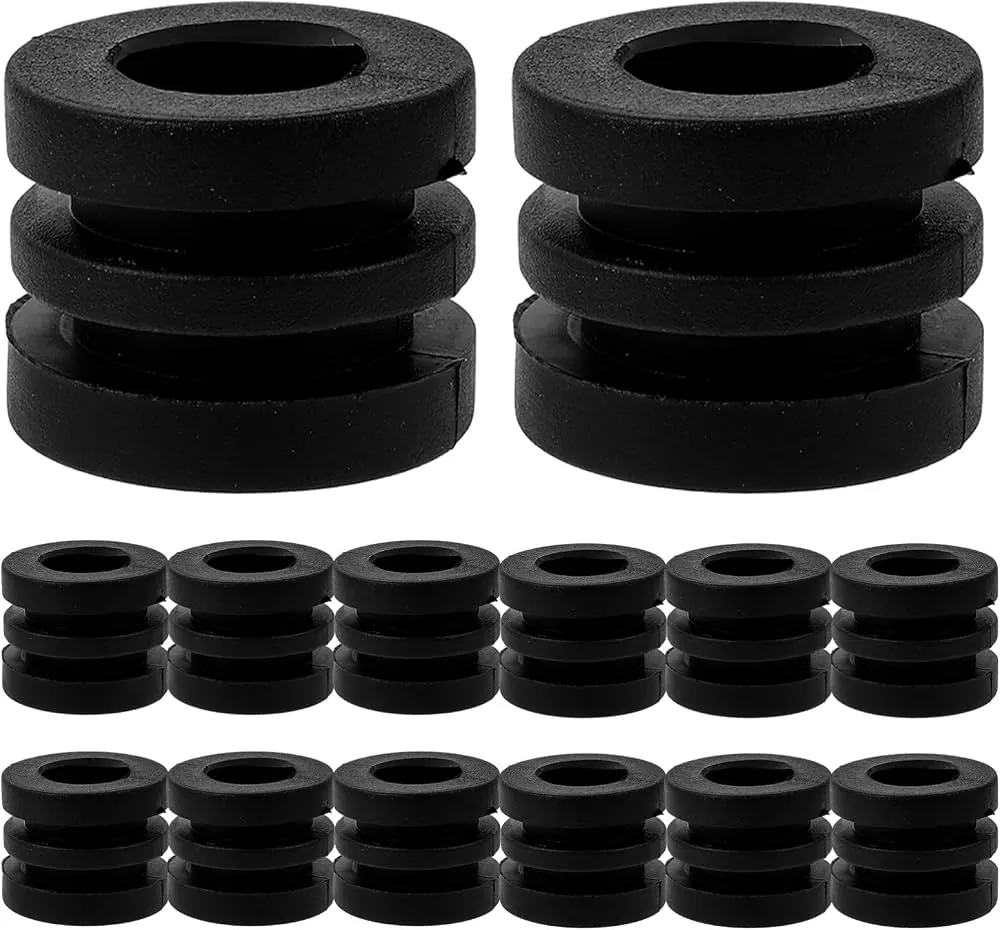
Regular maintenance extends the life of your foosball table and keeps it playing like new. Create a simple schedule to follow. Every month, clean the playing surface with a damp cloth and mild detergent. Vacuum the crevices around the goals and rails to remove dust and debris.
Every six months, inspect the bushings and bumpers for signs of wear. Lubricate the rods with a dry silicone spray to prevent sticking. Annually, check the tightness of all screws and bolts. Tighten any that have loosened due to vibration.
Keeping a log of maintenance activities can help you track when parts were last replaced. This is particularly useful if you buy a used table or inherit one. Knowing the history of the components helps anticipate future repairs. Store the table in a climate-controlled environment to prevent warping of the wood or expansion of plastic parts. Avoid direct sunlight, which can fade colors and weaken plastics over time.
Related guides
- Best Foosball Tables Under 500: Top 5 Picks in 2026
- How to Paint a Glass Table Top: A Step by Step Guide
- How to Dispose of Large Glass Table Top Panels Safely
Frequently Asked Questions
How often should I replace foosball bushings?
You should replace foosball bushings every one to two years with regular use. If you notice increased friction, wobbling rods, or unusual noises, replace them immediately. Heavy tournament play may require more frequent changes, while casual home use might extend the lifespan. Regular inspection is key to catching wear early.
Can I use universal bumpers on any table?
Universal bumpers are designed to fit most standard rod sizes, but they aren’t guaranteed to fit every model. Always measure your rod diameter and bumper groove width before purchasing. Some specialized tables require unique shapes or sizes. Checking the manufacturer’s specifications ensures proper fit and prevents loose or rattling figures during play.
What lubricant is best for foosball rods?
Silicone-based lubricants are the best choice for foosball rods. They provide smooth operation without attracting dust and dirt, which oil-based lubricants tend to do. Dry silicone sprays are particularly effective as they leave no residue. Apply sparingly to the rods and bushings to reduce friction and extend the life of the moving parts.
Why do my foosball figures keep falling off?
Figures fall off primarily due to worn or missing bumpers. If the bumper is cracked or loose, it can’t hold the figure securely. Additionally, damaged rod ends with burrs can prevent the figure from seating properly. Inspect both the bumper and the rod end for damage. Replacing the bumper or filing the rod smooth usually resolves the issue permanently.
Are OEM parts worth the extra cost?
OEM parts are worth the cost if you want a perfect fit and long-term reliability. They’re manufactured to exact specifications, ensuring optimal performance and ease of installation. Aftermarket parts are cheaper but may vary in quality and fit. For expensive or vintage tables, OEM parts preserve value and functionality. For budget repairs, high-quality aftermarket options are a viable alternative.
Conclusion
Inspect your table’s current state today. Identify any sticking rods or loose figures, measure your components, and order the correct foosball table replacement parts to restore peak performance.