
Replacing worn components on your foosball table is a practical way to extend the life of your game without buying a new unit. Whether you’re dealing with snapped rods, loose handles, or malfunctioning score counters, finding the right fit requires knowing your specific model and measuring carefully. Many players search for foosball table replacement parts score counters because these mechanical trackers often fail first due to constant clicking and friction. Understanding the types of counters available helps you choose between manual dials, digital displays, or simple magnetic markers that attach to the side rails.
Key Takeaways
- Measure rod diameter and length precisely before ordering any hardware to ensure a snug fit.
- Mechanical score counters require regular lubrication to prevent sticking and inaccurate tracking.
- Digital LED counters offer better visibility but may require battery replacements or wiring checks.
- Check manufacturer compatibility lists, as generic parts often don’t align with proprietary mounting systems.
- Keep spare screws and washers on hand, as vibration during play frequently loosens fasteners over time.
- Clean the counter mechanism with compressed air to remove dust buildup that impedes movement.
Why Score Counters Fail First
The score counter is one of the most heavily used components on a foosball table. Every point scored involves a physical click or a digital update, subjecting the mechanism to thousands of cycles. Over time, internal gears wear down, springs lose tension, or electronic contacts become oxidized. This wear leads to skipped numbers, stuck digits, or complete failure.
Unlike rods or figures, which can last years with minimal maintenance, score counter mechanisms demand more attention. If your counter stops working, it’s usually due to debris accumulation or mechanical fatigue rather than a single catastrophic event. Regular inspection can catch these issues early, preventing the need for full replacement until absolutely necessary.
Pro Tip: Inspect the counter mechanism every few months for visible dust or grime that could jam the gears or interfere with electronic sensors.
Types of Foosball Score Counters
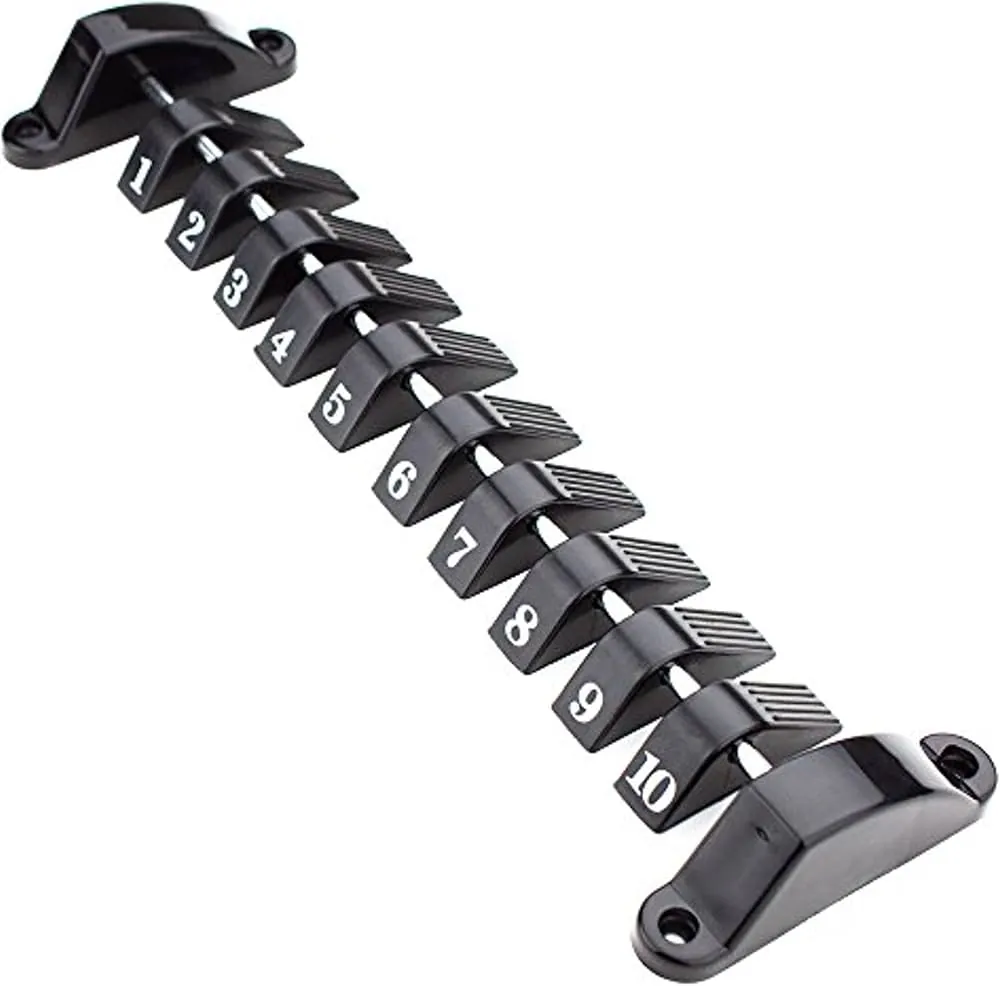
Not all score counters are created equal. Understanding the type installed on your table is crucial for finding the correct replacement. The three main categories are mechanical dial counters, flip-digit counters, and digital LED displays. Each has distinct advantages and maintenance requirements. Mechanical dials are robust and simple but can be hard to read in low light.
Flip-digit counters offer clear readability but have more moving parts that can break. Digital displays provide modern aesthetics and easy resetting but depend on power sources. Knowing which type you have narrows down your search significantly when looking for foosball table replacement parts.
| Counter Type | Mechanism | Pros | Cons |
|---|---|---|---|
| Mechanical Dial | Rotating wheel with numbers | Durable, no batteries needed | Hard to read from distance |
| Flip-Digit | Tumbling cards with numbers | Clear visibility, classic look | Complex mechanics, prone to jamming |
| Digital LED | Electronic display | Easy reset, bright display | Requires batteries/power, fragile |
Identifying Your Table Model
Before purchasing any part, you must identify your table’s make and model. Manufacturers like Hathaway, Garlando, and Franklin produce tables with unique dimensions and mounting styles. A counter designed for a standard 48-inch table will likely not fit a professional 56-inch model.
Look for a label on the underside of the table or near the control panel. This label typically contains the model number, serial number, and manufacturing date. Recording this information allows you to search specifically for compatible parts. Generic replacements often require modification, which can compromise the table’s structural integrity. Always prioritize OEM (Original Equipment Manufacturer) parts when possible to ensure perfect alignment and function.
Warning: Using non-OEM parts without verifying compatibility can void your warranty and cause further damage to the table frame.
Measuring for Replacement Parts
If you can’t find your model number, precise measurements are your next best option. For score counters, measure the width, height, and depth of the existing housing. Note the screw hole spacing and the type of mounting bracket used. For mechanical counters, check the gear size and the shaft diameter if it connects to a lever.
For digital units, note the voltage requirements and connector type. Use a caliper for accuracy, as even a millimeter difference can prevent installation. Write down all measurements clearly. When contacting suppliers, provide these details along with photos of the current setup. This reduces the risk of ordering incorrect parts and saves time on returns.
Sourcing High-Quality Components
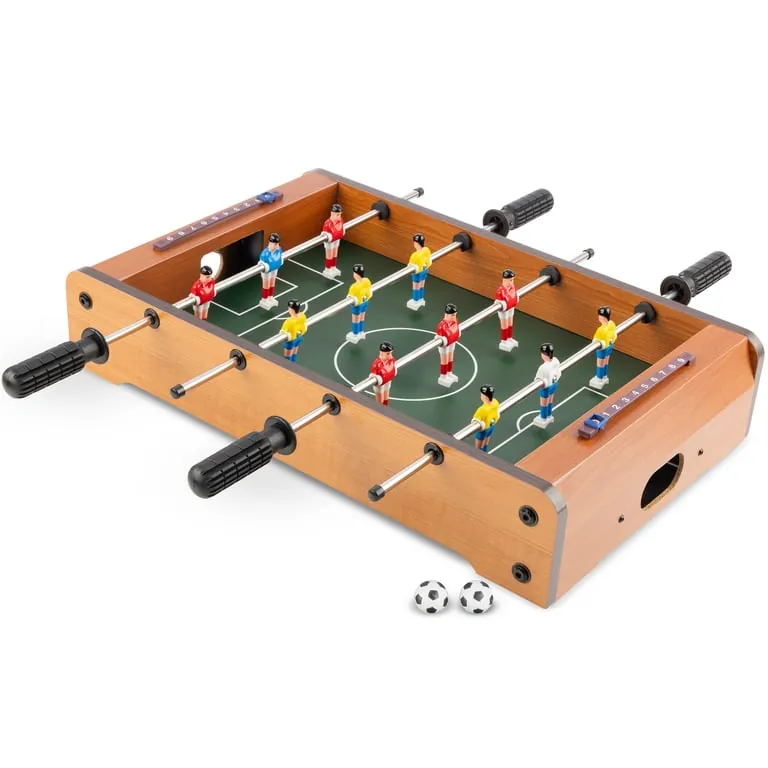
Finding reliable suppliers for foosball parts can be challenging. Online marketplaces offer variety but vary in quality. Specialized foosball retailers often carry genuine OEM parts and expert advice. Local pool halls or arcade supply stores may also stock common replacements. When sourcing score counter replacements, look for sellers with positive reviews and return policies.
Avoid cheap, unbranded alternatives unless they come with detailed specifications. Reputable brands often provide installation guides and customer support. Building a relationship with a specialized supplier ensures you get the right part the first time. They can also advise on common failure points for your specific model.
Pro Tip: Join online foosball communities or forums where enthusiasts share tips on reliable parts suppliers and DIY repair techniques.
Installing Mechanical Counters
Installing a mechanical score counter involves removing the old unit and securing the new one. Start by unscrewing the mounting brackets. Carefully disconnect any levers or linkages connected to the counter. Clean the mounting area to remove old adhesive or debris. Align the new counter with the screw holes and secure it firmly.
Reconnect any levers, ensuring they move smoothly without binding. Test the counter by clicking through several numbers. If it sticks, adjust the alignment or lubricate the gears lightly. Ensure the counter resets easily to zero. Proper installation prevents future jams and ensures accurate scoring during games.
Step-by-Step Installation Guide
- Remove old counter screws and detach linkage.
- Clean mounting surface thoroughly.
- Position new counter and mark screw holes.
- Secure counter with provided hardware.
- Reattach linkage and test movement.
- Lubricate gears if resistance is felt.
Installing Digital Counters
Digital counters require electrical connections. Before starting, ensure the table is unplugged if it has built-in lighting or power. Remove the old unit and note the wire colors and connector positions. Connect the new digital counter’s wires to the corresponding terminals. Match red to positive and black to negative, or follow the manufacturer’s diagram.
Secure the unit in place. Insert fresh batteries or connect to the power source. Turn on the unit and test the buttons. Ensure the display lights up clearly and resets correctly. If the display is dim, check battery placement or voltage settings. Digital units are sensitive to moisture, so keep them dry.
Troubleshooting Common Issues
Even after replacement, issues may arise. If the counter skips numbers, check for debris in the mechanism. Use compressed air to blow out dust. If a digital counter flickers, replace the batteries or check for loose wires. Stiff movement in mechanical counters indicates a need for lubrication.
Apply a small amount of silicone-based lubricant to the gears. Avoid oil-based lubricants, as they attract dirt. If the counter doesn’t reset, inspect the reset button or switch for damage. Persistent problems may indicate a defective unit. Contact the seller for a replacement if the issue persists after troubleshooting. Regular maintenance prevents most common failures.
| Issue | Possible Cause | Solution |
|---|---|---|
| Skipped Numbers | Debris in gears | Clean with compressed air |
| Flickering Display | Low battery/loose wire | Replace battery/check connections |
| Stiff Movement | Lack of lubrication | Apply silicone lubricant |
| No Reset Function | Broken switch/button | Replace switch or entire unit |
Maintaining Your Score Counter
Regular maintenance extends the life of your score counter. Wipe the exterior with a soft, dry cloth to remove fingerprints and dust. For mechanical counters, periodically check the gears for smooth operation. Add a drop of lubricant annually if needed. For digital counters, clean the screen with a microfiber cloth.
Avoid harsh chemicals that can damage the plastic casing. Store the table in a climate-controlled environment to prevent warping or electronic failure. Cover the table when not in use to protect against dust and spills. These simple steps keep your counter functioning reliably for years.
Cost of Replacement Parts
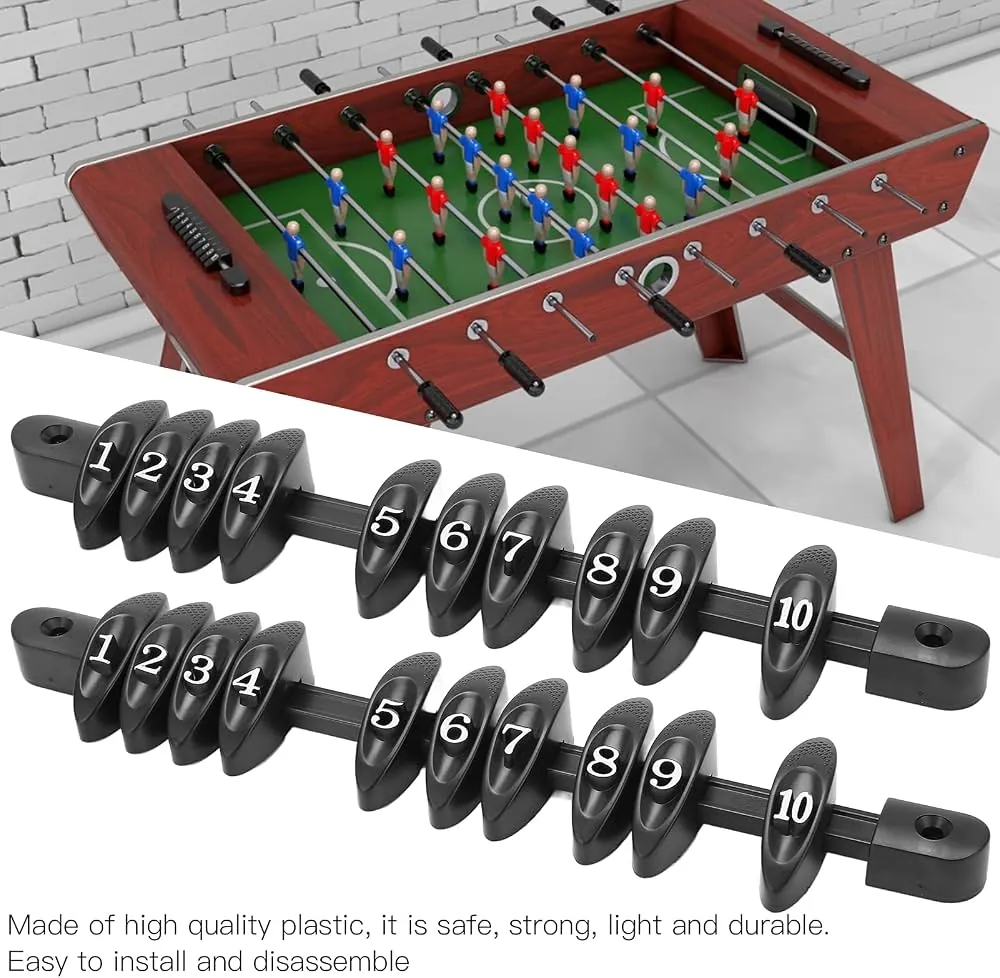
The cost of replacing a foosball score counter varies widely based on type and brand. Basic mechanical counters range from $10 to $30. Flip-digit models typically cost between $20 and $50. Digital LED counters are more expensive, ranging from $30 to $100 or more for high-end models. Labor costs apply if you hire a professional for installation.
DIY installation saves money but requires basic tools and patience. Factor in shipping costs when ordering online. Compare prices across multiple suppliers to find the best deal. Remember that cheaper parts may have shorter lifespans, leading to higher long-term costs. Investing in quality components ensures durability and consistent performance.
Related guides
- Best Foosball Tables Under 500: Top 5 Picks in 2026
- How to Paint a Glass Table Top: A Step by Step Guide
- How to Dispose of Large Glass Table Top Panels Safely
Frequently Asked Questions
How do I know which score counter fits my table?
Check your table’s model number, usually found on a label underneath. Search for parts compatible with that specific model. If the model is unknown, measure the counter housing dimensions and screw spacing precisely. Compare these measurements with product specifications from reputable suppliers to ensure a proper fit before purchasing.
Can I install a digital counter on an older mechanical table?
Yes, but it may require modifications. Digital counters often need a power source, such as batteries or a wired connection. You might need to drill holes for wiring or create a compartment for batteries. Ensure the new unit physically fits the mounting space. Consult installation guides or seek professional help if you’re unsure about electrical connections.
How often should I lubricate a mechanical score counter?
Lubricate mechanical counters once a year or if you notice stiff movement. Use a small amount of silicone-based lubricant on the gears. Avoid over-lubricating, as excess oil attracts dust and dirt, which can cause jams. Regular cleaning with compressed air helps maintain smooth operation between lubrication sessions.
Are universal score counters available for foosball tables?
Universal counters exist but often require adaptation. They may not align perfectly with your table’s mounting holes or linkage system. You might need to drill new holes or modify brackets. While convenient, universal parts may lack the durability and precise fit of OEM components. Consider them only if original parts are unavailable and you’re comfortable with minor modifications.
What causes digital score counters to stop working?
Common causes include dead batteries, loose wire connections, or water damage. Check the battery first and replace if necessary. Inspect wires for fraying or disconnection. If the counter was exposed to moisture, internal circuits may corrode. In such cases, replacement is often the only solution. Regularly check battery levels and keep the area dry to prevent premature failure.
Conclusion
Choosing the right replacement part ensures your foosball table remains a source of entertainment for years. By identifying your model, measuring accurately, and selecting quality components, you avoid frustration and wasted money. Maintenance is key to longevity, so keep your counters clean and lubricated.
Whether you prefer the simplicity of mechanical dials or the clarity of digital displays, there’s a solution for every table. Take the time to research and verify compatibility before buying. With careful attention, your game will stay sharp and competitive.