
Ooni, Gozney, and Alfa are widely considered the best brands of pizza ovens because they offer consistent heat retention and reach the high temperatures needed for authentic crusts. These companies specialize in portable and residential models that balance professional-grade performance with ease of use. Choosing the right one depends on your fuel preference, available outdoor space, and how often you plan to cook.
What are the best brands of pizza ovens for home?
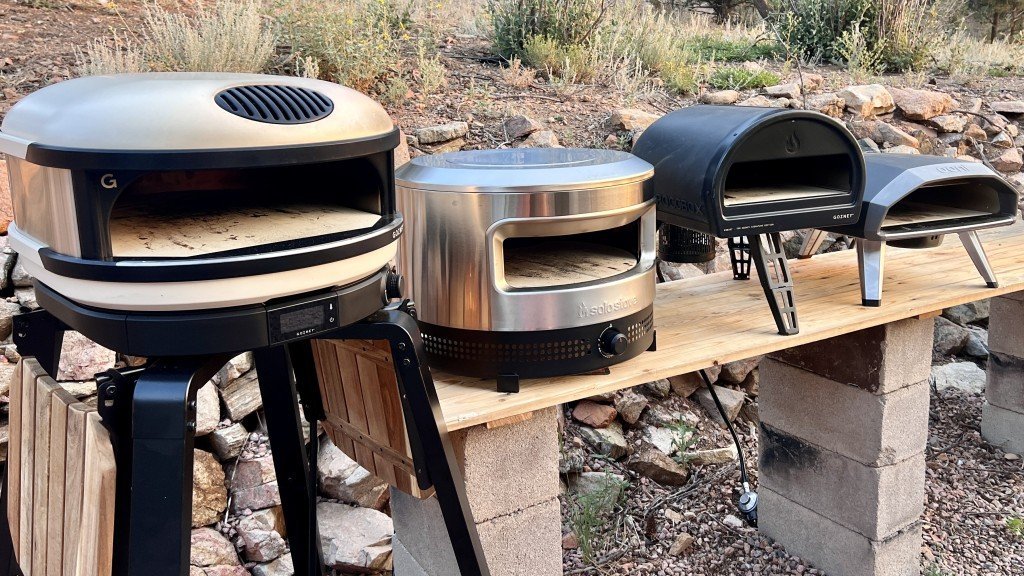
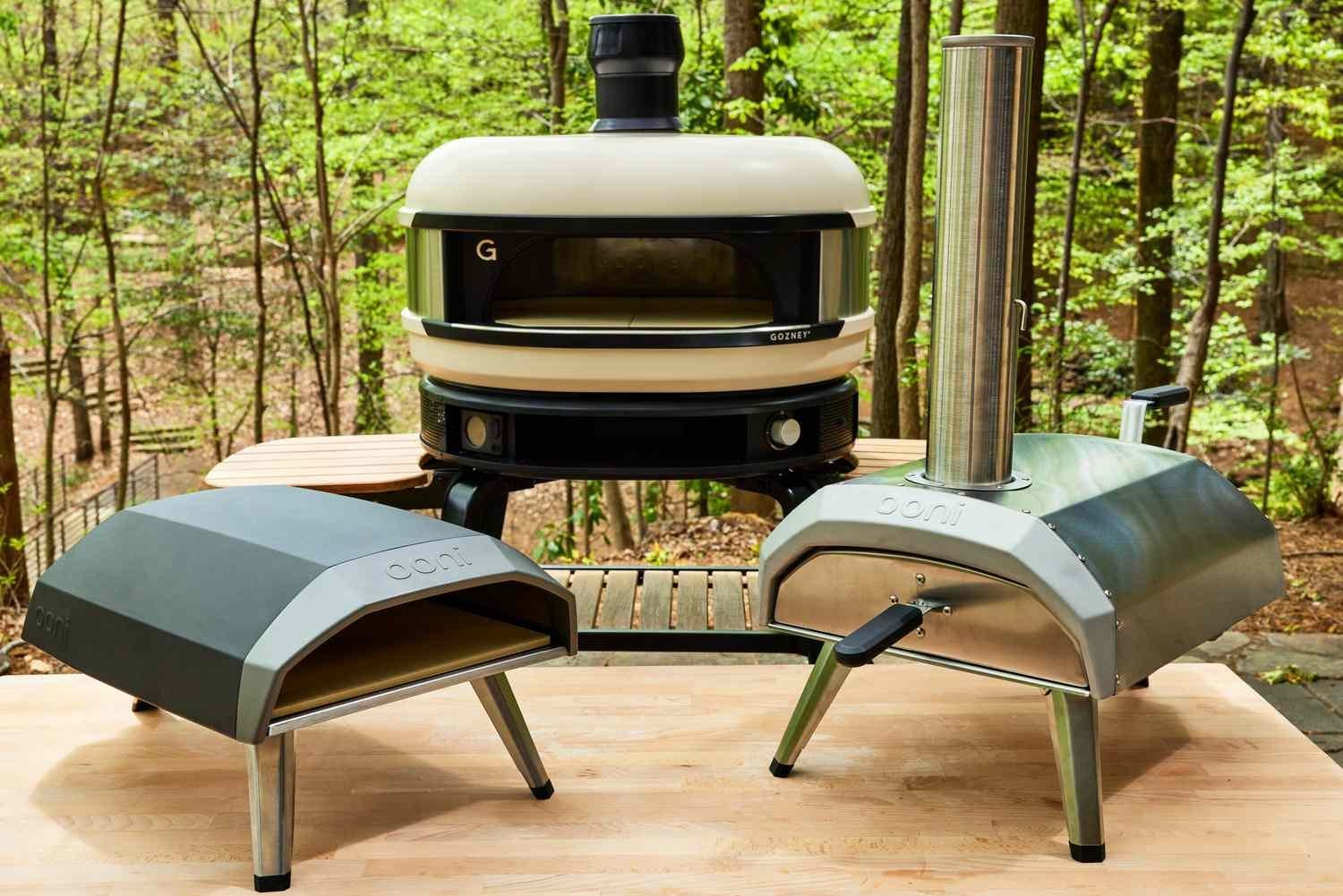
Ooni offers the widest range of portable, multi-fuel ovens suitable for beginners and small patio spaces. Their Karu line is the industry standard for versatility, allowing you to switch between wood and gas in under five minutes.
Gozney focuses on heavy-duty, insulated stone ovens that mimic the performance of traditional wood-fired commercial units. If you prioritize heat retention for back-to-back pizzas, choose their Dome model over lighter alternatives.
Alfa produces high-end, Italian-made stainless steel ovens that combine aesthetics with rapid heat-up times. These units reach 900°F in roughly 20 minutes, which is ideal for short weeknight sessions.
Bertello provides affordable, modular options for those who want to experiment with wood, charcoal, or gas fuels. Beginners often make the mistake of underestimating airflow, which leads to soot buildup.
Solo Stove features simple, stainless steel designs that are highly durable and easy to clean after each use.
Why these brands outperform the competition
The reason these manufacturers lead the market is their focus on structural insulation and airflow management. Authentic pizza requires intense heat, often reaching 900 degrees Fahrenheit, to achieve the leopard-spotted crust and quick cook time characteristic of Neapolitan pies. If an oven lacks proper thermal mass or ceramic fiber insulation, the stone cools down too quickly between pizzas, resulting in a soggy bottom rather than a crisp finish.
These brands engineer their fireboxes to create a rolling flame that sweeps across the ceiling of the oven. This heat reflection is what allows the top of the pizza to cook at the same speed as the base. Cheap alternatives often suffer from cold spots near the door or uneven heat distribution. When looking at professional-grade equipment, you should ensure the unit complies with local fire safety codes; for instance, the Underwriters Laboratories certification provides a standard for safety and performance in residential gas-burning appliances.
If you’re choosing between brands, look at the thickness of the cordierite or firebrick floor. Thicker stones hold heat longer, which is vital if you’re cooking for a large group. However, thicker stones also take longer to preheat. If you value speed, choose a model with a thinner stone and a high-output burner. If you prioritize consistent results over multiple hours, a heavier, insulated oven is the better investment.
When the answer is different
| Situation | What changes | What to do instead |
|---|---|---|
| Limited balcony space | Size and weight | Choose small portable gas units |
| Strict HOA rules | Fuel type | Use electric or gas models |
| Cold climate cooking | Insulation needs | Buy double-walled insulated ovens |
| Frequent travel | Portability requirement | Pick lightweight, folding leg models |
| Large family gatherings | Cooking surface area | Select wide-mouth, dual-burner ovens |
Most buyers fail by ignoring the heat retention difference between materials. If you live where temperatures drop below 50 degrees, thin stainless steel shells will bleed heat, forcing you to burn double the fuel for a single pizza. In these cases, prioritize a ceramic or cordierite-lined floor to stabilize your deck temperature.
If your HOA strictly prohibits propane tanks, don’t assume a pellet grill is a safe alternative. Many associations classify wood smoke as a nuisance, leading to immediate fines. These provide the necessary heat without the risk of a citation. Always verify your breaker capacity first; a 15-amp circuit may not handle a professional-grade electric oven, which often requires a dedicated 20-amp circuit to prevent tripping the breaker.
How to operate your oven correctly
- Level the surface: Place your oven on a non-combustible, flat surface. A slight tilt can cause uneven flames and potentially allow hot embers to spill out, which is a significant fire hazard.
- Preheat the stone: Ignite the burner and allow the stone to reach at least 750 degrees Fahrenheit. Use an infrared thermometer to verify the temperature in the center of the floor before launching your first pizza.
- Manage the flame: Keep the flame on high during the preheat phase.
- Rotate for evenness: After 60 seconds of cooking, use a metal peel to turn the pizza 180 degrees. This ensures the side closest to the flame doesn’t burn while the other side remains undercooked.
- Clean between pies: Use a long-handled brass brush to remove any charred flour or cheese remnants from the stone. These burnt bits can transfer an acrid, bitter taste to your next pizza.
- Cool down safely: Turn off the fuel source and leave the oven to cool naturally for at least two hours. Never use water to speed up the cooling process, as this will crack the stone.
The mistakes that ruin it
- Launching the pizza before the stone is fully heated, which results in a pale, doughy bottom.
- Using too much flour on the peel, which burns instantly and creates a bitter, black residue on the crust.
- Opening the oven door constantly to check on the progress, which allows vital heat to escape and ruins the internal temperature.
- Leaving the oven exposed to rain or snow without a cover, which can cause the internal insulation to absorb moisture and degrade.
Can I use a pizza oven inside my garage?
No, you should never use a wood or gas-fired pizza oven inside a garage or any enclosed space. These units produce carbon monoxide as a byproduct of combustion. Only use these ovens in well-ventilated, outdoor areas to prevent the buildup of dangerous gases. Always check your local fire ordinances regarding the minimum distance required from your home structure.
How long does a pizza oven take to preheat?
Most high-quality portable ovens take about 15 to 20 minutes to reach optimal temperature. This assumes you’re using the recommended fuel type for your specific model. If you’re using a wood-fired model, allow an extra 10 minutes for the wood to turn into a consistent bed of glowing embers before you begin cooking.
Is it safe to leave a pizza oven outside?
Yes, it’s safe to leave most modern ovens outside, provided you use a manufacturer-approved waterproof cover. Constant exposure to moisture can cause rust on steel components and damage the ceramic insulation over time. If you live in an area with extreme weather, storing the oven in a shed or garage during the winter will significantly extend its lifespan.
What happens if I use the wrong fuel?
Using a fuel source not specified by the manufacturer can clog the burner or create excessive soot. Gas ovens are calibrated for specific pressures, and using the wrong tank or regulator can be dangerous. Always check the manual for your specific model to see if it supports multiple fuels or if you must stick to one.
Does the stone need to be seasoned?
No, pizza oven stones don’t require seasoning like a cast iron skillet. You should keep the stone as clean as possible by brushing off loose debris between uses. Never use soap or water to clean the stone, as the porous material will absorb the liquid and potentially crack or shatter when heated again.
How often should I clean the burner?
You should inspect the burner for blockages at the start of every season or if you notice an uneven flame. Use a soft brush to gently clear any carbon buildup or debris from the ports. If you see a yellow flame instead of a crisp blue one, it indicates that the air intake might be blocked and needs cleaning.
Selecting the right equipment ensures you get the results you want without unnecessary frustration. Start by identifying your primary cooking environment, then match the fuel type and size to your specific needs. Proper maintenance of the stone and burner will keep your oven performing at its peak for years to come.
Related guides