
Thinking about new windows? It’s a big decision, and a costly one too.
Before you pick out that perfect style or get overwhelmed by quotes, let’s talk about what you really need to know. You might be surprised to learn there are crucial steps to take before you even think about ordering replacements.
Get this right, and you’ll save yourself time, money, and a whole lot of headaches. Ready to make the smartest choice for your home? Keep reading to find out exactly what to do before replacing your windows.

Credit: www.windowworldtampa.com
Assess Your Needs
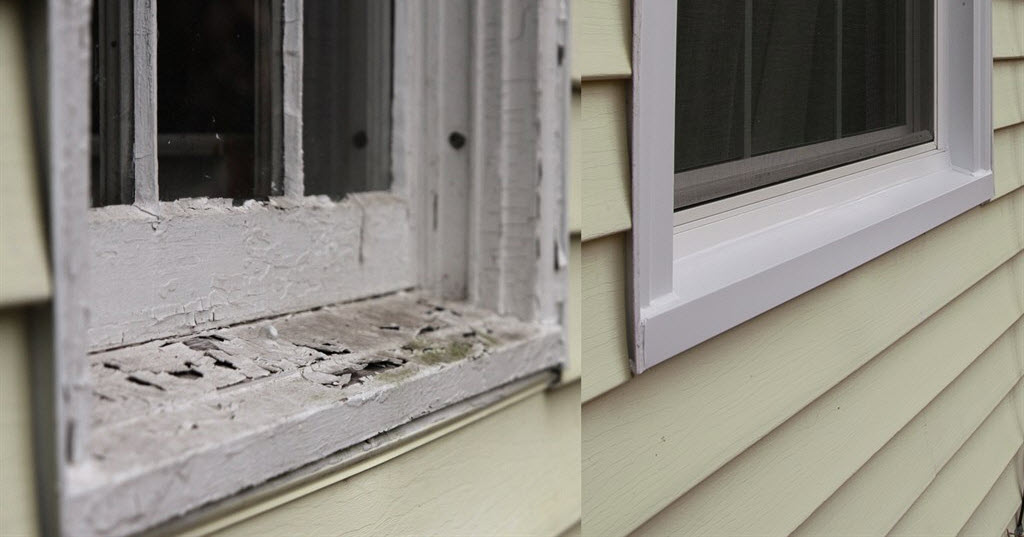
Credit: thebco.com
Window Types
Choosing the right window type is crucial. It impacts your home’s look. It affects energy use. It also influences comfort. Understanding your options helps you decide. This section explores key window types.
Material Options
Windows come in many materials. Vinyl is popular. It is affordable. It needs little upkeep. Wood offers a classic look. It adds warmth. Wood requires painting. It needs sealing. Aluminum is strong. It is durable. It is often used for modern homes. Fiberglass is a good choice. It is very strong. It resists weather well. Composite materials blend wood and plastic. They offer wood’s look. They have vinyl’s ease.
Style Choices
Window styles vary greatly. Double-hung windows are common. Both sashes move up. They slide down. Casement windows crank open. They swing outward. Awning windows are similar. They pivot open. They are hinged at the top. Picture windows do not open. They offer great views. They let in lots of light. Sliding windows glide sideways. They are easy to operate. Bay windows extend outward. They create a cozy nook. Bow windows curve gently outward. They offer panoramic views.
Energy Efficiency Ratings
Look for energy ratings. These ratings show performance. Energy Star is a good label. It means windows save energy. Look for the U-factor. A lower U-factor is better. It shows less heat loss. Consider the Solar Heat Gain Coefficient (SHGC). A lower SHGC blocks sun heat. This keeps homes cooler. The Visible Transmittance (VT) matters. Higher VT means more light. It means better views. These ratings help you save money. They make your home comfortable.
Choosing A Contractor
Finding the right contractor is key. Get multiple bids. Check references carefully. A good contractor makes window replacement smooth.
Choosing the right contractor is very important. This decision impacts your project’s success. A good contractor makes the process smooth. A bad one causes headaches. Take your time. Do your homework.Get Multiple Quotes
Always get several estimates. Don’t settle for the first one. Ask at least three different companies. Compare their prices carefully. Look beyond just the lowest cost. Understand what each quote includes. Some may offer different materials. Some may have different labor costs. This helps you find fair pricing.Check Licenses And Insurance
Verify contractor licenses. Ensure they are valid. Ask about their insurance. They need liability insurance. They need worker’s compensation. This protects you from risks. It covers accidents on your property. A licensed and insured contractor is professional. It shows they are serious about their work.Read Reviews And Ask For References
Search for online reviews. Look at customer feedback. See what others say about their work. Ask contractors for references. Speak with past clients directly. Inquire about their experience. Were they happy with the job? Did the project finish on time? Did it stay within budget? This provides real insights.
Credit: gealanwindows.com
The Replacement Process
Understanding the window replacement process is key. It ensures a smooth experience. You will know what to expect. This knowledge eases your mind. It prevents costly mistakes. Let’s explore the steps involved.
Measure Your Windows
Accurate measurements are vital. They ensure a perfect fit. Old windows may be uneven. Measure the width first. Then measure the height. Always measure inside the frame. Get three measurements for each. Width at the top, middle, and bottom. Height on the left, center, and right. This prevents ordering errors. A good fit means better performance. It also means easier installation.
Understand The Warranty
Warranties offer protection. They cover manufacturing defects. They can also cover installation. Read the warranty details carefully. Know what is covered. Know for how long. Understand the claim process. A good warranty gives peace of mind. It protects your investment. Ask questions about it. Make sure you are clear. This avoids future problems.
Prepare Your Home
Your home needs prep work. Clear the area around windows. Remove curtains and blinds. Cover furniture nearby. Protect floors with drop cloths. This guards against dust and debris. It makes cleanup easier. Keep pets and children away. The work area must be safe. Preparing your home saves time. It also protects your belongings.
Permits And Regulations
Before you buy new windows, check rules. Permits and regulations matter greatly. Ignoring them causes big problems. Understand local rules first. This avoids costly mistakes later.
Local Building Codes
Your town has building rules. These rules protect your home. They ensure safety and quality. New windows must meet these standards. Your contractor knows these codes. Ask them about compliance.
Hoa Requirements
Homeowners associations have rules. These rules cover exterior changes. They might dictate window style. They could specify material types. Check your HOA handbook. Get approval before you start.
Financing Your Project
Replacing windows is a big home improvement. It costs money. You need a plan for paying for it. This section helps you do that. It covers your financing options. Understand your choices. Make smart financial decisions.
Loans And Leases
Many lenders offer home improvement loans. These loans help pay for new windows. You borrow money. You pay it back over time. Interest applies. Some companies offer lease-to-own programs. You pay monthly. You own the windows later. Compare interest rates carefully. Understand all terms.
Tax Credits And Rebates
Governments offer incentives. These can lower your costs. Look for federal tax credits. Many states have rebates too. Energy-efficient windows often qualify. Check your local utility company. They may offer rebates. These programs save you money. Act quickly. Programs can end.