
Have you ever wondered what happens to the wastewater from your home after it leaves your bathroom or kitchen? Understanding this can save you from costly repairs and unexpected headaches.
A key part of that process is something called a sewer lateral. But what exactly is a sewer lateral, and why should you care about it? You’ll discover how this hidden pipe affects your home’s plumbing, what signs to watch for if it’s damaged, and how knowing about it can protect your property and your wallet.
Keep reading to get the clear, simple answers you need.
Credit: developmentpermits.mountainview.gov
Sewer Lateral Basics
Sewer lateral basics help you understand a key part of home plumbing. This small pipe plays a big role in moving wastewater away from your house. Knowing about it can save time and money on repairs.
Below, find simple explanations about what a sewer lateral is and where it sits in your plumbing system.
Definition And Purpose
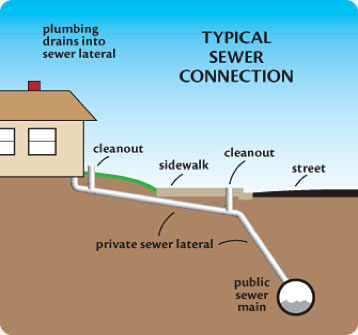
A sewer lateral is a pipe that connects your home’s plumbing to the main sewer line. It carries wastewater from toilets, sinks, and drains out to the city sewer or septic system. Its main job is to keep waste flowing smoothly away from your home.
This pipe is usually underground and made from materials like PVC, clay, or cast iron. It must be strong and leak-proof to avoid backups and damage.
Location In Home Plumbing
The sewer lateral starts at the point where your home’s drain pipes meet. This spot is often near the foundation or basement. From there, the pipe runs underground until it reaches the municipal sewer line or septic tank.
Because it lies outside or below your home, it is harder to inspect and fix. Problems in the sewer lateral can cause slow drains, bad smells, or sewage backups inside your house.
Materials Used For Sewer Laterals
Sewer laterals connect a home’s plumbing to the main sewer line. Choosing the right material for sewer laterals is very important. Different materials affect the pipe’s strength, durability, and cost. Understanding common materials helps homeowners and plumbers make better choices.
Common Pipe Types
Clay pipes were common long ago. They resist chemicals but break easily. Cast iron pipes are strong and last long. They resist crushing but may rust over time. PVC pipes are popular today. They are lightweight, cheap, and easy to install. ABS pipes are similar to PVC but darker. Concrete pipes are used in larger systems. They are strong but heavy and hard to work with.
Durability And Lifespan
Clay pipes can last 50 years but crack easily. Cast iron pipes last 75 years or more but rust. PVC pipes last 50 to 100 years and resist corrosion. ABS pipes also last long but can get brittle in cold. Concrete pipes last decades but may crack under pressure. Choosing a durable material reduces repair needs.
Signs Of Sewer Lateral Problems
Knowing the signs of sewer lateral problems can save you time and money. Early detection helps prevent bigger issues in your home. Watch for these common warning signs to keep your plumbing in good shape.
Drainage Issues
Slow drains are a clear sign of trouble. Water may pool in sinks or tubs. Multiple drains clogging at once often point to a sewer lateral problem. This happens when the pipe is blocked or damaged. Fixing this early avoids costly repairs later.
Unpleasant Odors
A bad smell near your home can mean sewer issues. Sewage gases escape through cracks or breaks in the lateral pipe. This smell is strong and foul. It often comes from the yard or basement. Don’t ignore these odors; they signal a problem underground.
Water Backup
Water backing up into your home is a serious sign. Toilets, sinks, or showers may overflow. This happens when the sewer lateral is clogged or broken. Backup causes damage and creates health hazards. Immediate action is needed to fix the issue.
Causes Of Sewer Lateral Damage
Sewer laterals face many threats that can cause damage over time. Understanding these causes helps protect your plumbing and avoid costly repairs. Damage often starts small but can lead to serious blockages or leaks.
Several factors contribute to sewer lateral damage. Some happen naturally, while others come from nearby activities or environmental changes. Identifying these causes helps homeowners take early action.
Tree Root Intrusion
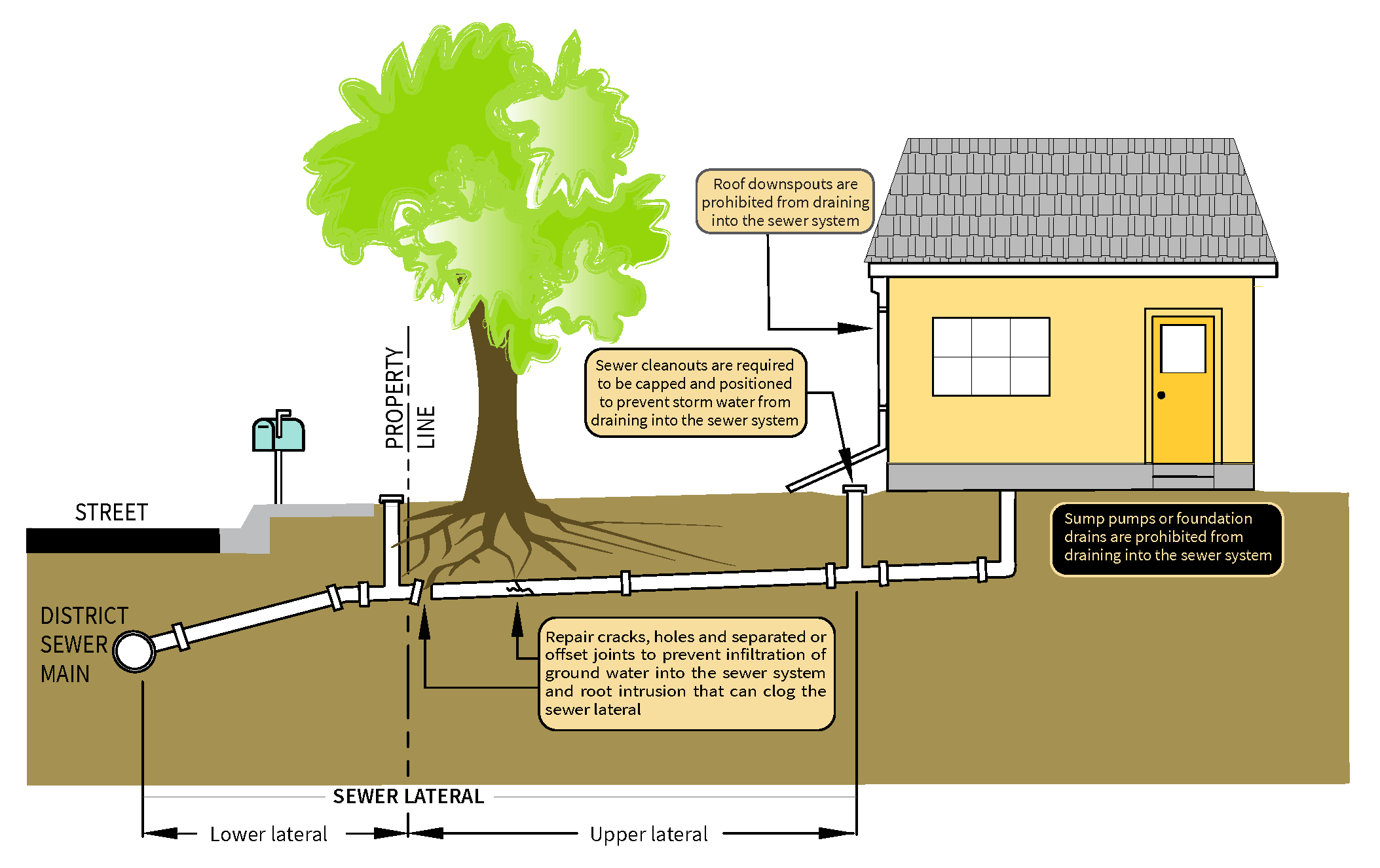
Tree roots search for water and nutrients underground. Sewer laterals provide a moist environment that attracts roots. Once roots find a crack or joint, they grow inside the pipe. This growth blocks the flow and can crack or break pipes further.
Pipe Corrosion And Wear
Pipes made from older materials corrode over time. Chemicals in wastewater can wear down pipe walls. Constant use also causes joints to weaken. Corrosion leads to leaks, cracks, and eventual pipe failure. Regular inspections catch early signs of wear.
Ground Shifting And Pressure
Soil moves naturally due to weather and construction. Heavy machinery or nearby digging can shift the ground. This pressure bends or cracks sewer laterals. Even small movements can misalign pipes and cause leaks. Proper installation and soil support reduce risks.
Inspection And Diagnosis
Inspection and diagnosis are key steps in understanding the condition of a sewer lateral. These steps help find problems like blockages, cracks, or root intrusion. Early detection saves money and prevents big repairs later. Professionals use special tools and methods to examine the pipes thoroughly.
Video Camera Inspections
Video camera inspections use small cameras attached to flexible cables. The camera moves inside the sewer lateral, sending live images to a monitor. This method shows the exact location and type of damage or blockage. It helps plumbers see inside pipes without digging up the ground. The process is quick and causes little disruption to your property.
Professional Plumbing Assessments
Professional plumbers assess the sewer lateral based on inspection results. They check for leaks, cracks, and pipe deterioration. The assessment includes evaluating pipe materials and age. Experts can suggest repair or replacement options. Their advice ensures your sewer lateral works properly and lasts longer.
Repair And Replacement Options
Repairing or replacing a sewer lateral is important to keep your home’s plumbing working well. Damage can cause leaks, blockages, and bad smells. There are different ways to fix or replace a sewer lateral. Some methods are less invasive and faster, while others may require digging. Understanding your options helps you choose the best solution for your needs and budget.
Trenchless Repair Methods
Trenchless repair is a modern way to fix sewer laterals. It avoids digging large trenches in your yard. Instead, it uses small holes to access the pipe. A flexible liner is inserted inside the damaged pipe. This liner hardens and forms a new pipe within the old one. Trenchless repairs take less time and cause less damage to your property. This method works well for small cracks and leaks.
Traditional Excavation
Traditional excavation means digging up the pipe to repair or replace it. Workers remove soil above the damaged sewer lateral. They then cut out the broken pipe section and install a new one. This method is more invasive and takes longer. It may cause damage to landscaping or driveways. Excavation is best for severe damage or when the pipe is too old for trenchless repair.
Cost Considerations
Cost depends on the repair method and pipe condition. Trenchless repairs usually cost less because they require less labor and restoration. Excavation costs more due to digging and fixing the yard afterward. The size and location of the sewer lateral also affect the price. Always get multiple quotes from professionals before deciding. Weigh the cost against the benefits and disruption each method causes.
Maintenance Tips For Sewer Laterals
Maintaining sewer laterals helps avoid costly repairs and blockages. Small efforts keep the system working well and prevent sewage backups. Simple habits protect pipes and save money over time.
Regular Inspection Schedule
Set a routine to check your sewer lateral every year. Use a professional camera inspection to find cracks or blockages early. Catching problems early stops bigger damage later. Keep records of each inspection for future reference.
Preventing Clogs And Damage
Avoid flushing items like wipes, grease, or large solids down drains. These cause clogs and harm pipes. Plant trees far from sewer lines to prevent root intrusion. Use drain screens to catch hair and debris. Clean drains regularly to keep water flowing freely.
Credit: www.buildingincalifornia.com
Legal And Environmental Factors
Sewer laterals connect a home’s plumbing to the city sewer system. These pipes carry wastewater away. Legal and environmental factors play a big role in how these laterals are installed and maintained. Understanding these rules can help avoid fines and protect the environment.
Local Regulations
Local governments set rules for sewer lateral installation and repair. These rules vary by city or county. Homeowners must follow permits and inspections. Some areas require periodic inspections to prevent leaks and blockages. Ignoring local laws can lead to fines or forced repairs. Knowing these rules keeps your property safe and legal.
Impact On Property Value
A well-maintained sewer lateral can increase property value. Buyers want assurance that plumbing is reliable. Problems with the sewer lateral can lower home value. A damaged lateral may cause costly repairs and health risks. Regular checks and repairs show good home care. This boosts buyer confidence and protects your investment.
Credit: www.sonomawater.org
Frequently Asked Questions
What Is A Sewer Lateral Pipe?
A sewer lateral pipe connects a building’s drain to the main sewer line. It carries wastewater away from your home. It is an important part of your plumbing system.
How Long Does A Sewer Lateral Last?
Sewer laterals usually last 50 to 100 years, depending on material. Clay pipes last shorter; PVC pipes last longer. Proper maintenance can extend their life.
Who Is Responsible For Sewer Lateral Repairs?
Homeowners typically pay for sewer lateral repairs on their property. The city or municipality handles the main sewer line. Check local rules for exact responsibilities.
What Causes Sewer Lateral Blockages?
Blockages happen due to tree roots, grease buildup, or pipe damage. Old or broken pipes are also common causes. Regular inspection helps prevent blockages.
How Can I Tell If My Sewer Lateral Is Damaged?
Signs include slow drains, bad odors, and wet spots in your yard. Frequent backups or sewage smells inside the home also indicate damage. A camera inspection confirms the issue.
Can Sewer Lateral Problems Affect My Home’s Value?
Yes, damaged sewer laterals can lower your property value. Buyers worry about repair costs and plumbing issues. Fixing problems before selling is wise.
What Materials Are Sewer Laterals Made From?
Common materials include clay, cast iron, and PVC pipes. PVC is popular for new installations due to durability. Older homes often have clay or cast iron pipes.
Conclusion
A sewer lateral connects your home’s plumbing to the main sewer line. It plays a key role in moving wastewater away safely. Knowing its function helps you keep your system in good shape. Regular checks can prevent costly repairs later on.
Understanding the sewer lateral also makes it easier to explain issues to a plumber. Keep an eye on it to avoid surprises. Simple care goes a long way in protecting your home and health.