
Are you ready to give your kitchen a quick, affordable makeover? Installing cabinet hardware is one of the easiest ways to transform the look and feel of your space.
But if you’ve never done it before, the task might seem overwhelming. Don’t worry—this guide will walk you through each step clearly and simply. By the end, you’ll have the confidence to update your cabinets like a pro, adding style and function that you’ll love every day.
Keep reading to discover how to install kitchen cabinet hardware quickly and perfectly.
Choosing The Right Hardware
Choosing the right hardware for your kitchen cabinets affects both look and function. The right knobs and pulls make opening doors easier. They also match your kitchen style. This section covers types, materials, finishes, and measuring tips. These details help pick hardware that fits perfectly.
Types Of Cabinet Hardware
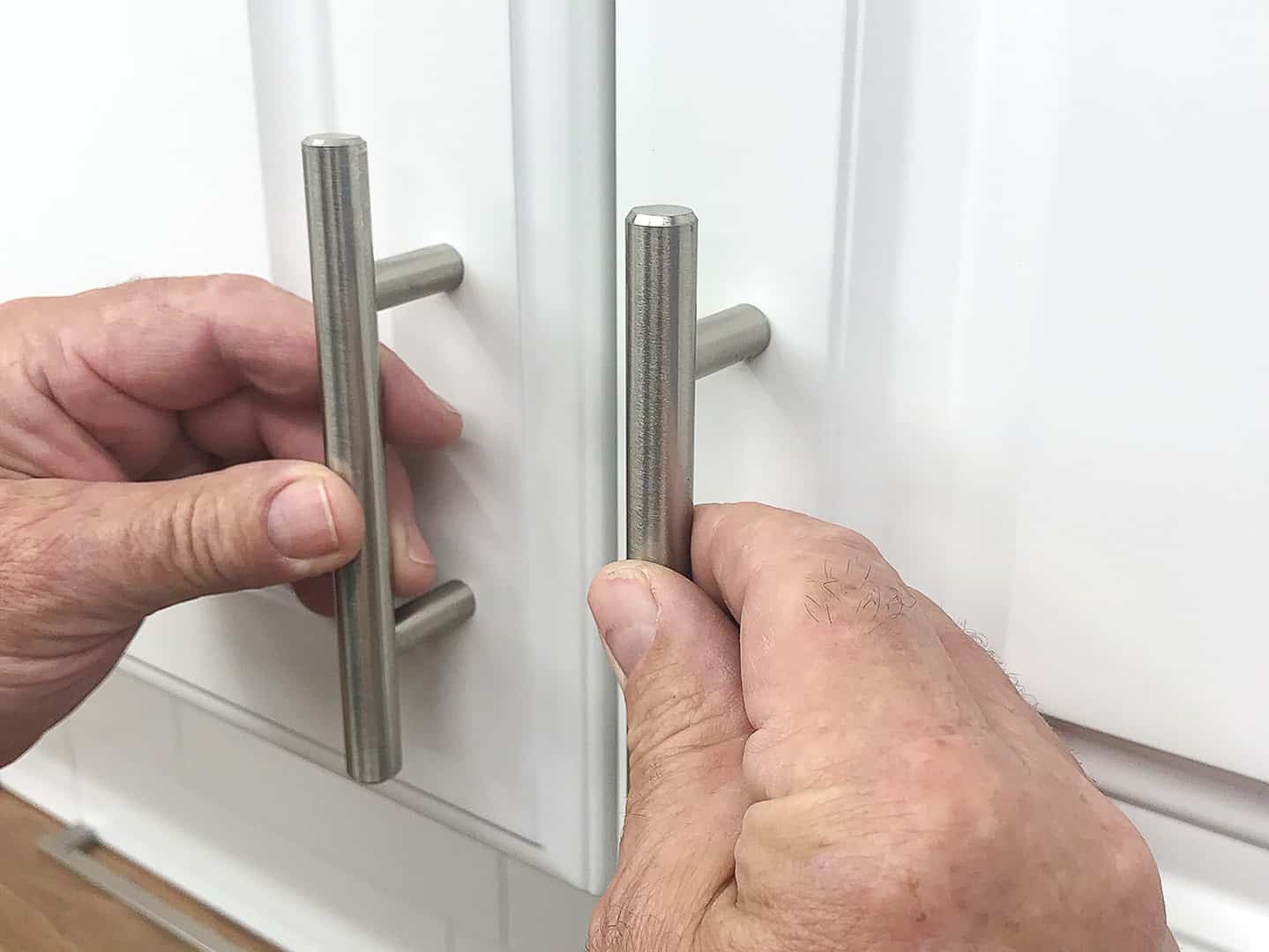
Cabinet hardware includes knobs, pulls, and handles. Knobs are small and round. They fit one finger. Pulls are longer and easier to grab. Handles offer a firm grip. Choose types that feel comfortable to use. Match them to your cabinet design.
Materials And Finishes
Hardware comes in many materials like metal, plastic, and wood. Metal options include brass, stainless steel, and bronze. Finishes affect color and shine. Matte finishes hide fingerprints. Shiny finishes add brightness. Pick materials and finishes that suit your kitchen’s theme and resist wear.
Measuring For Hardware
Measure carefully before buying hardware. Check the distance between screw holes. This is called the “center-to-center” measurement. Use a ruler or tape measure. Measure twice to avoid mistakes. Proper measurements ensure easy installation and a clean look.

Credit: doorsforpros.com
Gathering Tools And Supplies
Gathering the right tools and supplies is the first step to install kitchen cabinet hardware. This stage sets the tone for a smooth and successful project. Having everything ready saves time and reduces frustration. It also ensures the hardware fits and functions properly.
Essential Tools Needed
Start with a measuring tape to get exact distances for hardware placement. A pencil helps mark spots for drilling holes. Use a drill with drill bits sized for your screws. A screwdriver, either manual or electric, is necessary to fasten the hardware.
A level is useful to keep handles and knobs straight. A ruler or straight edge can assist with alignment. You might need a small wrench or pliers for some hardware types. Keep extra screws and anchors handy in case some don’t fit well.
Preparing Your Workspace
Clear the kitchen area around the cabinets. Remove any items that could get in your way or fall. Cover countertops and floors with a drop cloth or old sheet. Good lighting is important for accuracy and safety.
Arrange your tools and supplies within easy reach. Set up a small table or workbench nearby to hold hardware pieces. Make sure your drill and screwdriver have charged batteries or fresh power. A tidy workspace helps you focus and work faster.
Preparing Cabinets For Installation
Preparing your kitchen cabinets before installing hardware is a key step. This preparation helps ensure a smooth and successful installation. Taking time now can prevent mistakes and damage later.
Start by making sure the cabinet surfaces are clean and in good shape. Next, mark the exact points where the hardware will go. This careful planning makes the installation easier and more accurate.
Cleaning And Inspecting Surfaces
Clean cabinet doors and drawers with a soft cloth and mild soap. Remove all dirt, grease, and dust. Dry the surfaces completely before moving on.
Check for any damage or loose parts. Tighten screws or fix cracks if needed. Smooth surfaces help the hardware stick better and last longer.
Marking Placement Points
Measure carefully to find where the hardware will sit. Use a pencil to mark spots for handles or knobs. Double-check these marks for accuracy.
Keep marks light so they can be erased later. Using a template can help keep spacing even. Correct placement ensures the hardware looks good and works well.
Credit: truepositiontools.com
Installing Knobs And Pulls
Installing knobs and pulls on kitchen cabinets gives your kitchen a fresh, updated look. It also makes your cabinets easier to open and close. The process is simple and requires just a few tools. Careful measuring and proper installation make the hardware last longer and look better. Follow these steps for a smooth installation experience.
Drilling Holes Accurately
Measure twice, drill once. Mark the exact spot where the knob or pull will go. Use a tape measure and pencil for accuracy. Place a small piece of painter’s tape over the mark to prevent the drill from slipping. Use a drill bit that matches the screw size. Drill straight and slow to avoid splitting the wood.
Attaching Hardware Securely
Align the knob or pull with the drilled hole. Insert the screw from inside the cabinet door or drawer. Tighten the screw by hand first to avoid cross-threading. Use a screwdriver to secure the hardware firmly. Avoid over-tightening to prevent damage to the cabinet or hardware. Check that the knob or pull does not wiggle before finishing.
Handling Common Challenges
Installing kitchen cabinet hardware can bring unexpected challenges. These issues might slow down the process or affect the final look. Handling common problems early saves time and keeps your cabinets looking great.
Simple fixes and careful adjustments make a big difference. Knowing how to fix misaligned hardware or deal with uneven surfaces helps you finish your project smoothly.
Fixing Misaligned Hardware
Misaligned hardware happens when holes do not line up. This can make handles or knobs look crooked. Use a level to check alignment before screwing in hardware. Mark spots lightly with a pencil to guide placement. If holes are off, fill them with wood filler. Let it dry, then drill new holes in the correct spots. Tighten screws slowly, adjusting as needed to keep hardware straight.
Dealing With Uneven Surfaces
Uneven cabinet surfaces make hardware sit oddly. This can cause handles to wobble or not close properly. Sand the surface gently to smooth bumps or rough spots. Use shims behind hardware to create an even base. Choose longer screws if needed for better grip. Test hardware fit frequently during installation. Fixing uneven surfaces ensures your cabinets look neat and work well.

Credit: www.youtube.com
Maintaining Your Cabinet Hardware
Maintaining your kitchen cabinet hardware keeps your kitchen looking fresh and new. Regular care prevents wear and tear. It also extends the life of handles and knobs. Small efforts help avoid costly repairs or replacements. Simple steps keep everything working smoothly.
Cleaning Tips
Clean your cabinet hardware often to stop dirt build-up. Use a soft cloth and mild soap. Avoid harsh chemicals that can damage finishes. Dry hardware completely after cleaning. This prevents water spots and rust. For tough grime, use a toothbrush gently. Regular cleaning keeps hardware shiny and attractive.
Tightening Loose Pieces
Loose handles and knobs cause frustration and damage. Check screws regularly and tighten with a screwdriver. Do not overtighten as it may strip the screw hole. If screws keep loosening, add a small drop of glue inside the hole. This holds screws firmly in place. Tight hardware feels solid and works better.
Frequently Asked Questions
What Tools Do I Need To Install Kitchen Cabinet Hardware?
You need a drill, screwdriver, measuring tape, pencil, level, and hardware screws. These tools ensure precise and secure installation of cabinet handles and knobs.
How Do I Measure For Cabinet Hardware Placement?
Measure from the cabinet edge to the desired hole location. Use a template or ruler for accuracy. Consistent measurements ensure aligned hardware.
Can I Install Cabinet Hardware Without Drilling?
Yes, adhesive or magnetic hardware options exist. However, they may be less durable and secure than drilled installations.
How Do I Prevent Cabinet Hardware From Loosening?
Use the correct screw length and tighten screws firmly. Adding thread locker or washers can also help maintain stability.
Conclusion
Installing kitchen cabinet hardware can be simple and quick. Follow the steps carefully and take your time. Use the right tools for better results. Measure twice to avoid mistakes. New hardware can change your kitchen’s look instantly. Enjoy the satisfaction of doing it yourself.
Your kitchen will feel fresh and updated. Keep your cabinets functional and stylish. Try it today and see the difference.