
Finding the right foosball table replacement parts can save you from buying an entirely new unit, but it requires knowing exactly which components have failed and where to source compatible replacements. Whether your rods are bent, your handles are cracked, or your goals are missing, identifying the specific part number or dimension is the first critical step. Most standard tables share common rod diameters and handle types, making universal replacements widely available. However, premium brands often use proprietary fittings that require brand-specific kits. Understanding these distinctions prevents wasted money on incompatible pieces. This guide breaks down every major component, explains how to diagnose wear, and provides a clear roadmap for sourcing durable fixes that restore playability without breaking the bank.
Key Takeaways
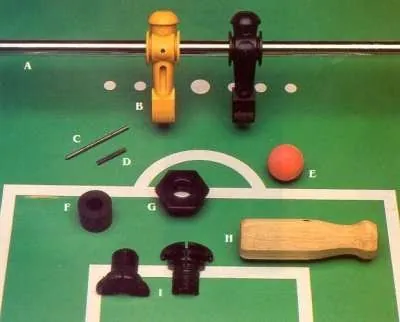
- Measure rod diameter precisely with calipers; most standard tables use 1/2-inch or 5/8-inch rods, while premium models often use 7/8-inch or 1-1/8-inch sizes.
- Identify your bearing type before purchasing; ball bearings offer superior speed, while bushings are cheaper and easier to install for beginners.
- Check handle compatibility by measuring the grip circumference and verifying if the stem is threaded or smooth-shafted.
- Source parts from specialized retailers like Foosball Parts Direct or Amazon sellers who specify exact model compatibility to avoid fitment issues.
- Lubricate rods and bearings regularly with dry Teflon spray to prevent rust and maintain smooth rotation during gameplay.
- Inspect the playing field surface for warping; minor dips can be leveled with shims under the legs, but severe warping may require professional repair.
Diagnosing Common Failures
Before ordering anything, you must accurately identify what is broken. Many players assume a rod is bent when the issue is actually a loose coupling nut or a warped frame. Start by removing the end caps and inspecting the rod alignment.
If the figures wobble excessively during rotation, the problem is likely in the bearings or bushings rather than the rod itself. Listen for grinding noises; this indicates worn-out ball bearings or dried-out lubricant. Visual inspection of the handles reveals cracks or stripped threads, which compromise grip and control.
Check the coupling nuts at both ends of each rod. These small metal connectors hold the rod to the table frame. If they’re loose, tighten them with pliers. If the threads are stripped, the nut needs replacement. A stripped nut causes the rod to spin independently of the figures, rendering the team useless. Also, examine the playing surface.
If the ball bounces unpredictably, the wood may be warped due to humidity changes. Use a straight edge across the table to detect any significant dips or rises. Accurate diagnosis ensures you buy the correct fix, avoiding unnecessary returns and delays.
Essential Rod Components
The rods are the backbone of your foosball table. They connect the handles to the player figures and must remain perfectly straight and rigid. When a rod bends, it usually results from excessive force during aggressive play or accidental impact.
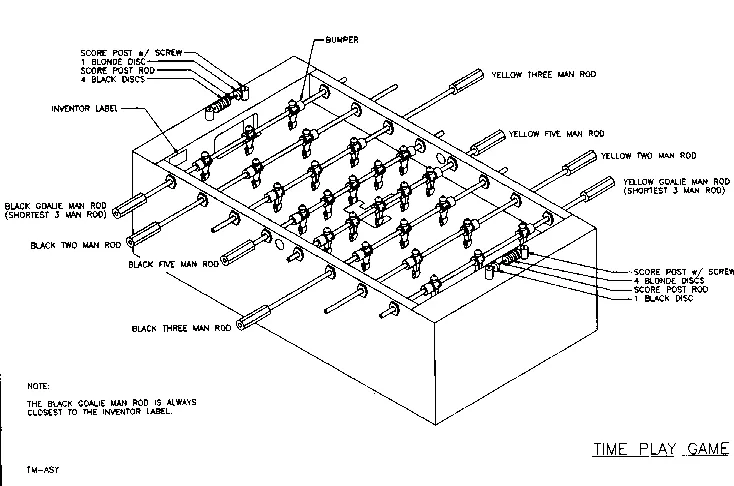
Replacing a rod involves disassembling one end of the table, sliding out the old rod, and inserting the new one. You’ll need to match the rod length and diameter exactly. Standard lengths vary by position: goalie rods are shortest, followed by defense, midfield, and attack rods.
Most budget-friendly tables use 1/2-inch diameter rods, while mid-range models often feature 5/8-inch rods for added durability. High-end tournament tables frequently utilize 7/8-inch or even 1-1/8-inch rods to minimize flex and improve responsiveness. When purchasing, ensure the new rod has the correct threading or smooth finish to match your existing couplings.
Some rods come pre-assembled with figures, which simplifies installation but increases cost. Others are sold as bare shafts, requiring you to transfer your existing figures or buy new ones separately. Always verify the material; stainless steel is preferred for its resistance to rust and corrosion compared to plain carbon steel.
| Rod Position | Typical Length (Inches) | Common Diameter | Function |
|---|---|---|---|
| Goalie | 6–8 | 1/2″ – 5/8″ | Blocks shots, saves penalties |
| Defense | 10–12 | 1/2″ – 5/8″ | Clears balls, protects goal |
| Midfield | 14–16 | 5/8″ – 7/8″ | Controls pace, passes |
| Attack | 18–20 | 5/8″ – 1-1/8″ | Shoots, scores goals |
Handles and Grips
Handles provide the interface between the player and the table. Over time, plastic handles can crack under stress, especially if players lean heavily on them during intense matches. Wooden handles may splinter or become loose within their sockets.
When replacing handles, focus on two key specifications: grip circumference and stem type. Grip circumference affects comfort and control; larger grips suit bigger hands, while smaller grips allow for quicker wrist movements. Measure your current handle’s width to ensure the replacement feels natural.
The stem type determines how the handle attaches to the rod. Most modern tables use threaded stems that screw into the coupling nut. Older or cheaper models may use smooth stems secured by set screws or friction fits. Ensure your new handle matches this mechanism. Additionally, consider the material.
Plastic handles are lightweight and inexpensive but prone to cracking. Wooden handles offer a classic feel and greater durability but require occasional maintenance to prevent drying out. Rubberized grips provide enhanced traction, reducing slippage during sweaty games. Brands like Jarama and Gamma produce high-quality aftermarket handles that fit many standard tables.
Bearings and Bushings
Bearings facilitate the smooth rotation of the rods. There are two primary types: ball bearings and bushings. Ball bearings consist of small steel balls housed in a ring, allowing for near-frictionless movement. They’re faster and more responsive, making them ideal for competitive play. However, they’re more expensive and susceptible to dirt and debris accumulation.
Bushings, on the other hand, are simple plastic or nylon sleeves that slide over the rod. They’re cheaper, quieter, and more forgiving of dust, but they create more friction and slow down play.
If your table currently uses bushings, upgrading to ball bearings can significantly improve performance. This conversion requires drilling out the existing holes in the side panels to accommodate the larger bearing housing. Conversely, if you prefer low maintenance, sticking with high-quality nylon bushings is a viable option.
When replacing bearings, ensure they’re sealed to keep out dust. Open bearings will quickly degrade in dusty environments. Lubrication is critical regardless of type. Apply a light coat of silicone grease or dry Teflon spray to keep them spinning freely. Avoid using WD-40, as it attracts dust and gums up mechanisms over time.
Pro Tip: When installing new ball bearings, align the inner race with the rod carefully to prevent binding. A misaligned bearing will cause the rod to jerk during rotation, ruining gameplay consistency.
Figures and Players
Foosball figures, or players, are the most visible part of the game. They wear down from constant contact with the ball and opposing figures. Knuckles can chip, heads can break off, or entire bodies can snap. Replacing individual figures is straightforward but tedious.
You must remove the rod from the table, unscrew the old figure, and screw on the new one. Ensure the new figure has the same thread pitch and height as the original. Mismatched heights disrupt the team’s balance and strategy.
Figures are categorized by role: goalie, defender, midfielder, and attacker. Each role has a distinct shape and size. Goalies are short and wide, designed to block shots. Defenders are taller and sturdier. Midfielders are balanced for passing. Attackers are tall and agile for shooting. When buying replacements, look for sets that match your table’s aesthetic.
Color coordination matters for visual clarity during fast-paced games. Premium figures are made from high-density polyethylene (HDPE), which is durable and resistant to chipping. Cheaper alternatives use lower-grade plastics that degrade quickly. Brands like Arena and Franklin offer OEM-style figures that fit most major table brands.
Goals and Nets
Goals collect the ball after a score. Nets can tear, sag, or detach from the frame. Replacing a net is one of the easiest repairs. Most nets attach via clips or Velcro strips along the top bar. Remove the old net by unclipping it and pull the new one into place.
Ensure the new net is taut to prevent balls from getting stuck. Sagging nets slow down gameplay and require manual retrieval. For frames, check for cracks or loose joints. Metal frames are generally robust, but plastic frames can brittle over time.
If the goal frame itself is damaged, replacement may involve more labor. You might need to unscrew the entire goal assembly from the table’s back panel. Verify that the new frame matches the mounting hole pattern. Some tables use unique bracket systems.
If you can’t find an exact match, a universal goal kit with adjustable brackets may work. Always secure the frame tightly to prevent wobbling during play. A stable goal ensures consistent scoring and reduces frustration. Consider upgrading to a mesh net with smaller holes to prevent smaller balls from escaping if you switch ball sizes.
Warning: Don’t overtighten screws on plastic goal frames, as this can cause cracking. Hand-tighten until snug, then give a slight turn with a tool. Excessive force compromises structural integrity.
Where to Find Foosball Table Replacement Parts
Finding trustworthy suppliers is crucial for long-term satisfaction. Generic parts markets often sell items that look correct but fail to fit properly. Specialized retailers like Foosball Parts Direct, Foosball Supply, or official brand websites offer curated inventories with detailed compatibility charts. These sources provide customer support to help verify fitment before purchase. When shopping online, read reviews specifically mentioning your table model. Other users’ experiences reveal hidden fitment issues that product descriptions might omit.
Avoid buying bulk packs of unknown origin unless you’re certain of the dimensions. Counterfeit parts often use inferior materials that rust or break quickly. Look for sellers who guarantee compatibility and offer return policies. Price comparisons are useful, but prioritize accuracy over savings.
A $5 part that doesn’t fit wastes hours of troubleshooting. Establishing a relationship with a reputable supplier ensures access to hard-to-find components for older tables. Keep records of your table’s model number and serial code to streamline future purchases.
Installation Best Practices
Proper installation extends the life of new parts. Always clean the contact surfaces before assembly. Remove old grease, rust, and debris from rods and bearings. Use a wire brush for rust spots on metal rods. Apply fresh lubricant sparingly; too much attracts dust. When tightening coupling nuts, use pliers gently to avoid stripping threads.
Secure the rod firmly but don’t crush the bearing housing. Align the table legs evenly on the floor to prevent frame stress. Use a level to ensure the playing surface is flat. Uneven tables cause biased ball movement and accelerate wear on rods and bearings.
After installation, test each rod individually. Rotate them smoothly to check for binding or wobble. Adjust tension knobs if your table has them. Proper tension keeps figures upright without restricting movement. Too tight, and the rod won’t spin; too loose, and figures fall over.
Find the sweet spot for responsive control. Regular maintenance checks every few months prevent minor issues from becoming major failures. Wipe down the table after use to remove moisture and dirt. Store the table in a climate-controlled environment to prevent wood warping.
Related guides
Frequently Asked Questions
How much does it cost to replace foosball table parts?
Costs vary significantly by component and quality. Basic plastic handles range from $5 to $15 each. Stainless steel rods typically cost between $10 and $30 per piece. Ball bearing kits run from $20 to $50 for a full set. Premium figures can exceed $5 each. Expect to spend $50 to $150 for a complete refresh of major moving parts on a standard table.
Can I mix different brands of foosball parts?
Yes, provided the dimensions match. Rod diameter, handle thread pitch, and figure height are the critical factors. Universal parts are designed to fit multiple brands. However, proprietary designs from high-end manufacturers may require specific OEM parts. Always measure your existing components before mixing brands to ensure proper fit and function.
How often should I lubricate my foosball rods?
Lubricate your rods every three to six months, depending on usage frequency. Heavy-use tables in game rooms may need monthly attention. Light home use allows for quarterly maintenance. Use dry Teflon spray or silicone grease. Avoid oil-based lubricants that attract dust. Regular lubrication prevents rust and maintains smooth rotation, extending the life of bearings and rods.
What is the best way to fix a bent rod?
Minor bends can sometimes be straightened manually, but this risks weakening the metal. For significant bends, replacement is the safest option. Attempting to bend a rod back often creates weak points that snap later. Purchase a new rod of the correct length and diameter. Installation takes less than an hour and ensures reliable performance without compromising structural integrity.
Where can I find parts for old vintage tables?
Vintage tables often have discontinued parts. Search specialized forums or eBay for used components. Some restoration shops stock rare parts. Contact the original manufacturer if they still exist; they may have archives. Alternatively, fabricate custom parts using metalworking services. Measure meticulously and verify compatibility before committing to custom fabrication projects.
Do I need tools to replace foosball parts?
Basic tools suffice for most replacements. You’ll need pliers, screwdrivers, and possibly a wrench for coupling nuts. Calipers help measure rod diameters accurately. For bearing conversions, a drill and bit set may be required. No specialized heavy machinery is needed. Household toolkits contain everything necessary for standard part swaps and routine maintenance tasks.
Conclusion
Replacing your foosball table parts is a rewarding project that breathes new life into your game. By carefully diagnosing issues, selecting compatible components, and following proper installation techniques, you can restore your table to peak performance. Focus on quality materials and precise measurements to ensure longevity. Regular maintenance will keep your table running smoothly for years to come. Take the time to research your specific model and source parts from reputable suppliers. Your next match deserves a well-maintained playing field.