
Is your Comfort Zone heater fan not working when you need it most? It’s frustrating when your heater won’t blow warm air, leaving you cold and uncomfortable.
You rely on your heater to keep your space cozy, and when it stops working, it can feel like everything is out of control. But don’t worry—this guide will help you understand why your heater fan might have stopped and what you can do to fix it quickly.
Keep reading to get your heater back up and running, so you can enjoy the warmth you deserve.
Common Causes Of Heater Fan Failure
Heater fan failure is a common issue with Comfort Zone heaters. It stops warm air from circulating. Many things cause the fan to stop working. Understanding these causes helps with quick fixes. Here are the most common reasons for heater fan failure.
Power Supply Issues
Power supply problems often cause the fan to fail. A loose plug or faulty outlet can cut power. A tripped circuit breaker may also stop the heater. Always check the power source first before other parts.
Faulty Fan Motor
The fan motor moves the blades to create airflow. Over time, the motor can wear out or burn. Dust and debris buildup can cause the motor to overheat. A faulty motor needs repair or replacement to work again.
Blown Thermal Fuse
The thermal fuse protects the heater from overheating. If the heater gets too hot, the fuse blows. This stops power to the fan and prevents damage. A blown fuse must be replaced to restore fan function.
Damaged Wiring
Wiring connects the fan motor to the power supply. Worn or broken wires interrupt electricity flow. This stops the fan from running. Damaged wiring needs careful inspection and fixing by a professional.

Credit: www.youtube.com
Safety Precautions Before Repair
Repairing a Comfort Zone heater fan requires caution. Safety must come first before starting any work. Taking the right steps can prevent accidents and damage.
Follow these safety tips carefully. They help protect you and the heater from harm.
Unplugging The Heater
Always unplug the heater from the power outlet before repair. This stops electricity flow and lowers shock risk. Never work on the heater while it is plugged in. Make sure the plug is fully out of the socket.
Using Proper Tools
Use tools made for electrical repairs. Screwdrivers with insulated handles are best. Avoid using worn or broken tools. Good tools help you work safely and avoid damage to parts.
Avoiding Electrical Hazards
Keep the work area dry and clean. Water and electricity are a dangerous mix. Do not touch wires or metal parts with wet hands. Check for damaged cords or parts before starting. Replace any faulty components to stay safe.
Basic Troubleshooting Steps
When your Comfort Zone heater fan stops working, basic troubleshooting can help. These simple steps often fix common problems without needing a repair service. Follow these checks carefully to find the cause and possibly solve the issue quickly.
Checking The Power Source
First, make sure the heater is plugged in properly. Sometimes, the plug can come loose or the outlet may not work. Try another outlet to see if power is the issue. Also, check the circuit breaker or fuse box. A tripped breaker can stop power to the heater.
Inspecting The Fan Blade
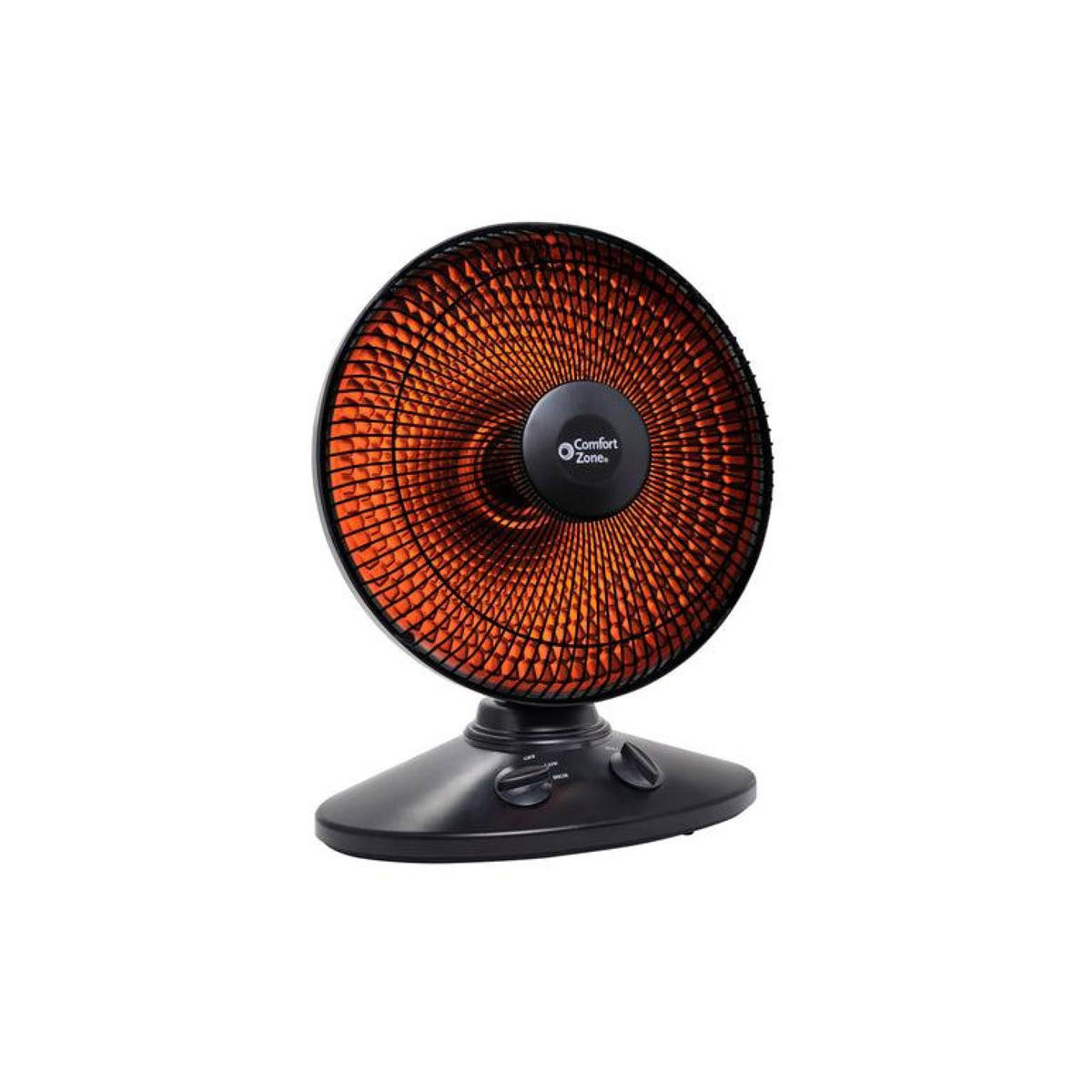
Look at the fan blade inside the heater. Dust or debris can block the blades from moving. Clean the blades gently with a soft cloth. Check if the blade moves freely by spinning it with your hand. If it feels stuck, it may need lubrication or repair.
Testing The Fan Motor
The fan motor powers the blade’s movement. If the fan does not spin after cleaning, the motor might be faulty. Listen for any humming or strange noises when the heater is on. No sound can mean the motor is not running. Testing the motor usually needs a multimeter or professional help.
Credit: www.dollargeneral.com
Replacing The Thermal Fuse
Replacing the thermal fuse in your Comfort Zone heater fan can fix many issues. The thermal fuse stops the heater from overheating. If the fuse is broken, the fan will not work. Changing this part is a simple task with the right steps. Follow the guide below to replace the thermal fuse safely and quickly.
Locating The Fuse
First, unplug the heater from the power source. Find the back panel of the heater fan. Use a screwdriver to remove the screws. The thermal fuse is inside near the heating element. It looks like a small metal or ceramic piece with wires attached. Keep track of the fuse’s position and the wire connections.
Testing The Fuse
Use a multimeter to check the fuse’s condition. Set the multimeter to the continuity or resistance mode. Touch the probes to the fuse terminals. A good fuse shows continuity, meaning the circuit is complete. No continuity means the fuse is blown and needs replacement. Testing the fuse helps avoid unnecessary part purchases.
Installing A New Fuse
Buy a replacement fuse that matches your heater model. Disconnect the wires from the old fuse carefully. Attach the wires to the new fuse in the same way. Secure the fuse in its place inside the heater. Close the back panel and tighten the screws. Plug in the heater and test it to ensure it works.
Fixing Wiring Problems
Fixing wiring problems in your Comfort Zone heater fan can restore its function quickly. Faulty wiring often causes the fan to stop working. Checking and repairing wires is a simple step anyone can do with basic tools. Safety is important. Always unplug the heater before touching any wires.
Identifying Loose Connections
Loose connections can stop the heater fan from working. Look for wires that wiggle or come out easily. Check where wires connect to terminals or plugs. Use a screwdriver to tighten screws holding wires. Make sure no wires are touching each other. Loose connections cause sparks and may damage the heater.
Repairing Damaged Wires
Damaged wires can block electricity flow. Look for cuts, cracks, or burnt spots on wires. Use wire cutters to remove damaged sections carefully. Strip about half an inch of insulation from wire ends. Twist the wire ends together tightly. Use wire nuts or connectors to join wires securely. Replace any wires that are too short or badly damaged.
Using Electrical Tape Safely
Electrical tape protects exposed wires and connections. Wrap tape around wire joints after repair. Use enough layers to cover all metal parts. Avoid wrapping tape too tightly to prevent damage. Choose tape rated for electrical use only. Check tape condition regularly and replace if it peels or cracks.
When To Call A Professional
Knowing when to call a professional for your Comfort Zone heater fan is important. Some problems need expert skills to fix safely. Trying to repair complex issues alone can cause more damage or even risk your safety. Calling a technician at the right time saves money and stress.
Complex Electrical Issues
Electrical problems are not easy to handle. Faulty wiring or motor issues need special tools and knowledge. A professional can check and fix these safely. Avoid touching wires or opening parts if you are not trained. This reduces the risk of shock or fire.
Warranty Considerations
Check your heater’s warranty before any repair. Opening or fixing the unit yourself may void the warranty. A professional repair keeps your warranty valid. This helps if you need future service or replacements. Always follow the manufacturer’s instructions.
Avoiding Further Damage
Wrong repairs can make the heater fan worse. A small problem can turn into a big one quickly. Professionals know how to find the real cause. They use the right parts and tools. This keeps your heater working longer and safer.
Preventive Maintenance Tips
Preventive maintenance helps keep your Comfort Zone heater fan running well. Small steps can avoid big problems. Regular care extends the heater’s life and saves money. Follow these simple tips to prevent issues and enjoy reliable warmth.
Regular Cleaning
Dust and dirt block the fan and reduce heat flow. Clean the heater often using a soft cloth or brush. Remove dust from vents and fan blades carefully. This keeps air moving and stops the heater from overheating. Avoid water or harsh cleaners on electrical parts.
Proper Storage
Store the heater in a dry, cool place when not in use. Cover it with a cloth or plastic to keep dust out. Avoid damp areas that cause rust or damage. Proper storage protects the heater from wear and tear. It also makes it ready for use next season.
Routine Inspections
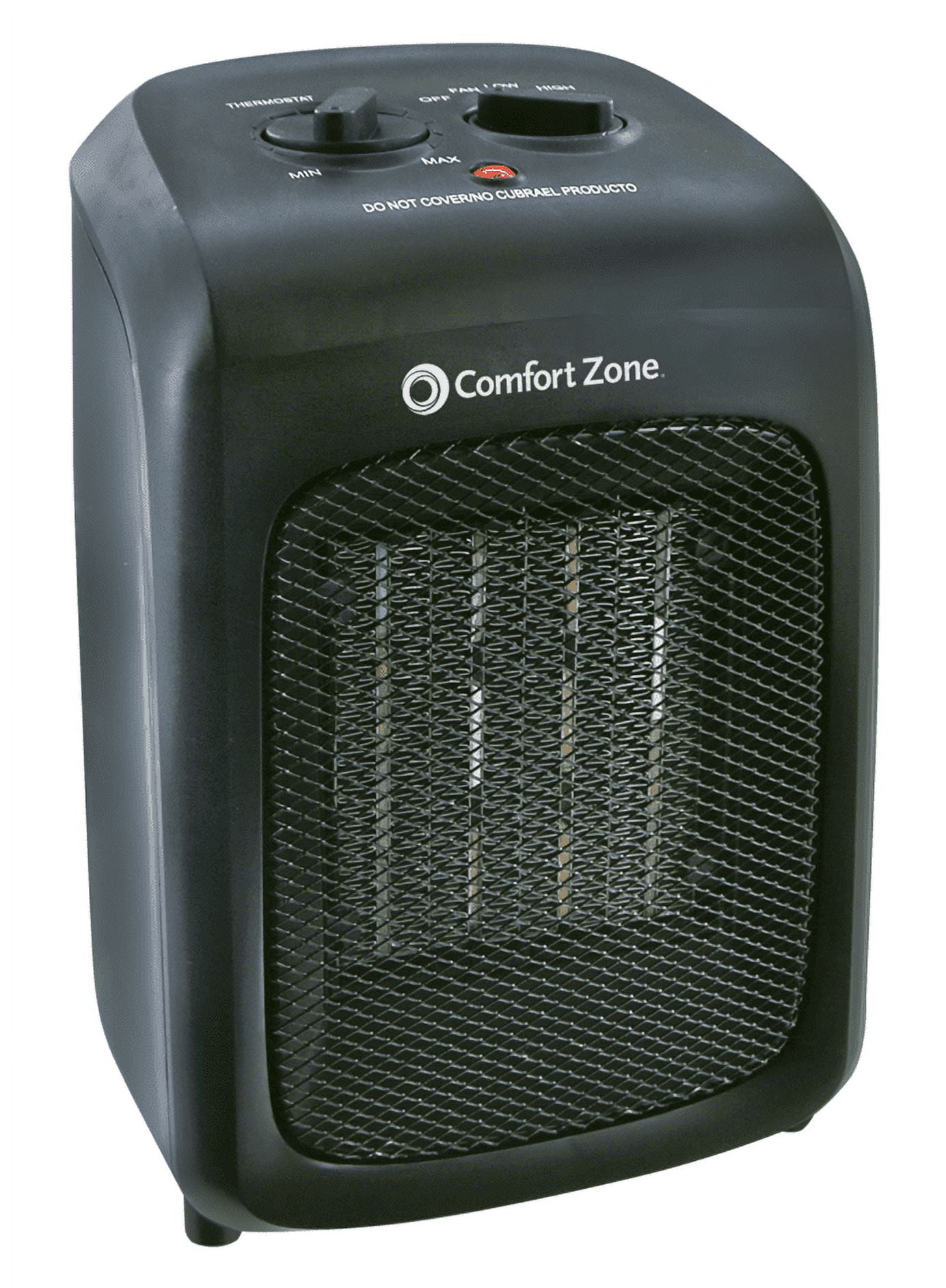
Check your heater fan regularly for signs of wear or damage. Look for loose wires, strange noises, or weak airflow. Tighten screws and clean parts as needed. Early spotting of problems prevents bigger repairs. Routine checks keep your heater safe and efficient.
Credit: www.walmart.com
Frequently Asked Questions
Why Is My Comfort Zone Heater Fan Not Turning On?
The fan might be blocked or dirty, stopping it from spinning. Check and clean the fan blades carefully. Also, ensure the heater is plugged in and switched on properly.
How Can I Fix A Comfort Zone Heater Fan That Won’t Blow Air?
Look for a stuck fan motor or a faulty switch. Reset the heater by unplugging it for a few minutes. If the problem continues, the motor might need replacement.
Can A Tripped Circuit Breaker Cause Heater Fan Failure?
Yes, a tripped breaker can cut power to the fan. Check your home’s breaker panel and reset any tripped switches. This often restores power to the heater fan.
Does Overheating Affect The Comfort Zone Heater Fan Operation?
Overheating can cause the heater to shut off the fan for safety. Let the heater cool down before using it again. Make sure vents and filters are clean to avoid overheating.
When Should I Call A Professional For Heater Fan Issues?
Call a professional if cleaning and resets don’t fix the fan. Avoid opening the heater yourself if you are unsure. A technician can safely diagnose and repair complex problems.
Conclusion
A Comfort Zone heater fan not working can feel frustrating. Start by checking the power source and settings. Clean the fan and vents to remove dust. Test the thermostat to ensure it’s set right. Small fixes often solve common problems fast.
If issues continue, consider contacting a professional. Keeping your heater fan in good shape helps stay warm. Regular care prevents future breakdowns and saves money. Don’t ignore early signs of trouble with your heater fan. Act quickly to enjoy a cozy, warm space all season.