
Have you ever walked into your home and noticed a sudden burning wood smell that just won’t go away? It can be unsettling and make you wonder if there’s a hidden danger nearby.
You might ask yourself, “Is something actually burning? Is my house safe? ” Understanding why this smell appears and what it means for your safety is important. You’ll discover the common causes behind that burning wood scent and what steps you can take to protect your home and peace of mind.
Keep reading—your safety and comfort depend on it.
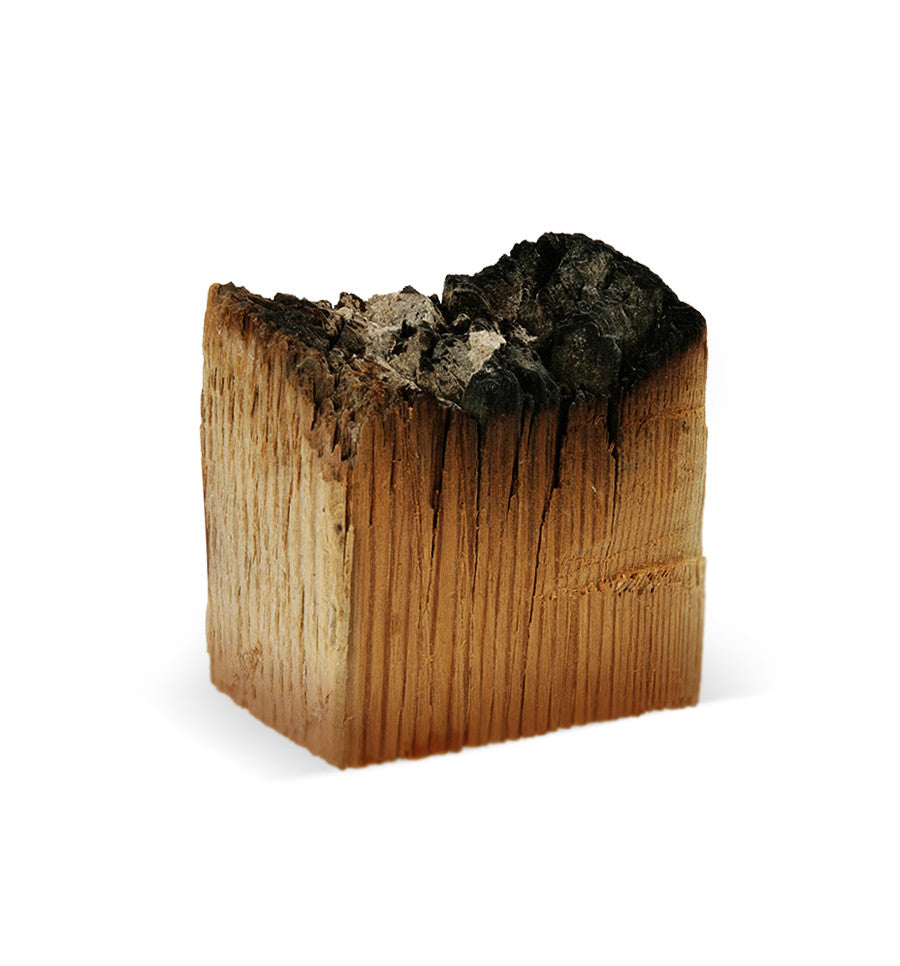
Credit: nzcandlesupplies.nz
Common Causes Of Wood Burning Smell
The smell of burning wood inside your home can be worrying. It usually signals a problem that needs attention. Understanding the common causes helps you find the source quickly. This way, you can keep your home safe and comfortable.
Fireplace And Stove Issues
Fireplaces and wood stoves are common sources of wood burning smell. A blocked chimney can trap smoke inside. Creosote buildup may cause strong odors. Poor ventilation makes the smell linger indoors. Regular cleaning and inspections prevent these issues.
Electrical Problems
Electrical problems can sometimes mimic a wood burning smell. Overheated wires or circuits give off a similar scent. Faulty outlets or wiring need immediate repair. Ignoring electrical smells risks fire hazards. Always call a professional electrician for help.
Heating System Malfunctions
Heating systems like furnaces can produce a burning smell. Dust on heating elements burns when first turned on. Mechanical parts might overheat and cause odors. Poor maintenance increases the chance of problems. Regular servicing keeps your heating system safe.
Nearby Outdoor Fires
Sometimes the smell comes from outside your home. Nearby campfires, bonfires, or wildfires can drift smoke indoors. Wind direction plays a big role in this. Closing windows and doors reduces smoke entry. Air purifiers also help clear indoor air.
Hidden Mold And Mildew
Mold and mildew sometimes smell like burning wood. Certain mold types produce a smoky or musty odor. Moisture trapped in walls or basements encourages growth. Mold inspection and removal eliminate these hidden smells. Fix leaks and control humidity to prevent mold.
Health Risks From Inhaling Smoke
Breathing in smoke from burning wood inside your house can harm your health. Smoke contains tiny particles and harmful gases. These can irritate your lungs and cause other problems. Knowing the risks helps you protect yourself and your family.
Short-term Effects
Inhaling wood smoke can cause coughing and throat pain. Your eyes may water or feel itchy. Some people feel dizzy or have headaches. Breathing problems can get worse for those with asthma or allergies.
Long-term Health Concerns
Repeated smoke exposure can damage your lungs over time. It may lead to chronic bronchitis or worsen asthma. Some studies link smoke inhalation to heart issues. Long-term exposure can increase the risk of lung infections.
Vulnerable Groups
Children are more sensitive to smoke effects. Their lungs are still growing and easily harmed. Older adults may have weaker lungs and heart problems. People with asthma or lung diseases face higher risks. Pregnant women should avoid smoke to protect their babies.
Identifying The Source Quickly
Noticing a burning wood smell inside your home can cause worry. It is important to find the source fast. Early detection helps keep your home safe. It also prevents damage and costly repairs. This section guides you on how to identify the smell’s origin quickly.
Checking Fireplaces And Chimneys
Start by inspecting your fireplace and chimney. Look for any signs of smoke or ash outside the chimney. Check the damper to see if it is fully open. Make sure the chimney is clean and free of blockages. Creosote buildup can cause strong burning smells. Regular cleaning can prevent this problem.
Inspecting Electrical Outlets And Appliances
Burning smells can come from faulty wiring or appliances. Turn off all appliances and unplug them one by one. Smell near outlets to see if the odor is stronger there. Look for scorch marks or melted plastic around outlets. Faulty wiring is dangerous and needs quick attention from an electrician.
Examining Heating Systems
Check your heater or furnace for any burning odors. Dust buildup inside heaters often causes smells when heated. Inspect vents and filters for dirt and blockages. Make sure the system is working properly and safely. Regular maintenance reduces the chance of burning smells.
Looking For External Fire Sources
Sometimes, the smell comes from outside your home. Check for nearby outdoor fires or burning wood piles. Smoke can drift inside through windows or doors. Look around your yard and neighbors’ property for any signs of fire. Close windows to stop smoke from entering your home.

Credit: exodraft.com
Immediate Actions To Remove Odor
Smelling burning wood inside your home is unpleasant and can be a sign of danger. Acting fast helps clear the air and keeps your family safe. Immediate steps can reduce the odor and improve air quality quickly. Use simple methods to freshen your space before the smell spreads. Here are easy ways to remove the burning wood smell from your house.
Ventilation Techniques
Open all windows and doors to let fresh air in. Use fans to push smoky air outside. Position fans near windows to direct airflow out. Keep interior doors open for better air circulation. Ventilation helps remove smoke particles and lowers the odor fast.
Using Air Purifiers And Filters
Turn on air purifiers with HEPA filters to trap smoke. Check your HVAC system’s filters and replace if dirty. Use carbon filters to absorb odor molecules. Running purifiers and fresh filters cleans the air effectively. This method reduces lingering smoke and improves breathing comfort.
Natural Odor Absorbers
Place bowls of baking soda around the room to absorb smells. Use activated charcoal bags to trap odor particles. Vinegar in small containers can neutralize smoke smells. These natural absorbers work quietly and safely. They offer a chemical-free way to freshen your home.
When To Call Professionals
Persistent smoke odor may mean hidden damage. Call fire restoration experts for deep cleaning and odor removal. Professionals have tools to clean ducts, walls, and furniture. Seek help if the smell lasts more than a few days. Quick professional action prevents health risks and keeps your home safe.
Preventing Future Wood Burning Smells
Preventing future wood burning smells in your house helps keep the air fresh and safe. Taking simple steps can stop smoke and odors from coming inside. Proper care and smart habits protect your home from unwanted smells and hazards.
Regular Maintenance Tips
Clean chimneys and flues often to avoid blockages. Remove ash and soot from fireplaces regularly. Check for cracks or damage in wood stoves and repair them fast. Use dry, seasoned wood to reduce smoke. Keep vents clear to let smoke escape easily.
Safe Use Of Fireplaces And Stoves
Always burn wood in a well-ventilated area. Do not overload your fireplace or stove with wood. Never burn trash, plastic, or treated wood. Use a screen to catch sparks and prevent fires. Stay near the fire while it burns to watch for problems.
Electrical Safety Practices
Inspect wiring near fireplaces for damage or wear. Avoid placing electrical devices too close to heat sources. Use certified electrical products designed for fireplace areas. Turn off electrical items if you smell burning. Call an electrician if you detect unusual odors or sparks.
Smoke Detector Installation
Install smoke detectors on every level of your home. Test detectors monthly to ensure they work properly. Replace batteries twice a year or as needed. Place detectors near bedrooms and living areas. Smoke detectors alert you early to prevent smoke damage.

Credit: www.reddit.com
Frequently Asked Questions
Why Do I Smell Burning Wood Inside My House?
A burning wood smell indoors often means a fireplace or stove is in use. It may also signal a nearby chimney issue or burning debris inside.
Can A Burning Wood Smell Mean A Fire Hazard?
Yes, it can. The smell might come from smoldering wires or overheated appliances, which need quick checks.
How To Stop Burning Wood Odor In My Home?
Open windows for fresh air and clean fireplaces regularly. Check chimneys and vents to ensure they are clear.
Is Burning Wood Smell Harmful To Breathe?
Breathing smoke or burning wood fumes can irritate your lungs and eyes. Prolonged exposure may cause health issues.
Could A Wood-burning Stove Cause The Smell?
Yes, wood stoves can release smoke or odors if not properly vented or maintained. Proper use and cleaning help prevent this.
Does Burning Wood Smell Mean Chimney Needs Cleaning?
Often, yes. Creosote buildup in chimneys causes smoke and smell. Regular chimney cleaning keeps your home safe and odor-free.
What To Do If Burning Smell Comes Without Fire?
Check all electrical devices and outlets for overheating. Call a professional if the smell persists with no clear source.
Conclusion
A burning wood smell in your house should never be ignored. It can mean something is wrong or unsafe. Check your fireplace, stove, or any wood-burning appliance carefully. Make sure vents and chimneys are clean and clear. Keep your home safe by acting quickly.
Don’t wait until the smell gets stronger or causes harm. Staying alert helps protect your family and home. Simple steps can prevent bigger problems later. Stay safe and enjoy a fresh, clean-smelling house.