
Keeping your pool water clean and safe is easier than you think. But do you know when the best time to test pool water is?
Testing at the right time can save you from costly repairs, skin irritations, and cloudy water. You’ll discover the perfect moments to check your pool’s chemistry, so you can enjoy crystal-clear water every time you dive in. Ready to become a pool pro?
Let’s dive in and find out!
Credit: www.homedepot.com
Ideal Testing Frequency
Testing pool water regularly keeps it clean and safe. The ideal testing frequency depends on the season and pool use. Checking water often helps catch problems early. This saves time and money on repairs. Follow a clear schedule for best results.
Daily Checks During Peak Season
Summer and warm months mean heavy pool use. Test water every day during this time. Check chlorine and pH levels first. Daily checks keep water balanced and healthy. They stop algae and bacteria from growing fast.
Weekly Routine Tests
In cooler months, test pool water once a week. Measure chlorine, pH, alkalinity, and calcium hardness. Weekly tests prevent slow water problems. They keep the pool ready for use anytime.
After Heavy Usage Or Rain
Test water after many swimmers use the pool. Also test after big rainstorms. Heavy use and rain change water chemistry quickly. Testing then helps adjust chemicals fast. This keeps the pool safe and clear.
Best Time Of Day To Test
Testing pool water at the right time of day helps get the most accurate results. Water chemistry changes throughout the day due to sunlight and temperature. Knowing the best time to test keeps your pool safe and clean.
Morning Advantages
Testing pool water in the morning gives more stable readings. The water is cooler and less affected by the sun. Chemicals like chlorine and pH level stay steady overnight. This timing helps spot real problems early. Adjustments made in the morning last longer during the day.
Avoiding Direct Sunlight Effects
Sunlight changes pool water chemistry quickly. UV rays break down chlorine, lowering its level fast. Testing under direct sunlight gives false low chlorine readings. It also affects pH and alkalinity tests. Testing in the shade or indoors avoids these issues. This ensures test results are true and useful.
Seasonal Testing Tips
Testing pool water changes with the seasons. Each season brings different challenges. Knowing when and how to test helps keep water safe and clear. Seasonal testing keeps your pool balanced and ready to swim all year.
Spring Pool Opening
Start testing as soon as you open your pool. Check pH, chlorine, and alkalinity first. Remove any debris and clean filters. Testing early stops algae and bacteria growth. Adjust chemicals to prepare water for warm weather.
Summer Maintenance
Test pool water at least twice a week in summer. Heat and sun affect chemical levels fast. Keep chlorine stable to kill germs. Watch pH closely to prevent skin and eye irritation. Regular testing means safer, clearer water for swimming.
Fall Preparation
Test water before closing the pool for fall. Balance chemicals to avoid damage during colder months. Remove leaves and clean pool surfaces well. Proper testing reduces algae and stains. It also protects pool equipment from rust and wear.
Winterizing Considerations
Test water before winterizing your pool. Adjust chemical levels to prevent freezing damage. Use winterizing chemicals to keep water clear. Check water levels and cover the pool securely. Proper testing now saves work and repair costs later.
Key Water Parameters To Test
Testing pool water is important to keep it clean and safe. Knowing which water parameters to check helps avoid problems. Each factor affects water quality and swimmer comfort. Regular testing keeps your pool balanced and healthy.
Chlorine Levels
Chlorine kills germs and keeps water clear. Test chlorine often to maintain safe levels. Too little chlorine allows bacteria to grow. Too much can irritate skin and eyes. Aim for a chlorine level between 1 and 3 ppm.
Ph Balance
pH shows how acidic or basic the water is. Proper pH keeps chlorine working well. Ideal pH ranges from 7.2 to 7.8. Low pH can cause corrosion and eye irritation. High pH may lead to cloudy water and scaling.
Alkalinity
Alkalinity helps stabilize pH levels. It acts like a buffer to prevent sudden changes. Test alkalinity to keep it between 80 and 120 ppm. Low alkalinity makes pH unstable. High alkalinity can cause cloudy water.
Calcium Hardness
Calcium hardness measures the amount of calcium in water. Proper hardness prevents damage to pool surfaces. Aim for levels between 200 and 400 ppm. Low hardness can cause corrosion. High hardness leads to scale buildup.
Cyanuric Acid
Cyanuric acid protects chlorine from sunlight. It helps chlorine last longer in outdoor pools. Test cyanuric acid to keep it between 30 and 50 ppm. Low levels reduce chlorine effectiveness. High levels can lower chlorine strength.
Choosing The Right Testing Method
Choosing the right method to test pool water is key to keeping your pool safe. Different methods offer different levels of accuracy, cost, and ease. Knowing what each method offers helps you maintain clean, balanced water.
Test Strips
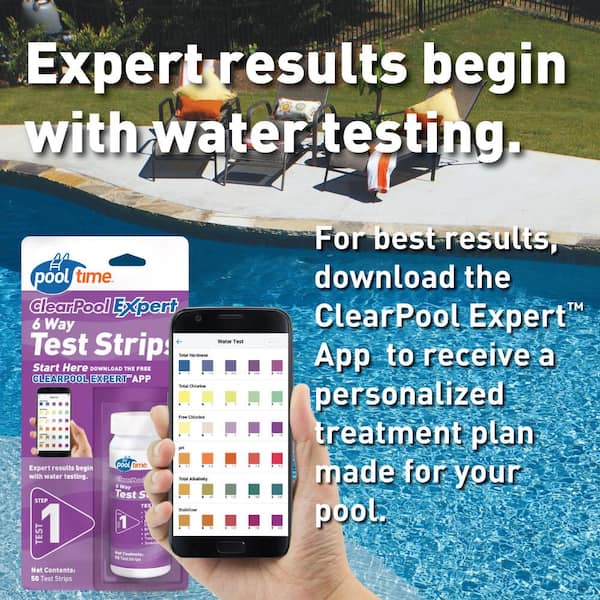
Test strips are quick and easy to use. Dip a strip into the water, then compare the colors to a chart. They measure pH, chlorine, and sometimes alkalinity. Affordable and simple, they suit casual pool owners. Accuracy can vary, so use fresh strips for best results.
Liquid Test Kits
Liquid kits use drops to test water samples. They provide more detailed results than strips. You can check chlorine, pH, alkalinity, and hardness. These kits need careful measuring and time. They are more accurate for regular pool care.
Digital Testers
Digital testers show results on a screen. They are easy to read and usually faster than other methods. Some models test multiple factors like pH and chlorine. These devices cost more but offer precise readings. They suit pool owners who want quick, reliable data.
Professional Lab Testing
Lab testing gives the most accurate results. You collect a water sample and send it to a lab. They test many chemicals and contaminants. Labs provide detailed reports and advice. This method is best for problem pools or regular thorough checks.
Credit: www.homedepot.com
Common Testing Mistakes To Avoid
Testing pool water regularly is key for safe swimming. Many people make simple mistakes. These errors can give wrong results. That leads to poor water care and more problems. Avoid these common testing mistakes for accurate results.
Testing At The Wrong Time
Test your pool water at the right time of day. Early morning is best. The water is calm and chemicals are stable. Testing after heavy use or rain gives false readings. Avoid testing right after adding chemicals. Wait a few hours for them to mix well.
Ignoring Test Kit Expiry
Test kits do not last forever. Using expired kits can show wrong numbers. Always check the expiry date on your kit. Replace old kits regularly. Fresh chemicals in the kit work best. This helps keep your pool water healthy.
Improper Sample Collection
Collect water samples correctly for reliable tests. Take water from about elbow depth. Avoid surface water with debris or bubbles. Use a clean container or the test vial. Do not scoop water from the skimmer or bottom. Clean samples give the most accurate results.
Tips For Maintaining Crystal Clear Pools
Maintaining a crystal clear pool requires simple, steady care. Clear water looks inviting and keeps swimmers safe. Following a few key steps helps keep your pool sparkling and healthy all year.
Focus on testing, chemical balance, filtration, and cleaning. These basics make a big difference in water clarity and quality.
Regular Testing Routine
Test your pool water at least twice a week. Check chlorine levels, pH, and alkalinity. Testing helps spot problems early. Use a reliable test kit for best results. Record each test to track changes over time.
Balancing Chemicals
Keep chemicals in the right range. Adjust chlorine to kill germs but avoid strong smells. Balance pH between 7.2 and 7.6 for comfort and clarity. Proper alkalinity protects your pool surface and equipment.
Proper Filtration
Run your pool filter daily for 8 to 12 hours. Filters remove dirt, leaves, and tiny particles. Clean or backwash filters regularly to keep them effective. A clean filter keeps the water clear and fresh.
Routine Cleaning
Skim the pool surface every day. Brush walls and floor weekly to prevent algae. Vacuum the pool regularly to remove settled debris. Clean pools stay bright and safe to swim in.

Credit: www.homedepot.com
Frequently Asked Questions
What Is The Best Time Of Day To Test Pool Water?
Test pool water early morning or late evening to get accurate temperature and chemical levels.
How Often Should I Test My Pool Water?
Test your pool water at least twice a week during swimming season.
Why Test Pool Water After Heavy Rain?
Rain can change water balance and add contaminants; testing helps keep water safe.
Should I Test Pool Water Before Or After Swimming?
Test before swimming to ensure water is clean and chemicals are balanced.
How Does Sunlight Affect Pool Water Testing?
Sunlight can change chlorine levels, so test when the pool is not in direct sun.
Can Pool Water Testing Prevent Health Issues?
Yes, regular testing helps avoid bacteria growth and keeps swimmers safe and healthy.
Conclusion
Testing pool water at the right time keeps your pool safe and clean. Early morning is best before swimmers enter. Regular checks help spot problems early. Balanced water prevents damage and keeps swimmers healthy. Simple steps, like testing twice a week, work well.
Remember, clean water means more fun all season long. Don’t wait—test often and enjoy your pool worry-free.