
Are you ready to upgrade your kitchen with a new faucet but unsure where to start? Measuring for a new kitchen faucet might seem tricky, but it doesn’t have to be.
Getting the right fit is key to avoiding leaks, awkward angles, or costly returns. In this guide, you’ll learn simple steps to measure your sink and faucet area accurately. By the end, you’ll feel confident choosing the perfect faucet that fits your space and style.
Keep reading to make your kitchen upgrade smooth and stress-free!
Credit: www.gerber-us.com
Check Your Sink Configuration
Before buying a new kitchen faucet, check your sink setup. This step helps you pick the right faucet that fits well. Knowing your sink’s design avoids mistakes and extra work. It also saves money and time during installation.
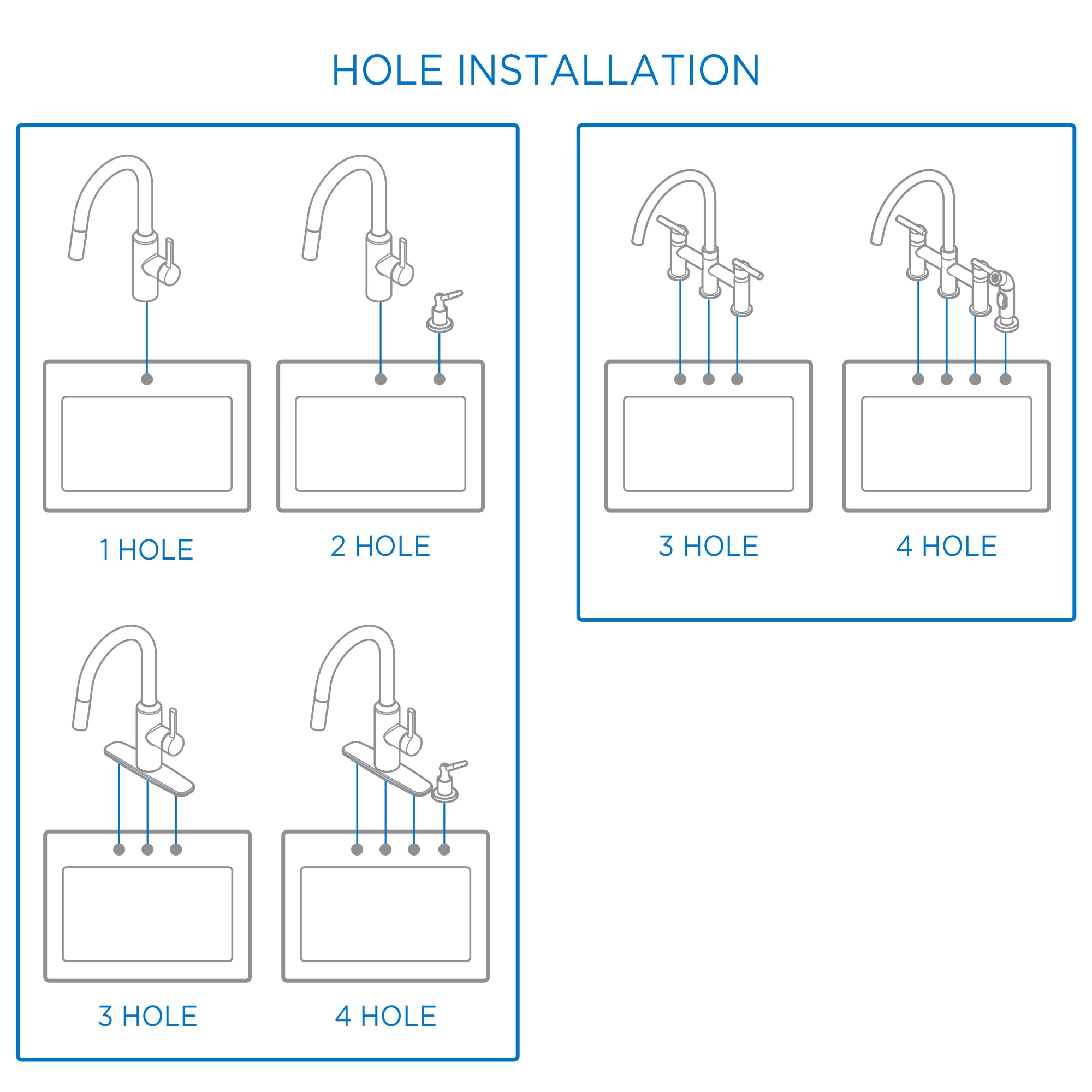
Count The Faucet Holes
Look at your sink and count the holes for the faucet. Some sinks have one hole, others have two, three, or even four. The number of holes tells you what type of faucet you need. For example, a single-hole faucet fits sinks with one hole only.
Measure Hole Diameter
Use a ruler or tape to measure the hole diameter. Most faucet holes are about 1.25 inches wide. Check this size carefully to ensure the new faucet fits well. A wrong size can cause leaks or loose installation.
Identify Hole Spacing
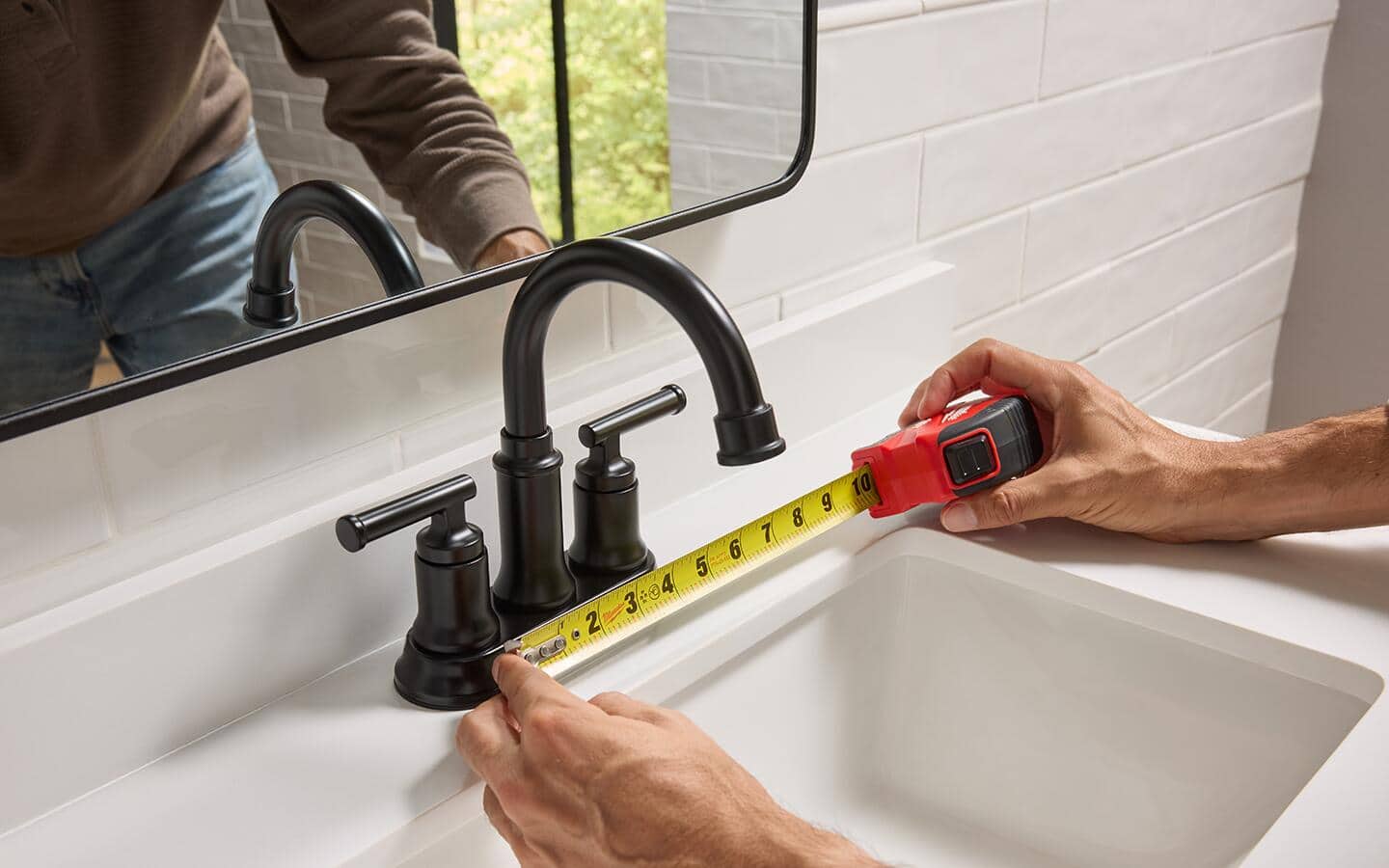
Measure the space between the holes if your sink has more than one. This distance is important for multi-hole faucets. Common spacings are 4 inches or 8 inches. Knowing this helps you choose a faucet that matches your sink perfectly.
Determine Faucet Type
Choosing the right faucet type is key before measuring for a new kitchen faucet. Different faucets need different measurements. Knowing the faucet type helps avoid mistakes and fits your sink perfectly. It also helps find a style that matches your kitchen.
Single-hole Faucets
Single-hole faucets use one hole for both the spout and handle. They are simple and modern. These faucets need less space on the sink or countertop. Measuring for a single-hole faucet is easy because you only check one hole’s size and location. Ideal for small sinks or minimalist kitchens.
Centerset Faucets
Centerset faucets have two handles and a spout on a single base. They fit sinks with three holes, spaced 4 inches apart. The handles and spout come connected on one plate. Measure the distance between the outer holes to find the right centerset faucet. Common in traditional kitchen designs.
Widespread Faucets
Widespread faucets have separate handles and spout. Each part mounts individually on the sink or countertop. The holes are 8 inches or more apart. Measure the distance between the outer holes carefully. Widespread faucets offer more flexibility and a classic look. Perfect for larger sinks with enough space.
Measure Faucet Height And Reach
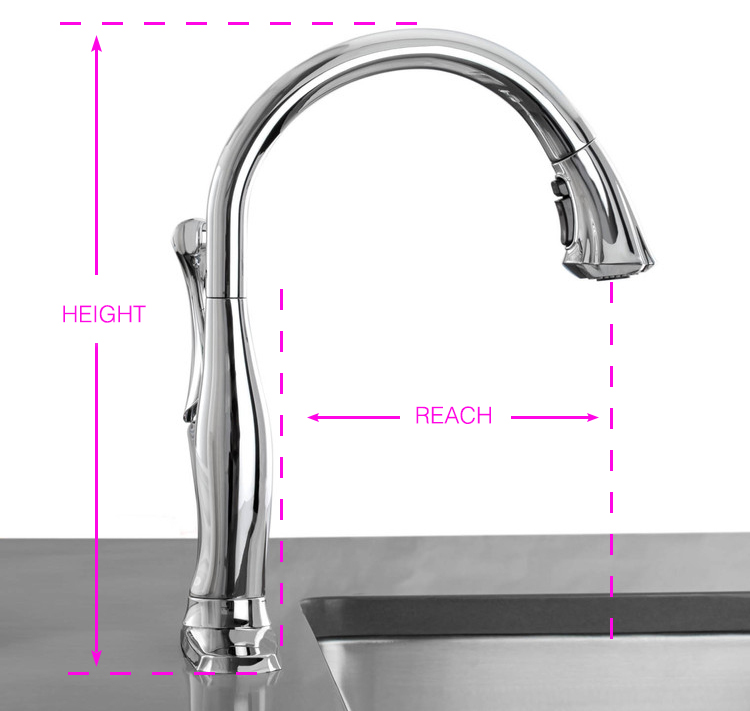
Measuring the faucet height and reach is key for a functional kitchen setup. These dimensions affect how water flows and how easy it is to use the sink. Proper measurements help avoid splashing and ensure the faucet fits your sink perfectly.
Consider Sink Depth
Sink depth matters when choosing faucet height. A deeper sink needs a taller faucet to clear the edges. Short faucets may cause water to splash out of deep sinks. Measure from the bottom of the sink to the top edge. This helps find a faucet height that matches your sink size.
Check Clearance Space
Clearance space behind and above the sink affects faucet reach. Check for windows, shelves, or cabinets near the sink. These can limit faucet height and how far the spout can extend. Measure the distance from the faucet hole to any obstacles. Choose a faucet with a reach that covers the sink basin without hitting anything.
Credit: www.homedepot.com
Assess Water Supply Lines
Assessing the water supply lines is a key step before installing a new kitchen faucet. This ensures your new faucet will fit well and work properly. You need to check the shutoff valves and measure the length of the water lines. These tasks help avoid leaks and make installation easier.
Locate Shutoff Valves
Start by finding the shutoff valves under your sink. These valves control the water flow to the faucet. Turn them off before starting any work. If you cannot find them, look behind the cabinet or under the sink. Sometimes, valves are near the wall or floor. Knowing their location helps prevent water spills.
Measure Line Length
Measure the length of the water supply lines from the shutoff valves to the faucet connections. Use a tape measure for accuracy. Write down the measurements. This helps you buy the right size hoses or connectors. Too short or too long lines can cause problems during installation.
Tools Needed For Measurement
Measuring for a new kitchen faucet needs the right tools. Using proper tools helps ensure accurate measurements. This makes installation easier and prevents mistakes. Gather these basic tools before you start measuring.
Tape Measure
A tape measure is essential for measuring distances. Use it to check the space between holes on your sink or countertop. Measure the height and reach needed for the faucet. Choose a tape measure with clear markings for easy reading.
Level
A level ensures your faucet will sit straight. Place it on the sink or countertop surface. This helps avoid uneven installation that can cause leaks or damage. A small, bubble level is perfect for this task.
Marker
A marker lets you mark measurement points clearly. Use a pencil or a washable marker to avoid permanent marks. Mark the faucet hole positions and any other key spots. Clear marks guide you during installation and help keep measurements precise.
Prepare For Installation
Preparing for a new kitchen faucet installation is an important step. It helps avoid problems and saves time. Before measuring for your new faucet, get everything ready. This makes the process smooth and easier to follow.
Start with basic safety and clear the area under your sink. Remove any items that might block your work. Keep a towel or bucket nearby to catch water drips. Small steps like these make a big difference.
Turn Off Water Supply
Locate the water shut-off valves under the sink. Turn both the hot and cold water valves clockwise. This stops water flow and prevents leaks. If there are no valves, turn off the main water supply to your home. Always open the faucet to release any remaining water in the pipes.
Remove Old Faucet
Disconnect the water supply lines from the old faucet using a wrench. Be gentle to avoid damaging the pipes. Unscrew the mounting nuts that hold the faucet in place. Lift the old faucet out carefully. Clean the sink surface to remove old putty or grime before installing the new one.
Credit: riverbendhome.com
Frequently Asked Questions
How Do I Measure Faucet Holes On My Sink?
Measure the distance between the centers of existing faucet holes. Count the number of holes to match the new faucet design. Use a ruler or tape measure for accuracy. This ensures the new faucet fits perfectly without leaks or gaps.
What Size Faucet Base Do I Need?
Check the diameter of your sink’s faucet holes. Standard sizes range from 1 to 1. 5 inches. Measure carefully to ensure the new faucet base covers the holes completely for a secure fit. This prevents water damage under the sink.
How To Measure Faucet Height Correctly?
Measure from the sink surface to where the faucet spout ends. Consider sink depth to avoid splashing. Choose a faucet height that fits your sink’s size and usage needs. Proper height improves comfort and functionality.
Why Is Measuring Faucet Reach Important?
Faucet reach is the distance from the base to the spout tip. It affects how water flows into the sink. Measure to ensure water lands in the sink’s center. Correct reach prevents water from splashing outside the sink.
Conclusion
Measuring for a new kitchen faucet is simple with the right steps. Check the number of holes on your sink first. Measure the distance between those holes carefully. Don’t forget to note the height and reach you need. Taking clear measurements helps you find a faucet that fits well.
A proper fit avoids leaks and installation issues later. This way, your new faucet will work smoothly and look great. Follow these tips to make the process easy and stress-free. Ready to upgrade your kitchen? Start measuring now!