
Are you staring at your old kitchen cabinets, wondering what to do with them? Getting rid of bulky cabinets can feel overwhelming.
You might worry about the mess, the cost, or simply not knowing where to start. But what if disposing of your old cabinets could be simpler and more rewarding than you think? In this guide, you’ll discover easy, smart ways to get rid of those cabinets without stress.
Keep reading to find out how to save time, protect the environment, and even make a little money along the way. Your kitchen makeover starts here!

Credit: www.deancabinetry.com
Prepare Cabinets For Disposal
Preparing your old kitchen cabinets for disposal makes the process easier and safer. Proper preparation helps remove valuable parts and reduces waste. It also ensures the cabinets fit better into disposal bins or trucks.
Remove Doors And Hardware
Start by taking off the cabinet doors. Use a screwdriver to remove hinges carefully. Remove all handles, knobs, and screws. Keep these pieces if you want to reuse or sell them. Removing hardware makes the cabinets lighter and easier to handle.
Clean And Inspect Cabinets
Wipe down the cabinets to remove dirt and grease. Check for any nails or staples sticking out. Remove or hammer them in to prevent injuries. Look for parts that can be recycled or reused. Clean cabinets are easier to sell or donate.
Disassemble Large Pieces
Break down big cabinet sections into smaller parts. Use a drill or hammer to take apart shelves and panels. Smaller pieces fit better in disposal containers. Disassembling also helps recycle wood and other materials properly.

Credit: www.1800gotjunk.com
Donate Usable Cabinets
Donating usable kitchen cabinets helps reduce waste and supports others. Cabinets in good condition can be reused by people who need affordable options. Giving away your old cabinets saves landfill space and benefits your community.
Find Local Charities
Some charities accept building materials like kitchen cabinets. Habitat for Humanity ReStores often take donations to sell at low prices. Check nearby organizations that support housing projects or community centers. Call ahead to confirm they accept cabinets and learn their requirements.
Use Online Marketplaces
Online platforms connect donors with people seeking cabinets. Websites like Craigslist, Facebook Marketplace, and Freecycle allow you to post free or low-cost listings. Upload clear photos and provide accurate descriptions. Respond quickly to inquiries to increase the chance of donation.
Offer To Friends And Family
Ask friends or family if they need kitchen cabinets. They might want to update their kitchens on a budget. Sharing cabinets keeps them in use and saves others money. This option creates a simple and fast way to pass on your cabinets.
Recycle Cabinet Materials
Recycling old kitchen cabinets helps reduce waste and saves resources. It also lowers the amount of trash sent to landfills. Many parts of cabinets can be reused or turned into new materials.
Separate the cabinet materials before recycling. This makes the process easier and more effective. Wood and metal are the main parts to sort out.
Separate Wood And Metal
Take apart the cabinets carefully. Remove doors, shelves, and hardware. Sort wood pieces from metal parts like hinges and screws. Keep each type in separate piles. Clean materials work better for recycling.
Locate Recycling Centers
Find local recycling centers that accept cabinet materials. Some places take wood, others take metal. Call or check websites to confirm what they accept. Some centers may offer pickup services.
Follow Recycling Guidelines
Each recycling center has specific rules. Follow their instructions for dropping off materials. Remove any nails or glue if required. Proper preparation helps ensure materials get recycled correctly.
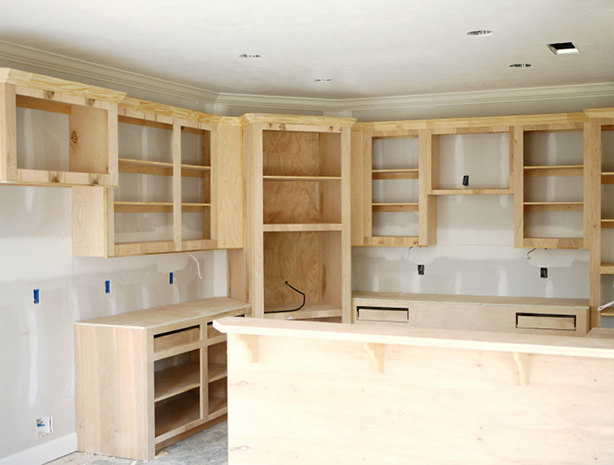
Credit: recyclenation.com
Repurpose Old Cabinets
Old kitchen cabinets can find a second life through creative reuse. Repurposing keeps them out of landfills. It saves money and adds unique charm to your home. Small projects can turn cabinets into useful items.
Create Storage Solutions
Remove cabinet doors to make open shelves. Use the boxes as wall-mounted storage. Store books, toys, or kitchen tools neatly. Add hooks to the sides for hanging cups or utensils. Paint or stain to match your room’s style.
Build Garden Planters
Old cabinets make sturdy garden planters. Line the inside with plastic to protect wood. Fill with soil and plant flowers or herbs. Stack smaller cabinets for a tiered garden effect. Place them on a porch or backyard for a green touch.
Craft Furniture Projects
Turn cabinet parts into new furniture pieces. Use doors as tabletops or headboards. Build a small bench or coffee table with cabinet frames. Sand and paint for a fresh look. These projects add character and save wood from waste.
Dispose Responsibly
Disposing of old kitchen cabinets responsibly helps protect the environment. Proper disposal keeps harmful materials out of landfills. It also allows for recycling or reuse. Taking care ensures your home stays safe and clean.
Follow these steps to dispose of your cabinets in the right way.
Check Local Disposal Rules
Every city has its own rules for disposing of large items. Some places require special permits or drop-off locations. Others offer curbside pickup on specific days. Find out the rules before you remove your cabinets. This saves time and avoids fines.
Hire Junk Removal Services
Junk removal companies make disposal easy. They take your cabinets directly to recycling centers or landfills. These services often recycle wood and metal parts. Hiring professionals saves effort and ensures proper handling.
Avoid Illegal Dumping
Throwing old cabinets in unauthorized places harms the environment. It can lead to pollution and fines. Do not leave cabinets on the street or in vacant lots. Dispose of them only in approved locations or through proper services.
Eco-friendly Tips
Disposing of old kitchen cabinets in an eco-friendly way helps protect the planet. It reduces waste and saves resources. Simple steps can make a big difference. Small changes in disposal methods help the environment and save money. Here are some tips to follow for green cabinet disposal.
Choose Sustainable Materials
Use cabinets made from renewable or recycled materials. Wood from responsibly managed forests is a smart choice. Avoid plastics or metals that are hard to recycle. Sustainable materials break down faster and cause less pollution. Picking eco-friendly cabinets from the start helps with disposal later.
Reduce Waste Through Reuse
Old cabinets can have a second life. Donate usable parts to local shelters or community projects. Turn cabinet doors into shelves or small tables. Repair damaged pieces instead of throwing them out. Reuse cuts down on landfill waste and saves natural resources.
Support Green Disposal Programs
Find local recycling centers that accept kitchen cabinets. Many towns offer special pickup for bulky waste. Some programs recycle wood and metal separately. Use certified disposal services to avoid harmful landfill dumping. Proper programs ensure your cabinets get recycled safely.
Frequently Asked Questions
How Can I Recycle Old Kitchen Cabinets?
You can recycle old kitchen cabinets by donating them to salvage centers or repurposing the wood. Check local recycling programs for wood or metal options. This reduces landfill waste and supports sustainable practices.
What Are Safe Ways To Dispose Of Kitchen Cabinets?
Safe disposal includes donating, recycling, or hiring a professional junk removal service. Avoid burning or dumping cabinets in unauthorized areas to prevent environmental harm and legal issues.
Can I Donate Used Kitchen Cabinets?
Yes, many charities and Habitat for Humanity accept used cabinets in good condition. Donating helps others and reduces waste. Always check the organization’s requirements before donating.
Should I Remove Hardware Before Disposal?
Removing hardware like hinges and handles is recommended. It allows for easier recycling and may be reused or sold separately. Proper removal also ensures safer handling during disposal.
Conclusion
Disposing of old kitchen cabinets does not have to be hard. Choose the method that fits your needs best. Recycling helps protect the environment and saves space in landfills. Donating cabinets gives them a second life and helps others. Selling old cabinets can bring some extra cash.
Always check local rules before disposal to avoid fines. Proper disposal keeps your home safe and clean. Take your time and plan the process carefully. You can handle this task with ease and confidence.