
Are your kitchen knives feeling dull and slow? A sharp knife not only makes cooking easier but also safer for you.
If you want to quickly bring your knife back to life, learning how to sharpen it with a rod is the secret skill you need. This simple tool can transform your cutting experience, saving you time and frustration every time you cook.
Keep reading, and you’ll discover easy steps to sharpen your kitchen knife like a pro—right at home. Your hands and your meals will thank you!
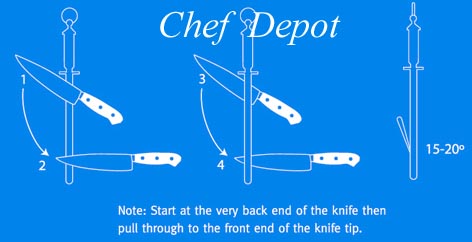
Credit: chefdepot.net
Choosing The Right Sharpening Rod
Choosing the right sharpening rod is key to keeping kitchen knives sharp and safe. A good rod helps maintain the blade’s edge and makes cutting easier. Not all rods are the same. Picking one that fits your knife type and skill level improves results. Consider rod material, size, and grit to find the best tool.
Types Of Sharpening Rods
Sharpening rods come in different shapes and sizes. The most common are round and diamond-coated rods. Round rods are gentle and good for regular maintenance. Diamond rods are tougher and remove more metal for dull knives. Some rods combine materials for balance. Choose a shape that feels comfortable in your hand.
Material Matters: Steel Vs Ceramic
Steel rods are popular and durable. They work well on many knives. Ceramic rods are smoother and polish the blade. They remove less metal but keep knives sharp longer. Ceramic rods suit fine edges and delicate blades. Think about how often you sharpen and what knives you use.
Selecting The Proper Grit
Grit means how rough or smooth the rod surface is. Low grit rods are coarse and fix very dull blades fast. Medium grit rods handle everyday sharpening. High grit rods polish and refine the edge. Use the right grit for your knife’s condition. Too coarse grit can damage fine blades.
Preparing Your Knife And Workspace
Preparing your knife and workspace is the first step for safe and effective sharpening. A clean knife and an organized area help you focus on the task. It also prevents accidents and damage to your knife. Follow simple steps to get ready before sharpening with a rod.
Cleaning And Inspecting The Knife
Start by washing the knife with warm water and mild soap. Remove any food residue or grease. Dry the knife completely with a soft towel. Check the blade for chips, cracks, or rust spots. These can affect the sharpening process. Fix or replace a damaged knife before sharpening.
Setting Up A Safe Sharpening Area
Choose a flat, stable surface to work on. Clear the area of clutter and distractions. Use a non-slip mat or towel to keep the rod steady. Make sure there is enough light to see the blade clearly. Keep children and pets away from the sharpening zone.
Proper Grip And Stance
Hold the sharpening rod firmly in one hand. Grip the knife handle securely with the other hand. Stand with your feet shoulder-width apart. Keep your body balanced and relaxed. This stance helps control the knife and rod during sharpening.
Basic Sharpening Technique
Sharpening a kitchen knife with a rod is simple and effective. This basic technique helps keep your knife sharp and safe to use. It takes only a few minutes and some practice to get it right. The key steps include holding the rod properly, finding the correct angle, and using smooth stroke patterns. These steps work together to make your knife sharp and ready for any kitchen task.
Holding The Rod Correctly
Hold the sharpening rod firmly in your non-dominant hand. Place the tip of the rod on a stable surface like a cutting board. Keep the rod steady and vertical. Grip the rod near the handle for better control. Your hand should feel comfortable, not tense. A steady rod helps guide the knife smoothly during sharpening.
Finding The Right Angle
Hold the knife at a 15 to 20-degree angle to the rod. This angle suits most kitchen knives. Too steep or too flat will not sharpen well. Imagine the knife edge touching the rod lightly. Maintaining this angle is key for a sharp blade. Practice holding the knife at this angle before starting strokes.
Stroke Patterns For Even Sharpening
Start at the base of the knife blade near the handle. Pull the blade down and across the rod in a sweeping motion. Move from the base to the tip in one smooth stroke. Repeat this motion 5 to 10 times on one side. Then switch to the other side of the blade. Alternate sides evenly to keep the edge balanced. Use light, even pressure during each stroke.

Credit: www.youtube.com
Advanced Sharpening Tips
Advanced sharpening tips help improve your knife’s edge beyond basic techniques. These tips focus on fine control and fixing small problems. They make your knife sharper and last longer.
Maintaining Consistent Pressure
Apply steady pressure on the blade as you sharpen. Too much pressure can damage the edge. Too little will not sharpen well. Keep the force even from start to finish. This helps create a smooth, sharp edge.
Addressing Nicks And Chips
Small nicks or chips need special care. Use the rod at a slightly lower angle. Gently rub the damaged part until smooth. Take your time and check often. Fixing these flaws protects the blade from further damage.
Using Both Sides Of The Blade
Sharpen each side of the blade equally. Hold the rod steady and switch sides after every few strokes. This keeps the blade balanced and sharp all around. Avoid sharpening one side more than the other.
Testing Sharpness
Testing the sharpness of your kitchen knife is a key step after sharpening with a rod. It shows how well you have sharpened the blade. You can use simple tests that do not need special tools. These tests help you know if your knife is ready for cutting tasks.
Paper Slice Test
Hold a piece of paper vertically. Use your knife to slice through the paper. A sharp knife cuts smoothly without tearing. If the knife struggles or tears the paper, it needs more sharpening.
Tomato Test
Try slicing a ripe tomato. A sharp knife cuts through the skin easily. It should not squish or crush the tomato. If the knife slips or crushes the tomato, the blade is dull.
Fingernail Test
Gently drag the knife edge across your fingernail at a slight angle. A sharp knife will catch slightly on the nail. If the blade slides off smoothly, it is dull and needs more work.
:max_bytes(150000):strip_icc()/sea-honing-steels-test-primary-ashlee-redger-16-ab14942666c942af8965fe4b980afcdf.jpeg)
Credit: www.seriouseats.com
Maintaining Your Sharpening Rod
Maintaining your sharpening rod is key for keeping your kitchen knives sharp. A well-kept rod works better and lasts longer. Simple care steps can protect your investment and improve your sharpening results. Follow these tips to keep your rod in top condition.
Cleaning After Use
Wipe the rod with a damp cloth after each use. This removes metal particles and dirt. Avoid soaking the rod in water, which can damage it. For a deeper clean, use mild soap and water. Dry it completely before storing to prevent rust and corrosion.
Storage Tips
Store your sharpening rod in a dry place. Keep it away from moisture and heat sources. Use a protective cover if available to avoid scratches. Hang it vertically or place it in a drawer with enough space. Proper storage keeps the rod safe and ready to use.
When To Replace Your Rod
Check your rod regularly for wear and damage. If the surface is smooth or has deep grooves, sharpening will be less effective. Replace the rod if it bends or cracks. A worn rod can damage your knives instead of sharpening them.
Common Mistakes To Avoid
Sharpening a kitchen knife with a rod seems simple, but many make common errors. These mistakes can damage the blade or cause injury. Avoiding them helps keep your knife sharp and safe to use.
Using Incorrect Angles
Holding the knife at the wrong angle is a frequent mistake. The ideal angle is usually between 15 and 20 degrees. Too steep or too flat an angle dulls the blade instead of sharpening it. Keep the knife steady and consistent for the best edge.
Applying Excessive Pressure
Pressing too hard on the rod can harm the blade. The rod is designed to realign, not remove metal. Use light, even strokes to protect the knife’s edge. Gentle pressure improves sharpening without risking damage.
Neglecting Safety Precautions
Ignoring safety can lead to accidents. Always hold the rod firmly and keep fingers away from the blade. Sharpen knives on a stable surface to avoid slips. Take your time to stay safe during the process.
Frequently Asked Questions
How Often Should I Sharpen My Kitchen Knife With A Rod?
Sharpen your kitchen knife with a rod every 2 to 3 months. Frequent honing maintains a sharp edge and extends the blade’s life. If you use your knife daily, sharpen it more often for optimal performance and safety.
What Angle Is Best For Sharpening A Knife With A Rod?
Use a 20-degree angle when sharpening a kitchen knife with a rod. This angle balances sharpness and durability. Holding the knife at this angle ensures an even, precise edge without damaging the blade.
Can I Use Any Rod To Sharpen Kitchen Knives?
No, use a honing rod or sharpening steel made of steel or ceramic. These materials realign the blade’s edge without removing much metal. Avoid using rough or inappropriate rods, as they can damage your knife.
How Do I Hold The Knife And Rod Correctly?
Hold the rod vertically with the tip on a stable surface. Grip the knife handle firmly and draw the blade down the rod at a 20-degree angle. Alternate sides evenly for a balanced, sharp edge.
Conclusion
Sharpening your kitchen knife with a rod keeps it ready for any task. Regular use of a honing rod helps maintain a sharp edge. It takes only a few minutes each time. Hold the rod steady and slide the blade carefully.
Avoid rushing to protect your fingers and the blade. With practice, your cutting will become smoother and safer. A sharp knife makes cooking easier and more enjoyable. Keep your tools sharp to save time and effort in the kitchen. Try this simple method to keep your knives in top shape.