
Are you wondering if pool shock affects your pool’s pH levels? Keeping your pool water balanced is key to a safe and enjoyable swimming experience.
But when you add pool shock, it can feel confusing—will it raise your pH and cause problems? Understanding how pool shock interacts with your water chemistry helps you maintain crystal-clear water without surprises. Keep reading to find out exactly how pool shock influences your pH and what you can do to keep your pool perfectly balanced.
What Is Pool Shock
Pool shock is a powerful chemical treatment used to clean pool water. It helps remove harmful bacteria, algae, and other contaminants. This keeps the water safe and clear for swimmers.
Shocking your pool means adding a high dose of chlorine or other chemicals. This quickly raises the sanitizer level to kill unwanted germs. Pool shock is a key part of pool maintenance.
Types Of Pool Shock
There are several types of pool shock available. The most common are chlorine-based and non-chlorine shock.
Chlorine-based shocks include calcium hypochlorite and sodium dichlor. These are strong and work fast to kill bacteria.
Non-chlorine shock uses potassium peroxymonosulfate. It breaks down organic waste without adding chlorine. This type is good for pools with sensitive swimmers.
How Pool Shock Works
Pool shock raises the free chlorine level in the water. This high level destroys bacteria, algae, and other contaminants.
The chemicals break the bonds of organic matter, making it easier to filter out. Shocking also helps clear cloudy water and remove odors.
After shocking, chlorine levels drop back to normal. This keeps the pool safe for swimming again.
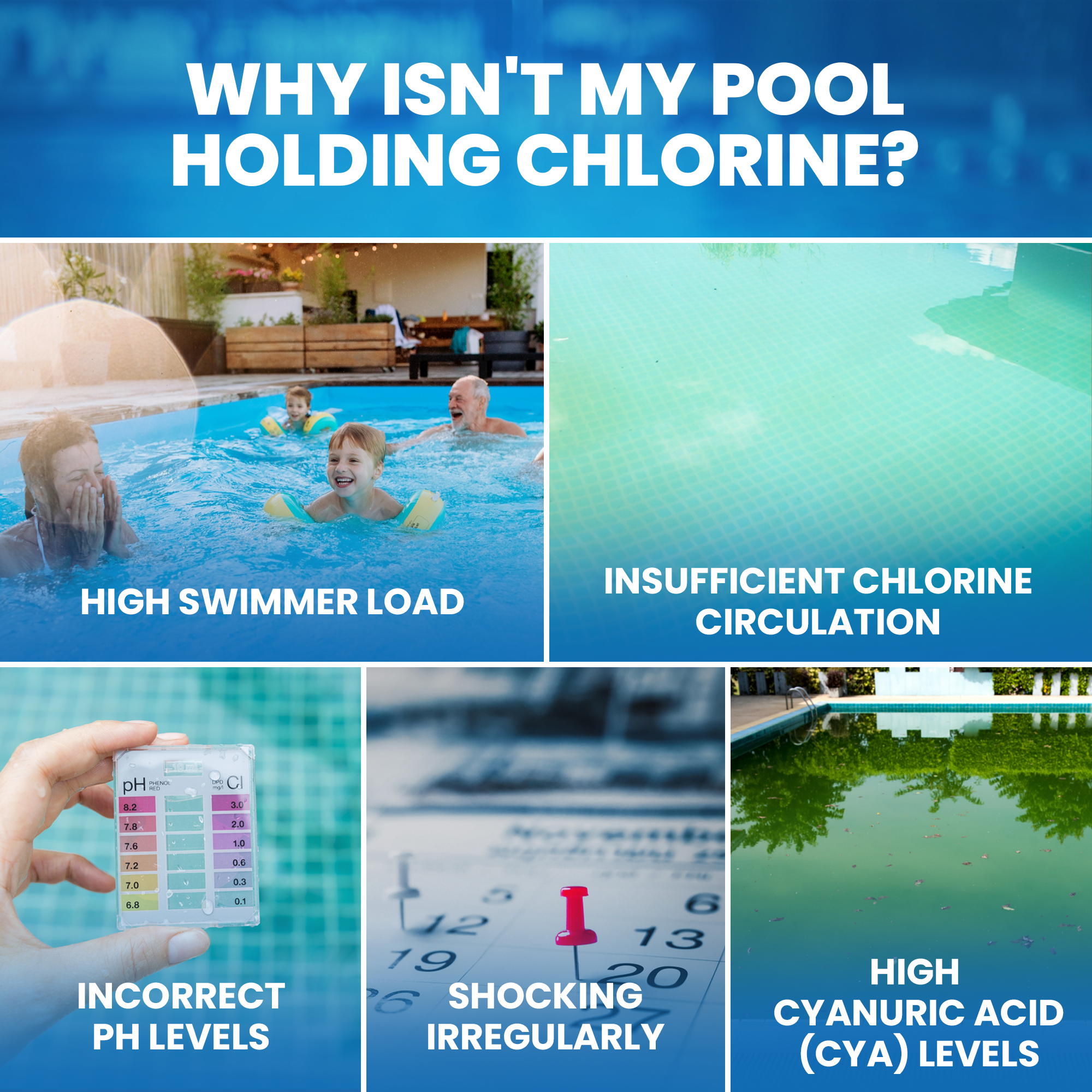
Credit: www.poolmaxx.co
Impact Of Pool Shock On Ph Levels
Pool shock is essential for clean and safe water. It helps remove bacteria and algae quickly. But many wonder how it affects the pool’s pH level. pH measures how acidic or basic the water is. Keeping pH in balance is key for swimmer comfort and equipment health.
Different types of pool shock change pH in different ways. Knowing these effects helps maintain the right water chemistry. This section explains how pool shock impacts pH levels clearly and simply.
Oxidizing Vs Non-oxidizing Shock
Pool shock comes in two main types: oxidizing and non-oxidizing. Oxidizing shock works by adding chlorine or other chemicals that break down contaminants. This type usually raises the pH slightly after use. It can make the water more basic for a short time.
Non-oxidizing shock kills algae and bacteria without adding chlorine. It often uses chemicals like potassium monopersulfate. This shock type tends to lower or keep pH stable. It does not raise pH as much as oxidizing shock.
Ph Changes With Different Shock Types
Oxidizing shocks like calcium hypochlorite increase pH because they add alkaline substances. The rise is small but noticeable. Pool owners should test and adjust pH after shocking to avoid problems.
Non-oxidizing shocks usually do not raise pH. Some may even lower it slightly. This makes them a good choice for pools with already high pH levels. Monitoring pH after treatment ensures the water stays balanced.
Overall, the type of shock used directly affects pH changes. Testing water regularly after shocking helps keep the pool safe and comfortable.
Factors Influencing Ph After Shocking
Shocking a pool can change the pH level. The pH may go up, stay the same, or even drop. Several factors decide how the pH reacts after shocking. Understanding these helps keep your pool safe and clear.
Water Chemistry Balance
The pool’s current chemistry affects pH changes after shocking. High alkalinity can resist pH shifts. Low alkalinity makes pH swing more easily. Total dissolved solids in water also play a role. These elements affect how shock chemicals react.
Dosage And Application Method
The amount of shock used impacts pH levels. Too much shock may raise pH quickly. Using the right dose keeps pH stable. How you add shock matters too. Spreading it evenly prevents pH spikes in one spot.
Managing Ph Levels Post-shock
Shocking a pool is important to kill bacteria and clear cloudy water. But it can also change the water’s pH level. Balancing pH after shocking keeps the water safe and comfortable to swim in.
Too high or too low pH can cause skin irritation and damage pool parts. Checking and adjusting pH after shock helps keep the pool clean and healthy.
Testing Ph After Shocking
Test the pool’s pH about 4 to 6 hours after shocking. Use a good quality test kit or test strips. This timing lets the chemicals mix well in the water.
Look for a pH level between 7.2 and 7.6. This range is ideal for swimmer comfort and sanitizer effectiveness. Record the results before making changes.
Adjusting Ph Safely
If pH rises above 7.6, add a pH reducer like muriatic acid or sodium bisulfate. Add small amounts at a time. Wait and test again before adding more.
If pH falls below 7.2, use a pH increaser like soda ash. Add it slowly and evenly around the pool. Avoid large changes to prevent water imbalance.
Always follow product instructions carefully. Wear gloves and eye protection when handling chemicals. Keep children and pets away during adjustments.
Common Mistakes With Pool Shock And Ph
Many pool owners make errors when using pool shock. These mistakes can cause pH levels to change unexpectedly. Improper use of shock affects water quality and swimmer comfort. Understanding common errors helps keep your pool safe and clean.
Pool shock is powerful and needs careful handling. Using it incorrectly can raise or lower pH too much. This section explains two common mistakes and how they impact your pool’s pH balance.
Overusing Shock
Adding too much shock is a frequent error. Excessive shock raises pH levels quickly. High pH causes cloudy water and scale buildup. It also reduces shock effectiveness over time. Use the correct amount based on your pool size. Follow product instructions carefully. Too much shock stresses pool equipment and swimmers.
Ignoring Ph Testing
Skipping pH tests after shocking is risky. You cannot know pH changes without testing. Ignoring tests leads to unbalanced water and pool damage. Test pH before and after shocking your pool. This helps adjust chemicals as needed. Regular testing keeps water safe and clear. Use simple test kits for quick results.

Credit: www.amazon.com
Tips For Effective Pool Shock Treatment
Proper pool shock treatment keeps your water clean and safe. It helps kill bacteria and clear cloudy water. Following simple tips makes the process easier and more effective.
Understanding when and how to shock your pool prevents problems. It also protects your pool’s surface and equipment. Use these tips to get the best results from your pool shock.
Best Times To Shock
Shock your pool in the evening or at night. Sunlight can reduce the strength of the shock treatment. Shocking at night keeps chemicals working longer. Avoid swimming for at least 8 hours after shocking.
Also, shock your pool after heavy rain or high use. These times increase contaminants and lower chlorine levels. Regular shocking during these periods keeps water balanced and clean.
Maintaining Balanced Water Chemistry
Test your pool water before and after shocking. Check pH, chlorine, and alkalinity levels. Pool shock can raise pH, so monitor it closely. Adjust pH to stay between 7.2 and 7.6 for best results.
Keep alkalinity stable to avoid pH swings. Use pH reducers if needed to keep water balanced. Balanced water helps pool shock work better and protects pool surfaces.

Credit: www.walmart.com
Frequently Asked Questions
Does Pool Shock Increase The Ph Level?
Pool shock usually raises the pH because it often contains alkaline chemicals like calcium hypochlorite.
How Does Pool Shock Affect Water Chemistry?
It boosts chlorine and can raise pH and alkalinity, changing the water balance.
Can Pool Shock Cause Ph To Drop Instead?
Some shock types, like liquid chlorine, can lower pH, but most raise it.
How To Control Ph After Adding Pool Shock?
Test water and add pH reducer if the pH rises too high.
Is It Safe To Swim After Shocking The Pool?
Wait until chlorine levels drop to safe limits, usually 24 hours after shocking.
Why Is Ph Balance Important After Pool Shocking?
Balanced pH keeps water clear, protects pool surfaces, and ensures chlorine works well.
Conclusion
Pool shock can raise your pool’s pH level. This happens because some types of shock contain chemicals that make the water more alkaline. Keeping pH balanced is important for clear water and swimmer comfort. Test your pool water often after shocking it.
Adjust the pH with the right chemicals if needed. Regular care helps keep your pool clean and safe. Now you know how pool shock affects pH. Managing it well keeps your pool healthy and enjoyable.