
Are you ready to give your kitchen a fresh new look? Measuring for a kitchen backsplash might seem simple, but getting it right is key to a perfect fit and a stunning finish.
If you’ve ever struggled with uneven cuts or wasted materials, this guide is for you. By learning how to measure carefully and accurately, you’ll save time, avoid costly mistakes, and feel confident choosing the right backsplash for your space. Keep reading, and you’ll discover easy steps that anyone can follow to measure like a pro.
Your dream kitchen makeover starts here!
Gather Your Tools
Gathering the right tools is the first step to measure for a kitchen backsplash. Having what you need ready makes the process faster and easier. It helps you get exact measurements without mistakes. Start by collecting basic items and add a few extras for accuracy.
Measuring Tape Essentials
A good measuring tape is the most important tool. Choose one that is sturdy and easy to read. A tape with a locking feature keeps the measurement in place. This tool helps you measure the length and height of your backsplash area. Make sure the tape is long enough to cover the entire space.
Additional Tools You Might Need
Besides the measuring tape, a pencil or marker is useful. Mark the points on the wall where measurements end. A level can check if the surface is even. Use a step stool for high or hard-to-reach spots. A notebook or phone app helps record your measurements clearly.
Prepare Your Space
Preparing your space is the first step before measuring for a kitchen backsplash. This step helps you get accurate measurements and a smooth installation process. A clear and clean area lets you work easily and avoid mistakes.
Clear The Counter Area
Remove all items from the countertop. Take away appliances, dishes, and decorations. Clearing the space gives you room to measure without obstacles. It also protects your belongings from dust or damage.
Clean The Wall Surface
Wipe down the wall where the backsplash will go. Use a mild cleaner to remove grease and dirt. A clean wall helps you measure more precisely. It also makes sure the backsplash sticks well later on.
Measure The Width
Measuring the width of your kitchen backsplash is a key step. It sets the foundation for a perfect fit. Accurate width measurement helps avoid costly mistakes. It ensures your backsplash covers the right area without gaps or overlaps. Follow simple steps to get this right.
Identify Starting And Ending Points
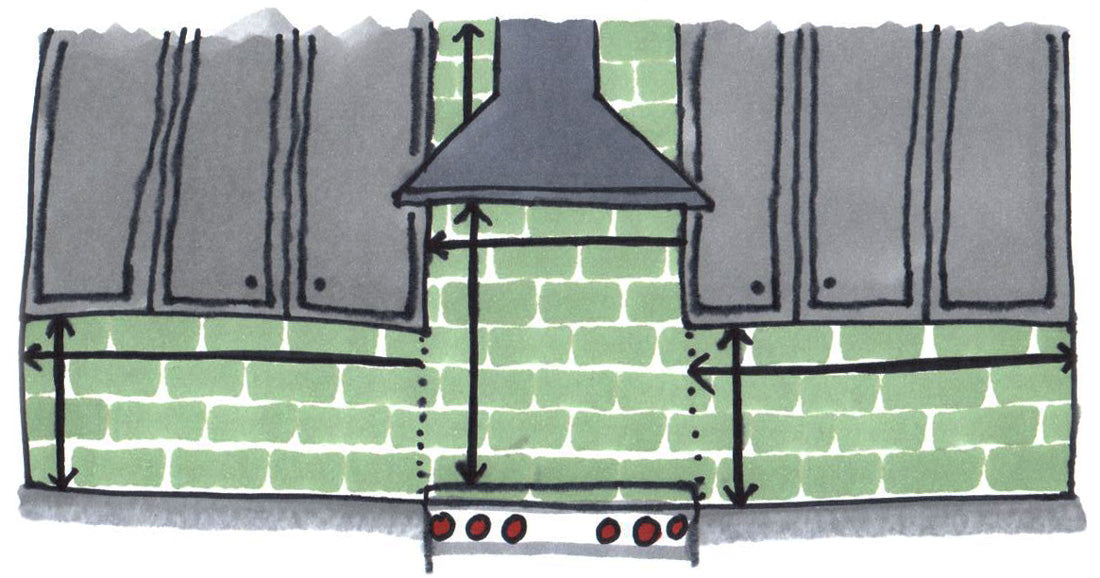
Find the exact spots where the backsplash will begin and end. Usually, it starts at one edge of the counter or wall. The endpoint is often where the counter or wall stops. Check for switches, outlets, or corners that may affect the width. Mark these points clearly with a pencil or tape. This helps keep your measurement precise.
Record Accurate Measurements
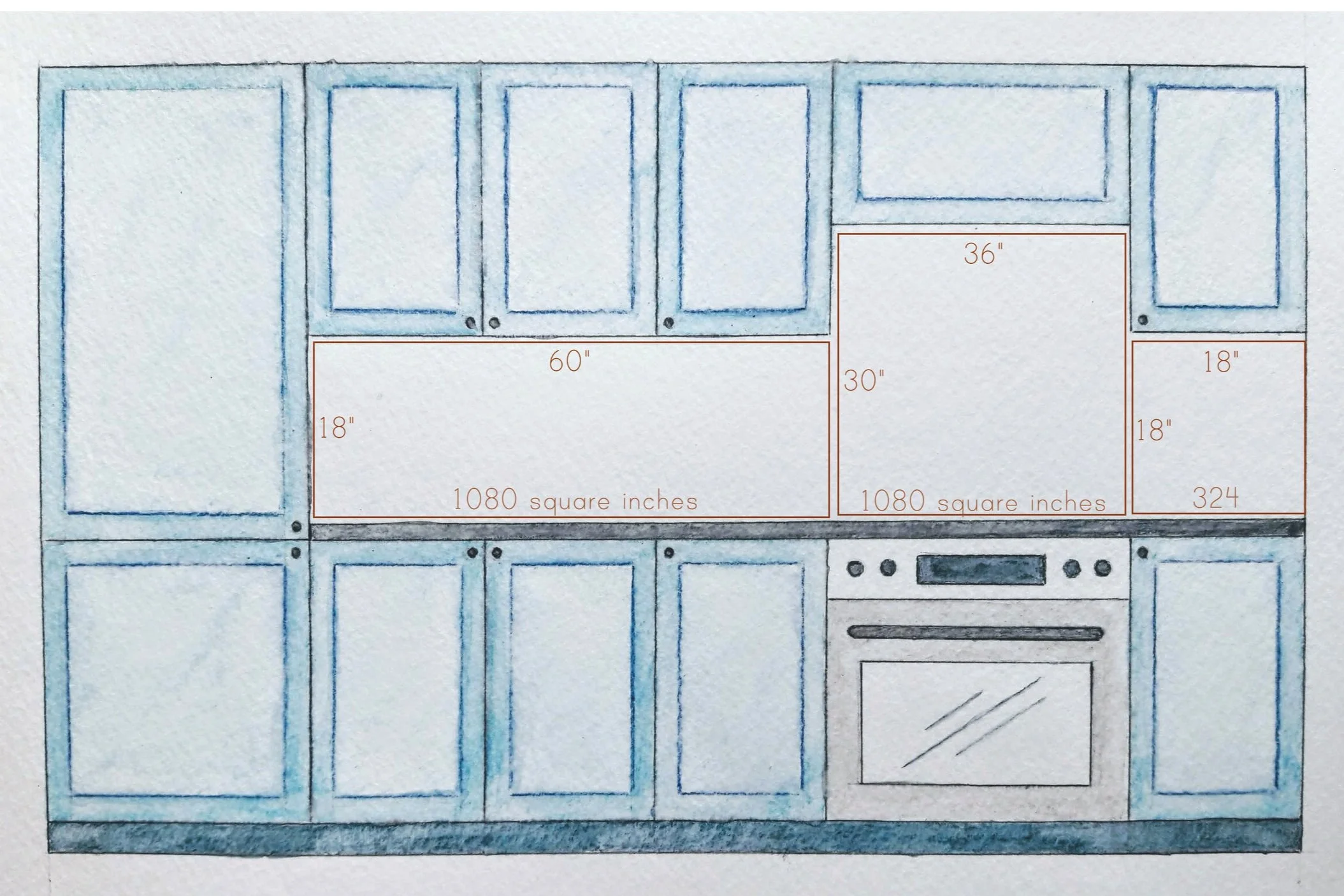
Use a tape measure for the best accuracy. Stretch it straight along the wall between your starting and ending points. Read the number carefully at each point. Write down the measurement right away. Double-check by measuring twice to avoid errors. Keep the tape level to prevent slanting. This ensures your backsplash size is just right.
Credit: www.lilyworktile.com
Measure The Height
Measuring the height for your kitchen backsplash is a key step in the process. It ensures a perfect fit and a neat look. Taking accurate height measurements prevents costly mistakes and helps you buy the right amount of material.
Focus on the vertical space between your countertop and the bottom of the cabinets or wall shelf. This space is where your backsplash will go. Let’s explore how to measure this height correctly.
Determine The Desired Backsplash Height
Decide how tall you want your backsplash to be. Typical heights range from 15 to 24 inches. Some people prefer the backsplash to reach the bottom of the upper cabinets. Others like it a few inches shorter or taller.
Think about your kitchen style. A taller backsplash can create a modern look. A shorter one might suit a classic kitchen better. Measure from the countertop to your chosen height mark. Use a tape measure for accuracy.
Note Variations Across The Wall
Kitchen walls are rarely perfectly even. Check the height at several points along the wall. Mark the measurements where the countertop meets the wall and where the backsplash will end.
Look for changes in cabinet height or countertop thickness. These can affect your backsplash height. Write down all measurements. Use the shortest height as your baseline to avoid gaps or overlaps.
Account For Obstacles
Measuring for a kitchen backsplash means working around obstacles. These obstacles include outlets, switches, windows, and cabinets. You must measure carefully to avoid mistakes. Taking precise measurements ensures the backsplash fits well and looks great.
Measure Around Outlets And Switches
Outlets and switches sit on your backsplash wall. Measure the width and height of each cover plate. Add space around these to cut the backsplash material accurately. Mark these areas on your template or wall. This step helps keep the backsplash neat and functional.
Include Windows And Cabinets
Windows and cabinets break up the backsplash area. Measure the space between the window and cabinets on both sides. Note the height from countertop to bottom of cabinets or windowsill. Record all these measurements carefully. It helps create a backsplash that fits perfectly around these fixtures.
Calculate Total Area
Calculating the total area for your kitchen backsplash is an important step. It helps you buy the right amount of material without waste or shortage. Start by measuring the width and height of each backsplash section. Then subtract areas where fixtures like windows or outlets will be.
Add Width And Height Measurements
Measure the width of each wall section where the backsplash will go. Use a tape measure and write down the number in inches or feet. Next, measure the height from the countertop to the bottom of the cabinets or the desired backsplash height. Multiply the width by the height to get the area for each section. Do this for all sections and add these areas together. This total gives you the gross backsplash area.
Subtract Areas For Fixtures
Look for any windows, electrical outlets, or appliances within the backsplash space. Measure the width and height of each fixture. Multiply these numbers to find the area of each opening. Add all these fixture areas together. Subtract this number from the gross backsplash area. This step gives you the net backsplash area to cover. This area is what you will use to order your backsplash material.
Double-check Your Numbers
Measuring for a kitchen backsplash needs care and focus. Double-checking your numbers avoids costly mistakes. Take your time to ensure the measurements are correct. This step saves effort and money later on.
Re-measure To Confirm Accuracy
Measure the wall space twice or thrice. Use a reliable tape measure for best results. Mark the start and end points clearly. Check the height and width carefully. Record each measurement on paper. Compare your numbers to spot differences. Small errors can affect the backsplash fit. Re-measuring gives confidence in your data.
Tips To Avoid Common Mistakes
Measure from the same points each time. Avoid measuring over obstacles like outlets or cabinets. Use a level to check for straight lines. Write down numbers immediately to avoid forgetting. Measure in inches for more precision. Ask someone to help hold the tape. Double-check corners and edges for accuracy. Avoid rushing through this important step.
Credit: mercurymosaics.com
Choose Your Backsplash Material
Choosing the right backsplash material is important for your kitchen. The material affects the look, durability, and cleaning ease. Different materials come in various sizes and shapes. Knowing this helps you measure correctly and avoid mistakes.
Consider Material Dimensions
Each backsplash material has its own size and thickness. Tiles come in small squares or large rectangles. Sheets of glass or metal are usually larger. Measure the size of each piece before buying. This helps you calculate how many pieces you need. Also, check the thickness to plan for installation space.
Plan For Waste And Cuts
Cutting tiles or sheets creates waste. Some pieces will not fit perfectly. Always add extra material for cuts and mistakes. A good rule is to add 10% more than your measured area. This extra material covers errors and future repairs. Plan cuts carefully to reduce waste and save money.
Prepare For Installation
Preparing for your kitchen backsplash installation ensures a smooth process. Careful planning helps avoid mistakes and saves time. Start by organizing everything you need based on your measurements.
Gather Supplies Based On Measurements
Use your measurements to list all materials required. Include tiles, adhesive, grout, spacers, and tools. Buy a little extra tile for cuts and future repairs. Gather safety gear like gloves and goggles. Having all supplies ready avoids interruptions during installation.
Create A Cutting Plan
Plan how you will cut the tiles before starting. Mark where cuts are needed to fit outlets or corners. Use a tile cutter or wet saw for clean edges. Arrange tiles to minimize small pieces and waste. A good cutting plan speeds up installation and improves the backsplash look.

Credit: mercurymosaics.com
Frequently Asked Questions
How Do I Measure For A Kitchen Backsplash?
Measure the width and height of the wall area behind your countertop. Subtract any outlet spaces. Use a tape measure for accuracy. Record the measurements in inches to ensure precise tile or material cuts.
What Tools Are Needed To Measure A Backsplash?
You need a tape measure, pencil, and notepad. A level can help ensure straight lines. These tools provide accurate measurements for a perfect backsplash fit.
Should I Include Outlets When Measuring Backsplash?
Yes, measure around outlets and switches carefully. Subtract their dimensions from the total backsplash area. This ensures proper tile placement without covering electrical fixtures.
How High Should A Kitchen Backsplash Be Measured?
Standard backsplash height ranges from 15 to 18 inches above the countertop. Measure from the countertop surface to the desired backsplash top edge. Adjust height based on kitchen design preferences.
Conclusion
Measuring for a kitchen backsplash is simple with the right steps. Start by measuring the width and height of your wall space. Double-check your numbers to avoid mistakes. Use a tape measure and note down each measurement clearly. Remember, accurate measurements help you choose the perfect backsplash size.
Taking your time will save you effort and money later. Now, you can shop confidently and create a beautiful kitchen space. Small steps lead to great results.