
Your kitchen’s hardwood floors add warmth and charm to your home. But daily spills, dropped utensils, and heavy foot traffic can quickly damage them.
You want to keep those floors looking beautiful for years, right? You’ll discover simple, effective ways to protect your hardwood floors without spending a fortune or hiring experts. By the time you finish reading, you’ll know exactly how to shield your floors from scratches, stains, and wear—keeping your kitchen inviting and stunning every day.
Let’s get started!
Choose Durable Finishes
Choosing the right finish protects your hardwood floors in the kitchen. Durable finishes shield floors from spills, scratches, and daily wear. They keep the wood looking fresh and new for longer. A strong finish also makes cleaning easier and prevents damage from moisture.
Types Of Hardwood Finishes
Hardwood floors have several finish options. Common types include polyurethane, oil-based, water-based, and wax finishes. Polyurethane is popular for kitchens due to its strength. Oil-based finishes soak into the wood and protect from inside. Water-based finishes dry faster and have less odor. Wax finishes add shine but need regular reapplication.
Benefits Of Polyurethane
Polyurethane creates a hard, protective layer on floors. It resists water, stains, and scratches well. This finish lasts longer in high-traffic areas like kitchens. It also highlights the wood’s natural color and grain. Cleaning becomes simple with polyurethane because dirt stays on the surface. It comes in satin, gloss, and matte options to match your style.
When To Use Oil-based Vs Water-based
Oil-based finishes give a warm, amber tone to hardwood. They take longer to dry but offer strong protection. Use oil-based if you want a classic look and durable finish. Water-based finishes dry quickly and have less smell. They keep the wood’s natural color without yellowing. Choose water-based for fast projects and a clear, modern look.
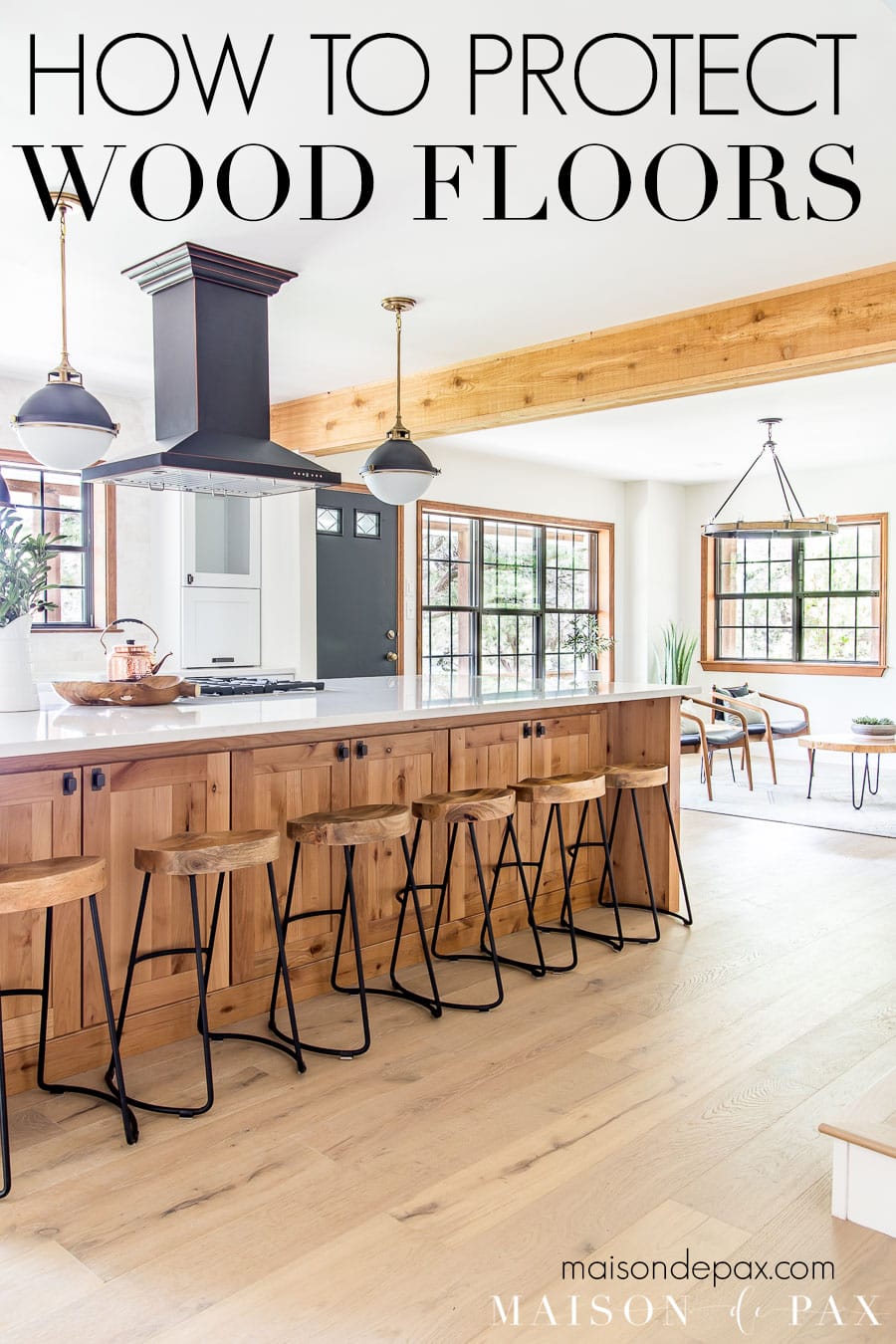
Credit: www.maisondepax.com
Prevent Water Damage
Water damage is a major threat to hardwood floors in the kitchen. Even small amounts of water can cause warping, staining, and permanent damage. Protecting your floors means stopping water from sitting on the wood for long. Simple daily habits and small changes help keep water away from your floor and extend its life.
Wipe Spills Immediately
Spills happen often in kitchens. Wiping them up right away prevents water from soaking into the wood. Use a soft cloth or paper towel to dry the area quickly. Avoid letting liquids pool or sit on the floor for any time. Quick action stops water damage before it starts.
Use Rugs Near Sinks
Areas near sinks get wet frequently. Placing rugs or mats there helps catch drips and splashes. Choose rugs with a waterproof backing to protect the floor underneath. Clean and dry the rugs regularly to avoid mold or mildew. Rugs act as a barrier, keeping hardwood dry and safe.
Maintain Proper Humidity Levels
Too much moisture in the air can harm hardwood floors. Keep indoor humidity between 30% and 50% to avoid swelling or shrinking. Use a dehumidifier or air conditioner during humid months. Proper humidity control protects wood from warping and cracking. It also creates a healthier kitchen environment.
Minimize Scratches And Dents
Hardwood floors in the kitchen look beautiful but are easy to scratch and dent. Small damages can make floors look old and worn quickly. Protecting these floors means taking simple steps daily. Minimizing scratches and dents keeps your kitchen floor looking fresh for years.
Use Furniture Pads
Furniture pads prevent scratches from chairs and tables. Place soft pads under each leg before moving furniture. These pads reduce friction and protect the wood surface. Replace worn-out pads often to keep them effective. This small step saves your floor from many scratches.
Avoid High Heels And Heavy Objects
High heels can leave dents on hardwood floors. Avoid walking on the kitchen floor with sharp heels. Heavy objects dropped on the floor cause deep dents. Lift and carry items carefully instead of dragging them. These habits reduce the risk of damage significantly.
Trim Pet Nails Regularly
Pets can scratch floors with long nails. Trim your pet’s nails often to keep them short. Short nails cause fewer scratches and protect the wood. Regular trimming is a simple way to keep floors safe. It also helps pets move comfortably on smooth surfaces.
Regular Cleaning Techniques
Regular cleaning keeps hardwood floors in the kitchen looking fresh and new. Dirt, dust, and spills can damage the wood if not removed quickly. Consistent care also helps avoid scratches and stains. Follow simple cleaning steps to protect your floors every day.
Sweep And Vacuum Daily
Sweeping removes loose dirt and crumbs that can scratch the floor. Use a soft-bristle broom to avoid damage. Vacuuming helps reach dirt in corners and between boards. Use a vacuum with a hardwood floor setting or a soft brush attachment. Clean floors prevent buildup that wears down the finish.
Choose The Right Cleaning Products
Select cleaners made for hardwood floors. Harsh chemicals can strip the wood’s finish. Look for pH-neutral products that clean without causing harm. Avoid wax-based or oil soaps that leave residue. Test new products in a small, hidden area first. Proper cleaners keep floors shiny and safe.
Avoid Excessive Water
Water can cause wood to swell and warp. Use a damp mop, not a wet one, to clean spills. Wring out the mop well before use. Quickly wipe up any standing water or spills. Dry floors prevent damage and keep wood strong. Use microfiber mops for gentle, effective cleaning.
Add Protective Accessories
Protecting hardwood floors in the kitchen is important. Adding protective accessories helps keep floors safe from scratches, spills, and heavy foot traffic. These simple items act as shields, making your floors last longer and look better.
Use Area Rugs And Mats
Place area rugs in spots with high traffic or near the sink. Rugs catch water and food spills before they reach the floor. Choose rugs with non-slip backing to avoid accidents. Clean rugs regularly to prevent dirt buildup that can scratch floors.
Install Door Mats
Use door mats outside and inside kitchen entrances. Mats trap dirt and moisture from shoes. This stops grime from spreading across hardwood floors. Choose mats that are easy to clean and dry quickly to protect your floors effectively.
Consider Floor Protectors For Appliances
Appliances like refrigerators and dishwashers can scratch floors when moved. Place floor protectors or pads under appliance feet. These protectors reduce pressure and prevent dents or scratches. They also make it easier to slide appliances during cleaning or repairs.
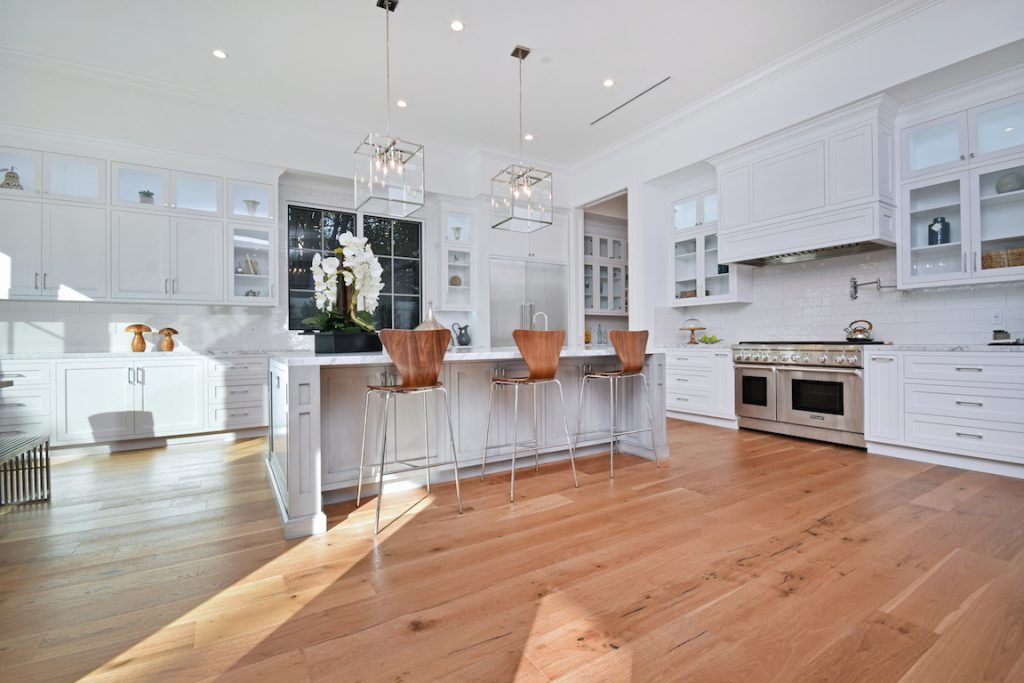
Credit: www.urbanfloor.com
Routine Maintenance Tips
Routine maintenance is key to keeping hardwood floors in the kitchen beautiful. Regular care stops small problems from growing. It also keeps the floor safe and smooth. Follow these simple steps to protect your hardwood floors every day.
Refinish Floors Periodically
Hardwood floors need refinishing over time to stay strong. Sanding and sealing remove scratches and stains. Refinishing brings back the shine and protects wood from moisture. A fresh finish makes floors last longer and look new.
Address Damage Promptly
Fix dents, scratches, or water spots quickly. Small damage can turn into big problems. Use wood filler or touch-up kits for minor marks. Clean spills immediately to prevent stains and warping. Timely repairs keep floors healthy and smooth.
Schedule Professional Inspections
Experts can spot hidden issues early. Schedule inspections once a year or every two years. Professionals check for cracks, gaps, and water damage. Their advice helps avoid costly repairs. Regular inspections keep floors in top shape.
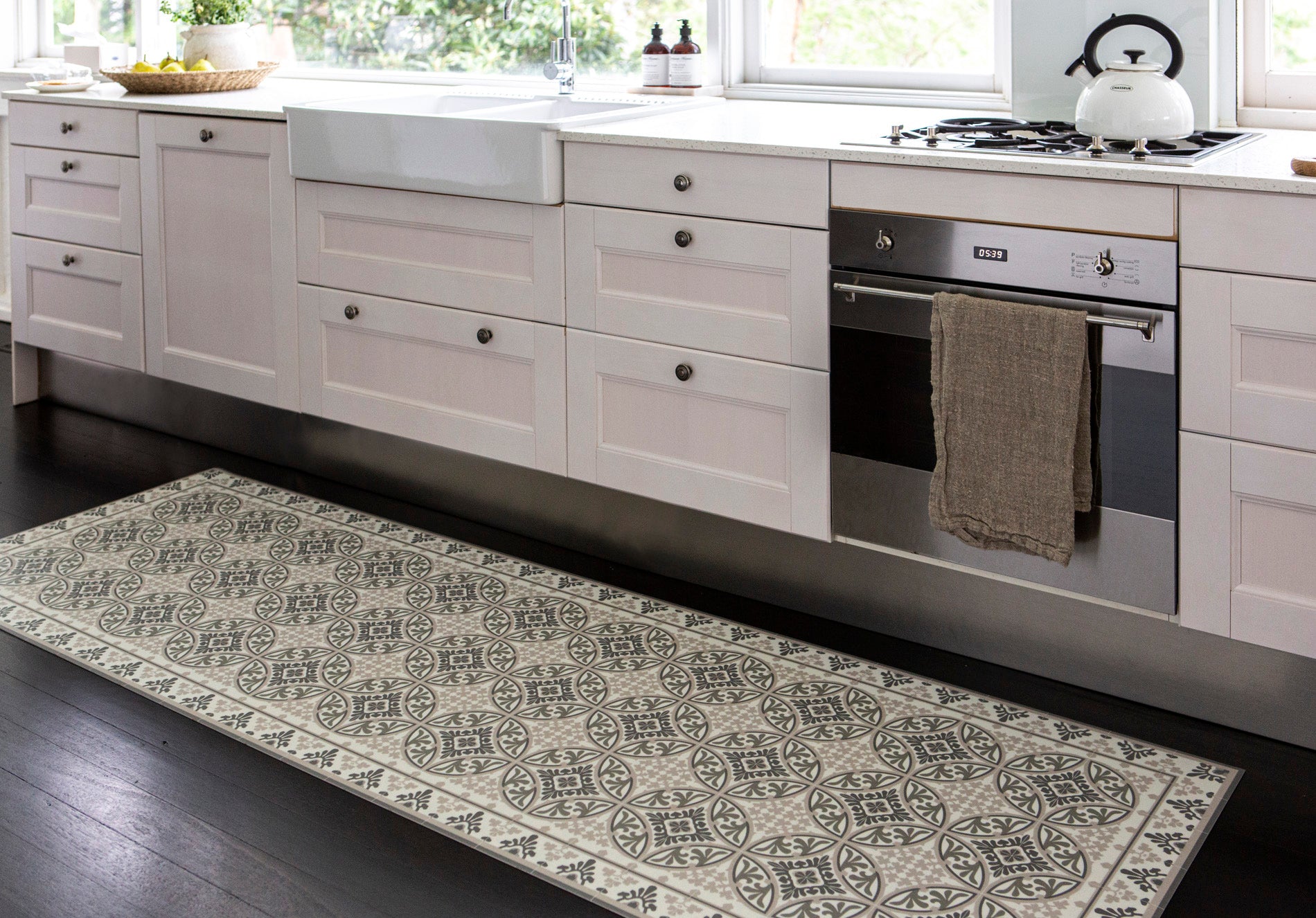
Credit: www.scriptsender.com
Frequently Asked Questions
How Can I Prevent Scratches On Hardwood Kitchen Floors?
Use protective pads under furniture and avoid dragging heavy items. Clean regularly to remove dirt and grit that cause scratches. Place rugs in high-traffic areas to minimize wear and tear, protecting your hardwood floors effectively.
What Is The Best Way To Clean Hardwood Floors In Kitchens?
Use a damp mop with a hardwood floor cleaner or a mild soap solution. Avoid excessive water to prevent warping. Wipe spills immediately to protect the wood and maintain its finish and durability.
How Often Should Hardwood Floors Be Sealed In A Kitchen?
Seal hardwood floors every 3 to 5 years, depending on wear and traffic. Sealing protects against moisture and stains, extending your floor’s life and keeping it looking fresh and polished.
Are Rugs Helpful For Protecting Hardwood Floors In Kitchens?
Yes, rugs absorb spills and reduce foot traffic wear. Choose non-slip, breathable rugs to prevent moisture buildup and slipping hazards. Rugs add both protection and style to your kitchen hardwood floors.
Conclusion
Protecting hardwood floors in the kitchen helps them last longer. Clean spills quickly to avoid stains and damage. Use rugs or mats in high-traffic areas. Avoid harsh cleaners that can wear down the finish. Regularly sweep or vacuum to remove dirt and grit.
Small steps keep floors looking fresh and beautiful. A little care goes a long way. Keep your kitchen floors strong and shining every day.