
Mold in your kitchen cabinets can cause more than just an unpleasant smell—it can damage your cabinets and affect your health. If you’ve ever spotted those dark spots or felt a musty odor when opening a cabinet, you know how frustrating it can be.
But here’s the good news: you don’t have to live with it. By taking a few simple steps, you can stop mold before it starts and keep your kitchen fresh and safe. Ready to protect your home and breathe easier?
Keep reading to discover easy, practical ways to prevent mold in your kitchen cabinets.

Credit: gesealants.com
Causes Of Mold In Kitchen Cabinets
Mold in kitchen cabinets grows because of certain common causes. Understanding these causes helps prevent mold growth. Mold needs moisture and a food source to grow. Kitchen cabinets often provide both.
Several factors create an environment where mold thrives. Moisture is the main factor. Other conditions include poor airflow and leaks. These conditions make cabinets a perfect place for mold.
Moisture Sources
Moisture comes from many places in a kitchen. Steam from cooking raises humidity levels. Wet dishes and spills add water to cabinet surfaces. Dampness stays trapped inside cabinets without drying quickly. Mold grows quickly in such wet conditions.
Poor Ventilation
Air circulation is important to keep cabinets dry. Poor ventilation traps humid air inside cabinets. Stagnant air increases moisture buildup. Without fresh air, damp areas stay moist longer. This creates a perfect home for mold.
Leaky Pipes And Fixtures
Leaks under the sink cause hidden moisture problems. Small drips or slow leaks keep cabinets wet. Water damage may go unnoticed for weeks. Persistent leaks create damp spots that mold loves. Fixing leaks quickly stops mold growth.
Signs Of Mold Growth
Mold in kitchen cabinets can cause serious problems. It harms your health and damages your home. Knowing the signs of mold growth helps you act fast. Early detection can save your cabinets and keep your kitchen safe.
Visible Discoloration
Look for spots that are green, black, or white. Mold often shows as patches or streaks. These marks may appear on cabinet surfaces or inside corners. Sometimes, the color looks fuzzy or slimy. Check behind doors and under shelves for hidden spots.
Musty Odors
A strong, damp smell often means mold is nearby. This odor is sour and unpleasant. It may smell like wet clothes or earth. Even if you can’t see mold, a musty smell is a clue. The smell gets worse in warm or humid weather.
Warped Or Damaged Surfaces
Mold can cause wood to swell or bend. Cabinet doors may not close properly. Surfaces might feel soft or crumbly to touch. Paint or finish could peel or bubble. These signs mean moisture and mold have damaged the wood.
Cleaning Mold Safely
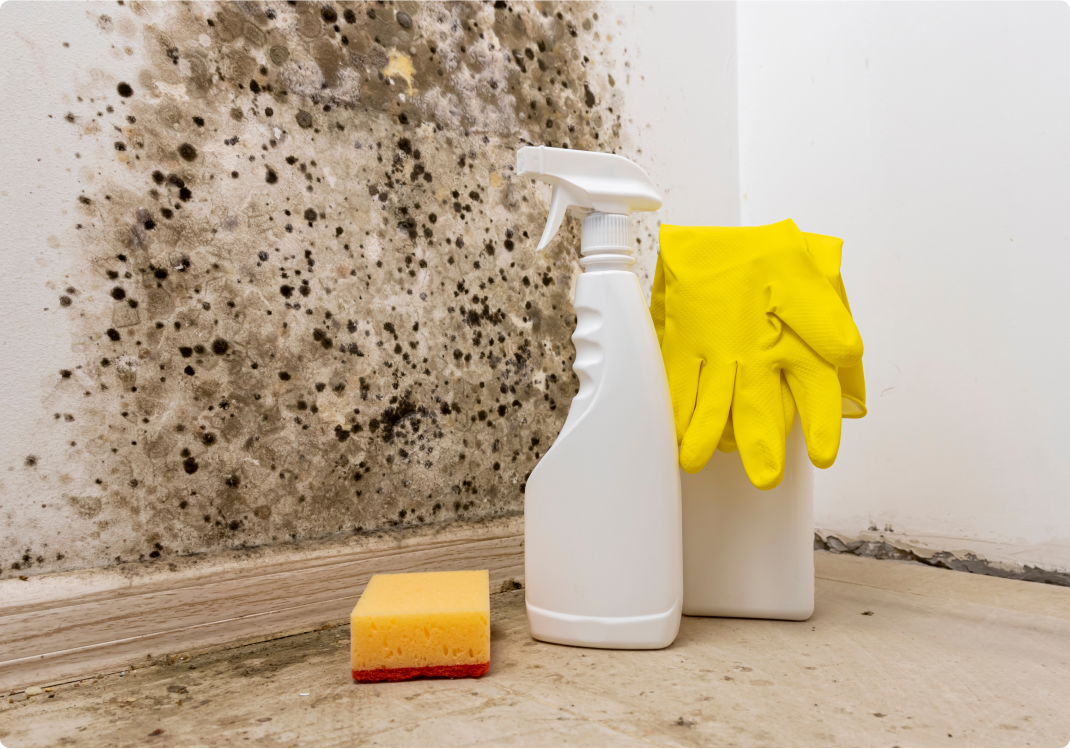
Cleaning mold from kitchen cabinets requires care and safety. Mold can cause health problems and spread quickly. Protecting yourself and using the right methods helps remove mold without risks. Follow simple steps to clean mold safely and keep your kitchen fresh.
Protective Gear To Use
Wear gloves to protect your hands from mold and cleaning chemicals. Use a mask to avoid breathing mold spores. Goggles keep your eyes safe from splashes. Long sleeves and pants stop mold from touching your skin. Always work in a well-ventilated area.
Effective Cleaning Solutions
Use a mixture of water and mild detergent for light mold. For tougher mold, a solution of one part bleach and ten parts water works well. White vinegar is a natural option that kills many mold types. Avoid using strong chemicals that can damage cabinets or harm health.
Steps For Removing Mold
First, remove items from the cabinets. Next, wipe the moldy areas with a damp cloth to remove surface mold. Then, apply the cleaning solution and scrub gently with a soft brush. Rinse the area with clean water and dry it completely. Finally, keep cabinets dry to prevent mold from returning.

Credit: www.wikihow.life
Reducing Moisture In Cabinets
Moisture is the main cause of mold growth inside kitchen cabinets. Stopping moisture build-up keeps cabinets dry and mold-free. Simple steps can lower moisture levels and protect your kitchen.
Fixing Leaks Promptly
Leaks under sinks or from pipes raise moisture inside cabinets. Check plumbing often. Repair leaks quickly to stop water from soaking wood or other materials. A small drip can cause big damage over time.
Using Dehumidifiers
Dehumidifiers pull extra moisture from the air. Place one near cabinets with poor ventilation. This tool helps keep the air dry and lowers the chance of mold growth. Choose a small, quiet model for the kitchen area.
Improving Air Circulation
Good airflow stops damp spots from forming. Leave cabinet doors open for a while each day. Use vents or fans to move air around the kitchen. This dries out cabinets and keeps mold away.
Preventive Maintenance Tips
Preventive maintenance is key to stopping mold in kitchen cabinets. It keeps your space fresh and safe. Small actions every week can make a big difference. These tips help you avoid moisture buildup, the main cause of mold growth.
Regular Inspections
Check your cabinets often for signs of mold or moisture. Look inside and behind the doors. Pay attention to dark spots or a musty smell. Early detection helps stop mold before it spreads. Use a flashlight to see hidden corners clearly.
Sealing Cabinet Surfaces
Apply a sealant to cabinet surfaces to block moisture. Use water-resistant paint or varnish on wood cabinets. Seal gaps and edges where water can enter. This creates a protective layer to keep moisture out. Reapply sealant every year or after cleaning.
Organizing Cabinets To Avoid Dampness
Keep cabinets tidy and dry to stop dampness. Use shelves and containers to separate items. Avoid storing wet or damp items inside. Leave space for air to move freely. Good airflow reduces moisture and prevents mold growth.
Choosing Mold-resistant Materials
Choosing mold-resistant materials for kitchen cabinets plays a key role in keeping mold away. Cabinets face moisture from cooking, cleaning, and spills. Materials that resist mold growth help protect your kitchen environment. These materials reduce the chance of damage and keep your cabinets looking good longer.
Types Of Mold-resistant Cabinets
Cabinets made from solid wood often absorb moisture and can grow mold. Mold-resistant options include metal, PVC, and specially treated wood. Metal cabinets do not absorb water and are easy to clean. PVC cabinets resist moisture and are less likely to develop mold. Treated wood cabinets have coatings that block moisture and mold spores. Choosing these types cuts mold risks in humid kitchen spaces.
Benefits Of Coatings And Sealants
Applying mold-resistant coatings and sealants adds a strong layer of defense. These protect cabinet surfaces from moisture and mold spores. Sealants fill tiny cracks where mold might start growing. Coatings also make cabinets easier to clean and maintain. Regularly reapplying sealants keeps cabinets protected over time. This simple step boosts your kitchen’s mold resistance effectively.
Credit: www.ahs.com
Frequently Asked Questions
How Can I Stop Mold Growth In Kitchen Cabinets?
Keep cabinets dry by fixing leaks and using a dehumidifier. Clean regularly with mold-killing solutions. Ensure proper ventilation in the kitchen to reduce moisture buildup.
What Causes Mold To Form Inside Kitchen Cabinets?
Mold forms due to moisture, poor ventilation, and leaks. Warm, damp environments encourage mold spores to grow inside cabinets. Food residue and spills also contribute to mold development.
Which Cleaning Products Prevent Mold In Cabinets?
Use solutions with vinegar, baking soda, or commercial mold removers. These effectively kill mold and prevent regrowth. Avoid harsh chemicals that damage cabinet surfaces.
How Often Should Kitchen Cabinets Be Checked For Mold?
Inspect cabinets monthly for signs of moisture or mold. Early detection helps prevent extensive damage. Clean and dry cabinets immediately if mold is found.
Conclusion
Keeping kitchen cabinets dry helps stop mold growth. Clean spills and leaks quickly. Use a dehumidifier or open windows for air flow. Store food in sealed containers to avoid moisture. Regularly check cabinets for signs of mold or damp spots.
Small actions now save big problems later. Healthy kitchens mean safer food and happier homes. Simple steps keep your kitchen fresh and mold-free.