
Choosing the right kitchen cabinet color can completely transform your space. It’s more than just picking a shade you like—it sets the mood, affects how big or cozy your kitchen feels, and even impacts your daily cooking experience.
But with so many options out there, how do you make sure you pick the perfect color for your kitchen cabinets? This guide will help you cut through the confusion and choose a color that fits your style, lighting, and lifestyle.
Keep reading, and you’ll discover simple tips that make this important decision easier and more fun than you ever imagined.
Credit: kitchencabinetkings.com
Assess Your Kitchen Style
Assessing your kitchen style is the first step to picking the perfect cabinet color. Your kitchen’s design sets the tone for the entire space. Cabinets should fit smoothly into that style. This makes the room feel balanced and inviting.
Think about the overall look you want. Is your kitchen modern and sleek? Or cozy and traditional? Each style works best with certain colors. Knowing your style helps narrow down your choices. It also ensures the cabinets enhance the kitchen’s vibe.
Match Cabinets To Kitchen Design
Cabinets should reflect your kitchen’s design style. For a modern kitchen, choose bold colors or clean whites. These create a crisp, fresh look. In a farmhouse or rustic kitchen, warm wood tones or soft pastels work well. They add charm and comfort.
Classic kitchens often benefit from neutral shades like beige or gray. These colors keep things timeless and elegant. Match cabinet colors with other elements such as countertops, backsplashes, and flooring. This creates a unified look throughout the space.
Consider Cabinet Material And Finish
Cabinet color looks different on various materials. Wood cabinets show grain and texture, adding depth to the color. Painted cabinets offer a smooth, even color finish. Consider how the finish affects the room’s light and mood.
Glossy finishes reflect light and brighten the kitchen. Matte finishes absorb light for a softer, calmer feel. Choose a finish that suits your kitchen’s style and your personality. The right combination of material and finish makes your cabinet color stand out beautifully.
Credit: kitchencabinetkings.com
Explore Popular Color Trends
Choosing the right kitchen cabinet color can change the whole look of your space. Explore popular color trends that suit different styles and moods. Understanding these trends helps you pick a color that lasts and feels right.
Neutral Shades For Timeless Appeal
Neutral shades like white, beige, and gray never go out of style. They create a calm and clean look in the kitchen. These colors blend well with almost any decor and make the space feel bigger. Neutral cabinets offer flexibility to change other elements without repainting.
Bold Colors For Modern Impact
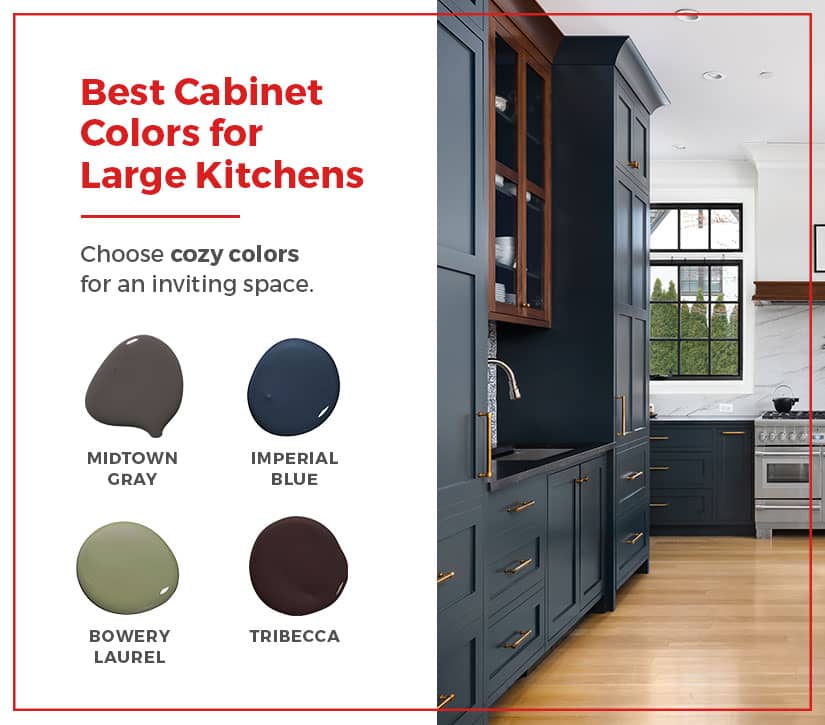
Bold colors such as navy blue, forest green, or black add drama and style. They create a strong statement and a modern vibe. These colors work well in large kitchens or paired with lighter walls. Bold cabinets bring personality and energy to your cooking area.
Pastels And Soft Tones
Soft pastel colors like mint green, pale blue, or blush pink add charm and warmth. They create a fresh and inviting atmosphere. Pastels work well in smaller kitchens or vintage-style designs. These gentle hues brighten the space without overwhelming it.
Balance Color With Lighting
Choosing the right kitchen cabinet color means thinking about lighting. Light changes how colors look. Bright light can make colors look fresh and clear. Dim light can make the same colors feel dull or dark. Balancing color with lighting helps your kitchen feel warm and inviting. It also shows your cabinets in their best light.
Natural Light Effects
Natural light comes from windows and doors. It changes throughout the day. Morning light is soft and warm. Afternoon light is bright and cool. Evening light is dim and golden. Light from the north is cooler and bluer. South-facing light is warmer and yellower. Dark cabinet colors can look rich in bright natural light. But they might seem heavy in low light. Light colors can brighten a kitchen that lacks natural light. Watch how sunlight moves in your kitchen before picking a color.
Artificial Lighting Choices
Artificial lights include bulbs, fixtures, and lamps. They vary in color temperature. Warm light bulbs give off a yellow glow. Cool light bulbs create a white or blue tone. LED lights can be warm or cool. Bright lights make colors pop. Soft lights create a cozy feel. Under-cabinet lights highlight the cabinet finish well. Overhead lights affect the whole room’s look. Choose cabinet colors that match your artificial light style. Test paint samples under your kitchen lights before deciding.
Coordinate With Countertops And Backsplash
Choosing the right kitchen cabinet color means thinking about your countertops and backsplash. These three elements work together to create the kitchen’s look. Picking colors that fit well with your countertops and backsplash can make your kitchen feel balanced and inviting.
Harmonizing Colors And Patterns
Matching cabinet colors with the tones in your countertops and backsplash creates harmony. Look at the main colors in your stone, tile, or laminate surfaces. Soft, neutral cabinet colors like white, beige, or gray often blend well with many countertop shades. Patterns in the backsplash can also guide your cabinet color choice. If the backsplash has busy patterns, choose simple cabinet colors to avoid clashing.
Creating Contrast Or Complement
Contrast adds energy to your kitchen design. Dark cabinets can make light countertops pop. Light cabinets can brighten darker countertops. Complementary colors sit opposite each other on the color wheel, offering a vibrant look. For example, blue cabinets with warm beige countertops create an eye-catching contrast. Complementing colors bring calmness. Cabinets in a similar shade to your backsplash or countertop provide a smooth, seamless look.
Consider Kitchen Size And Layout
Choosing the right kitchen cabinet color depends a lot on the kitchen’s size and layout. Colors can change how big or small a space feels. They can also affect the kitchen’s mood and flow. Understanding the size and shape of your kitchen helps pick colors that fit well. This makes the kitchen look balanced and inviting.
Color Choices For Small Kitchens
Light colors make small kitchens feel bigger and brighter. Whites, creams, and soft pastels open up the space. They reflect more light, which helps the kitchen feel airy. Avoid dark colors that can make the space look cramped. Simple colors keep the kitchen clean and fresh. Using one color tone keeps the look smooth and less busy.
Colors That Enhance Open Spaces
Open kitchens benefit from colors that create warmth and depth. Medium tones like greys, blues, and greens work well. They add personality without overwhelming the space. Darker colors can define areas in large kitchens. Using contrasting colors on cabinets and walls adds interest. Balance bright and dark shades to keep the space welcoming.

Credit: ootwc.com
Test Samples Before Deciding
Choosing the right color for your kitchen cabinets is a big decision. Testing samples first helps avoid mistakes. Colors can look different under various lights. Testing helps you see the true shade in your kitchen space. It saves time and money by preventing costly errors.
Using Paint Swatches
Paint swatches are small paper strips with color samples. They are easy to get from paint stores. Hold swatches against your cabinets and walls. Look at them during different times of the day. Notice how natural and artificial light changes the color.
Compare several swatches side by side. This helps find the best match for your kitchen theme. Swatches are affordable and simple to use. They give a quick idea of how colors might look.
Applying Sample Boards
Sample boards show larger areas of paint color. Use a wooden or cardboard board to paint your chosen colors. Place the board in different spots in your kitchen. This shows how the color looks on a bigger surface.
Look at the board in bright and dim light. This test helps you see the real color before painting cabinets. Sample boards give a clearer picture than swatches. They help you feel confident in your color choice.
Think About Long-term Appeal
Choosing a kitchen cabinet color is not just about style today. Think about how it will look years from now. A color that stays fresh and appealing adds value to your home. It also saves money on repainting or remodeling. This section helps you pick colors that last and avoid mistakes.
Choosing Colors That Age Well
Pick colors that stay attractive over time. Neutral tones like white, beige, gray, and soft pastels work well. These colors blend with many styles and decorations. They make the kitchen feel bright and clean. Darker shades can also work if balanced with light elements.
Consider the kitchen’s natural light. Colors look different in sunlight and artificial light. Test paint samples on your cabinets before deciding. Think about how the color fits with other rooms in your home. A timeless color creates harmony throughout the house.
Avoiding Overly Trendy Shades
Trendy colors may seem exciting now but often lose appeal fast. Bright neon or very dark colors may become outdated quickly. These shades can limit your future design choices. Avoid colors that are too bold or unusual for kitchen cabinets.
Choose colors that give you flexibility. You can update accessories and wall colors without changing cabinets. A timeless cabinet color keeps your kitchen looking modern longer. It helps you sell your home easier if you decide to move.
Incorporate Personal Style
Choosing a kitchen cabinet color is more than just picking a shade. It is about showing who you are. Your kitchen reflects your style and taste. This makes your space feel warm and inviting. Incorporating your personal style helps create a kitchen that feels truly yours.
Reflecting Personality Through Color
Colors speak without words. Bright colors show energy and fun. Soft pastels bring calm and peace. Dark colors add depth and drama. Choose colors that match your mood and lifestyle. Your personality can shine through your cabinet colors. This makes your kitchen unique and special.
Mixing And Matching Cabinet Colors
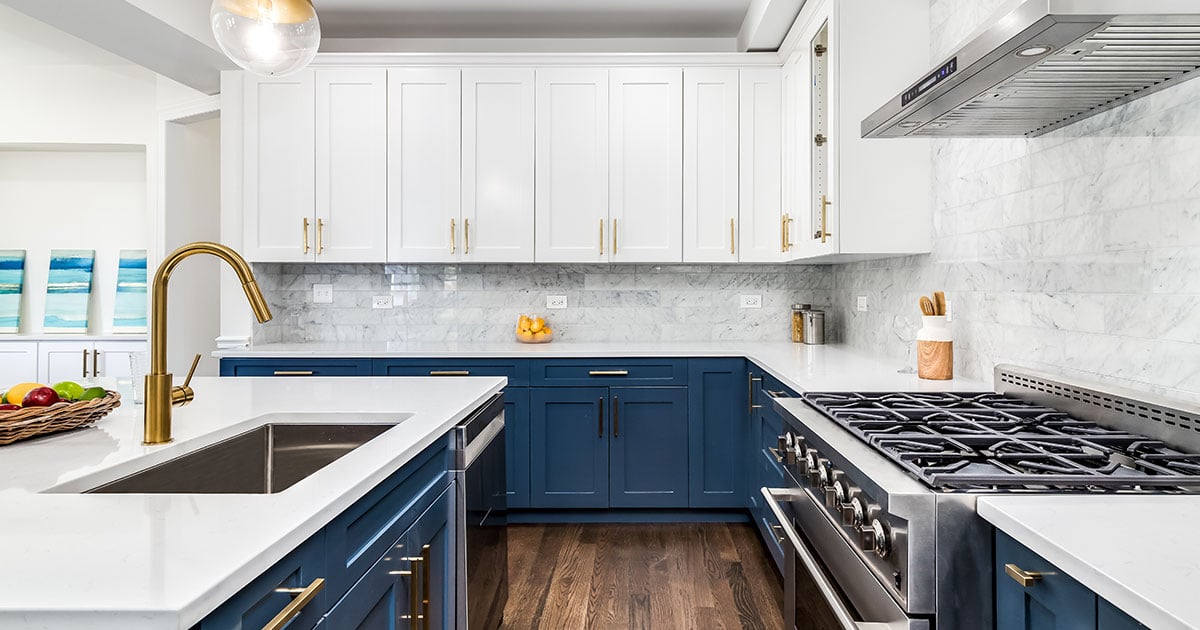
Using more than one color adds interest. Try mixing light and dark shades for balance. Use one color for upper cabinets and another for lower. This breaks the space into parts. Choose colors that work well together. Mixing colors allows creativity and shows your style clearly.
Frequently Asked Questions
What Factors Influence Kitchen Cabinet Color Choices?
Lighting, kitchen size, existing décor, and personal style influence cabinet color. Consider these to match your kitchen’s mood and functionality.
How Do Cabinet Colors Affect Kitchen Space Perception?
Light colors make kitchens look larger and brighter. Dark colors add warmth but may make small kitchens feel smaller.
Which Cabinet Colors Increase Home Resale Value?
Neutral shades like white, gray, and beige are popular. They appeal to most buyers and suit various styles.
Can I Mix Cabinet Colors In One Kitchen?
Yes, mixing colors like two-tone cabinets adds depth and interest. Balance bold choices with neutral tones for harmony.
Conclusion
Choosing the right kitchen cabinet color makes a big difference. It sets the mood and style of your space. Think about your kitchen’s size and light. Pick colors that match your taste and home design. Don’t rush—take your time to decide.
A good choice will make your kitchen feel warm and inviting. Enjoy the process of creating a space you love. Your perfect kitchen starts with the right color.