
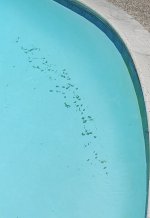
Have you ever looked at your pool and noticed strange green or brown patches floating or sticking to the walls? Those are often dead algae, and spotting them early can save you a lot of trouble.
Seeing pictures of dead algae in a pool can help you understand what to watch for and how serious the problem might be. If you want to keep your pool clean, clear, and inviting, knowing how dead algae look is the first step.
Keep reading to learn more about identifying dead algae and what you can do to tackle it before it takes over your pool.
Credit: www.troublefreepool.com
Identifying Dead Algae
Dead algae in pools can be tricky to spot. Knowing how to identify it helps keep your pool clean. Dead algae look different from live algae. This section explains the signs to watch for and how dead algae affect your water.
Common Types In Pools
Several algae types appear in pools. Green algae are the most common. They turn dead algae into a dull green or yellow color. Black algae are tough and stick to pool walls. When dead, they turn gray or white. Mustard algae look yellow or brown. Dead mustard algae fade and lose their bright color.
Visual Characteristics
Dead algae lose their bright colors. They often look dull or faded. The texture changes from slimy to flaky or powdery. Dead algae may clump and break apart easily. You might see patches of white, gray, or yellow. These spots stand out against clear blue water.
Effects On Water Quality
Dead algae can still harm water quality. They add debris and cloud the water. This dirt makes the pool look dirty and uninviting. Dead algae can clog filters and pumps. This reduces water circulation and cleanliness. Removing dead algae quickly prevents bigger problems.

Credit: www.reddit.com
Causes Of Algae Growth
Algae growth in pools is a common problem that many pool owners face. Understanding the causes helps prevent it and keep your water clear. Several factors contribute to algae development, making your pool a perfect place for these tiny plants to thrive.
Environmental Factors
Warm weather encourages algae growth. Pools exposed to direct sunlight often have higher algae risks. Rain can wash dirt and nutrients into the pool. Leaves and debris also provide food for algae. Poor water circulation creates spots where algae can grow fast.
Pool Maintenance Issues
Skipping regular cleaning allows algae to settle. Dirty filters fail to trap algae spores. Not brushing pool walls lets algae stick and spread. Infrequent vacuuming leaves organic matter in the pool. Neglecting maintenance creates an inviting environment for algae.
Chemical Imbalances
Incorrect chlorine levels fail to kill algae effectively. High pH levels make chlorine less active. Low sanitizer levels allow algae to grow. Poor water balance affects the pool’s ability to fight algae. Maintaining proper chemical levels is key to algae control.
Visual Signs Of Dead Algae
Dead algae in pools show clear visual signs. Spotting these signs helps keep your pool clean. Recognizing dead algae early stops spread and buildup. Below are key signs to watch for.
Color Changes
Dead algae often lose their green color. They turn brown, yellow, or black. These color changes signal algae death and decay. The faded color looks dull and lifeless. Bright green patches usually mean live algae.
Texture Differences
Dead algae feel slimy or fuzzy on pool surfaces. The texture becomes rough or flaky as algae die. You might see clumps that break apart easily. Live algae feel slippery and soft. Texture changes help identify dead algae fast.
Location Patterns
Dead algae often gather in corners or shaded areas. They stick near pool drains or steps. These spots trap algae and debris. Floating dead algae may collect on the water surface. Notice where algae concentrate for better cleaning.
Tools Needed For Removal
Removing dead algae from a pool needs the right tools. These tools help clear the water and keep the pool safe and clean. Using proper equipment makes the job easier and faster. It also stops algae from growing again.
Cleaning Equipment
A pool brush is vital for scrubbing algae off surfaces. Use a vacuum to remove algae from the bottom. A net skimmer helps catch floating debris and dead algae. These tools work together to clean all parts of the pool.
Chemical Treatments
Chlorine is the most common chemical to kill algae. Algaecides help stop algae from returning. pH balancers keep the water balanced for chemicals to work well. Using the right chemicals keeps the pool clear and safe.
Protective Gear
Wear gloves to protect your hands from chemicals. Safety goggles keep your eyes safe from splashes. A mask helps avoid inhaling chemical fumes. Protective gear keeps you safe during the cleaning process.
Step-by-step Removal Process
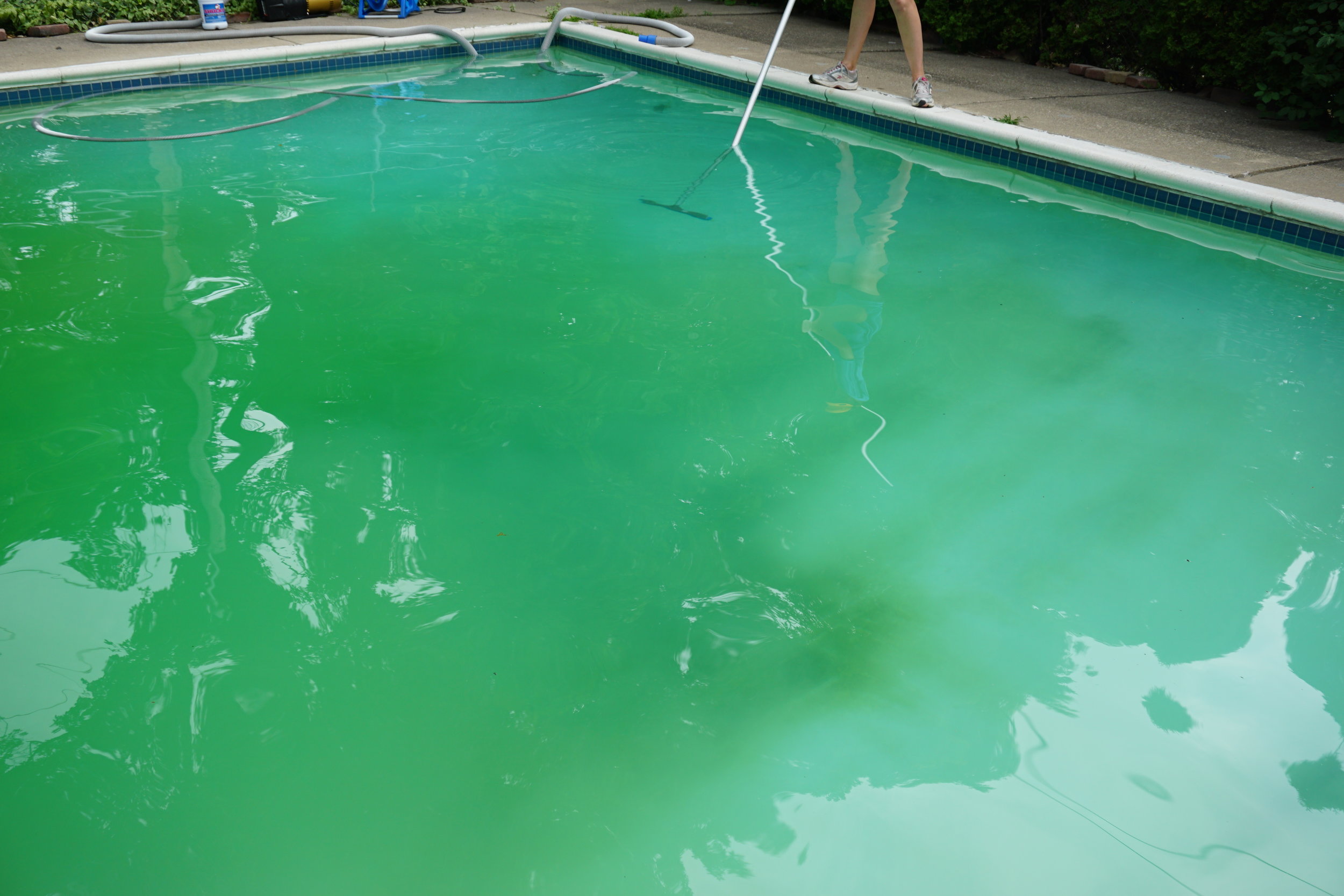
Removing dead algae from your pool is important to keep the water clean and safe. The process involves clear steps that anyone can follow. Each step helps to remove algae and stop it from coming back. Follow these simple instructions for a fresh, clear pool.
Draining And Brushing
Start by lowering the water level if the algae layer is thick. Use a pool brush to scrub all walls and floors. Brush gently but firmly to remove algae stuck on surfaces. This helps loosen dead algae and dirt for easier cleaning later.
Applying Algaecide
After brushing, add algaecide to the water. Choose the right amount based on your pool size. Algaecide kills remaining algae and stops new growth. Spread it evenly across the pool surface for best results.
Filtering And Vacuuming
Turn on the pool filter to clear small algae pieces. Run the filter for several hours to clean the water. Use a pool vacuum to remove algae from the pool bottom. This step clears dead algae and keeps the pool sparkling clean.
Preventing Future Algae Growth
Preventing future algae growth in your pool is key to keeping the water clean and safe. Dead algae can make the pool look dirty and cause slippery surfaces. Taking steps to stop algae from coming back saves time and effort later. A few simple habits can keep your pool clear and sparkling.
Regular Cleaning Routines
Clean your pool regularly to remove dirt and algae. Brush the walls and floor to break algae buildup. Vacuum the pool to remove dead algae and debris. Skim the surface daily to catch leaves and bugs. Consistent cleaning stops algae from growing quickly.
Maintaining Chemical Balance
Check your pool’s chemical levels often. Keep chlorine in the right range to kill algae. Test pH levels to keep water balanced and healthy. Adjust chemicals as needed to prevent algae growth. Balanced water creates a hostile place for algae to live.
Proper Filtration
Use the pool filter to clean water continuously. Run the filter for enough hours each day. Clean or replace filter parts when dirty or clogged. Good filtration removes tiny particles and algae spores. Proper filtration keeps water clear and fresh.
When To Seek Professional Help
Knowing when to seek professional help for dead algae in your pool can save time and money. Some algae problems need expert care. Recognizing the signs early helps maintain a clean and safe pool.
Persistent Algae Issues
Algae that keep coming back after cleaning need expert attention. Professionals can identify hidden causes. They use special tools to remove stubborn algae fully. This prevents the algae from returning quickly.
Pool Damage Concerns
Algae can cause damage to your pool surfaces and equipment. Cracks, stains, or rough patches may appear. Professionals can check for damage and fix it. Early repair stops small problems from growing.
Advanced Treatment Options
Some algae require strong treatments not available for home use. Experts apply safe chemicals that kill algae fast. They know the right amounts to protect your pool. This ensures algae removal without harming pool parts.
Credit: www.thehandyfamilyinc.com
Frequently Asked Questions
What Do Dead Algae In Pool Pictures Show?
They show algae that have lost color and look faded or white.
How To Identify Dead Algae In Pool Photos?
Look for dull, colorless patches on pool walls or floor in pictures.
Can Dead Algae Still Harm My Pool Water?
Dead algae can still clog filters and affect water clarity.
Why Do Algae Die In Swimming Pools?
Algae die from chemicals, sunlight, or lack of nutrients.
How To Remove Dead Algae From Pool Surfaces?
Use a pool brush and proper cleaning chemicals to clear dead algae.
Do Dead Algae Affect Pool Water Ph Levels?
Dead algae have little effect on pH but may need water balance.
Conclusion
Dead algae in pools can look unsightly and cause problems. Identifying these patches early helps keep your pool clean. Regular cleaning and proper chemicals stop algae from returning. Clear water feels better and is safer to swim in. Keep checking your pool often to catch issues fast.
A clean pool means more fun and fewer worries. Simple care makes a big difference in pool health. Stay on top of algae to enjoy your water all season.