
When was the last time you thought about your sewer line? You might not notice it until a problem pops up—like slow drains or nasty odors.
But ignoring your sewer line can lead to costly repairs and major headaches. A sewer line inspection can save you from unexpected disasters by catching issues early. You’ll discover how a simple inspection protects your home, saves money, and gives you peace of mind.
Keep reading to find out why this small step can make a big difference for your property.

Credit: www.blueworkscompany.com
Signs Of Sewer Line Problems
Detecting sewer line problems early can save you from costly repairs. Sewer lines carry waste away from your home. When these pipes get damaged or blocked, signs start to appear around your house. Knowing these signs helps you act fast.
Slow Drains And Backups
Water drains slowly from sinks, tubs, and toilets. This happens because the sewer line is clogged or broken. Sometimes, water backs up into your home. It may come out of drains or toilets. These are clear warnings of sewer trouble.
Unpleasant Odors
Bad smells near drains or around the yard signal a sewer leak. These odors come from waste escaping the pipes. They can be strong and hard to ignore. Persistent foul smells need immediate inspection.
Lush Patches In The Yard
Green, healthy grass patches appear in spots where the rest is dry. This happens because leaking sewage waters the soil. These patches are unnatural and often wet. They point to underground pipe damage.
Foundation Cracks
Cracks in your home’s foundation may link to sewer line issues. Leaking sewage can erode soil under your house. This weakens the foundation and causes cracks. Notice any new cracks? Check the sewer line soon.
Common Causes Of Sewer Line Damage
Sewer lines face many problems that can cause damage over time. Identifying the common causes helps prevent costly repairs. Understanding these issues keeps your plumbing working well and avoids messy backups.
Tree Root Intrusion
Tree roots often grow toward sewer lines. Roots find tiny cracks and enter pipes. They grow inside, blocking water flow. This causes backups and pipe breaks. Removing roots early saves major damage.
Pipe Corrosion And Wear
Older pipes corrode and wear down over time. Metal pipes rust, weakening their structure. Clay or concrete pipes crack and crumble. Corrosion creates holes and leaks. Regular checks catch damage before it worsens.
Ground Shifting And Settling
Soil moves under your home naturally. Heavy rain or drought causes ground to shift. Pipes can bend, crack, or disconnect. Shifting soil stresses sewer lines. Fixing soil problems helps protect your pipes.
Improper Waste Disposal
Flushing wrong items damages sewer lines. Grease, wipes, and large objects block pipes. These blockages cause backups and breaks. Dispose of waste correctly to keep lines clear.
Methods For Sewer Line Inspection
Sewer line inspection uses different methods to find problems inside pipes. These methods help detect blockages, leaks, or damage early. Knowing these techniques helps homeowners understand the inspection process.
Video Camera Inspection
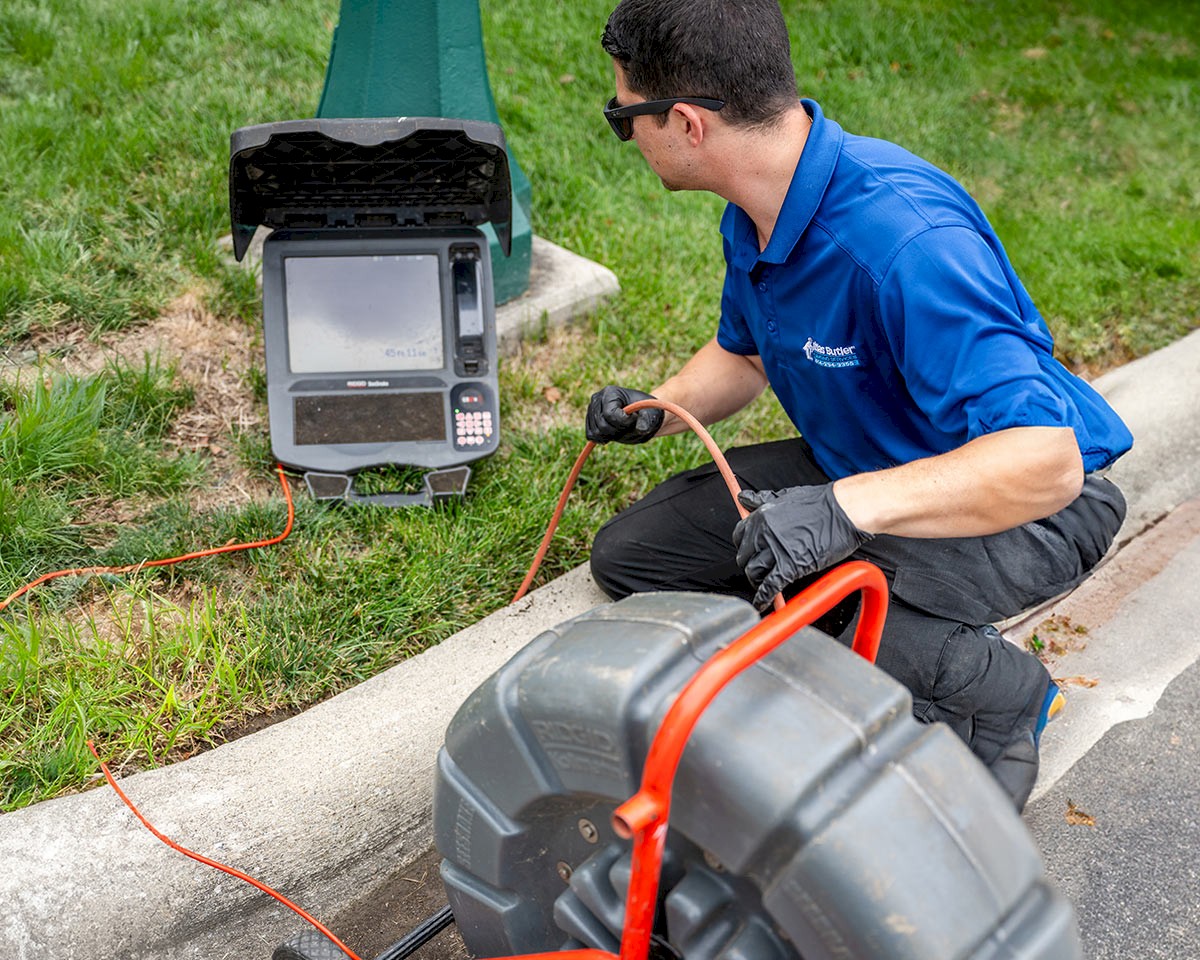
A small camera moves through the sewer line. It sends live images to a monitor. This method shows cracks, roots, and blockages clearly. It helps pinpoint exact problem locations inside pipes.
Smoke Testing
Smoke is pushed into the sewer line under low pressure. It escapes through cracks or leaks in the pipe. This method finds hidden leaks or broken sections quickly. It is safe and does not harm the environment.
Dye Testing
Bright dye is poured into drains or toilets. Inspectors watch for the dye to appear in the sewer or nearby areas. This method checks for illegal connections or leaks outside the pipe. It is simple and cost-effective.
Hydro Jetting Evaluation
High-pressure water blasts clean the sewer pipes. This method clears blockages like grease and roots. Inspectors check pipe condition before and after jetting. It keeps pipes clean and helps spot damage early.
Credit: atlasbutler.com
Benefits Of Regular Sewer Line Inspections
Regular sewer line inspections keep your home safe and your plumbing working well. They help find small problems before they grow. This saves money and avoids big repairs later. Inspections also protect your family’s health by preventing leaks and blockages. They help your pipes last longer, giving you peace of mind.
Early Problem Detection
Inspections catch issues like cracks or clogs early. Fixing small problems stops them from becoming big. Early detection means less damage to your home.
Cost Savings On Repairs
Fixing minor sewer problems costs less than major repairs. Regular inspections prevent expensive emergencies. You spend less by avoiding pipe bursts and backups.
Preventing Health Hazards
Sewer leaks can cause bad smells and spread germs. Inspections help stop leaks before they cause health risks. Clean pipes mean a healthier home environment.
Extending Pipe Lifespan
Regular checks keep pipes in good shape. Fixing small issues prevents corrosion and breaks. This helps your sewer lines last many years longer.
Diy Tips For Maintaining Sewer Lines
Maintaining sewer lines at home helps avoid costly repairs. Simple actions can keep your pipes clear and working well. Regular care stops blockages and damage before they start. Here are easy DIY tips to maintain your sewer lines.
Avoid Flushing Harmful Items
Only flush toilet paper and human waste. Avoid flushing wipes, diapers, or feminine products. These items cause clogs and damage pipes. Keep a trash bin nearby for disposal. Teach family members what not to flush.
Proper Grease Disposal
Never pour cooking grease down the drain. Grease hardens and blocks sewer lines. Let grease cool, then scrape it into a container. Dispose of it in the trash. This prevents buildup and keeps pipes flowing.
Routine Drain Cleaning
Clean drains regularly using safe methods. Use a plunger or drain snake to remove clogs. Avoid harsh chemicals that can damage pipes. A mixture of baking soda and vinegar helps clear minor blockages. Flush drains with hot water after cleaning.
Monitoring Yard Conditions
Check your yard for signs of sewer leaks. Soft, wet spots or strange odors can signal problems. Tree roots can invade sewer lines and cause damage. Keep trees and shrubs away from sewer pipes. Call a professional if you notice these signs.
When To Call A Professional
Knowing the right time to call a professional for a sewer line inspection can save you from costly repairs. Sewer problems often start small but can quickly turn into major issues. Early detection by an expert can prevent bigger damage and health risks. Watch for clear signs that your sewer line needs attention.
Recurring Drain Issues
Drains that clog often signal a deeper problem in the sewer line. Simple fixes may not work if blockages keep coming back. Professional inspection can find hidden debris or root intrusion. Catching these problems early stops repeated backups and slow drains.
Visible Pipe Damage
Cracks, holes, or sagging pipes need expert care right away. Damaged pipes leak harmful waste and cause ground sinking. Professionals use cameras to see inside pipes and locate exact damage. Repairing or replacing pipes quickly avoids bigger structural problems.
Persistent Odors
Bad smells from drains or yard areas point to sewer leaks or blockages. These odors can harm your health and attract pests. A professional inspection finds the source and fixes leaks or breaks. Don’t ignore foul smells—they mean your sewer system needs help.
After Severe Weather Events
Heavy rain or flooding can damage sewer lines underground. Water pressure and shifting soil crack or move pipes. After storms, watch for slow drains, odors, or wet spots in the yard. A professional check-up ensures your sewer line stays safe and functional.

Credit: battentobeam.com
Frequently Asked Questions
What Is A Sewer Line Inspection?
A sewer line inspection checks the condition of underground pipes. It helps find blockages, leaks, or damage early. This prevents costly repairs later.
How Often Should Sewer Lines Be Inspected?
Sewer lines should be inspected every 1 to 2 years. Older homes or those with frequent clogs need checks more often. Regular inspections keep pipes clear and working well.
What Tools Are Used In Sewer Line Inspection?
A small camera on a flexible cable is used. It travels inside the pipes to show their condition. This method is safe and provides clear images.
Can Sewer Line Inspection Prevent Major Plumbing Problems?
Yes, inspections catch problems before they get worse. Early detection means cheaper and easier repairs. It avoids big water damage or pipe bursts.
How Long Does A Sewer Line Inspection Take?
Most inspections take about 30 minutes to an hour. The time depends on pipe length and condition. Quick and efficient, it causes little disruption.
Is Sewer Line Inspection Expensive?
Costs vary but inspections are generally affordable. They save money by avoiding big repairs later. Many plumbing companies offer reasonable prices.
What Signs Indicate A Need For Sewer Line Inspection?
Slow drains, bad smells, or gurgling sounds suggest issues. Water backups or soggy spots near pipes also warn of problems. These signs mean it’s time to inspect.
Conclusion
Regular sewer line inspection helps catch problems early. It saves money by avoiding costly repairs later. Inspections keep your home safe and clean. A small check today prevents big trouble tomorrow. Choose a trusted expert for thorough inspection. Keep your sewer system working smoothly and worry-free.
Simple steps lead to a healthy plumbing system. Don’t wait until damage shows up visibly. Regular care means fewer emergencies and less stress. Stay ahead with sewer line inspection for peace of mind.