
Are you storing your pool chemicals safely? Mixing the wrong products can lead to dangerous reactions, damage your pool equipment, or even cause serious injuries.
Knowing which pool chemicals should never be kept together is essential for protecting your home and loved ones. You’ll discover the key combinations to avoid and learn how to organize your pool supplies the right way. Keep reading to ensure your pool stays sparkling and your storage stays safe.
Common Pool Chemicals
Pool chemicals keep water clean, safe, and clear. Each chemical has a special job. Storing them properly prevents accidents. Knowing common pool chemicals helps avoid mixing dangers.
Sanitizers And Disinfectants
Sanitizers kill germs and bacteria in the pool. Common types include chlorine and bromine. These chemicals keep water safe to swim in. Store them away from other chemicals to avoid reactions.
Ph Adjusters
pH adjusters balance the water’s acidity or alkalinity. Sodium carbonate and muriatic acid are popular choices. Proper pH keeps pool water comfortable and protects equipment. Keep pH adjusters separate from sanitizers.
Algaecides
Algaecides stop algae from growing in pools. They help keep water clear and green-free. Use algaecides carefully and store them away from other chemicals. Mixing algaecides with others can cause harmful fumes.
Shock Treatments
Shock treatments remove organic matter and boost sanitizer power. Usually, they contain strong oxidizers like calcium hypochlorite. Store shocks in a cool, dry place. Keep them far from pH adjusters and other chemicals.
Chemical Storage Risks
Storing pool chemicals safely is crucial to avoid serious dangers. Improper storage can cause accidents that harm people and damage property. Understanding the risks helps keep your pool area safe and secure.
Reactivity Hazards
Some pool chemicals react strongly when mixed. These reactions can release heat or cause spills. For example, mixing chlorine and acids can create dangerous reactions. Store chemicals separately to prevent contact and avoid accidents.
Toxic Fumes
Certain chemicals release harmful gases if stored together. These toxic fumes can cause breathing problems and irritation. Pool chlorine and ammonia should never be stored near each other. Proper ventilation and separation reduce the risk of toxic fumes.
Fire And Explosion Risks
Some pool chemicals are highly flammable or explosive. Mixing oxidizers like chlorine with fuels can start fires. Sparks or heat can trigger explosions in wrong storage. Keep flammable and reactive chemicals apart in cool, dry places.
Chemicals That Should Be Separated
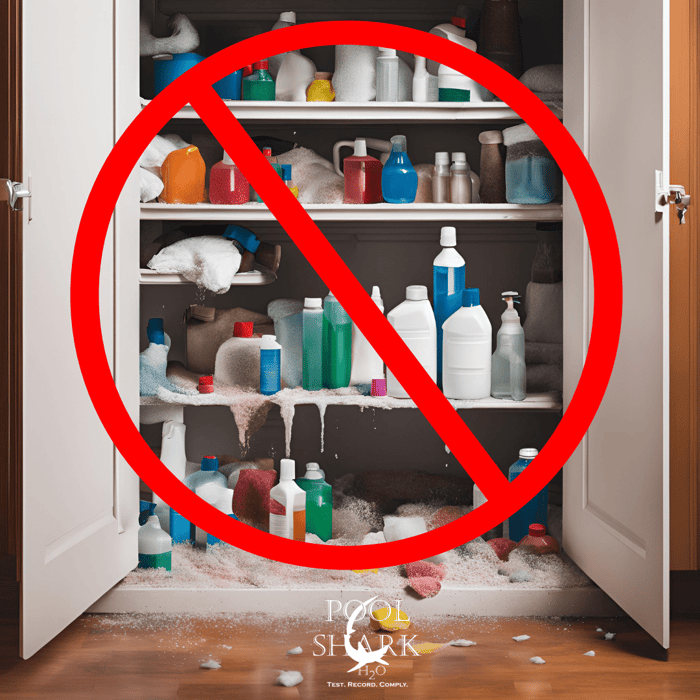
Storing pool chemicals safely prevents accidents and keeps your pool water clean. Some chemicals react dangerously if stored too close. Knowing which chemicals need separation protects your home and health.
Chlorine And Acid
Chlorine and acid create harmful gases when mixed. These gases can cause breathing problems and burns. Keep chlorine products away from all acids. Store them in different areas with good ventilation.
Oxidizers And Organics
Oxidizers like chlorine or bromine react strongly with organic materials. Mixing them can cause fires or explosions. Avoid storing oxidizers near leaves, paper, or other organics. Use sealed containers and separate storage spaces.
Different Types Of Chlorine
Sodium hypochlorite, calcium hypochlorite, and trichloroisocyanuric acid differ in strength and stability. Mixing these chlorine types can cause dangerous reactions. Store each type separately and label containers clearly. This reduces risk and confusion.
Ph Adjusters And Others
pH adjusters like soda ash or muriatic acid affect chemical balance. Keep them away from incompatible chemicals such as chlorine or algaecides. Separate storage prevents chemical spills and reactions. Always follow the manufacturer’s guidelines for safe storage.
Credit: blog.poolsharkh2o.com
Safe Storage Practices
Safe storage of pool chemicals protects your family and home. Chemicals can react dangerously if stored incorrectly. Follow clear rules to avoid accidents and keep your pool clean.
Proper Labeling And Containers
Always keep chemicals in their original containers. Labels show important safety information and instructions. If you transfer chemicals, label the new containers clearly. Use containers made for chemical storage only. Avoid mixing different chemicals in one container.
Ventilation And Temperature Control
Store chemicals in a well-ventilated area. Good airflow reduces harmful fumes buildup. Keep storage spaces cool and dry. Avoid places with direct sunlight or heat sources. High temperatures can cause chemicals to break down or react.
Secure And Dry Locations
Choose a locked cabinet or shed for chemical storage. Keep chemicals away from children and pets. Ensure the storage area stays dry to prevent moisture damage. Moisture can cause chemicals to clump or become unstable. Store chemicals off the ground to avoid water contact.
Emergency Measures
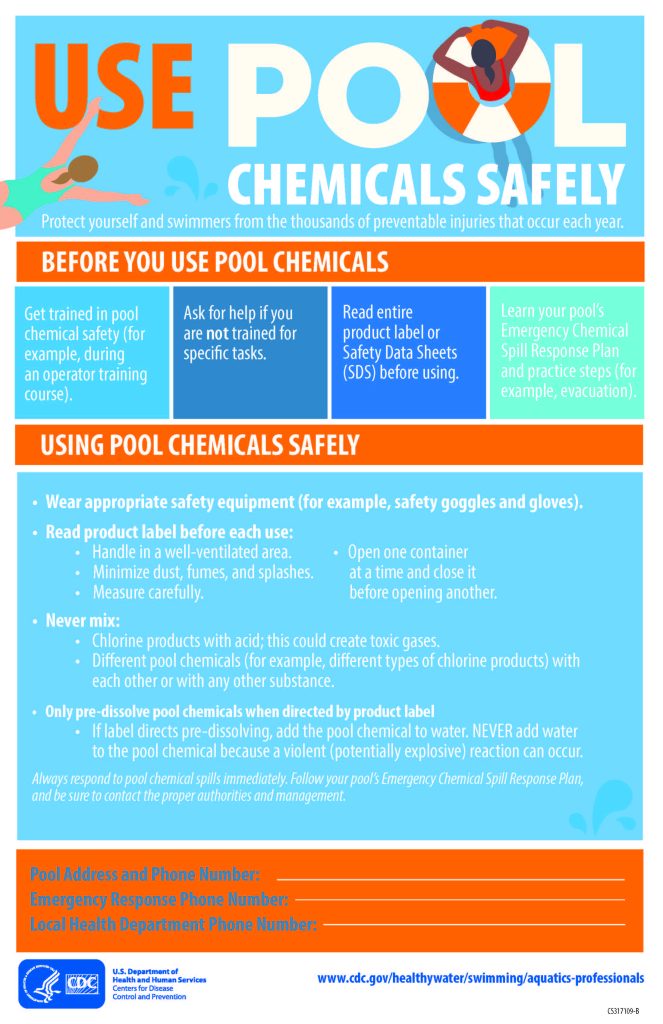
Emergency measures are critical when pool chemicals are stored incorrectly. Accidents can cause harmful spills or chemical reactions. Knowing how to respond fast can prevent injuries and damage. Quick action protects people and the environment.
Spill Response
Stop the spill from spreading. Use absorbent materials like sand or cloth. Avoid touching the chemicals with bare hands. Ventilate the area by opening windows or doors. Dispose of waste according to local rules. Call emergency services if the spill is large or dangerous.
Handling Chemical Reactions
Move away from the reaction area immediately. Do not try to mix chemicals to stop the reaction. Use water spray to cool containers if safe. Avoid inhaling fumes or smoke. Alert others nearby about the danger. Contact professionals for help with strong reactions.
First Aid Tips
For skin contact, rinse with plenty of water for 15 minutes. Remove contaminated clothing carefully. For eye exposure, flush eyes with water continuously. Do not rub eyes. If chemicals are swallowed, do not induce vomiting. Call poison control or emergency services right away.
Credit: www.vdh.virginia.gov
Regular Maintenance Tips
Regular maintenance of pool chemicals keeps your pool safe and clean. Proper care prevents dangerous reactions and extends chemical life. Follow these tips to handle chemicals carefully and avoid accidents.
Inventory Checks
Keep a list of all pool chemicals in storage. Check amounts regularly to avoid overstocking. Note any signs of damage or leaks. Organize chemicals by type and expiration date. Store incompatible chemicals separately to prevent reactions.
Disposal Of Expired Chemicals
Expired chemicals can lose effectiveness and become unsafe. Dispose of them according to local regulations. Do not pour chemicals down drains or toilets. Use designated collection points or hazardous waste facilities. Proper disposal protects your health and the environment.
Routine Safety Inspections
Inspect your chemical storage area weekly. Look for spills, leaks, or damaged containers. Ensure the storage area is dry, cool, and well-ventilated. Keep chemicals away from heat and sunlight. Use safety signs and keep the area locked to prevent access by children or pets.

Credit: www.astralpool.com.au
Frequently Asked Questions
What Pool Chemicals Should Never Be Stored Together?
Chlorine and acids must never be stored together. Their mix can cause dangerous gas and explosions.
Why Keep Chlorine And Acids Apart In Storage?
Chlorine reacts strongly with acids, creating toxic chlorine gas. It’s a serious health risk.
Can Mixing Pool Chemicals Cause Fires Or Explosions?
Yes. Some chemicals react violently, causing fires or explosions. Safe storage prevents accidents.
How To Safely Store Pool Chemicals At Home?
Store each chemical in a cool, dry place. Keep them in original containers, away from direct sunlight.
What Happens If Pool Chemicals Accidentally Mix?
Mixing can release harmful gases, cause burns, or trigger fires. Immediate ventilation and help are needed.
Which Pool Chemicals Are Safest To Store Together?
Non-reactive chemicals like stabilizers and algaecides can be stored together but separate from chlorine and acids.
Conclusion
Storing pool chemicals safely protects your health and pool. Never mix chlorine with acids or other chemicals. Keep chemicals in their original containers and away from heat. Separate incompatible chemicals to avoid dangerous reactions. Always read labels before storing or using any product.
Safe storage helps your pool stay clean and clear. Remember, careful handling prevents accidents and damage. Stay safe by organizing your pool supplies properly. Simple steps can make a big difference in safety.