
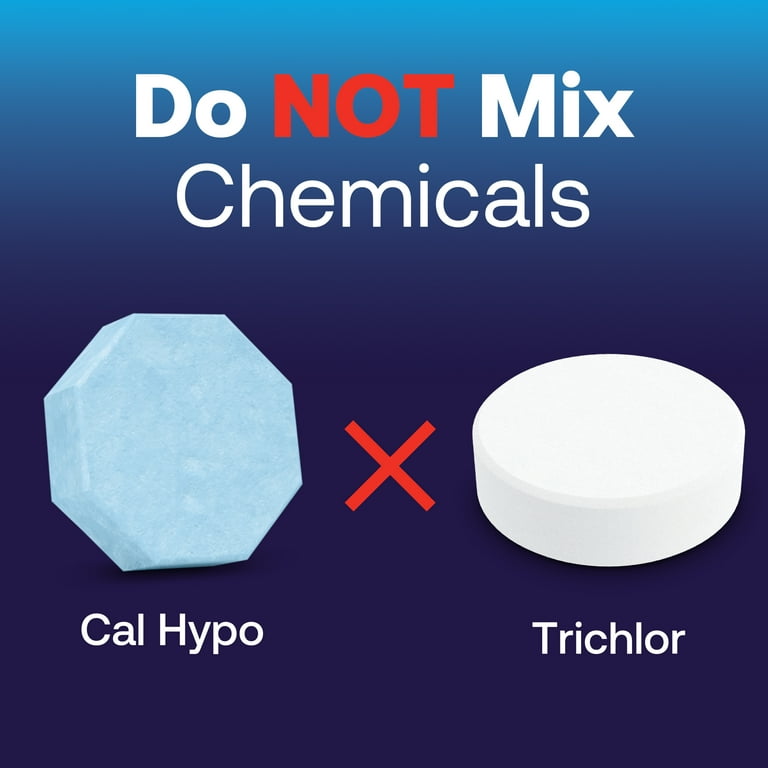
If you’re working with pool chemicals, you’ve probably heard of trichlor and calcium hypochlorite. But mixing these two can be tricky—and getting it wrong could cause dangerous reactions or damage your pool equipment.
You want to keep your pool clean and safe without any headaches. This article will guide you through what happens when you mix trichlor and calcium hypochlorite, why it matters, and how to handle them properly. Keep reading to protect your pool and ensure your chemicals work the way they’re supposed to.
Credit: www.walmart.com
Chemical Properties
Understanding the chemical properties of Trichlor and Calcium Hypochlorite is vital for safe mixing. Both chemicals are powerful disinfectants but have different traits. Their interaction can cause dangerous reactions.
Knowing these properties helps prevent accidents and ensures proper use. It also guides how to store and handle these substances safely.
Trichlor Characteristics
Trichlor, or trichloroisocyanuric acid, is a solid white powder or tablet. It dissolves slowly in water, releasing chlorine. It is acidic, with a pH around 2.8 to 3.5. This acidity helps kill bacteria and algae effectively.
It contains about 90% available chlorine. Trichlor is stable when dry but can react strongly if mixed with incompatible chemicals.
Calcium Hypochlorite Basics
Calcium Hypochlorite is a granular or powdery substance. It dissolves quickly in water, releasing chlorine too. Its pH is alkaline, usually between 11 and 13. This high pH helps disinfect water and surfaces.
It contains roughly 65% available chlorine. Calcium Hypochlorite is highly reactive and can decompose if stored improperly.
Reactivity Profiles
Mixing Trichlor with Calcium Hypochlorite is risky. Both release chlorine but have different pH levels. Their combination can cause violent chemical reactions.
Heat and toxic gases may form during mixing. This can lead to explosions or fires. Never mix these chemicals directly. Always follow safety guidelines for use and storage.
Hazards Of Mixing
Mixing Trichlor and Calcium Hypochlorite is very dangerous. These chemicals react in harmful ways. Understanding the hazards helps prevent accidents. Always handle with care and avoid mixing.
Potential Chemical Reactions
Trichlor is acidic. Calcium Hypochlorite is alkaline. Their mix causes strong chemical reactions. These reactions release heat quickly. The heat can cause burns or fires. It also breaks down chemicals into toxic forms.
Toxic Gas Formation
Mixing these chemicals produces dangerous gases. Chlorine gas often forms. Chlorine irritates eyes, skin, and lungs. Breathing it can cause coughing and difficulty breathing. High levels of chlorine gas can be fatal.
Explosion Risks
Heat from reactions can trigger explosions. The mix can build pressure inside containers. Containers may burst violently. Explosions cause serious injuries and damage. Never mix these chemicals in closed spaces.
Safety Precautions
Mixing trichlor and calcium hypochlorite is risky. Both chemicals are strong and reactive. Taking safety precautions stops accidents and injuries. Always follow strict rules for safe handling and storage.
Proper Storage Guidelines
Store trichlor and calcium hypochlorite separately. Keep them in a cool, dry place. Avoid direct sunlight and heat sources. Use airtight containers to prevent moisture. Moisture causes dangerous chemical reactions. Label containers clearly. Keep them away from other chemicals.
Handling And Usage Tips
Handle chemicals with care. Use small amounts to reduce risk. Never mix trichlor and calcium hypochlorite directly. Add chemicals slowly to water, not the other way. Clean spills immediately with water. Avoid breathing dust or fumes. Work in a well-ventilated area.
Protective Equipment Recommendations
Wear gloves made of chemical-resistant material. Use safety goggles to protect your eyes. Wear a mask to avoid inhaling dust. Use long sleeves and pants to cover skin. Have a first aid kit nearby. Always wash hands after handling chemicals.

Credit: www.niranchemical.com
Emergency Procedures
Mixing trichlor and calcium hypochlorite can cause dangerous chemical reactions. Knowing the right emergency steps is critical. Quick, calm actions reduce harm to people and property. Follow clear safety rules to handle accidents properly.
Spill Response
Contain the spill immediately. Avoid touching the chemicals directly. Use protective gloves and goggles. Block the spill from spreading to drains or water sources. Use dry sand or inert material to cover the spill. Do not use water, as it may cause a reaction. Collect the waste carefully and place it in a sealed container. Call emergency services if the spill is large or uncontrollable.
Exposure Treatment
Move the exposed person to fresh air right away. Remove any contaminated clothing gently. Rinse the skin or eyes with clean water for 15 minutes. Do not rub the affected area. Seek medical help immediately, even if symptoms seem mild. Keep the affected person calm and still. Avoid giving food or drink if the person feels sick. Follow all instructions from healthcare professionals closely.
Fire Safety Measures
Trichlor and calcium hypochlorite can cause fires if mixed. Keep fire extinguishers nearby, especially those for chemical fires. Use foam, dry chemical, or carbon dioxide extinguishers only. Do not use water to put out fires involving these chemicals. Evacuate the area quickly if a fire starts. Inform fire fighters about the chemicals involved. Wear protective gear and avoid inhaling smoke or fumes. Follow all fire safety guidelines strictly to prevent harm.
Alternatives To Mixing
Mixing trichlor and calcium hypochlorite can be risky and cause dangerous chemical reactions. It is important to know safer options to disinfect water or pools. These alternatives help avoid accidents and keep the process simple. Understanding these options can protect your health and property.
Using Single Chemicals Safely
Choose one chemical at a time for disinfection. Trichlor works well for steady chlorine release. Calcium hypochlorite is strong and fast-acting. Using one chemical reduces risk of harmful reactions. Follow instructions on the label carefully. Store chemicals separately and away from moisture.
Safer Disinfection Methods
Consider non-chemical methods like UV light or ozone. These methods kill bacteria without adding chemicals. They are safe and eco-friendly. Another option is saltwater chlorination, which creates chlorine gently. These choices reduce chemical handling and improve safety.
Professional Consultation
Ask experts for advice on safe disinfection. Pool or water treatment professionals know proper chemical use. They can recommend the best products and methods. Professionals help avoid mistakes that cause accidents. Getting help ensures safe and effective cleaning.

Credit: www.amazon.com
Frequently Asked Questions
Can Trichlor And Calcium Hypochlorite Be Mixed Safely?
No, mixing Trichlor and Calcium Hypochlorite is unsafe. It can cause dangerous chemical reactions and release toxic gases. Always handle each chemical separately.
What Happens If Trichlor And Calcium Hypochlorite Mix?
They react violently, producing heat and chlorine gas. This can cause burns, respiratory problems, and fire risks. Avoid combining these chemicals under any circumstance.
Why Should Trichlor And Calcium Hypochlorite Not Be Combined?
These chemicals have different pH levels and react to form harmful gases. Mixing them increases the risk of explosions and toxic fumes. Safe storage and use prevent accidents.
How To Store Trichlor And Calcium Hypochlorite Properly?
Store them in separate, cool, dry, and well-ventilated areas. Keep containers tightly closed and away from organic materials. Proper storage reduces accidental mixing and hazards.
Can Mixing Trichlor And Calcium Hypochlorite Damage Pool Equipment?
Yes, mixing can cause corrosion and damage pool surfaces and equipment. It also affects water balance and sanitation. Use each chemical as directed to protect your pool.
What Should I Do If Trichlor And Calcium Hypochlorite Accidentally Mix?
Evacuate the area immediately and ventilate if safe to do so. Contact emergency services for help. Do not try to clean or handle the spill yourself.
Are There Safer Alternatives To Mixing These Pool Chemicals?
Use one sanitizer type at a time, following manufacturer instructions. Regular testing helps maintain pool water balance safely. Avoid mixing chemicals to keep your pool safe.
Conclusion
Mixing trichlor and calcium hypochlorite can be dangerous. Both chemicals release chlorine, but in different ways. Combining them may cause harmful reactions or explosions. Always store and use these chemicals separately. Follow safety guidelines carefully to protect yourself and others.
Understanding how each works helps avoid risks. Stay safe by handling pool chemicals with care and respect. Simple precautions prevent accidents and keep pools clean. Safety first—always.