
Is your boiler struggling to keep your home warm when the cold hits hard? You’re not alone.
When your boiler can’t keep up with the cold, it’s more than just an inconvenience—it can affect your comfort, safety, and even your energy bills. But why does this happen, and what can you do about it? Keep reading to discover the common reasons behind a failing boiler and easy steps you can take to make sure your home stays cozy all winter long.
Your comfort shouldn’t wait—let’s get your heating back on track.
Common Causes Of Boiler Struggles
Boilers often face difficulties during cold weather. Understanding the common causes can help you identify problems early. This knowledge can save you money and keep your home warm. Many issues come from simple factors that you can fix or check with a professional.
Insufficient Boiler Capacity
Boilers need enough power to heat your home. If the boiler is too small, it cannot keep up. A small boiler works harder and uses more energy. This leads to cold rooms and higher bills. Check if your boiler matches your home’s size and insulation.
Thermostat Issues
A faulty thermostat can cause uneven heating. Sometimes it reads the wrong temperature. This makes the boiler turn off too soon or run too long. Old or broken thermostats confuse the system. Replace or repair the thermostat to keep control of heat.
Clogged Or Dirty Components
Boiler parts collect dirt over time. Clogged pipes and filters block water flow. Dirt reduces heat transfer and efficiency. The boiler struggles to warm your home. Regular cleaning and maintenance prevent these problems and improve performance.
Low Water Pressure
Boilers need the right water pressure to work well. Low pressure means less heat moves through the system. Causes include leaks or valve problems. Without enough pressure, the boiler may shut off. Check pressure gauges and fix leaks quickly.

Credit: www.servicelegends.com
Quick Checks Before Calling A Technician
Before calling a technician, try some quick checks to fix your boiler. These simple steps can save time and money. You might solve the issue yourself. Always be safe and turn off the boiler before starting any check.
Resetting The Boiler
Sometimes, the boiler needs a reset. Find the reset button on your boiler panel. Press and hold it for a few seconds. Wait for the boiler to restart. This can clear minor errors and get the boiler working again.
Checking The Thermostat Settings
Check the thermostat to make sure it is set correctly. The temperature should be higher than the room’s current heat. If it is too low, the boiler won’t turn on. Replace batteries if the thermostat is not working well.
Inspecting The Pressure Gauge
Look at the pressure gauge on your boiler. The pressure should be between 1 and 2 bars. If it is too low, the boiler may not heat properly. Add water to raise the pressure if needed. Follow the boiler manual for instructions.
Bleeding Radiators
Air trapped in radiators can stop heat from spreading. Use a radiator key to open the valve gently. Listen for a hissing sound as the air escapes. Close the valve when water starts to flow. This helps your radiators warm up fully.
Simple Diy Fixes To Boost Boiler Performance
Simple DIY fixes can help your boiler work better and keep your home warm. These easy steps save money and prevent costly repairs. You can do many tasks yourself with little effort. Follow these tips to boost your boiler’s performance and stay cozy.
Cleaning Or Replacing Filters
Dirty filters block air and reduce heat flow. Clean filters with a vacuum or warm water. Replace filters if they look worn out. Clean filters help the boiler run smoothly and use less energy.
Adjusting The Boiler Pressure
Low or high pressure stops your boiler from working well. Check the pressure gauge on the boiler. The ideal pressure is usually between 1 and 2 bars. Use the filling loop to add water if pressure is low. Let out some water if pressure is too high. Proper pressure keeps your heating steady.
Flushing The System
Over time, sludge and dirt build up inside pipes. This blocks water flow and lowers heat output. Flushing the system removes these deposits. Use a hose to flush water through the pipes. Regular flushing helps your boiler heat your home evenly.
Sealing Leaks In Pipes And Radiators
Leaks waste heat and water, making the boiler work harder. Check pipes and radiators for wet spots or drips. Use sealant or tape to fix small leaks. Replace parts if leaks are large. Fixing leaks keeps your boiler efficient and reduces bills.

Credit: mikescustommechanical.com
When To Upgrade Or Replace Your Boiler
Knowing when to upgrade or replace your boiler can save you from cold, uncomfortable days. Boilers wear out over time and may struggle to heat your home efficiently. Choosing the right moment to change your boiler helps keep your home warm and lowers energy bills.
Signs Of An Aging Boiler
Older boilers show clear signs before they fail. Strange noises like banging or clanking mean parts are breaking down. Frequent repairs and rising energy bills also point to an aging boiler. Yellow flames instead of blue suggest dangerous burning. Leaks or rust on the boiler body require immediate attention. If your boiler is more than 15 years old, it likely needs replacement soon.
Benefits Of A New Energy-efficient Model
New boilers use less fuel and save money on bills. They heat water faster and keep your home warmer. Modern models reduce pollution and help the environment. Smart controls make it easy to set your heating schedule. Quiet operation means less noise disturbance. A new boiler offers peace of mind with fewer breakdowns.
Choosing The Right Boiler Size
Boiler size must fit your home’s heating needs. A small boiler won’t keep up during cold days. A large boiler wastes fuel and costs more to run. Calculate your home’s square footage and number of rooms. Consider the number of bathrooms and radiators. A professional can help pick the perfect size for your house.
Costs And Financing Options
Boiler replacement costs vary by model and size. Installation fees depend on complexity and local rates. Many suppliers offer financing plans with low monthly payments. Government rebates may reduce your overall cost. Think about long-term savings on fuel and repairs. Budget carefully to find a boiler that fits your needs and wallet.
Maintaining Warmth During Extreme Cold
Extreme cold can challenge any heating system, especially boilers. Keeping your home warm is crucial for comfort and safety. Taking steps to support your boiler helps maintain steady heat. Small changes can make a big difference during cold days and nights.
Using Supplemental Heating
Supplemental heaters provide extra warmth when your boiler struggles. Portable electric heaters or space heaters can target cold rooms. Use them wisely to avoid high energy bills. They work well in small areas or for short periods.
Improving Home Insulation
Good insulation keeps heat inside your home. Check windows, doors, and walls for drafts or gaps. Use weatherstripping or sealant to block cold air. Adding insulation in the attic or basement helps too. A well-insulated home requires less heating power.
Scheduling Regular Boiler Maintenance
Regular maintenance ensures your boiler runs efficiently. Clean filters, check pressure, and inspect parts often. A well-maintained boiler heats better and uses less energy. Schedule checks before winter to avoid surprises during cold snaps.
Monitoring Energy Usage
Keep track of your energy use during cold months. Notice spikes that may indicate heating issues. Use smart meters or apps for easy monitoring. Understanding your usage helps you save money and spot problems early.
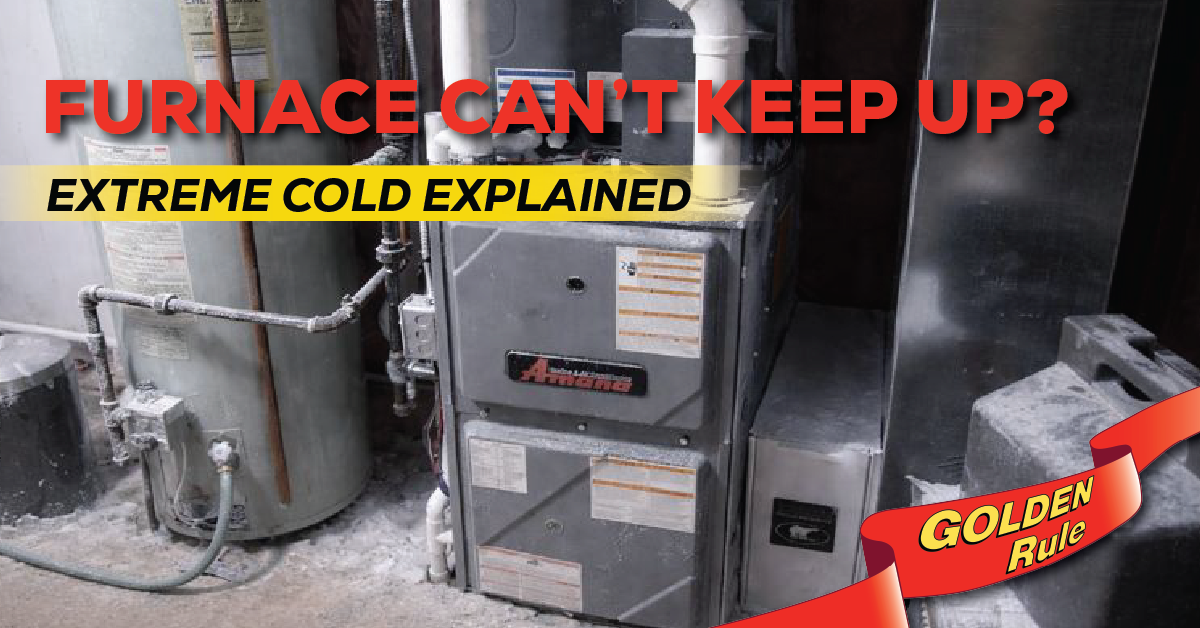
Credit: goldenrulephc.com
Frequently Asked Questions
Why Can My Boiler Not Keep Up With Cold Weather?
Boilers may struggle during extreme cold due to low efficiency or size. Older boilers might not handle heavy heating demands well.
How Does A Boiler’s Size Affect Heating In Cold Weather?
A small boiler can’t produce enough heat for very cold conditions. Proper sizing ensures your home stays warm during winter.
Can Low Boiler Pressure Cause Heating Problems In Winter?
Yes, low pressure reduces heating efficiency and water circulation. Check and maintain the correct pressure for better heat.
Does A Dirty Boiler Reduce Its Heating Ability?
Dirt and debris inside a boiler lower its performance. Regular cleaning helps the boiler work better in cold times.
How Often Should I Service My Boiler For Cold Seasons?
Yearly servicing keeps boilers running smoothly and safely. It helps spot problems before cold weather causes failures.
Can Insulation Improve My Boiler’s Heating During Cold Months?
Good insulation keeps heat inside pipes and walls. It helps boilers keep your home warm without extra effort.
What Signs Show My Boiler Is Struggling In Cold Weather?
Cold spots, longer heating times, or strange noises signal problems. Early checks can avoid bigger heating issues later.
Conclusion
A boiler struggling in cold weather needs quick attention. Small problems can turn into big repairs fast. Check your system regularly to keep it running well. Staying warm matters, especially in freezing times. Simple care helps your boiler work like it should.
Don’t wait until it’s too late to act. Keep your home cozy and safe all winter long.