
Have you ever wondered how long a well pressure switch actually lasts? If you rely on a well for your water, this little device plays a big role in keeping your water flowing smoothly.
But when does it need replacing? Knowing the lifespan of your well pressure switch can save you from sudden water problems and costly repairs. You’ll discover the key signs of wear, how to extend its life, and when it’s time to take action.
Keep reading to protect your water supply and avoid unexpected headaches.
Well Pressure Switch Basics
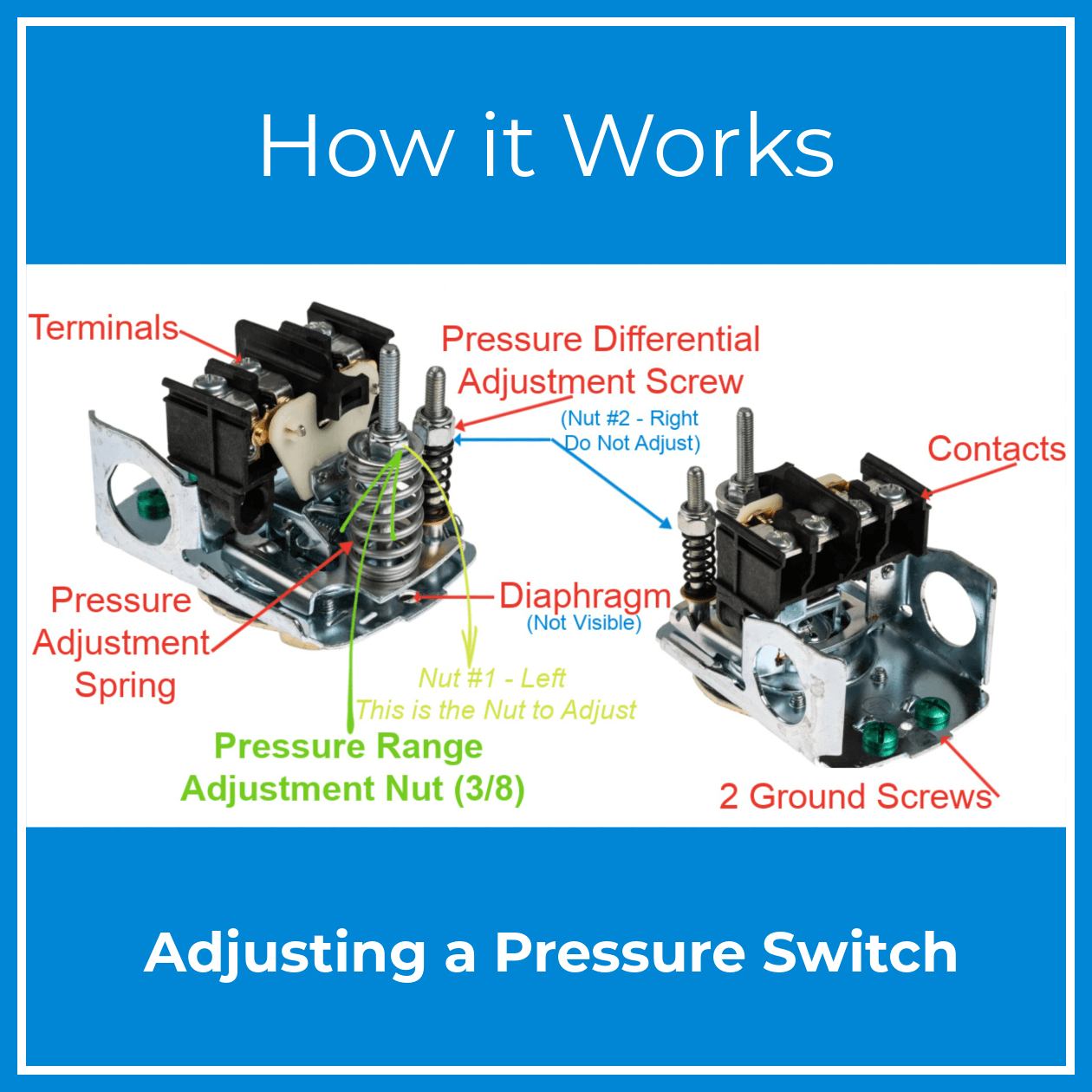
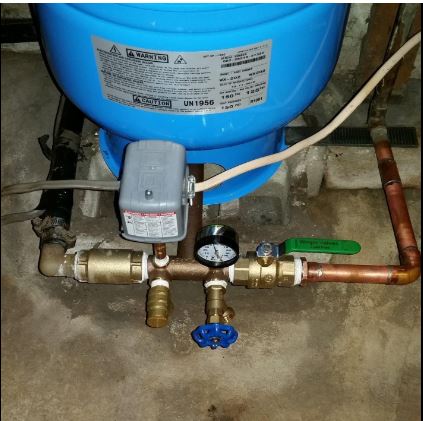
A well pressure switch controls the water pressure in your home. It keeps the water flowing smoothly. Without it, water pressure can become too high or too low. This switch helps protect your pump and plumbing system from damage.
Understanding the basics of a well pressure switch helps you maintain your water system. It also helps you spot problems early. Let’s explore the key functions and types of these switches.
Role In Water Systems
The pressure switch turns your well pump on and off. It senses water pressure in the system. When pressure drops too low, it starts the pump. When pressure reaches a set high point, it stops the pump. This cycle keeps water pressure steady.
It protects the pump from running too long. This prevents damage and saves energy. The switch also helps avoid water leaks and bursts by controlling pressure.
Common Types
There are two main types of well pressure switches. Mechanical switches use a spring and diaphragm. They open or close electrical contacts based on pressure changes. These are common and reliable for home use.
Electronic pressure switches use sensors and digital controls. They offer more precise pressure control. These switches can last longer but cost more upfront. Both types serve the same basic function in water systems.
Credit: localwaterwellpros.com
Factors Affecting Lifespan
The lifespan of a well pressure switch depends on several factors. These factors influence how long the device can work properly. Understanding them helps in maintaining the switch and avoiding early failure. Below are key elements that affect the life of a well pressure switch.
Water Quality Impact
Water with high minerals or impurities can damage the switch. Hard water causes buildup and clogs the mechanism. Sediments can wear out parts faster. Clean, filtered water extends the switch’s life.
Usage Frequency
Frequent use puts more stress on the switch. The more times it turns on and off, the faster it wears out. Low usage means less wear and longer life. Check how often the pump cycles to estimate switch life.
Installation Quality
Proper installation ensures the switch works well. Poor setup can cause leaks or pressure problems. Wrong wiring or positioning may lead to early failure. Use a professional for best installation results.
Maintenance Practices
Regular maintenance keeps the switch in good condition. Cleaning and checking parts prevent damage and errors. Ignoring maintenance causes dirt buildup and corrosion. Scheduled inspections help catch issues early.
Average Lifespan Expectations
The average lifespan of a well pressure switch varies depending on use and conditions. It is an important part of your well system. Knowing how long it lasts helps you plan maintenance and avoid sudden failures.
Many factors affect the lifespan of a pressure switch. These include water quality, pressure settings, and electrical load. Regular checks can extend its life and keep your water system running smoothly.
Typical Duration
Most well pressure switches last between 3 to 7 years. Some can last longer with proper care. Harsh water or heavy use may shorten this time. It is common to replace the switch every few years.
Quality also matters. Higher-quality switches tend to last longer. Budget models may fail sooner. Knowing the typical lifespan helps you set reminders for inspection and replacement.
Signs Of Wear
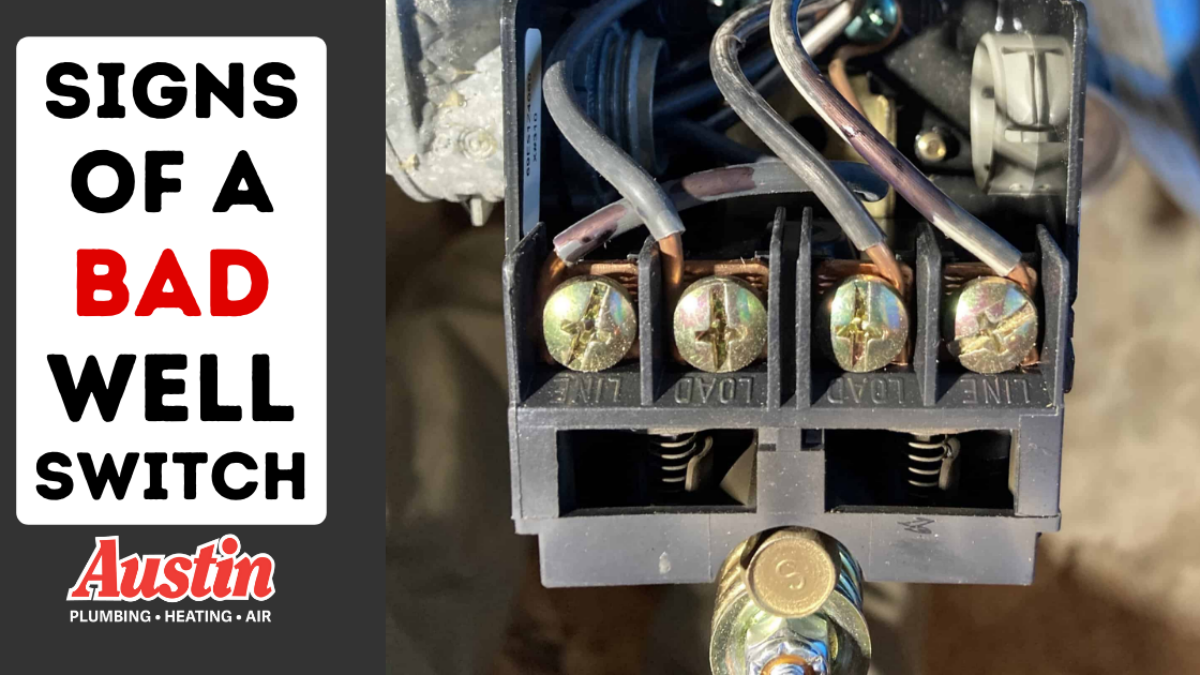
Watch for unusual noises from the switch. Clicking sounds that are louder or more frequent may mean wear. Water pressure that fluctuates often signals a switch problem.
If your pump runs constantly or not at all, the switch could be faulty. Corrosion or visible damage on the switch is a clear sign. Early detection prevents costly damage to your well system.
Credit: teamaustin.com
Maintenance Tips To Extend Life
Proper maintenance helps your well pressure switch last longer. Small, regular efforts keep the switch working well. This saves money and avoids sudden failures.
Follow these tips to keep your pressure switch in good shape. They are easy to do and improve the switch’s life.
Regular Inspections
Check your pressure switch every few months. Look for rust, corrosion, or loose wires. Make sure the switch moves freely. Catching issues early stops bigger problems.
Cleaning Procedures
Clean the switch to remove dust and dirt. Use a dry cloth or soft brush. Avoid water or harsh chemicals. A clean switch runs smoothly and lasts longer.
Adjusting Pressure Settings
Check the pressure settings on the switch. Make sure the cut-in and cut-out pressures match your pump’s needs. Adjust settings carefully to avoid damage. Proper settings reduce wear and save energy.
Common Problems And Fixes
Well pressure switches may face some common issues over time. These problems can affect water flow and pump operation. Understanding these issues helps with quick fixes and better maintenance. Below are the frequent problems and their solutions.
Pressure Switch Not Turning On
The pressure switch may fail to turn on due to electrical faults. Check the power supply and wiring connections first. Loose wires or a tripped breaker could stop it from working. Dirt or debris inside the switch can also block its movement. Clean the contacts carefully to restore function. Replace the switch if it still does not respond.
Water Pump Cycling Issues
Rapid cycling happens when the pump turns on and off too often. This wastes energy and wears out the pump. A common cause is an incorrect pressure setting. Adjust the cut-in and cut-out pressure to match your system. A damaged pressure tank or low air charge can also cause cycling. Check the tank and recharge or replace it as needed.
Leaks And Corrosion
Leaks around the pressure switch can damage electrical parts. Corrosion happens due to moisture and age. Inspect the switch and pipe connections regularly for signs of rust or water. Tighten loose fittings to stop leaks. Replace corroded parts immediately to avoid bigger problems. Use waterproof covers to protect the switch in damp areas.
Credit: advancepumpandfilter.com
When To Replace Your Pressure Switch
Knowing when to replace your well pressure switch helps avoid water problems. The pressure switch controls the water pump. It turns the pump on and off based on water pressure. Over time, the switch wears out. Replacing it at the right time keeps your water system working well.
Performance Indicators
Watch for signs the pressure switch is failing. The pump may run too long or not start at all. You might hear strange noises from the switch. Water pressure may be too high or too low. Frequent cycling of the pump is another clue. These issues show the switch needs checking or replacing.
Cost Vs. Repair Considerations
Pressure switch replacement is usually affordable. Repairing a damaged switch may cost more in the long run. A new switch can save money by preventing pump damage. Consider the switch age and condition before deciding. Old switches often fail again soon after repair. Replacing it can be the smarter choice.
Upgrading To Newer Models
Upgrading to newer models of well pressure switches can improve your water system’s performance. Older switches wear out over time and may cause pressure issues. New models offer better reliability and more precise control. This upgrade can save money on repairs and water waste.
Benefits Of Modern Switches
Modern switches use improved materials that last longer. They react faster to pressure changes, keeping your system stable. Some models include built-in protection against power surges. This reduces the risk of switch failure. New switches often have adjustable settings for better control. They are easier to maintain and replace parts. Overall, these switches improve system efficiency and reduce downtime.
Installation Tips
Turn off power and water supply before starting installation. Remove the old switch carefully to avoid damage. Clean the area and check for leaks or corrosion. Follow the manufacturer’s instructions for wiring and mounting. Use a pressure gauge to set the correct cut-in and cut-out points. Test the system after installation to ensure proper function. Regularly check the switch to catch problems early.
Frequently Asked Questions
How Long Does A Typical Well Pressure Switch Last?
A well pressure switch usually lasts between 3 to 7 years. Its life depends on usage, water quality, and maintenance.
What Signs Show A Well Pressure Switch Is Failing?
Common signs include frequent pump cycling, water pressure drops, and the pump not turning on. These indicate a switch problem.
Can I Extend The Life Of My Well Pressure Switch?
Yes, regular cleaning and checking electrical connections help. Avoiding water leaks and pressure spikes also increases its lifespan.
How Often Should A Well Pressure Switch Be Inspected?
Inspect the switch at least once a year. Regular checks catch problems early and keep your system working well.
What Causes A Well Pressure Switch To Wear Out Quickly?
Frequent pump cycling, dirt buildup, and electrical issues cause early wear. Poor water quality also damages the switch faster.
Is It Expensive To Replace A Well Pressure Switch?
Replacing the switch is usually affordable, costing between $20 and $50. Labor costs may vary depending on your area.
Can A Faulty Well Pressure Switch Damage My Pump?
Yes, a bad switch can cause the pump to run too long or not start. This can lead to pump damage or failure.
Conclusion
A well pressure switch usually lasts about 3 to 7 years. Its life depends on how often it works and water quality. Regular checks can help spot problems early. Replacing a switch on time keeps your water system running well.
Small fixes today avoid big costs later. Keep an eye on pressure changes and strange noises. Taking care of your pressure switch saves money and hassle. Simple steps can extend its life and protect your well system.