
If you’re working with copper pipes and planning to use SharkBite fittings, there’s one crucial step you can’t skip: deburring. Skipping this step can lead to leaks, poor connections, and costly repairs.
But don’t worry—deburring copper pipe is easier than you might think. In this guide, you’ll learn simple, effective techniques to clean and prepare your pipes so your SharkBite fittings seal perfectly every time. Keep reading, and you’ll save time, avoid frustration, and get your plumbing project done right the first time.
Tools Needed For Deburring
Deburring copper pipe is an important step before installing SharkBite fittings. Proper tools make this task easier and safer. Using the right tools ensures a clean edge on the pipe. This helps prevent leaks and ensures a secure fit. Keep all tools ready before starting to save time and avoid frustration.
Choosing The Right Deburring Tool
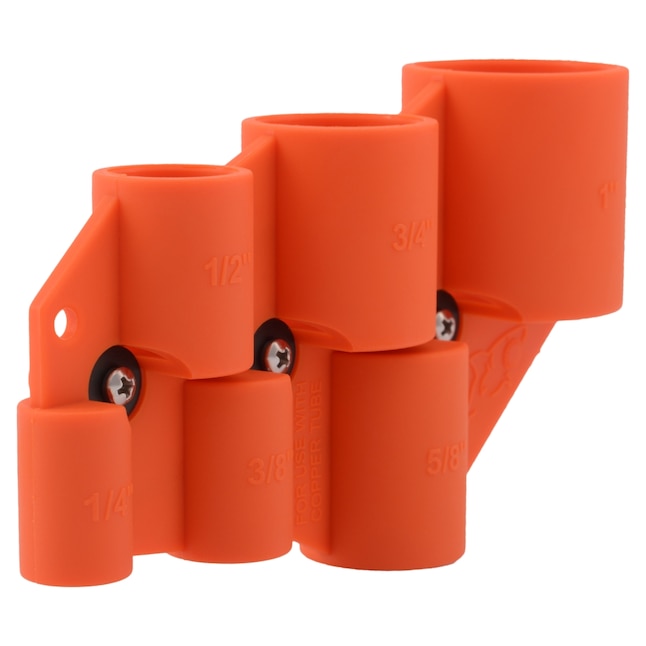
A deburring tool is designed to remove sharp edges from copper pipes. It has a small blade that rotates inside the pipe’s edge. This blade smooths rough cuts quickly and easily. Choose a tool that fits comfortably in your hand. Look for one with a sharp, replaceable blade. A good quality deburring tool lasts longer and works better.
Some people use a round file or sandpaper as a cheaper option. These can work but take more time and effort. A proper deburring tool gives cleaner results with less work. It also reduces the chance of damaging the pipe.
Additional Supplies To Have Ready
Besides the deburring tool, keep these supplies nearby:
- Pipe cutter – to make clean, straight cuts.
- Clean cloth – to wipe away metal shavings and dust.
- Gloves – to protect your hands from sharp edges.
- Measuring tape – to ensure pipe length is accurate.
- Marker – to mark cutting spots clearly.
Having these supplies ready helps the job go smoothly. It also keeps your workspace safe and organized.
Preparing The Copper Pipe
Preparing the copper pipe is a key step before installing a SharkBite fitting. Proper preparation ensures a secure and leak-free connection. It also makes the installation process easier and faster. Focus on cutting the pipe cleanly and removing any burrs or sharp edges.
Cutting The Pipe Cleanly
Use a pipe cutter designed for copper pipes. Place the pipe cutter around the pipe and tighten the blade. Rotate the cutter around the pipe evenly. Avoid twisting the pipe itself. Cut slowly and steadily to get a straight edge. A clean cut helps the SharkBite fitting grip tightly.
Checking For Burrs And Sharp Edges
After cutting, inspect the pipe end carefully. Look for small metal pieces called burrs. Burrs can block water flow or damage the fitting. Use a deburring tool or a file to smooth the edges. Remove all sharp edges inside and outside the pipe. A smooth pipe end prevents leaks and fitting damage.
Step-by-step Deburring Process
Deburring copper pipe is a crucial step before fitting a SharkBite connector. It removes sharp edges that can cause leaks or damage. Follow this simple, step-by-step process to deburr your pipe correctly. Proper deburring ensures a tight, secure connection every time.
Using A Deburring Tool On The Pipe End
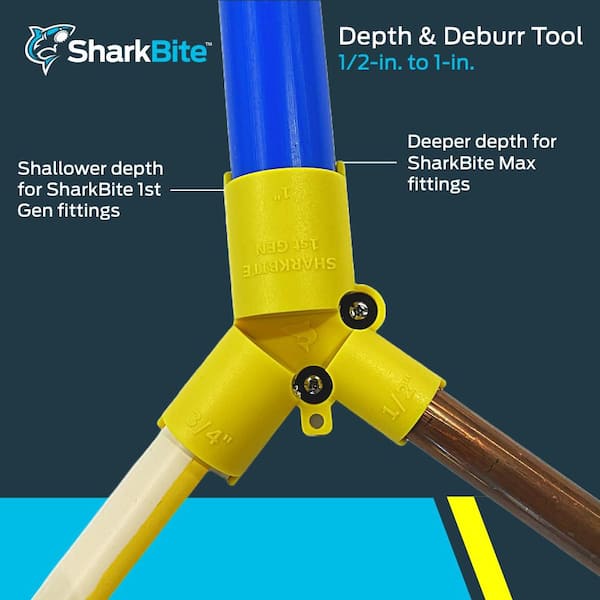
Start by cutting the copper pipe cleanly and squarely. Hold the pipe firmly and insert the deburring tool into the pipe end. Rotate the tool around the pipe’s edge several times. This action removes the rough outer burr. Keep turning until the edge feels smooth to touch.
Smoothing The Inside Edge
Next, focus on the inner edge of the pipe. Use the smaller blade or tip of the deburring tool. Insert it into the pipe and gently twist. This removes any sharp metal fragments inside. Smooth inner edges prevent damage to the SharkBite’s O-ring seal.
Inspecting The Finished Edge
Look closely at the pipe’s end after deburring. The edge should be smooth, round, and free of jagged bits. Run your finger carefully around the edge to check for any rough spots. A clean, smooth edge ensures proper fitting and avoids leaks. Repeat deburring if necessary before attaching the SharkBite connector.
Credit: www.homedepot.com
Fitting The Sharkbite Connector
Fitting the SharkBite connector to a copper pipe is a simple but important step. It ensures a strong and leak-free joint. Proper fitting saves time and prevents costly repairs later.
Follow each step carefully for a secure and lasting connection.
Aligning The Pipe And Connector
Start by making sure the copper pipe is cut straight and clean. The end should be smooth after deburring. Hold the SharkBite connector and align it with the pipe. Push the pipe straight into the connector. Avoid pushing at an angle. This alignment is key for a tight fit.
Ensuring A Secure Connection
Push the pipe into the connector until it stops. You may feel a slight click or resistance. This means the pipe is fully seated inside. Check that the pipe cannot pull out easily. The internal O-ring and teeth grip the pipe firmly. A secure connection prevents leaks and keeps your system safe.
Common Mistakes To Avoid
Deburring copper pipe for SharkBite fittings requires care. Mistakes can cause leaks or poor connections. Avoiding common errors ensures a strong, safe fit every time. Understanding these pitfalls helps save time and money on repairs.
Skipping The Deburring Step
Many skip deburring to save time. This causes rough edges inside the pipe. These edges stop SharkBite fittings from sealing well. Water can leak or cause damage over time. Always remove burrs to make a smooth pipe edge. It helps fittings grip tightly and prevents leaks.
Over-deburring And Pipe Damage
Removing too much metal weakens the pipe. Over-deburring can cause cracks or thin spots. These issues reduce pipe strength and can lead to breaks. Use gentle pressure and check the pipe often. Stop when the edge is smooth but still solid. Proper deburring keeps the pipe strong and ready for fittings.
Credit: www.lowes.com
Maintenance Tips For Long-lasting Joints
Maintaining your copper pipe joints with SharkBite fittings ensures they last longer. Proper care prevents leaks and keeps water flowing smoothly. Simple maintenance steps save time and money on repairs.
Regular Inspection
Check your joints often for signs of wear or damage. Look for any moisture or discoloration around the fittings. Catching problems early stops bigger issues later. Use a flashlight to see tight spaces clearly. Tighten loose fittings carefully without overdoing it.
Handling Leaks And Repairs
Address leaks quickly to avoid water damage. Turn off the water supply before fixing any joint. Dry the pipe and fitting thoroughly before repair. Use proper tools to remove and replace damaged parts. Test the joint after repair for any drips. Keep extra SharkBite fittings handy for fast fixes.

Credit: www.reddit.com
Frequently Asked Questions
What Is Deburring A Copper Pipe For Sharkbite Fittings?
Deburring removes sharp edges and burrs from copper pipe ends. This ensures a smooth, clean surface for SharkBite fittings. It helps create a tight, leak-free connection.
Why Is Deburring Copper Pipes Important For Sharkbite?
Deburring prevents damage to SharkBite O-rings and seals. It stops leaks and ensures a secure fit. Burrs can cause improper sealing and water leaks.
What Tools Are Best For Deburring Copper Pipes?
A handheld deburring tool or a round file works well. Some use a utility knife carefully. These tools remove rough edges without damaging the pipe.
How Do You Deburr The Inside Of A Copper Pipe?
Insert a deburring tool into the pipe’s end and rotate it. This cleans inside edges and removes burrs. Clean inside edges protect SharkBite fittings.
Can I Skip Deburring Before Installing Sharkbite Fittings?
Skipping deburring risks leaks and fitting damage. Sharp edges can cut seals and cause water drips. Deburring is a quick, easy step worth doing.
How Much Copper Pipe Should I Deburr For Sharkbite Fittings?
Deburr about 1/8 inch of the pipe’s edge inside and outside. This small area makes a big difference. It creates a smooth surface for the fitting.
How Do I Check If The Copper Pipe Is Properly Deburred?
Run your finger gently over the pipe end; it should feel smooth. No sharp edges or rough spots should remain. A smooth pipe ensures a good SharkBite seal.
Conclusion
Deburring copper pipe for SharkBite fittings makes the connection smooth and secure. Use the right tools and take your time. Clean and even edges help prevent leaks and damage. Practice on scrap pipe to build confidence. A well-prepared pipe saves you future repairs.
Simple steps lead to strong, lasting plumbing work. Keep safety in mind and work carefully. Now you’re ready to install SharkBite fittings with ease and success.