
Can’t figure out how to turn on your shower? You’re not alone.
It’s frustrating when all you want is a warm, relaxing shower but the water just won’t flow. Maybe the handles feel stuck, or you’re unsure which knob does what. Don’t worry—this guide will walk you through simple steps to get your shower working in no time.
Keep reading, and you’ll be enjoying that perfect shower moment before you know it.
Common Shower Types
Showers come in different types, and each one works in its own way. Knowing the type of shower you have helps in figuring out how to turn it on. Some showers have one handle, some have two, and others are digital. Understanding these types makes your shower use easier and faster.
Here are the most common shower types you might find in homes today.
Single-handle Showers
Single-handle showers have just one lever or knob. This handle controls both the water temperature and flow. You move it up or down to change water flow. Moving it left or right adjusts the temperature. These showers are simple and easy to use.
Dual-handle Showers
Dual-handle showers have two separate knobs or handles. One handle controls the hot water, and the other controls cold water. You turn each handle to mix the water to your liking. These showers offer precise control but can take time to balance the temperature.
Digital And Smart Showers
Digital showers use buttons or touch controls to set water flow and temperature. Some smart showers connect to apps or voice assistants. You can pre-set your favorite temperature or start the shower remotely. These showers are modern and easy to customize.
Credit: terrylove.com
Locating The Controls
Finding the shower controls is the first step to turning it on. Sometimes, controls are easy to spot. Other times, they hide in unusual places. Knowing where to look saves time and frustration.
Finding The Main Valve
The main valve usually controls the water flow. It often looks like a round knob or lever. This valve sits on the wall inside the shower area. Sometimes it is below the showerhead or beside it.
Look for handles with clear hot and cold markings. Turn the handle slowly to test water flow. If the shower stays off, the valve may be stuck or broken.
Spotting Hidden Or Unusual Controls
Some showers have controls hidden behind panels or doors. Check for small doors near the shower. Controls may be behind these panels for safety or style.
Newer showers may have digital or touch controls. These can be on the wall or nearby. Look for buttons or screens with water symbols. Press or slide controls gently to activate water flow.
Step-by-step Activation
Activating the shower can seem tricky at first. This step-by-step guide helps you turn on the shower easily. Follow these simple steps and enjoy your shower quickly.
Turning The Water On
Locate the shower handle or knob on the wall. Turn it slowly to the left or right. This action opens the water valve. You will hear water starting to flow. Stop turning when water begins to come out.
Adjusting Temperature
Move the handle gently toward the hot or cold side. Find a comfortable water temperature. Avoid sudden moves to prevent scalding. Wait a few seconds for the temperature to balance out.
Starting Water Flow
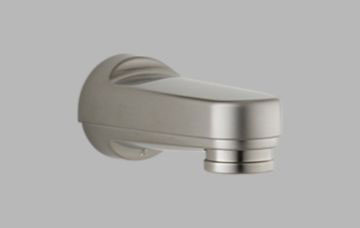
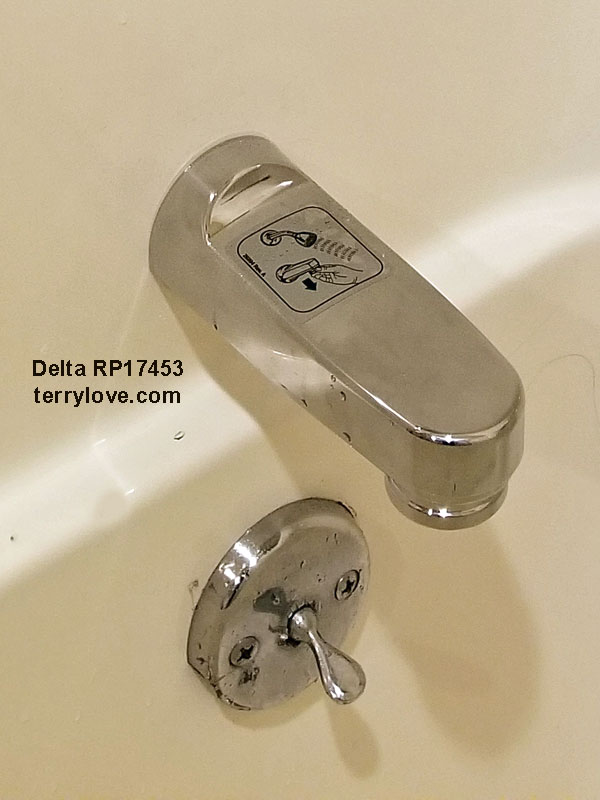
Press the shower button or pull the diverter if needed. This controls water flow from the faucet to the showerhead. Make sure water flows steadily from above. Adjust the handle again if the flow is weak or too strong.

Credit: www.reddit.com
Troubleshooting Common Issues
Troubleshooting common shower issues helps you find simple fixes fast. Many problems stop the shower from working right. You can solve many of these problems yourself. This saves time and avoids calling a plumber. Below are common problems and how to fix them.
No Water Flow
No water flow means the shower does not start. Check if the main water valve is open. Sometimes, the showerhead gets clogged with dirt. Remove the showerhead and clean it well. Also, check if your home’s water supply is on. A blocked pipe can stop water flow. Call a plumber if the problem is inside the pipes.
Water Too Cold Or Hot
Water that is too cold or hot makes showering uncomfortable. The shower mixer valve may not work well. Try adjusting the temperature dial slowly. If the problem stays, the thermostat might be broken. Another cause is a faulty water heater. Check your water heater settings or call a technician.
Stuck Or Hard-to-turn Handles
Hard-to-turn handles make it tough to control water flow. Mineral build-up often causes this problem. Clean around the handles with vinegar to remove deposits. Use lubricant to help the handle move smoothly. If the handle is damaged, replace it. Loose screws can also cause trouble. Tighten any loose parts carefully.
Safety Tips For Showers
Safety is important when using a shower. Knowing some easy tips can help you avoid accidents and injuries. Taking small steps can make your shower time safe and pleasant. Here are some key safety tips to keep in mind.
Preventing Scalds
Scalds happen when water is too hot. Set your water heater to 120°F or lower. Test the water temperature before stepping in. Use a mixing valve to keep water at a safe level. Teach children and elders to be careful with hot water.
Checking Water Pressure
Water pressure affects your shower’s comfort and safety. High pressure can cause pipes to burst or leak. Low pressure may make rinsing difficult. Check the water pressure regularly. Use a pressure gauge to measure it. Ideal pressure is between 40 and 60 psi.
Maintaining Shower Fixtures
Keep showerheads and faucets clean. Remove mineral build-up to prevent blockages. Tighten loose fixtures to avoid leaks. Replace worn-out parts quickly. Clean shower drains to prevent clogs and water damage. Regular maintenance helps your shower work well and stay safe.
Credit: terrylove.com
When To Call A Professional
Struggling to turn on the shower after trying several times? Call a professional if you see leaks, strange noises, or no water flow. Experts can quickly find and fix hidden problems safely.
Trying to turn on your shower but nothing happens? Sometimes, the problem is simple. Other times, it needs expert help. Knowing when to call a professional saves time and avoids damage. Professionals have the tools and skills to fix tricky shower issues safely. They can spot hidden problems that you might miss. Here are signs that show it is time to get help from a plumber.
Persistent Water Problems
Water pressure stays low no matter what you do. Water temperature does not change or is too hot or cold. Water flow stops suddenly or sputters. These issues often mean a deeper problem inside pipes or valves. A professional can check the whole system and fix these problems quickly.
Complex Shower Systems
Modern showers can have many parts, like thermostats and digital controls. These systems need special knowledge to repair. If your shower has multiple knobs, sensors, or unusual features, do not try to fix it alone. A professional knows how to handle complex setups without causing damage.
Signs Of Plumbing Damage
Leaks around the shower base or walls show plumbing damage. Mold or damp spots near the shower mean water is escaping somewhere. Strange noises inside walls or pipes suggest serious issues. These problems need a professional to prevent bigger damage and costly repairs.
Frequently Asked Questions
How Do I Start The Shower Water Flow?
Turn the shower handle or knob slowly to the left or right. This opens the valve and lets water flow.
Why Does The Shower Water Not Turn On?
Check if the water supply is off or if there is a plumbing issue. Also, ensure the handle is fully turned.
How Can I Tell If The Shower Valve Is Broken?
If the handle turns but no water comes out, the valve may be broken. Look for leaks or strange noises too.
What If The Shower Handle Feels Stuck Or Hard To Turn?
A stuck handle usually means mineral build-up or rust inside. Try gently moving it or use a lubricant.
Can Air In The Pipes Stop Shower Water From Flowing?
Yes, air trapped in pipes can block water flow. Run water from other taps to help clear the air.
How Do I Adjust The Shower Temperature Safely?
Turn the handle slowly toward hot or cold until the water feels right. Avoid sudden changes to prevent burns.
What Should I Do If The Shower Starts But Water Pressure Is Low?
Low pressure may be caused by clogged showerheads or valves. Clean or replace parts to improve flow.
Conclusion
Turning on the shower can seem tricky at times. Take a moment to check the handle or knob carefully. Make sure the water supply is open. Remember, some showers need a twist or a push to start. Don’t rush; try different moves gently.
If the water stays cold or won’t flow, the problem might be deeper. A quick call to a plumber can help then. Now, you have simple steps to try first. Enjoy your warm shower soon!