
Have you ever noticed a strange smell of gas in your home, even though your appliances run on electricity? It can be confusing and worrying at the same time.
You might wonder, “Is there a gas leak? Is my home safe? ” This smell can be more than just a mystery—it could be a sign that something needs your immediate attention. You’ll discover why your house smells like gas despite having electric appliances, what risks to watch out for, and the steps you should take to protect yourself and your family.
Keep reading to uncover the answers and stay safe.

Credit: www.applewoodfixit.com
Common Sources Of Gas Smells In Electric Homes
Sometimes, a house that runs on electricity still has a gas smell. This can be confusing and worrying. Knowing where the gas smell comes from helps keep everyone safe. The smell might not come from inside the house but from nearby areas or other sources.
Nearby Gas Appliances
Even if your home uses electricity, gas appliances nearby can cause gas smells. Neighbors may have gas heaters, stoves, or water heaters. Gas can leak from their systems and drift into your home. This can happen especially on windy days or if windows are open.
Gas Leaks Outside The Home
Gas leaks can occur outside your house. Underground gas pipes might crack or break. This can release gas near your home. The smell can enter through doors, windows, or vents. If you smell gas outside, it is important to be cautious and notify professionals.
Gasoline Or Fuel Storage
Gasoline or other fuels stored near or inside the home can cause gas smells. People sometimes keep fuel for lawnmowers or generators. Even small leaks or spills can create a strong gas odor. Proper storage and handling reduce this risk. Always keep fuels in sealed containers away from living areas.

Credit: www.touchstonehomeproducts.com
Electrical Issues That Mimic Gas Odors
Sometimes, a house with electric appliances can smell like gas. This smell may not come from a gas leak. Electrical problems often cause odors similar to gas. Knowing these problems helps keep your home safe.
Overheating Electrical Components
Electrical parts get hot when they do not work well. Overheating parts can produce a smell like gas. This happens because heat changes the materials inside wires and devices. Pay attention to this smell. It signals trouble with your electrical system.
Burning Insulation Smell
Wires have insulation to keep them safe. If wires get too hot, the insulation can burn. Burning insulation smells like gas or plastic. This odor is a warning sign. It means wires may be damaged or overloaded. Fix the issue quickly to prevent fire.
Faulty Wiring And Circuit Breakers
Faulty wiring causes sparks and odd smells. Circuit breakers stop power when there is a problem. Sometimes, breakers fail and wiring overheats. This causes a smell like gas or burning plastic. Check wiring and breakers often. Safe wiring stops dangerous smells and fires.
Environmental Factors Causing Gas-like Smells
Sometimes, a house may smell like gas even without using any gas appliances. Various environmental factors can cause this strange odor. These smells often come from sources unrelated to natural gas leaks. Understanding these causes helps keep your home safe and comfortable.
Sewer Gas Intrusion
Sewer gas can enter your home through dry drains or broken pipes. This gas has a strong, unpleasant smell similar to rotten eggs. Poor ventilation in bathrooms or kitchens can trap these odors inside. Regularly checking drains and plumbing helps prevent sewer gas buildup.
Mold And Mildew Odors
Mold and mildew grow in damp, dark areas of your home. They produce musty smells that some people confuse with gas. Bathrooms, basements, and under sinks are common places for mold. Controlling moisture and cleaning regularly reduces these odors.
Chemical Cleaners And Paints
Certain cleaning products and paints release strong fumes. These smells can resemble gas and cause discomfort. Using these chemicals in closed rooms worsens the odor. Always ventilate rooms well when using cleaners or painting walls.
Health Risks Linked To Unidentified Gas Smells
Unidentified gas smells in a home can signal hidden dangers. Even in houses with only electric appliances, strange odors may pose health risks. These risks range from mild irritation to life-threatening conditions. Awareness of these dangers helps keep families safe and healthy.
Carbon Monoxide Exposure
Carbon monoxide is a colorless, odorless gas. It can cause headaches, dizziness, and nausea. Long exposure leads to serious brain damage or death. Homes with gas smells might have hidden carbon monoxide leaks. Proper detection devices save lives by alerting residents early.
Respiratory Irritation
Gas odors often cause breathing problems. They can irritate the nose, throat, and lungs. People with asthma or allergies face greater risks. Even short exposure can lead to coughing or wheezing. Protecting indoor air quality is crucial for everyone’s health.
Fire And Explosion Hazards
Gas leaks can ignite and cause fires. Explosions from gas buildup destroy property and endanger lives. Sparks from electrical devices can trigger these dangers. Immediate action is vital when smelling gas to prevent accidents.
Steps To Identify And Fix The Odor Source
House smells like gas but you use electric appliances? This can be scary and confusing. The smell might come from other sources. Knowing how to find and fix the source is very important. Follow these clear steps to keep your home safe and fresh.
Conducting A Home Inspection
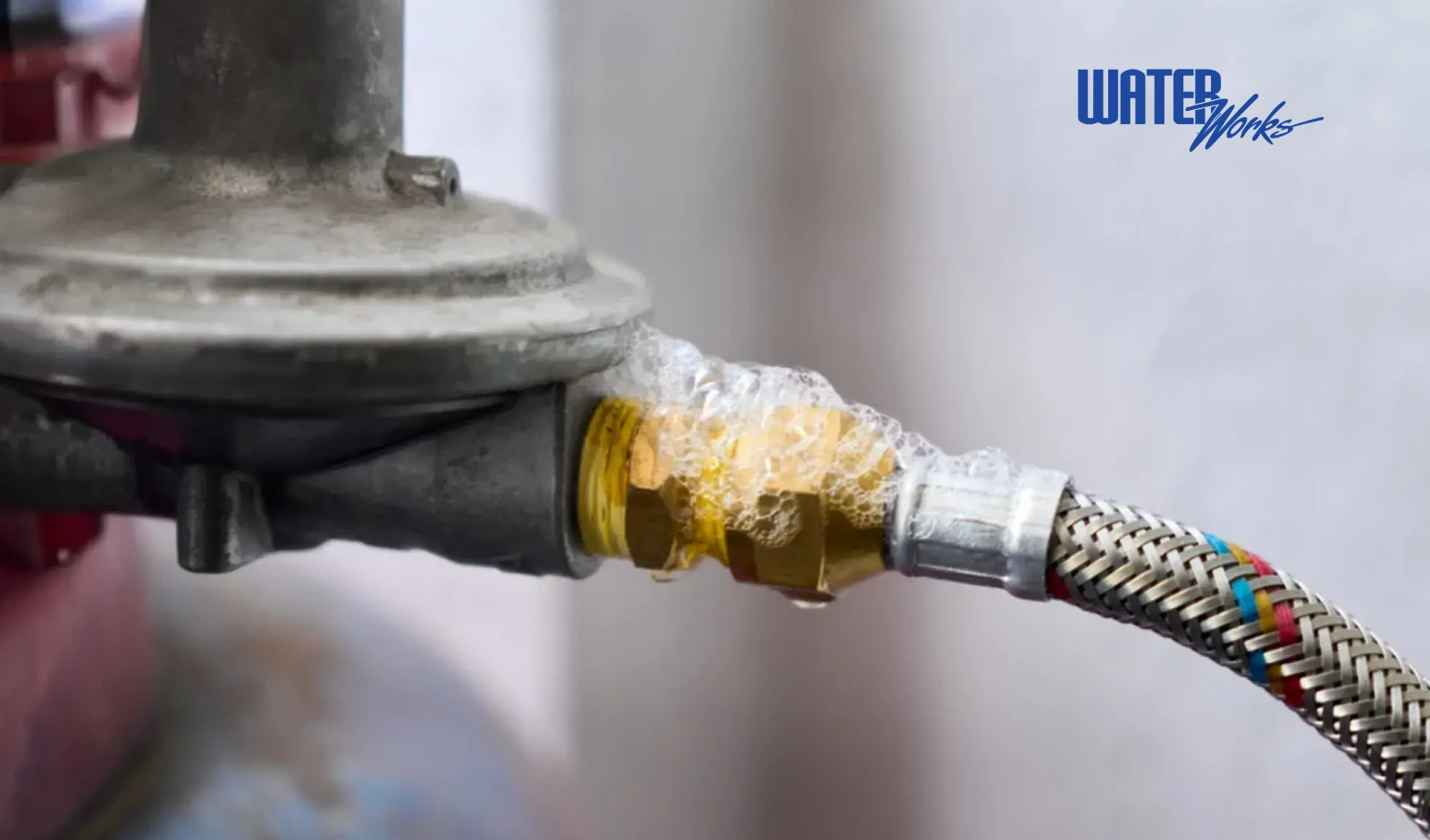
Start by checking all gas appliances like water heaters and stoves. Look for leaks or damaged parts. Smell near these devices carefully. Check gas lines for signs of wear or damage. Don’t forget to inspect your furnace and fireplace vents. Sometimes, the smell comes from outside the house too. Check around windows and doors for gas smells.
Using Gas Detectors And Sensors
Use a gas detector to find hidden leaks. These devices can sense gas even if you can’t smell it. Place detectors near gas appliances and possible leak points. Keep detectors clean and test them regularly. Some detectors connect to your phone for easy alerts. These tools provide an extra layer of safety in your home.
When To Call Professionals
Call a professional if the smell is strong or you find a leak. Professionals have the right tools to fix gas problems safely. Never try to repair gas lines yourself. If the smell persists after your checks, get expert help. Quick action can prevent accidents and keep your family safe.
Credit: www.water-works.co.nz
Preventive Measures To Avoid Future Odors
Preventing unusual odors in a home with electric appliances is important for safety and comfort. Taking steps to avoid smells like gas can help keep the air fresh and clean. Simple habits and regular care reduce the chance of strange odors.
Regular Maintenance Checks
Check your electric appliances regularly. Dust and dirt build-up can cause odd smells. Clean filters and vents often. Look for worn wires or broken parts. Fix problems quickly to stop smells from spreading.
Proper Ventilation Practices
Keep your home well-ventilated. Open windows to let fresh air in. Use fans in kitchens and bathrooms. Ventilation removes stale air and odors. Avoid blocking vents with furniture or curtains.
Safe Storage Of Chemicals And Fuels
Store chemicals and fuels outside or in a separate shed. Keep containers sealed tightly. Avoid storing strong-smelling items near living spaces. Safe storage stops fumes from entering your home.
Frequently Asked Questions
Why Does My Electric Home Smell Like Gas Sometimes?
Gas smells in electric homes often come from nearby gas appliances or neighbors. It could also be a sewer or natural gas leak nearby. Check for any external gas sources or vents.
Can A Gas Leak Smell Appear Without Gas Appliances?
Yes, gas odors can come from old gas lines or outside gas leaks near your home. Sometimes, sewer gases can cause a similar smell inside the house. It’s important to investigate the source carefully.
What Should I Do If My Electric House Smells Like Gas?
Leave the house immediately and call your gas company or emergency services. Avoid using electrical switches or devices that might spark. Safety first.
Could A Faulty Water Heater Cause A Gas Smell?
Electric water heaters do not emit gas smells, but nearby gas heaters might. Check if any gas appliances are leaking nearby. Gas smells are a sign of danger.
Can Plumbing Issues Cause A Gas-like Odor Indoors?
Yes, sewer gases can leak into your home through dry or broken drain traps. This smell can resemble natural gas. Fix plumbing leaks and traps to stop the odor.
Is It Normal To Smell Gas Near Electric Appliances?
No, electric appliances do not produce gas smells. Any gas odor near them might come from external gas sources or leaks. Always check the area for safety.
How Can I Prevent Gas Smells In An Electric Home?
Regularly check for gas leaks outside your home and maintain plumbing traps. Keep vents and drainage systems clear and sealed. Prompt repairs help prevent gas odors indoors.
Conclusion
A house smelling like gas without gas appliances can be worrying. Check all possible sources carefully. Electrical issues or nearby gas leaks may cause the smell. Never ignore the scent of gas. Call a professional right away to inspect your home.
Safety comes first, always. Stay calm and act quickly to protect your family. Regular maintenance helps avoid such problems in the future. Trust experts to find and fix the source safely. Your home should feel safe and comfortable every day.