
Have you noticed a strange, musty smell lingering in your home that just won’t go away? That stubborn scent might be nonenal, an odor often linked to aging or certain materials in your house.
It can make your living space feel uncomfortable and less inviting. But don’t worry—you’re not stuck with it. You’ll discover simple, effective ways to get rid of that nonenal smell once and for all. Keep reading, because your home deserves to smell fresh and welcoming again.
Sources Of Nonenal Smell
Nonenal smell can make your house feel unpleasant and old. It is important to know where this smell comes from. Understanding the sources of nonenal odor helps in removing it effectively.
This section explains what causes the smell, the common areas affected, and how it impacts indoor air quality.
What Causes Nonenal Odor
Nonenal odor comes from natural chemical changes in our skin and environment. As people age, their skin produces more nonenal. This chemical creates a distinct, musty smell.
Nonenal also forms when oils and sweat break down on fabrics, furniture, and walls. Poor ventilation and humidity increase the smell. Bacteria and mold can add to the odor.
Common Areas Affected
Nonenal smell is often stronger in certain parts of the home. Bedrooms, where people spend many hours, often carry the scent. Clothes, bedding, and mattresses hold the odor.
Living rooms with old furniture or carpets can trap nonenal smell. Bathrooms and kitchens may also have it due to humidity and organic materials. Closets and storage areas are common spots too.
Impact On Indoor Air Quality
Nonenal odor lowers the quality of air inside the home. It creates an unpleasant atmosphere that can make people uncomfortable. Over time, the smell may worsen if not treated.
Poor air quality affects health, causing headaches or irritation. Removing nonenal smell improves breathing and comfort. Clean air creates a fresher and healthier living space.
Identifying Nonenal Smell
Identifying the nonenal smell in your house is the first step to removing it. This scent can be tricky because it is subtle and often confused with other odors. Recognizing the smell clearly helps you act faster and more effectively.
Recognizing The Scent
The nonenal smell is often described as a stale, grassy, or slightly oily scent. It may remind you of old clothes or a neglected room. This smell is usually faint but persistent, lingering in corners or on fabrics. It often appears in homes with older residents or where cleanliness is hard to maintain.
Differentiating From Other Odors
Nonenal smell is different from regular mold or mildew odors. Mold smells musty and damp, while nonenal has a dry, sharp note. It does not smell like cooking or pets. This scent often comes from natural body oils breaking down over time. Pinpointing this difference helps avoid confusion with other household smells.
Tools For Detection
Simple tools can assist in detecting nonenal. A keen nose is essential, but some gadgets help too. Air quality monitors can highlight unusual compounds in the air. Activated charcoal bags absorb odors and can reveal areas with nonenal. Using these tools helps locate the source quickly.
Cleaning Techniques
Cleaning is key to removing the nonenal smell in your house. Dirt and oils trap the odor, so thorough cleaning helps a lot. Focus on fabrics, walls, and carpets, as these hold the smell most.
Deep Cleaning Fabrics And Upholstery
Fabrics and upholstery absorb the nonenal smell easily. Use a gentle detergent with warm water for washing. Spot clean stains with a mixture of vinegar and water. Let items dry completely in fresh air. Steam cleaning is great for deep fabric refreshment. Regular vacuuming removes dust and odor particles.
Washing Walls And Surfaces
Walls and hard surfaces hold odor from dust and oils. Use a mild soap solution to wash them down. A sponge or soft cloth works best to avoid damage. Rinse with clean water and dry with a towel. For stubborn smells, mix baking soda with water to scrub gently. Open windows for good air circulation while cleaning.
Removing Odors From Carpets
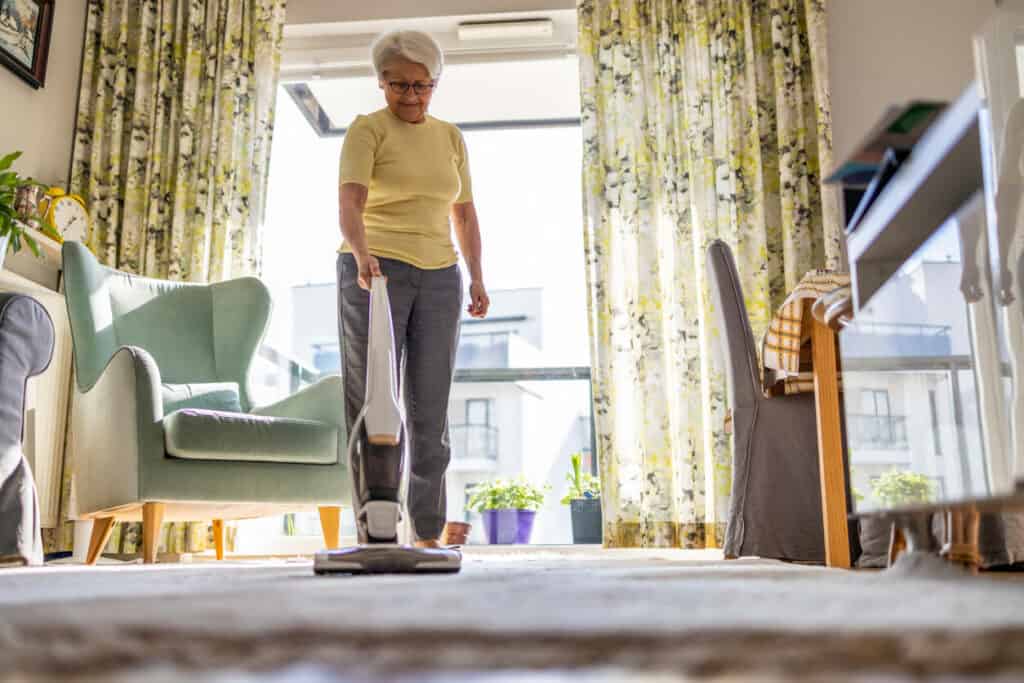
Carpets trap nonenal smell deep in fibers. Sprinkle baking soda over the carpet and leave it overnight. Vacuum thoroughly to remove baking soda and odors. Use a carpet cleaner with odor-fighting solutions for tough smells. Avoid soaking carpets too much to prevent mold. Regular cleaning keeps carpets fresh and odor-free.

Credit: sapskin.com
Air Purification Methods
Air purification is a key step to remove the nonenal smell in your home. It helps clear the air of bad odors and makes your living space fresh. Simple methods can improve air quality quickly and effectively.
Using the right tools and habits will keep the air clean. This section explains easy ways to purify your indoor air and fight off the nonenal smell.
Using Hepa Filters
HEPA filters capture tiny particles from the air. They trap dust, allergens, and smells, including nonenal odors. Using an air purifier with a HEPA filter can clear the air fast. Place the purifier in the room where the smell is strongest. Run it daily for best results. Replace the filters as the manufacturer suggests to keep it working well.
Natural Air Purifiers
Some plants can help clean the air naturally. Plants like spider plants, peace lilies, and snake plants absorb bad odors. Place several of these plants around your house. They add fresh oxygen and reduce smells. Charcoal bags also absorb odors. Put them in smelly areas to help trap the nonenal smell.
Ventilation Tips
Fresh air reduces indoor smells. Open windows and doors to let air flow. Use fans to move air out of the house. Ventilate rooms for at least 15 minutes each day. Avoid closing off rooms for long periods. Good airflow pushes out bad odors and brings in fresh air.
Deodorizing Solutions
Deodorizing solutions help remove the nonenal smell in your house. These smells come from aging oils on skin and fabrics. They can linger and make your home uncomfortable. Using the right methods can freshen your space fast. Here are some easy ways to deodorize your home effectively.
Homemade Remedies
Baking soda absorbs odors well. Sprinkle it on carpets and furniture. Let it sit for a few hours. Then vacuum it up. White vinegar is another good option. Mix equal parts of water and vinegar in a spray bottle. Spray the solution on smelly areas. Wipe with a clean cloth. Activated charcoal also traps bad smells. Place bowls of charcoal around rooms to clear the air.
Commercial Products
Odor neutralizers work on nonenal smells. Choose sprays or gels designed for home use. Use them on fabrics, carpets, and upholstery. Air purifiers with carbon filters help remove odor particles. They clean the air quietly and efficiently. Enzyme cleaners break down odor-causing molecules. These are useful for deep cleaning fabrics and floors.
Essential Oils And Diffusers
Essential oils offer a natural way to freshen rooms. Lavender, lemon, and eucalyptus oils mask bad smells. Add a few drops to a diffuser. The mist spreads a pleasant scent in the air. You can also mix oils with water in a spray bottle. Lightly spray around the house for a quick refresh. Always test oils on fabrics first to avoid stains.

Credit: miraiclinical.com
Preventing Nonenal Smell
Preventing nonenal smell in your house is easier than removing it later. This odor comes from natural aging oils on skin and other organic sources. It can settle on fabrics, furniture, and walls if not managed. Taking simple steps helps keep your home fresh and odor-free. Focus on cleaning, humidity, and air flow to stop the smell from coming back.
Regular Cleaning Schedule
Clean your home often to stop nonenal smell buildup. Wash clothes and bed sheets regularly. Vacuum carpets and rugs to remove dust and oils. Wipe surfaces with mild cleaners to kill odor-causing bacteria. Regular cleaning removes the sources of the smell before it spreads.
Humidity Control
Keep your home dry to prevent the smell from growing. Nonenal odor worsens in damp places. Use dehumidifiers in moist rooms like bathrooms and basements. Fix leaks and dry wet areas fast. Lower humidity reduces bacteria and mold that cause bad smells.
Proper Ventilation Practices
Air out your house daily to remove trapped odors. Open windows and doors to let fresh air in. Use exhaust fans in kitchens and bathrooms. Proper ventilation stops stale air and reduces nonenal smell. Circulating fresh air keeps your home smelling clean and healthy.
When To Seek Professional Help
Nonenal smell can be tough to remove with regular cleaning. Sometimes, the odor stays even after many attempts. Knowing when to get expert help saves time and stress. Professionals have tools and knowledge to deal with stubborn smells safely and effectively.
Persistent Odors
Odors that linger for weeks need expert attention. These smells often hide deep in walls, carpets, or furniture. Professionals use special equipment to find and remove the source. They can stop the smell from coming back.
Mold And Bacteria Issues
Mold and bacteria cause strong, unpleasant smells. These can harm your health and damage your home. Experts identify mold spots even in hidden areas. They remove mold safely and prevent it from growing again.
Specialized Cleaning Services
Some odors require special cleaning methods. Professionals offer treatments like ozone or thermal fogging. These reach places normal cleaning cannot. Their services restore fresh air and a clean home environment.
Credit: amyseden.com
Frequently Asked Questions
What Causes Nonenal Smell In A House?
Nonenal smell comes from aging oils and sweat on surfaces. It often appears in older homes or on old fabrics. This odor is linked to natural body chemistry changes.
How Can I Detect Nonenal Smell In My Home?
Nonenal has a distinct oily, grassy scent. Check areas with old furniture, carpets, or clothes. Use your nose near these spots to identify the smell.
What Cleaning Methods Remove Nonenal Odor Effectively?
Use vinegar or baking soda to clean affected areas. Both help neutralize and absorb the oily smell. Regular cleaning prevents the odor from returning.
Can Ventilation Help Get Rid Of Nonenal Smell?
Yes, good airflow removes stale air and odors. Open windows and use fans to increase ventilation. Fresh air reduces the concentration of nonenal in your home.
Are Air Purifiers Useful Against Nonenal Smell?
Air purifiers with activated carbon filters can reduce odor particles. They trap chemicals that cause the nonenal smell. Choose a purifier suitable for your room size.
Does Sunlight Help Eliminate Nonenal Odor?
Sunlight breaks down odor-causing compounds on fabrics and surfaces. Place affected items outside in the sun for a few hours. Sunlight also helps kill bacteria causing the smell.
How Often Should I Clean To Prevent Nonenal Smell?
Clean older fabrics and furniture regularly, at least once a month. Frequent cleaning stops oils from building up. Consistency is key to keeping your home fresh.
Conclusion
Nonenal smell can make your home uncomfortable and stale. Cleaning surfaces and airing out rooms help reduce the odor. Using natural deodorizers like baking soda or vinegar works well. Regularly washing fabrics and keeping the house dry also prevents the smell.
Small steps lead to fresher, cleaner air inside. Stay consistent and patient for the best results. Enjoy a home that smells clean and inviting every day.