
Are you confused about whether you need an expansion tank or a pressure tank for your plumbing or heating system? You’re not alone.
Both tanks play important roles, but they serve very different purposes. Choosing the right one can save you money, prevent damage, and keep your system running smoothly. You’ll discover exactly what sets an expansion tank apart from a pressure tank, how each works, and which one is the best fit for your needs.
Keep reading—you’ll soon feel confident making the right choice for your home or business.
Purpose Of Expansion Tanks
Expansion tanks play a key role in many plumbing and heating setups. Their main job is to handle changes in water volume and pressure. This keeps systems safe and working well. Without an expansion tank, pipes and valves could get damaged.
Role In Heating Systems
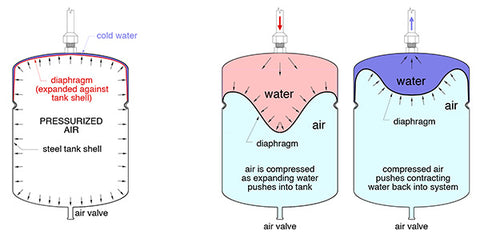
Expansion tanks help heating systems work smoothly. When water heats up, it expands. This extra volume needs space. The tank gives water room to grow. This stops pressure from rising too high.
By absorbing this pressure, the tank protects pipes. It also helps boilers run more efficiently. This reduces wear and tear on the whole system.
Managing Thermal Expansion
Thermal expansion happens when water heats and grows bigger. The expansion tank controls this growth. It has an air cushion inside that absorbs pressure. This keeps the system balanced and safe.
Without this control, pressure can build up quickly. This may cause leaks or even bursts. Expansion tanks reduce these risks by managing pressure changes smoothly.
Credit: libertysupply.com
Purpose Of Pressure Tanks
Pressure tanks play a vital role in many water systems. They store water under pressure to help control flow and maintain steady water supply. These tanks prevent pumps from turning on and off too often. This helps extend pump life and saves energy. Understanding their purpose clarifies why they are important for homes and businesses.
Function In Water Systems
Pressure tanks hold water and air separately inside the tank. Air compresses as water fills the tank. This creates pressure that pushes water into pipes. The tank acts as a buffer to reduce pump cycling. It allows water to flow smoothly without sudden starts or stops.
Maintaining Water Pressure
Pressure tanks keep water pressure steady during use. When a tap opens, water flows out from the tank first. This keeps pressure stable until the pump starts again. The tank helps avoid pressure drops and surges. It ensures a consistent water supply for daily needs.
Design And Construction Differences
The design and construction of expansion tanks and pressure tanks differ in several key ways. These differences affect their function and suitability for various systems. Understanding these aspects helps in choosing the right tank for your needs.
Both tanks manage water pressure but do so differently. Their build reflects their unique roles in plumbing and heating systems.
Materials And Size
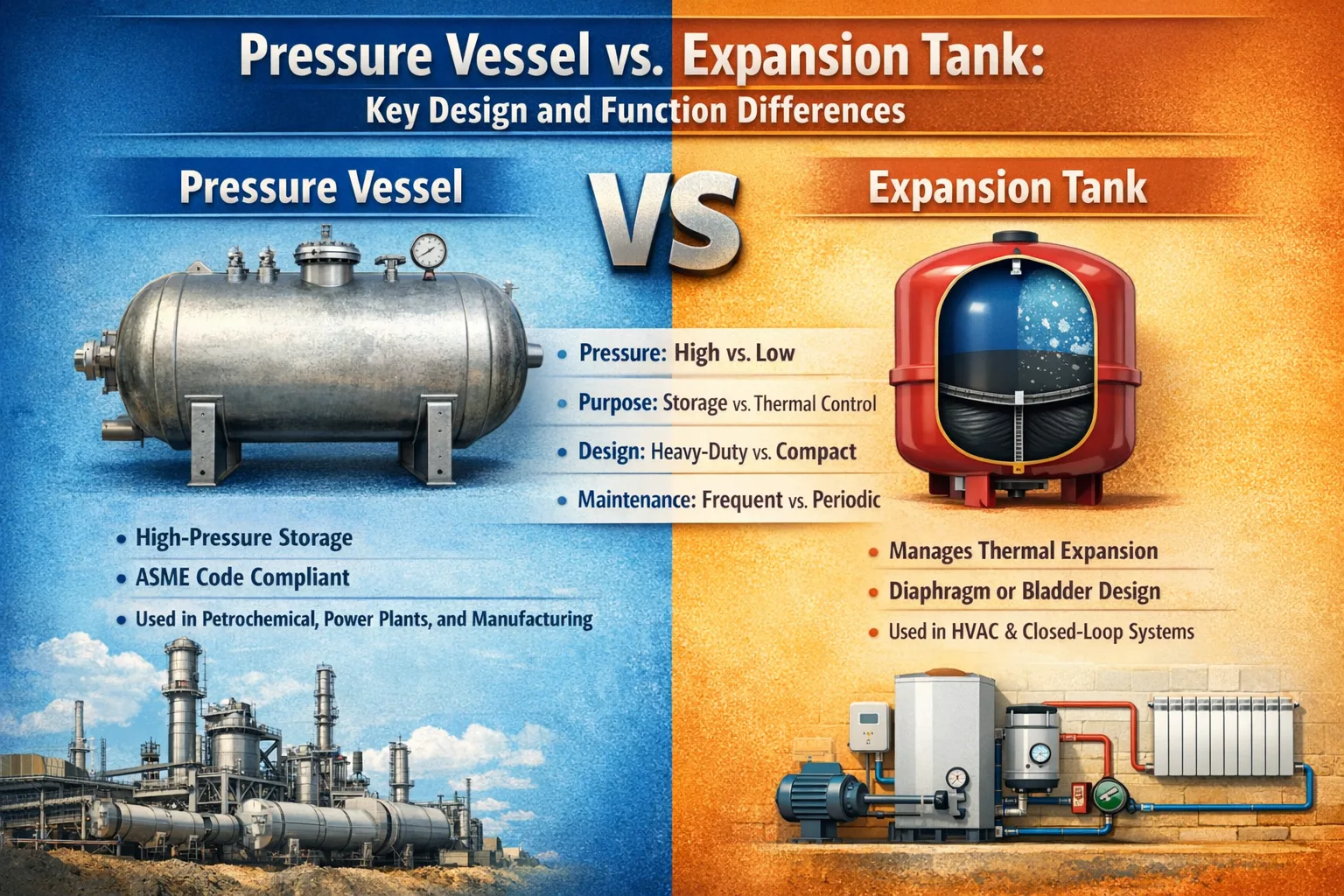
Expansion tanks are usually smaller and lighter. They often use steel or durable plastic for their outer shell. Their size depends on the system’s capacity and pressure needs. Pressure tanks tend to be larger and heavier. They use thicker steel to handle high water pressure safely. The size of a pressure tank also varies with the water system’s demand. Both tanks have coatings to prevent rust and corrosion.
Internal Components
Inside an expansion tank, there is a rubber bladder or diaphragm. This part separates air from water. It allows the tank to absorb pressure changes smoothly. Pressure tanks also contain a bladder or diaphragm but are designed for more water storage. They maintain water pressure by storing water and air together. The air charge in pressure tanks keeps water pressure steady during use. Expansion tanks focus on absorbing pressure spikes, while pressure tanks provide steady water flow.
Installation Locations
Choosing the right tank starts with knowing where to install it. Placement affects how well the tank works and how easy it is to maintain. Expansion tanks and pressure tanks have different spots where they fit best. Understanding these spots helps you pick the correct tank for your system.
Where Expansion Tanks Are Placed
Expansion tanks usually go near the water heater or boiler. This spot helps control water pressure caused by heating. The tank connects to the cold water line before it enters the heater. This setup allows the tank to absorb extra pressure safely. Placing the tank here protects pipes and appliances from damage.
Where Pressure Tanks Are Installed
Pressure tanks sit close to the water pump in a well system. This location helps keep water pressure steady in the entire plumbing system. The tank stores water and air, pushing water when needed. Installing the tank near the pump reduces pump wear and saves energy. It also ensures smooth water flow to your taps.
Operating Pressure And Capacity
Understanding the operating pressure and capacity helps choose between an expansion tank and a pressure tank. These tanks work under different pressure ranges and hold different amounts of water. Knowing these differences ensures the right tank fits your system’s needs.
Pressure Range For Expansion Tanks
Expansion tanks usually operate at lower pressures. Their range is often between 12 and 30 psi. This pressure helps absorb extra water volume from heating systems. The tank prevents too much pressure buildup. It protects pipes and boilers from damage.
Pressure Range For Pressure Tanks
Pressure tanks work at higher pressures. They usually range from 40 to 60 psi. These tanks store water under pressure for well systems. The pressure pushes water into pipes when needed. This keeps water flowing steadily throughout your home.

Credit: libertysupply.com
Maintenance Needs
Expansion tanks and pressure tanks both need care to work well. Regular checks help catch problems early. This keeps your system safe and running smoothly. Knowing common issues helps you plan the right maintenance.
Common Issues With Expansion Tanks
Expansion tanks often face air charge loss. This causes the tank to fill with water. The system then loses pressure and may leak. Rust can build up inside the tank. This weakens the metal and shortens its life. The tank’s bladder can also fail. When this happens, the tank stops working properly.
Common Issues With Pressure Tanks
Pressure tanks can lose their air charge too. This leads to waterlogging, where water fills the tank. The pump runs too often and wears out fast. Corrosion is another problem for pressure tanks. It damages the tank and can cause leaks. The pressure switch might fail, affecting tank pressure. Regular checks avoid these issues and save money.
Cost Considerations
Cost plays a big role in choosing between an expansion tank and a pressure tank. Understanding the costs helps you pick the right option for your budget and needs. Both types have different price points at the start and over time.
Initial Purchase Costs
Expansion tanks usually cost less upfront. They are simpler in design and smaller in size. Pressure tanks cost more because they are larger and more complex. The price difference depends on the size and brand. Installation costs may vary too. Expansion tanks often need less time to install. Pressure tanks might need extra plumbing work.
Long-term Expenses
Expansion tanks need less maintenance over time. They usually last longer without repairs. Pressure tanks may require more upkeep. Parts like air bladders can wear out and need replacement. Energy costs can differ too. Pressure tanks help reduce pump cycling, saving electricity. Expansion tanks mainly protect your system from pressure changes. Consider these points for ongoing expenses.
Choosing The Right Tank
Selecting the proper tank matters for system safety and efficiency. Expansion tanks and pressure tanks serve different purposes. Picking the right one depends on your system needs. Understanding key factors helps make the best choice. This guide breaks down what to consider.
Factors To Consider
Check system type before choosing a tank. Heating systems often need expansion tanks. Well water setups usually require pressure tanks. Size matters too. A tank too small or too big can cause problems. Pressure ratings should match your system’s demands. Material quality impacts durability and performance. Installation space also affects your choice. Think about maintenance ease and cost.
Matching Tank To System Requirements
Know your system’s operating pressure and volume. Expansion tanks absorb extra water volume from heating. Pressure tanks store water and maintain steady pressure. Match tank size to water volume or pressure needs. Use manufacturer guidelines for capacity and pressure limits. Incorrect sizing leads to system damage or inefficiency. Proper matching ensures longer system life and stable function.
Credit: www.redriver.team
Frequently Asked Questions
What Is The Main Difference Between Expansion And Pressure Tanks?
Expansion tanks handle water volume changes in heating systems. Pressure tanks store water and maintain pressure in well systems.
How Does An Expansion Tank Prevent Pipe Damage?
It absorbs extra water volume during heating. This stops pipes from bursting or leaking due to pressure spikes.
Why Do Pressure Tanks Maintain Water Pressure?
Pressure tanks keep steady water pressure for homes using wells. They reduce pump cycling and extend pump life.
Can Expansion Tanks Be Used In Well Water Systems?
No, expansion tanks are for heating systems. Well water systems need pressure tanks for proper function.
How Do Pressure Tanks Protect Water Pumps?
Pressure tanks reduce pump starts and stops. This lowers wear and tear on pumps and saves energy.
When Should You Replace An Expansion Tank?
Replace if it leaks or loses air charge. A failing tank can cause pressure problems and system damage.
Are Pressure Tanks Required For All Well Water Setups?
Most well systems use pressure tanks for steady water flow. Some small systems may not need one.
Conclusion
Both expansion tanks and pressure tanks serve important roles in water systems. Expansion tanks help manage pressure changes caused by heating water. Pressure tanks store water and keep water pressure steady in well systems. Choosing the right tank depends on your system’s needs.
Knowing the difference can save you time and money. Keep your system running smoothly by picking the correct tank type. Simple but effective solutions matter most in home water systems. Understanding these basics makes maintenance easier and prevents problems.