
When something goes wrong in your home, knowing who to call can save you time and stress. But what if you’re not sure whether the problem is with your plumbing or your HVAC system?
Understanding the difference between plumbing and HVAC is key to fixing issues quickly and keeping your home comfortable. You’ll discover exactly what sets these two essential systems apart, how they work, and why choosing the right expert matters. Keep reading to make sure your next repair or upgrade goes smoothly and you get the best results for your money.

Credit: www.youtube.com
Basics Of Plumbing
Plumbing is a key part of any building’s infrastructure. It handles water supply and waste removal. Without plumbing, daily life would be difficult. This section explains the basics of plumbing to help you understand its role.
Core Functions
Plumbing moves clean water into homes and buildings. It also removes dirty water and waste safely. Plumbing controls water pressure for showers and taps. It prevents leaks and water damage. Proper plumbing keeps water flowing smoothly.
Common Systems
Water supply systems bring fresh water from the main line. Drain-waste-vent systems remove wastewater and gases. Fixtures like sinks, toilets, and showers connect to pipes. Heating systems may use plumbing for hot water. Each system works together to keep water moving.
Typical Materials Used
Plumbing pipes come in different materials. Copper pipes resist corrosion and last long. PVC pipes are lightweight and easy to install. PEX pipes are flexible and reduce leaks. Each material fits certain needs and budgets.
Credit: blog.herzing.ca
Basics Of Hvac
HVAC stands for Heating, Ventilation, and Air Conditioning. It controls indoor temperature and air quality. This system keeps homes and buildings comfortable all year. Understanding HVAC basics helps you see its value. It involves more than just heating or cooling.
Primary Roles
The main job of HVAC is to regulate temperature. It heats spaces in cold weather. It cools spaces during hot months. It also circulates fresh air inside buildings. HVAC removes moisture and controls humidity too. It helps maintain healthy and safe air quality.
Main Components
HVAC systems have several key parts. The furnace generates heat for warming. The air conditioner cools the air. Ductwork moves air throughout the building. The thermostat controls the system’s temperature. Filters clean the air before it circulates. Each part works together for comfort.
Types Of Hvac Systems
There are many HVAC system types available. Split systems have separate heating and cooling units. Packaged systems combine all parts in one unit. Ductless mini-splits offer flexible room-by-room control. Heat pumps provide both heating and cooling. Choosing the right type depends on building needs.
Key Functional Differences
Understanding the key functional differences between plumbing and HVAC helps to choose the right service. Both systems play essential roles in homes and buildings but serve very different purposes. Plumbing focuses on water management. HVAC deals with air and temperature control. Knowing these differences can make repairs and maintenance easier.
Water Supply Vs Air Quality
Plumbing systems deliver clean water for drinking, cooking, and bathing. Pipes, faucets, and fixtures form the network for water supply and waste removal. HVAC systems improve indoor air quality. They filter, heat, cool, and circulate air inside buildings. This helps to keep air fresh and comfortable.
Heating And Cooling Vs Drainage
HVAC systems provide heating and cooling to maintain comfortable temperatures. They use furnaces, air conditioners, and heat pumps to control climate. Plumbing systems handle drainage and waste removal. They remove wastewater from sinks, showers, toilets, and appliances safely.
System Maintenance
Plumbing maintenance includes checking for leaks, pipe blockages, and fixture repairs. It prevents water damage and ensures water flows smoothly. HVAC maintenance focuses on cleaning filters, inspecting ducts, and checking system efficiency. Regular care keeps air clean and systems working well.
Tools And Equipment
Both plumbing and HVAC jobs require specific tools and equipment. These tools help professionals perform tasks safely and efficiently. Understanding the key tools can help you see how different these two trades are. It also shows why each job needs special skills and gear.
Essential Plumbing Tools
Plumbers use tools designed to handle pipes and water systems. Pipe wrenches tighten and loosen pipe connections. Plumbers also use pipe cutters to cut pipes cleanly. Plungers clear clogs in drains and toilets. A basin wrench helps reach nuts under sinks. Pipe threaders create threads on pipes for fitting. These tools make pipe installation and repair easier.
Common Hvac Tools
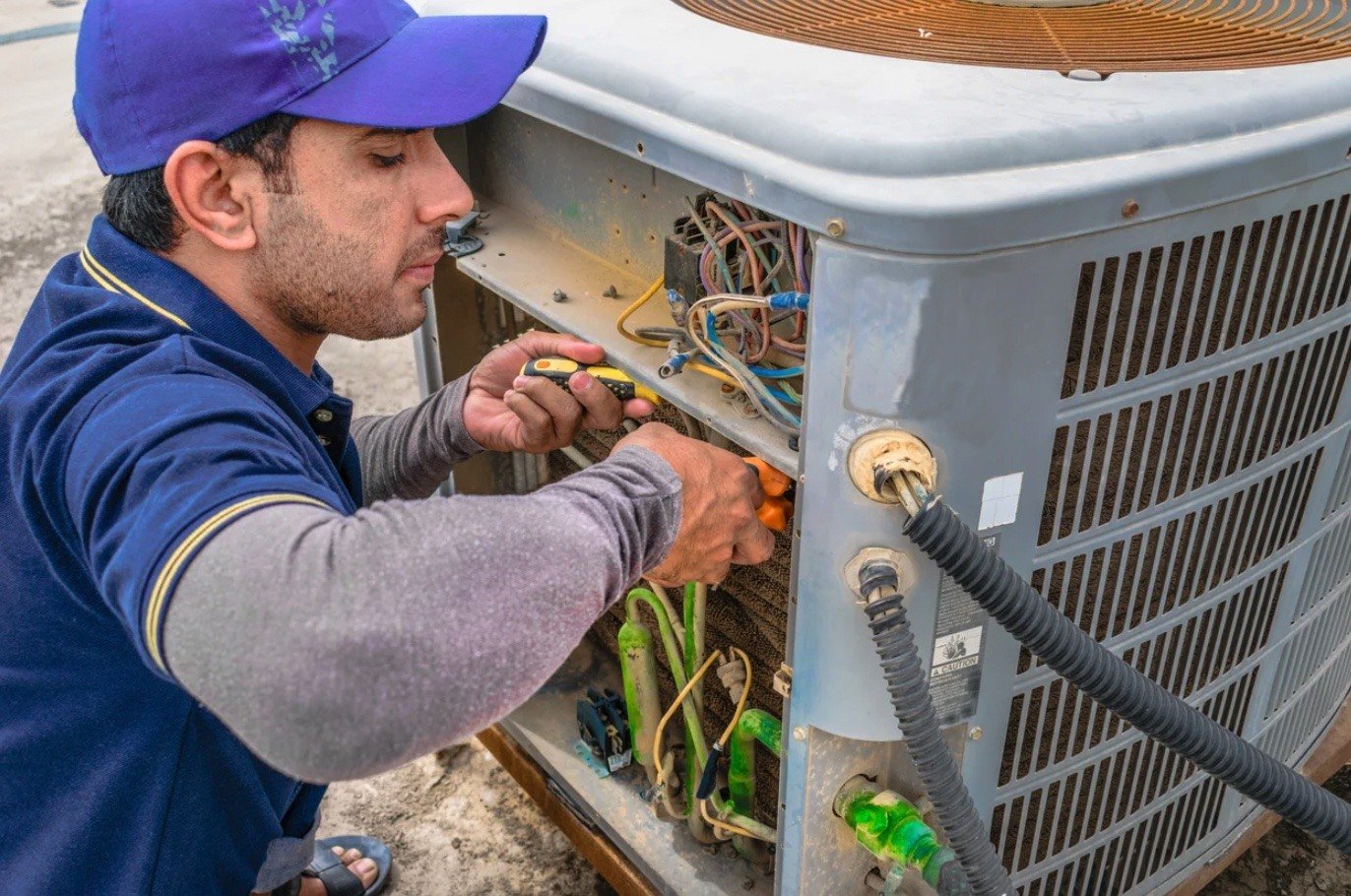
HVAC technicians work with heating and cooling systems. They use refrigerant gauges to check system pressure. Thermometers measure temperature differences in air ducts. Vacuum pumps remove air and moisture from cooling systems. Multimeters test electrical circuits for safety and function. Leak detectors find refrigerant leaks quickly. These tools keep HVAC systems running smoothly.
Safety Gear
Safety gear protects workers from hazards on the job. Gloves shield hands from sharp objects and chemicals. Safety glasses protect eyes from debris and splashes. Masks prevent breathing harmful dust or fumes. Hard hats guard against falling objects. Proper footwear stops slips and protects feet. Both plumbers and HVAC workers rely on safety gear to stay safe.
Skill Sets And Training
Plumbing and HVAC are two important trades that keep buildings safe and comfortable. Both require special skills and training. Understanding these skill sets helps people choose the right professional for their needs. This section explains the qualifications and expertise needed in plumbing and HVAC work.
Plumber Qualifications
Plumbers work with pipes, drains, and water systems. They must know how to read blueprints and building codes. Manual skills are important. They fix leaks, install fixtures, and maintain systems. Training usually involves apprenticeships. These combine on-the-job work with classroom learning. Plumbing requires knowledge of safety rules and tools. A good plumber also understands how to detect problems early.
Hvac Technician Skills
HVAC technicians install and repair heating, cooling, and ventilation systems. They need electrical and mechanical knowledge. Understanding how to handle refrigerants safely is key. HVAC work involves system troubleshooting and maintenance. These technicians must be able to use diagnostic tools. Strong problem-solving skills are essential. Training includes technical courses and hands-on experience. Technicians must stay updated on technology and regulations.
Licensing And Certifications
Both plumbers and HVAC technicians must be licensed in many states. Licensing ensures they meet safety and skill standards. Certification programs offer extra proof of expertise. Examples include EPA certification for HVAC refrigerants. Licensing rules differ by location. Professionals often renew licenses regularly. Certifications improve job chances and trust from customers. They show a commitment to quality and safety.
Cost Factors
Cost is a key factor in choosing between plumbing and HVAC systems. Understanding these costs helps you budget better. Both systems have different expenses for installation, repairs, and energy use.
Installation Expenses
Plumbing installation costs depend on the size and type of the system. Simple setups cost less, while complex plumbing can get expensive. HVAC installation often costs more because of the equipment involved. Air conditioners and furnaces need professional installation. Labor and materials add to the total price.
Repair And Maintenance Costs
Plumbing repairs usually involve fixing leaks or clogged pipes. These repairs can be quick or take more time if the problem is serious. HVAC repairs include fixing heaters, coolers, or vents. Regular maintenance is needed to keep HVAC systems running well. Plumbing repairs tend to be cheaper but happen more often.
Energy Efficiency Impact
Energy efficiency affects monthly bills in both systems. Plumbing uses water, so leaks can increase water bills. Efficient fixtures save water and lower costs. HVAC systems use electricity or gas, so energy-efficient models reduce utility bills. Poorly maintained HVAC units use more energy and cost more to run.
Choosing Between Plumbing And Hvac
Choosing between plumbing and HVAC services can be confusing. Both deal with home systems that affect comfort and safety. Knowing when to call a plumber or an HVAC technician saves time and money. It also ensures the right work gets done quickly and correctly.
When To Hire A Plumber
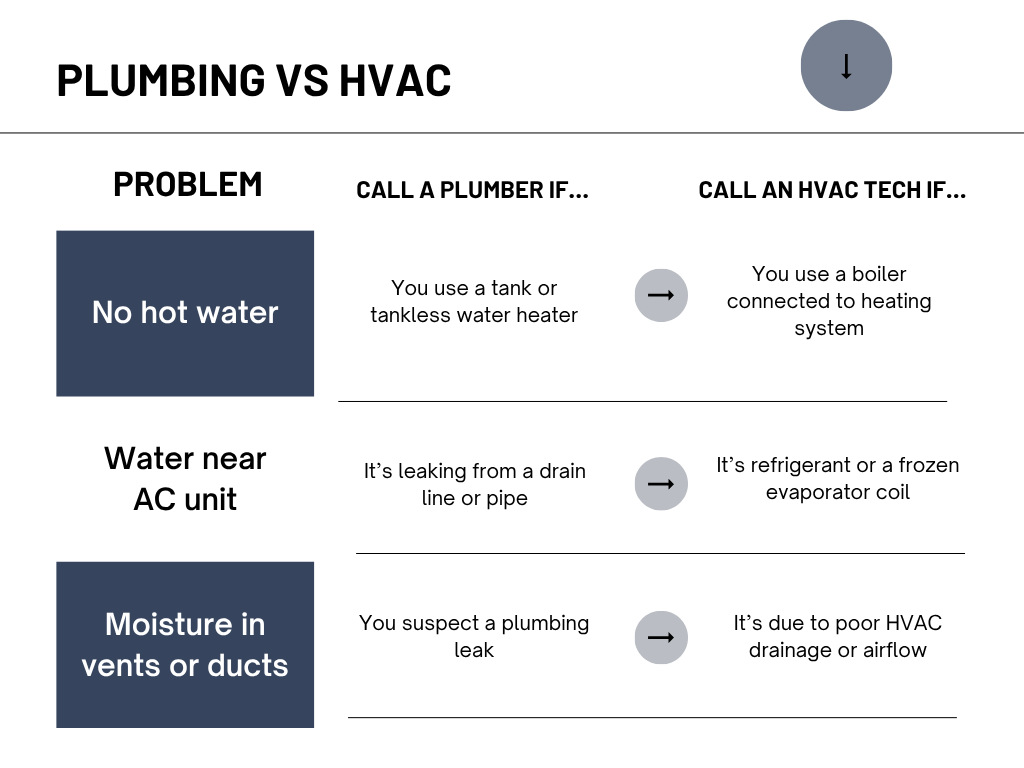
Call a plumber for water leaks or broken pipes. They fix clogged drains and install toilets or sinks. Plumbing issues often involve water supply and drainage. Problems like low water pressure or strange noises in pipes also need a plumber’s help.
When To Hire An Hvac Technician
Contact an HVAC technician for heating or cooling problems. They repair air conditioners, furnaces, and ventilation systems. HVAC experts handle thermostat issues and poor air flow. If your home feels too hot or cold, an HVAC technician can help.
Overlap And Collaboration
Sometimes plumbing and HVAC problems overlap. Water heaters and boilers need both plumbers and HVAC technicians. These pros work together on complex systems that use water and air. Teamwork ensures your home systems run smoothly and safely.
Credit: www.bennerplumbing.com
Frequently Asked Questions
What Is The Main Difference Between Plumbing And Hvac?
Plumbing deals with water systems, like pipes and drains. HVAC handles heating, cooling, and air flow in buildings.
Which Professional Fixes Plumbing Issues?
A plumber repairs leaks, clogs, and water heater problems. They work mainly with water supply and drainage.
Who Installs And Repairs Hvac Systems?
HVAC technicians install and fix heating, cooling, and ventilation units. They ensure indoor air stays comfortable and clean.
Can Plumbing Problems Affect Hvac Systems?
Yes, plumbing leaks can cause moisture damage near HVAC units. This may reduce HVAC efficiency and cause mold growth.
How Often Should I Service Plumbing And Hvac Systems?
Plumbing should be checked yearly to avoid leaks and blockages. HVAC systems need servicing twice a year for best performance.
Do Plumbing And Hvac Use Different Tools?
Yes, plumbers use pipe wrenches and drain snakes. HVAC technicians use refrigerant gauges and air flow meters.
Is It Important To Hire Licensed Plumbers And Hvac Technicians?
Yes, licensing ensures professionals follow safety and quality standards. It protects your home and saves money on costly repairs.
Conclusion
Plumbing and HVAC both keep your home comfortable and safe. Plumbing handles water flow and waste removal. HVAC controls air temperature and quality. Each needs skilled professionals for repairs and maintenance. Knowing their differences helps you choose the right service.
Both systems work together to improve daily life. Taking care of them saves money and stress. Trust experts to keep your home running smoothly. Simple steps can prevent big problems later. Choose the right help for your home’s needs.