
Are you confused about the difference between plumbing and pipefitting? You’re not alone.
Many people use these terms interchangeably, but they actually refer to different skills and jobs. Understanding the key differences can help you make better decisions, whether you’re hiring a professional or considering a career in these fields. Keep reading to discover what sets plumbing and pipefitting apart—and why it matters to you.

Credit: www.byf.org
Job Roles Compared
Plumbing and pipefitting are two important trades in construction and maintenance. Both involve working with pipes, but their job roles differ in many ways. Understanding these roles helps to know what each trade focuses on and the skills required.
Plumbers handle water systems and ensure clean water flows safely. Pipefitters deal with industrial piping systems, often working with gases and chemicals. Each trade has unique tasks that suit different work environments.
Plumbing Responsibilities
Plumbers install and repair water supply lines in homes and buildings. They work on sinks, toilets, and showers to ensure proper water flow and drainage. Plumbers also fix leaks and unclog pipes to prevent water damage. They often read blueprints to plan pipe layouts. Safety and sanitation are key parts of their job. Plumbers test pipes to avoid contamination or leaks. They may also install heating systems that use water.
Pipefitting Tasks
Pipefitters build and maintain piping systems in factories and plants. They work with steam, gas, and chemicals, not just water. Pipefitters cut, bend, and fit metal pipes using special tools. Their work requires precision to handle high pressure and heat. They install pipe supports and weld pipes together. Pipefitters read complex drawings to follow exact specifications. Testing pipes for leaks and strength is part of their routine. Their job often involves working at heights or in tight spaces.
Credit: www.neit.edu
Tools And Equipment
Tools and equipment play a vital role in plumbing and pipefitting jobs. Each trade uses specific instruments designed for its tasks. Understanding these tools helps recognize the differences between plumbing and pipefitting work.
Plumbers use tools mainly for installing and fixing water systems. Pipefitters handle larger pipes and work with metals and gases. Their tools reflect these distinct needs.
Common Plumbing Tools
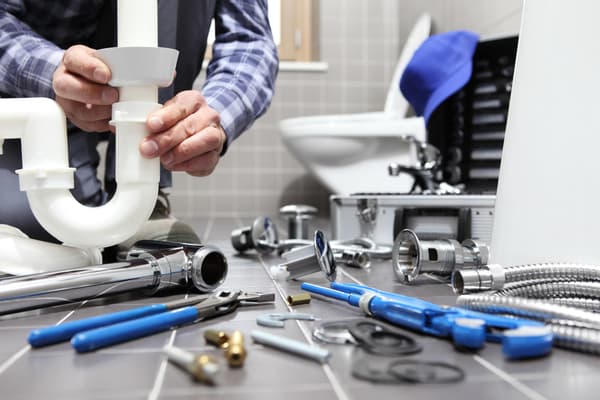
Plumbers rely on wrenches, pipe cutters, and pliers. A pipe wrench is essential for gripping and turning pipes. Basin wrenches help reach tight spots under sinks. Pipe cutters create clean cuts on plastic or copper pipes. Plumbers also use plungers and augers to clear blockages. Teflon tape and pipe sealants ensure leak-free joints.
Pipefitting Instruments
Pipefitters use heavy-duty tools for metal pipes. Tube benders shape pipes without kinking them. Threading machines create threads on pipe ends for fittings. Welding equipment joins metal pipes securely. Pipe vises hold pipes steady during work. Measuring tools like calipers and levels ensure precise pipe alignment. Pipefitters also use grinders to smooth welds and edges.
Materials Used
Materials play a big role in both plumbing and pipefitting. They must be strong and safe. Each trade uses different materials based on their work needs. Understanding these materials helps you see how the jobs differ.
Materials also affect the durability and function of pipes. Choosing the right one is key to a long-lasting system. Both plumbers and pipefitters pick materials carefully to do their best work.
Typical Plumbing Materials
Plumbers often use copper, PVC, and PEX pipes. Copper is strong and resists corrosion. PVC is light and easy to cut. PEX is flexible and good for tight spaces. These materials handle water and waste safely.
Plumbing fittings include brass, plastic, and galvanized steel. Brass works well with copper pipes. Plastic fittings fit with PVC pipes. Galvanized steel is less common but still useful. These materials join pipes and control flow.
Pipefitting Materials
Pipefitters mainly use steel, stainless steel, and iron pipes. Steel is tough and handles high pressure. Stainless steel resists rust and heat. Iron is strong but heavier and harder to work with. These materials fit industrial needs.
Pipefitting also involves specialty materials like alloy and carbon steel. These pipes carry gases and chemicals safely. Pipefitters use welding and threading to connect these materials. Their work requires precision and strong materials.
Work Environments
Work environments for plumbers and pipefitters vary greatly. Each profession faces unique challenges and settings. Understanding these differences helps clarify their roles and daily tasks.
Residential And Commercial Plumbing
Plumbers often work inside homes and businesses. They install and repair pipes for water, gas, and drainage. Their work includes kitchens, bathrooms, and heating systems. Plumbers handle smaller systems compared to industrial sites. They work in tight spaces and deal directly with customers. The pace can be fast, with urgent repairs needed. Safety measures focus on preventing water damage and ensuring proper sanitation.
Industrial Pipefitting Settings
Pipefitters work mainly in factories and large plants. They install and maintain complex piping systems for chemicals, steam, and oil. Industrial sites require heavy machinery and specialized tools. Pipefitters often work at heights or in confined spaces. Their tasks demand precision and strict safety standards. The environment can be noisy and physically demanding. Teamwork is essential to complete large-scale projects on time.
Training And Certifications
Training and certifications play a key role in plumbing and pipefitting careers. Both fields require specific skills and knowledge. Proper education helps workers perform safely and efficiently. Certifications prove a professional’s ability and expertise. They also open doors to better job opportunities and higher pay.
Plumbing Education Pathways
Plumbers usually start with a high school diploma or GED. Many join apprenticeship programs that combine classroom learning with on-the-job training. These programs last about four to five years. Coursework covers pipe systems, safety, and local plumbing codes. After completing apprenticeships, plumbers often take licensing exams. Licensing requirements vary by state. Some plumbers pursue additional certifications in areas like gas fitting or backflow prevention.
Pipefitting Training Programs
Pipefitters often begin with technical school or community college courses. Training focuses on reading blueprints, welding, and metal pipe assembly. Apprenticeships last about four to five years too. Pipefitting apprentices learn to install and repair pipes for heating, cooling, and industrial systems. Certification programs test skills in welding and pipe installation. These credentials help pipefitters prove their expertise and meet safety standards.

Credit: hydroxfittings.com
Salary And Job Outlook
Salary and job outlook are key factors when choosing a career path. Both plumbing and pipefitting offer steady work and good pay. Demand for skilled workers in these trades remains strong across the country. This section breaks down earnings and compensation trends for each field.
Earnings In Plumbing
Plumbers typically earn a reliable income. The average annual salary ranges from $45,000 to $60,000. Experience, location, and certifications affect pay. Some plumbers earn more by working in specialized areas like service or repair. Job growth for plumbers is expected to stay steady due to ongoing construction and maintenance needs.
Pipefitting Compensation Trends
Pipefitters often earn slightly higher wages than plumbers. Their average salary usually falls between $50,000 and $65,000 per year. This difference reflects the technical skills required for pipefitting. Pipefitters work in industries such as manufacturing and energy, which offer good pay. The job outlook is positive as industrial projects continue to grow.
Skills And Challenges
Both plumbing and pipefitting require strong skills and face unique challenges. These trades involve working with pipes and systems but differ in focus and complexity. Understanding the skills and challenges helps to see what each job demands.
Key Skills For Plumbers
Plumbers need good problem-solving skills. They must read blueprints and understand plumbing codes. Manual dexterity is important for handling tools and small parts. Communication skills help when explaining issues to clients. Plumbers should know how to work safely around water and gas systems. Time management is crucial to complete jobs efficiently.
Challenges Faced By Pipefitters
Pipefitters work with high-pressure systems and often in harsh environments. They face risks from heavy machinery and toxic materials. Precision is vital since pipefitting involves welding and fitting pipes tightly. Pipefitters must interpret complex diagrams and measurements. Working in tight spaces or at heights is common. Physical strength and endurance are needed for demanding tasks.
Choosing The Right Career
Choosing the right career is a big step. It shapes your future and daily life. Plumbing and pipefitting both offer strong career paths. Understanding their differences helps you decide which fits best. Think about what matters most to you in a job. Consider your skills, interests, and long-term goals. This section explores key points to guide your choice.
Factors To Consider
Both plumbing and pipefitting need physical work and technical skills. Plumbing focuses on water systems and fixtures. Pipefitting deals with industrial pipes and machinery. Your interest in residential or industrial work matters. Training time and cost vary between the two fields. Check job availability in your area for each trade. Consider work environment preferences: indoors or outdoors, steady or varied tasks. Safety rules and risks differ too. Know what you can handle daily.
Career Growth Opportunities
Plumbing and pipefitting offer steady demand and good pay. Both trades provide chances to advance as supervisors or contractors. Some plumbers start their own businesses. Pipefitters may move into specialized roles like welding or HVAC systems. Certification and additional training open more doors. Learning new skills keeps you competitive in the job market. Trades offer reliable work even in tough economies. Growth depends on your effort and continuous learning.
Frequently Asked Questions
What Is The Main Difference Between Plumbing And Pipefitting?
Plumbing deals with water supply and drainage in homes and buildings. Pipefitting focuses on installing and maintaining pipes for industrial use.
Which Tools Do Plumbers And Pipefitters Commonly Use?
Plumbers use wrenches, pipe cutters, and plungers. Pipefitters use welding tools, grinders, and pipe benders for metal pipes.
Can Plumbers And Pipefitters Work On The Same Projects?
Sometimes yes, especially in large buildings. But pipefitters mainly work on factories, and plumbers work in homes.
What Skills Are Needed For Plumbing Versus Pipefitting?
Plumbers need knowledge of water systems and fittings. Pipefitters need welding skills and understand metal pipe systems.
How Does The Training Differ For Plumbers And Pipefitters?
Plumbers train in water systems and sanitation. Pipefitters train in welding and handling high-pressure pipes.
Which Job Pays More: Plumbing Or Pipefitting?
Pipefitting often pays more due to higher skill and risk. Plumbing wages vary by location and experience.
Are Plumbing And Pipefitting Regulated By Different Licenses?
Yes, plumbing requires specific local licenses. Pipefitting licenses depend on welding and industrial regulations.
Conclusion
Plumbing and pipefitting both deal with pipes but serve different purposes. Plumbing focuses on water supply and drainage in buildings. Pipefitting involves working with high-pressure pipes for industrial use. Each trade requires specific skills and tools. Choosing the right profession depends on your interests and career goals.
Both offer good job opportunities and steady work. Understanding their differences helps you make a smart decision. Now you know what sets plumbing apart from pipefitting. Your choice can shape a rewarding career.