
When you’re choosing materials for your project, knowing the difference between copper and brass can make a big impact. Both metals look similar, but they have unique qualities that affect how they perform and how long they last.
You might wonder which one is better for your needs—whether it’s for home decor, plumbing, or crafting. This guide will help you understand the key differences between copper and brass, so you can make the smartest choice without any guesswork.
Keep reading to discover what sets these two metals apart and find out which one fits your project perfectly.
Copper Basics
Copper is one of the oldest metals used by humans. It has a rich reddish color and a shiny surface. This metal is soft but strong enough for many tasks. Copper can conduct electricity and heat very well. These features make it valuable in many industries.
Its natural resistance to corrosion helps copper last long. People use copper in homes, electronics, and art. Understanding copper’s basics helps us see why it is popular. Let’s explore copper’s physical properties, common uses, and advantages.
Physical Properties
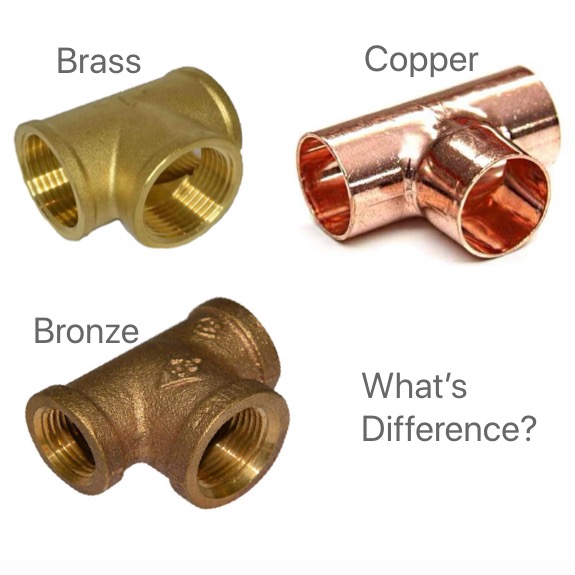
Copper is a reddish-brown metal. It is soft and easy to shape. It melts at 1,984 degrees Fahrenheit. Copper is a good conductor of electricity and heat. It does not rust but can form a green layer called patina. This layer protects copper from damage.
Common Uses
Copper is widely used in electrical wiring due to its conductivity. It is common in plumbing pipes and fixtures. Copper also appears in roofing and gutters. Artists use copper for sculptures and decorative items. It plays a role in making coins and musical instruments.
Advantages
Copper resists corrosion and lasts a long time. It is easy to work with and shape. Copper conducts heat and electricity efficiently. It has natural antimicrobial properties. This helps reduce bacteria on surfaces made of copper.
Credit: www.vpexco.com
Brass Essentials
Brass is a popular metal alloy known for its bright gold-like appearance and strong durability. It often serves as a practical choice in many industries. Understanding brass helps you see why it stands out compared to copper.
This section covers the basics of brass, including what it is made of, where it is used, and why people choose it. The facts are simple and clear.
Composition And Types
Brass is mainly a mix of copper and zinc. The zinc amount changes to create different types of brass. Some brasses include small parts of lead or tin to improve workability or resistance.
Common types include yellow brass, red brass, and naval brass. Each type has unique qualities. Yellow brass has more zinc, making it strong and shiny. Red brass has more copper, giving it a reddish color. Naval brass is made to resist saltwater corrosion.
Typical Applications
Brass is used in many areas due to its strength and look. It appears in plumbing fittings, musical instruments, and decorative items. People use brass in locks, gears, and electrical connectors because it resists sparks and wears well.
It is also popular in art and home décor. Its ability to be polished makes it attractive for statues and lamps. Brass is easy to shape, so craftsmen like it for detailed work.
Benefits
Brass resists rust and does not corrode easily. It lasts long in wet or salty environments. This makes it ideal for marine and plumbing uses.
The metal is also easy to cut, form, and polish. It can be shaped into complex parts without breaking. Brass has good thermal and electrical conductivity, useful in electrical devices.
Its warm color adds beauty to any product. Brass also kills bacteria on its surface, making it hygienic for handles and fixtures.
Appearance And Aesthetics
Appearance and aesthetics play a big role in choosing between copper and brass. Both metals have unique looks. These visuals affect the style of any project or design.
Each metal offers a distinct charm. Understanding their colors, finishes, and how they age helps in making the right choice.
Color Differences
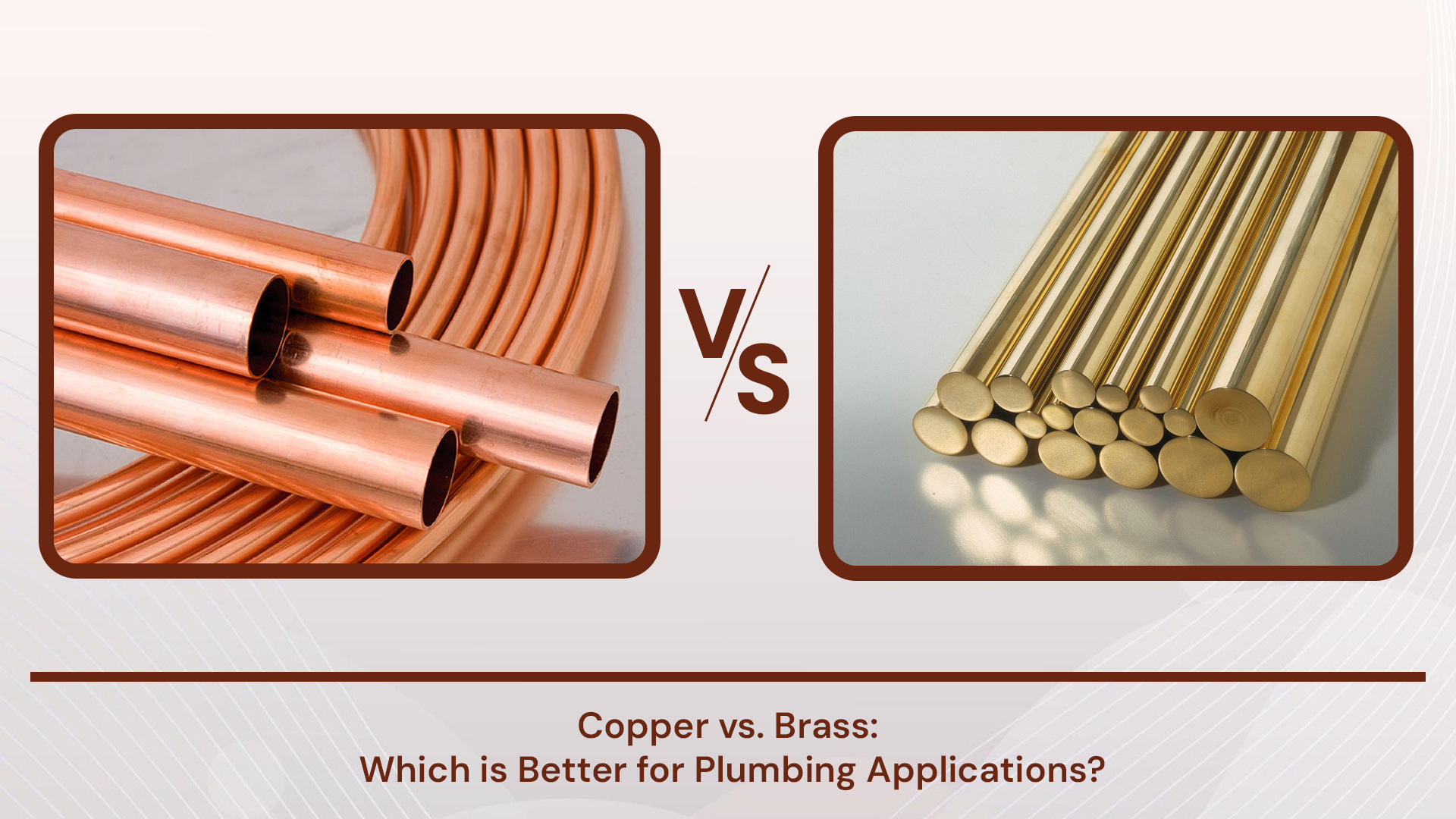
Copper has a warm, reddish-orange tone. It shines with a natural glow that catches the eye. Brass shows a yellow-gold hue. It looks like a softer, brighter version of gold. These color differences make each metal suitable for different styles and moods.
Surface Finishes
Copper often comes with a smooth, polished surface. It can also be brushed or matte. Brass tends to have a shiny, reflective finish. It can be polished to a mirror-like gleam or left with a dull texture. Both metals allow many finish options to fit various design needs.
Aging And Patina
Copper develops a greenish patina over time. This adds character and vintage charm. Brass changes color too but usually darkens to a brown or dull gold. The aging process makes each piece unique. Some prefer the aged look, while others like the fresh shine.
Mechanical Strength And Durability
Mechanical strength and durability are key factors in choosing between copper and brass. Both metals offer unique benefits for different uses. Understanding these differences helps pick the right metal for a project.
Tensile Strength
Tensile strength measures how much force a metal can take before breaking. Brass generally has higher tensile strength than copper. This means brass can handle more stress without bending or snapping. Copper is softer and more flexible, which is good for wiring but not for heavy loads.
Corrosion Resistance
Copper resists corrosion well, especially in moist environments. It forms a protective green layer called patina, which shields the metal underneath. Brass also resists corrosion but can tarnish faster than copper. Both metals last long outdoors, but copper holds up better in harsh conditions.
Wear And Tear
Brass stands up better to wear and tear than copper. It is harder and less likely to scratch or dent. Copper’s softness makes it more prone to damage over time. For parts that face constant friction, brass is often the preferred choice.
Thermal And Electrical Conductivity
Thermal and electrical conductivity are key factors when choosing between copper and brass. These properties affect how well materials transfer heat and electricity. Both metals have unique abilities in these areas. Understanding these differences helps in selecting the right material for specific uses.
Heat Transfer Efficiency
Copper is known for its excellent heat transfer. It moves heat quickly and evenly. This makes copper ideal for heat exchangers and cooking pots. Brass, an alloy of copper and zinc, has lower heat conductivity. It transfers heat slower than pure copper. Brass is better for applications needing moderate heat transfer and durability.
Electrical Performance
Copper is a top conductor of electricity. It allows electric current to flow with very little resistance. Copper wires are common in electrical wiring and electronics. Brass conducts electricity but not as well as copper. Its electrical resistance is higher, making it less efficient for wiring. Brass is used more in decorative or mechanical parts where conductivity is less critical.

Credit: www.tbkmetal.com
Cost And Availability
Cost and availability play a big role in choosing between copper and brass. These factors affect budgets and project timelines. Understanding current market trends helps buyers make smart decisions. Prices can change quickly based on many outside influences. Supply also varies by region and demand. Both metals have unique price points and availability issues.
Market Prices
Copper usually costs more than brass. The price depends on purity and global demand. Copper is widely used in electrical wiring and plumbing. This demand keeps its price high. Brass, an alloy of copper and zinc, often costs less. It is popular for decorative items and fittings. Market prices change daily based on mining and recycling rates.
Supply Factors
Copper supply depends on mining output and recycling efforts. Mines can face closures or strikes, reducing supply. Brass supply depends on copper and zinc availability. Zinc prices can also impact brass costs. Shipping and trade policies affect both metals’ availability. Local stock levels vary, influencing project timing. Planning ahead helps avoid delays and higher costs.
Workability And Fabrication
Workability and fabrication are key factors in choosing between copper and brass. Both metals shape into various forms but differ in ease and method. Understanding their machining, joining, and finishing helps in selecting the right metal for any project.
Machining And Molding
Copper is soft and easy to machine. It cuts smoothly with minimal tool wear. Brass is harder than copper but still machines well. It resists galling and can be molded into detailed shapes. Brass molds hold their form better than copper under stress.
Joining Techniques
Soldering and brazing work well on both metals. Copper joins quickly at lower temperatures. Brass needs slightly higher heat but forms strong joints. Welding is tricky for copper due to its high thermal conductivity. Brass welds easier because of its alloy content.
Finishing Processes
Copper develops a natural patina, which can be polished off. It accepts plating and coating easily. Brass has a bright, golden look and polishes to a high shine. It resists tarnishing better than copper. Both metals can be buffed and lacquered for lasting finishes.
Environmental Impact
The environmental impact of copper and brass is important to consider. Both metals affect the planet in different ways. Understanding these effects helps in choosing the better option for the environment.
Mining and production of metals use energy and resources. This process can cause pollution and habitat loss. The recycling and sustainability of these metals can reduce harm.
Recyclability
Copper is highly recyclable without losing quality. It can be recycled many times. Recycling copper saves energy and reduces mining needs.
Brass is also recyclable but less often than copper. It is an alloy made mostly from copper and zinc. Recycling brass helps conserve natural resources.
Both metals have strong recycling programs worldwide. Recycling reduces waste and lowers environmental damage. It is a key factor in their environmental impact.
Sustainability Considerations
Copper mining can cause soil and water pollution. It requires careful management to protect the environment. Sustainable mining practices are becoming more common.
Brass production depends on copper and zinc mining. Zinc mining has its own environmental challenges. Choosing recycled brass reduces the need for new mining.
Both metals have a long lifespan in products. Durability reduces the need for replacement and waste. This adds to their sustainability.
Choosing Between Copper And Brass
Choosing between copper and brass can be tricky. Both metals offer unique benefits and suit different needs. Understanding their differences helps you pick the right one for your project.
Consider the purpose, how long the material needs to last, and your budget. These factors guide the choice between copper and brass.
Application-specific Factors
Copper is excellent for electrical wiring and plumbing due to its high conductivity. Brass is often used in decorative items and musical instruments because of its bright gold-like appearance. Think about where and how you will use the metal before deciding.
Long-term Performance
Copper resists corrosion and lasts for many years. It can develop a green patina over time, which some people find attractive. Brass is strong and resists wear well but can tarnish and require polishing. Consider how the metal will age in your setting.
Budget Constraints
Copper is generally more expensive than brass. Brass offers a budget-friendly option with good durability. Match your choice to the money you plan to spend without sacrificing quality.
Credit: www.metalbook.com
Frequently Asked Questions
What Is The Main Difference Between Copper And Brass?
Copper is a pure metal, while brass is an alloy of copper and zinc. Brass has a different color and hardness than copper.
Which Metal Is Better For Electrical Wiring, Copper Or Brass?
Copper is better for electrical wiring because it conducts electricity well. Brass is less conductive and not commonly used for wiring.
How Do Copper And Brass Differ In Appearance?
Copper has a reddish-brown color that can turn green when it oxidizes. Brass looks yellowish or gold-like and stays shiny longer.
Is Brass More Durable Than Copper?
Brass is generally harder and more resistant to scratches than copper. Copper is softer and can dent or scratch easily.
Which Metal Resists Corrosion Better, Copper Or Brass?
Brass tends to resist corrosion better, especially in wet conditions. Copper can corrode and develop a green patina over time.
Can Copper And Brass Be Used Interchangeably In Plumbing?
Copper is more common in plumbing for water pipes due to its safety. Brass is used mainly for fittings and valves, not pipes.
What Are The Common Uses Of Copper Versus Brass?
Copper is used in wiring, roofing, and cookware. Brass is popular in musical instruments, decorative items, and mechanical parts.
Conclusion
Copper and brass each have their own strengths. Copper shines with its excellent conductivity and natural resistance to corrosion. Brass offers durability and a bright, gold-like appearance. Choosing between them depends on your project needs and budget. Both metals serve well in construction, decoration, and electronics.
Understanding their differences helps you pick the right material. Simple, clear, and practical—this guide aims to make your choice easier.