
When it comes to keeping your home or workspace dry and safe, choosing the right drain can make all the difference. You might have heard about hub drains and floor drains, but do you really know which one fits your needs?
Understanding the key differences between these two can save you time, money, and headaches down the line. You’ll discover how each drain works, where to use them, and why picking the right one matters for your plumbing system. Keep reading to make the best choice for your space and avoid costly mistakes.
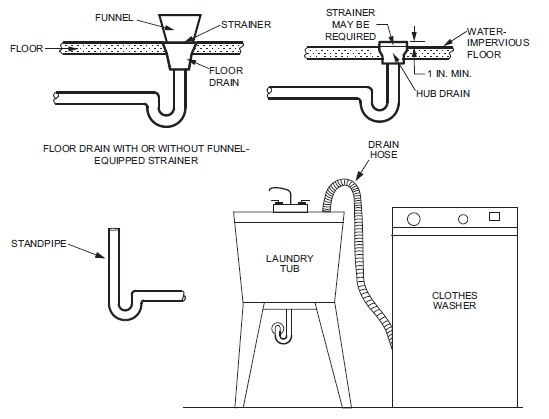
Credit: codes.iccsafe.org
Hub Drain Basics
Understanding the basics of a hub drain is key to comparing it with a floor drain. Hub drains are simple yet effective plumbing components. They serve an important role in managing wastewater. Knowing their design, uses, and installation helps in choosing the right drain for your needs.
Design And Structure
A hub drain has a cylindrical shape with a hub or socket at one end. The hub connects directly to pipes using a tight seal. It often has a flat or slightly domed top. This design allows water to flow freely while preventing debris from entering the pipe. The materials used are usually cast iron or PVC. These materials provide strength and resist corrosion.
Common Uses
Hub drains are common in residential and commercial plumbing systems. They often appear in building basements, garages, and laundry rooms. These drains handle large amounts of water from washing machines or floor cleaning. They also work well in areas with heavy water flow. Their robust design makes them suitable for rough conditions.
Installation Process
Installing a hub drain requires precise pipe alignment. The hub end fits tightly onto the pipe’s spigot end. Plumbers use special sealants or rubber gaskets to ensure a leak-proof joint. The drain must be set at the correct slope for proper water flow. Proper installation prevents blockages and water damage. It is important to follow local plumbing codes during installation.
Floor Drain Essentials
Floor drains are important parts of many buildings. They help remove water from floors. This prevents flooding and keeps areas dry and safe.
Understanding the basics of floor drains can help you choose the right one. It also helps with proper installation and use.
Design And Structure
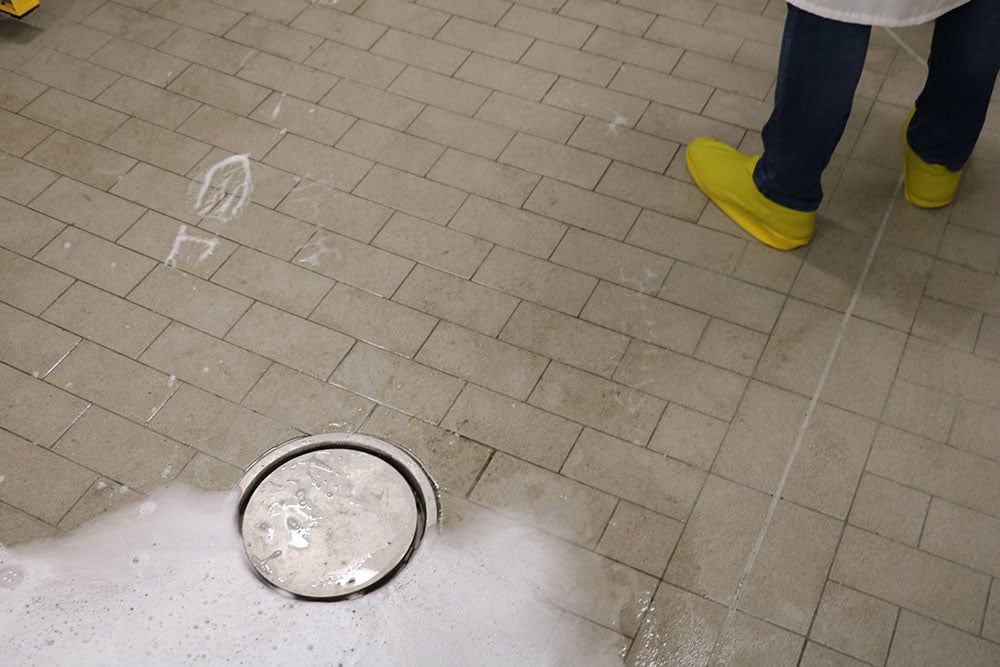
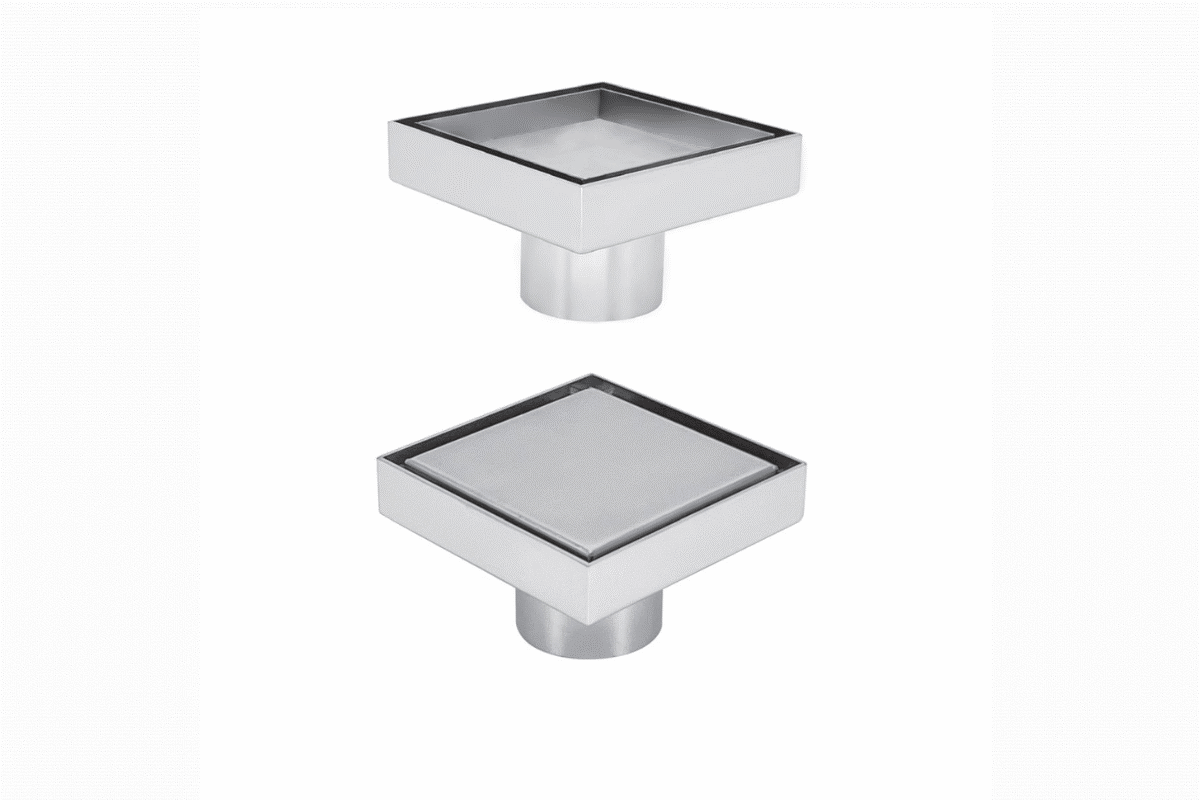
Floor drains usually have a round or square shape. The top has a grate to keep out large debris. Below the grate, a trap holds water to block bad smells from the pipes. Most drains are made of durable materials like cast iron or plastic.
Common Uses
These drains are common in basements, garages, and laundry rooms. They are also found in public restrooms and commercial kitchens. Floor drains help remove spilled water and prevent damage to floors.
Installation Process
Installing a floor drain starts with planning the location. The drain must be at the lowest point of the floor. A proper slope guides water toward the drain. The drain connects to the building’s plumbing system. Sealing around the drain prevents leaks and water damage.
Material And Durability
Material and durability are key factors in choosing between a hub drain and a floor drain. The materials affect how long the drain lasts and how well it handles wear and tear. Both types use different materials that suit their specific functions and settings.
Hub Drain Materials
Hub drains often use cast iron or PVC. Cast iron is strong and can handle heavy loads. It resists damage from heat and chemicals. PVC is lighter and easier to install. It also resists corrosion and rust. Both materials provide good durability for hub drains.
Floor Drain Materials
Floor drains commonly use stainless steel, cast iron, or plastic. Stainless steel is popular for its strength and resistance to rust. Cast iron offers toughness and long service life. Plastic drains work well in light-duty areas. These materials suit different environments and needs.
Longevity And Maintenance
Drains made from cast iron last many years but need rust protection. Stainless steel resists corrosion and stays strong longer. PVC and plastic drains need less maintenance but may wear faster. Regular cleaning helps all drains perform well. Choosing the right material reduces repairs and replacements.
Credit: blog.foodsafedrains.com
Water Flow And Drainage Efficiency
Water flow and drainage efficiency are key factors in choosing the right drain type. Both hub drains and floor drains handle water differently. Understanding how each performs helps prevent water buildup and damage. Good drainage means water moves quickly and smoothly.
Flow Capacity
Flow capacity is the amount of water a drain can handle at once. Hub drains often have larger openings. This allows them to manage higher volumes of water. Floor drains usually have smaller openings. They work best for slow, steady water flow.
Clog Resistance
Clog resistance shows how well a drain avoids blockages. Hub drains have fewer parts inside. This reduces spots where debris can get stuck. Floor drains may trap more dirt because of their design. Regular cleaning helps both types stay clear.
Drainage Speed
Drainage speed is how fast water leaves the area. Hub drains tend to move water quickly because of their wide pipes. Floor drains drain slower but provide steady water removal. Choosing the right drain depends on water volume and flow rate.
Cost Comparison
Comparing the costs of hub drains and floor drains helps make smart choices. Both have different price points that affect budgets differently. Understanding these costs clarifies which drain suits your needs best.
Initial Costs
Hub drains usually cost less upfront. Their simple design requires fewer materials and less labor. Floor drains tend to be pricier at purchase. They need more parts and complex installation.
The installation process for floor drains takes more time. This raises the initial expense. Hub drains install quickly, reducing labor costs. Your choice depends on your budget and project size.
Maintenance Expenses
Hub drains have lower maintenance costs. Their straightforward design means fewer breakdowns. Floor drains need more frequent cleaning and checks. They can clog more easily, raising upkeep costs.
Repairing floor drains often requires professional help. This adds to long-term expenses. Hub drains are easier to clean and maintain yourself. This keeps ongoing costs down.
Best Applications For Hub Drains
Hub drains are essential for effective water drainage in many buildings. They connect directly to pipes, making them strong and reliable. Their design suits specific places better than other drains. Understanding where hub drains work best helps choose the right drain for each project.
Residential Settings
Hub drains fit well in residential basements. They handle large water flow during heavy rain or leaks. These drains prevent flooding and water damage effectively. Homeowners benefit from their strong connection to plumbing pipes. Hub drains are also common in laundry rooms and garages. They manage water from washers and cleaning tasks easily.
Commercial Settings
In commercial buildings, hub drains are popular in kitchens and utility rooms. Restaurants use them to handle water from dishwashing and spills. Factories and warehouses choose hub drains for their durability. These drains stand up to heavy water use and debris. Hub drains in commercial places reduce maintenance and blockages.
Best Applications For Floor Drains
Floor drains serve a key role in managing water in various environments. They help remove excess water quickly and prevent damage. Choosing the right floor drain depends on where it will be used. Understanding the best applications helps ensure effective water drainage and safety.
Residential Settings
Floor drains are common in basements and laundry rooms. They help prevent water damage from leaks or floods. In garages, floor drains remove rainwater or melted snow. Bathrooms and showers use floor drains to guide water away. These drains keep homes dry and safe from mold. They are easy to clean and maintain. Floor drains also work well in patios and outdoor spaces. They help direct rainwater away from walkways and doors.
Commercial Settings
Commercial buildings need strong water drainage systems. Floor drains are used in kitchens to handle spills and wash water. Restaurants rely on floor drains to keep floors clean and dry. Factories and warehouses use drains to manage water from cleaning or machines. Public restrooms have floor drains for sanitation and safety. Floor drains prevent water buildup that can cause slips. They are also found in parking garages to remove rainwater. These drains protect property and reduce maintenance costs.
Common Installation Challenges
Installing drains can be tricky. Both hub drains and floor drains come with their own set of problems. Understanding common challenges helps avoid costly mistakes. This section highlights typical issues faced during installation.
Hub Drain Issues
Hub drains need precise pipe alignment. Misalignment causes leaks and drainage problems. The hub must fit tightly to prevent water escape. Old pipes may not match new hubs well. This mismatch can cause difficulty in sealing joints. Hub drains require strong support to avoid sagging. Sagging pipes lead to blockages and backups. Installation also demands proper sealing materials. Wrong materials reduce the joint’s durability. Tight spaces make working with hub drains harder.
Floor Drain Issues
Floor drains often face clogging during installation. Debris can enter the drain pipe if not cleaned properly. The drain must be level to ensure water flows correctly. Incorrect leveling causes water pooling around the drain. Floor drains need proper waterproofing around the edges. Poor waterproofing allows water damage to floors below. Some floor drains require exact trap placement. Wrong trap placement leads to bad odors. Installing floor drains in thick floors can be challenging. Cutting through concrete or tiles needs special tools and skill.
Credit: tapsmore.com
Frequently Asked Questions
What Is The Main Difference Between Hub Drain And Floor Drain?
A hub drain connects directly to a pipe hub, while a floor drain is set into the floor surface. Hub drains offer a sealed connection, preventing leaks. Floor drains collect water from floors and lead it to the drainage system.
Where Are Hub Drains Commonly Installed?
Hub drains are often found in sinks, bathtubs, and other fixtures. They create a secure link between the drain and plumbing pipes. This setup helps avoid leaks and blockages.
Why Choose A Floor Drain Over A Hub Drain?
Floor drains handle water spillages and prevent flooding in basements or laundry rooms. They are built to catch surface water quickly. Hub drains are not designed for this type of water collection.
Can Hub Drains Be Used For Outdoor Drainage?
Hub drains are generally used indoors for plumbing fixtures. Outdoor drains usually require larger, more robust systems like floor or trench drains. Hub drains are not ideal for heavy or surface water outdoors.
How Do Floor Drains Prevent Sewer Gases From Entering A Building?
Floor drains have a water trap that blocks sewer gases from coming back up. This trap keeps the air fresh inside buildings. Hub drains also use traps but are mainly for fixture drainage.
What Maintenance Is Needed For Hub Drains And Floor Drains?
Both require regular cleaning to avoid clogs and odors. Floor drains might need debris removed more often due to surface exposure. Hub drains should be checked for tight seals to prevent leaks.
Are Floor Drains Suitable For Commercial Buildings?
Yes, floor drains are common in commercial kitchens, garages, and factories. They handle large volumes of water and keep floors safe. Hub drains are more typical in residential plumbing systems.
Conclusion
Choosing between a hub drain and a floor drain depends on your needs. Hub drains connect to pipes and are good for sinks. Floor drains are placed on the ground to handle water spills. Both help keep spaces clean and dry.
Think about where you want to use the drain. Consider how much water you need to drain. This will guide you to the right choice. Proper drains prevent water damage and keep areas safe. Simple and effective solutions work best for your home or workspace.