
If you’re working with pipes, you’ve probably come across terms like SDR 21 and SCH 40. But what do these labels really mean, and how do they affect your project?
Choosing the right pipe can save you time, money, and headaches down the line. You’ll discover the key differences between SDR 21 and SCH 40 pipes, so you can make the best choice for your needs. Keep reading to find out which pipe gives you the strength, durability, and performance you’re looking for.
Pipe Basics
Pipes are essential for many projects. They carry water, gas, and other fluids safely. Choosing the right pipe type is important for strength and durability. Two common types are SDR 21 and SCH 40. Understanding their basics helps you pick the right one.
Each pipe type has unique features. These features affect how the pipe performs under pressure and in different conditions. Knowing the difference between SDR 21 and SCH 40 pipes saves time and money.
What Is Sdr 21?
SDR stands for Standard Dimension Ratio. SDR 21 means the pipe’s outer diameter is 21 times its wall thickness. This ratio shows the pipe’s strength and pressure capacity. Pipes with SDR 21 usually have thinner walls than SCH 40 pipes.
SDR 21 pipes are common in water and irrigation systems. They handle moderate pressure well. These pipes are lightweight and easier to install. Their flexibility makes them good for curved piping needs.
What Is Sch 40?
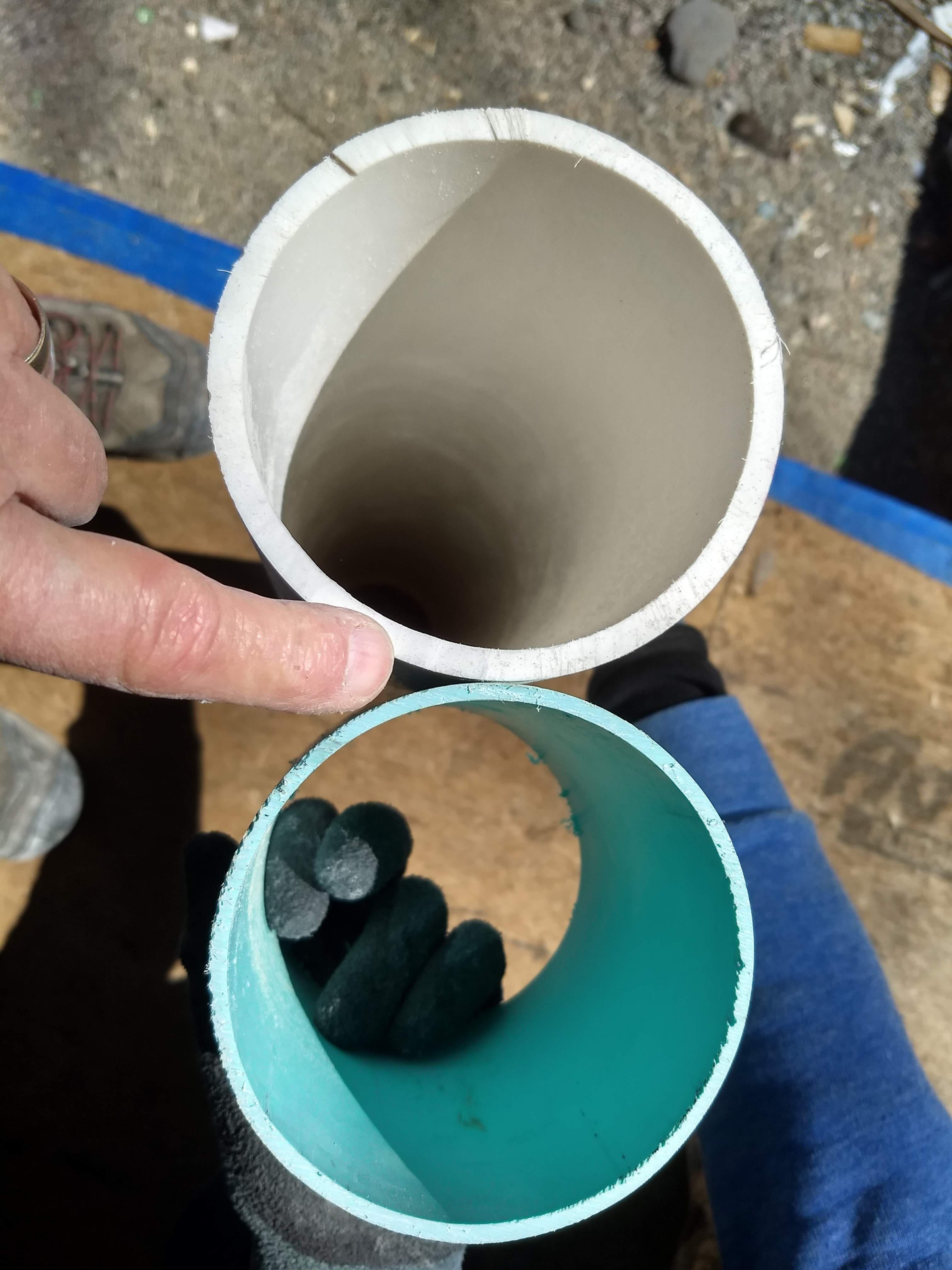
SCH means Schedule, which relates to pipe wall thickness. SCH 40 is a standard pipe thickness used in many industries. SCH 40 pipes have thicker walls than SDR 21 pipes of the same diameter. This thickness gives them higher pressure tolerance.
SCH 40 pipes are strong and durable. They work well in plumbing, gas lines, and construction. These pipes resist damage and last longer under tough conditions. Their strength makes them suitable for high-pressure systems.
Credit: www.spokesman.com
Material Differences
Understanding the material differences between SDR 21 and SCH 40 pipes helps in choosing the right pipe. Material quality affects performance, durability, and application. These differences start with how each pipe is made and what they contain.
Composition And Manufacture
SDR 21 pipes are usually made from high-density polyethylene (HDPE). HDPE is a flexible plastic that resists chemicals and corrosion well. SCH 40 pipes are often made of rigid materials like PVC or steel. The manufacturing process for SDR 21 pipes involves extrusion, shaping the plastic into thin walls. SCH 40 pipes go through molding or casting, creating thicker, stronger walls. These methods influence how each pipe handles pressure and wear.
Durability And Strength
SDR 21 pipes have thinner walls, which makes them lighter and easier to handle. They handle moderate pressure but are less strong than SCH 40 pipes. SCH 40 pipes have thicker walls and higher pressure ratings. This makes them more durable for heavy-duty tasks. SCH 40 pipes resist impact better and last longer under tough conditions. Choosing depends on the strength needed and the environment where the pipe will be used.
Dimensional Comparison
Understanding the dimensional differences between SDR 21 and SCH 40 pipes is important. These measurements affect how pipes fit and perform in projects. The size, thickness, and diameter all play a role.
Wall Thickness
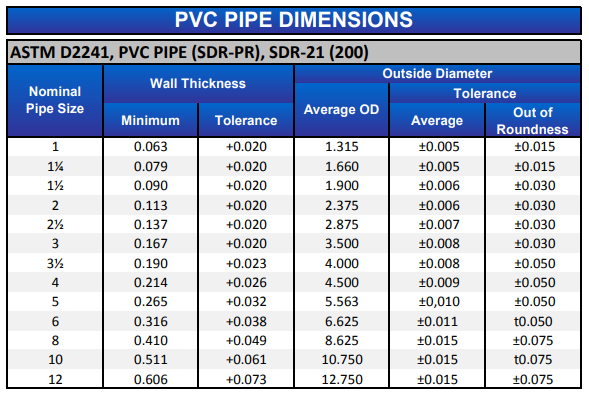
SDR 21 pipes have thinner walls compared to SCH 40 pipes. The “SDR” stands for Standard Dimension Ratio, which is the ratio of pipe diameter to wall thickness. For SDR 21, the ratio means walls are thinner and lighter.
SCH 40 pipes use a schedule system. Schedule 40 has thicker walls than SDR 21 for the same pipe size. Thicker walls make SCH 40 stronger and better for high-pressure use.
Inner And Outer Diameter
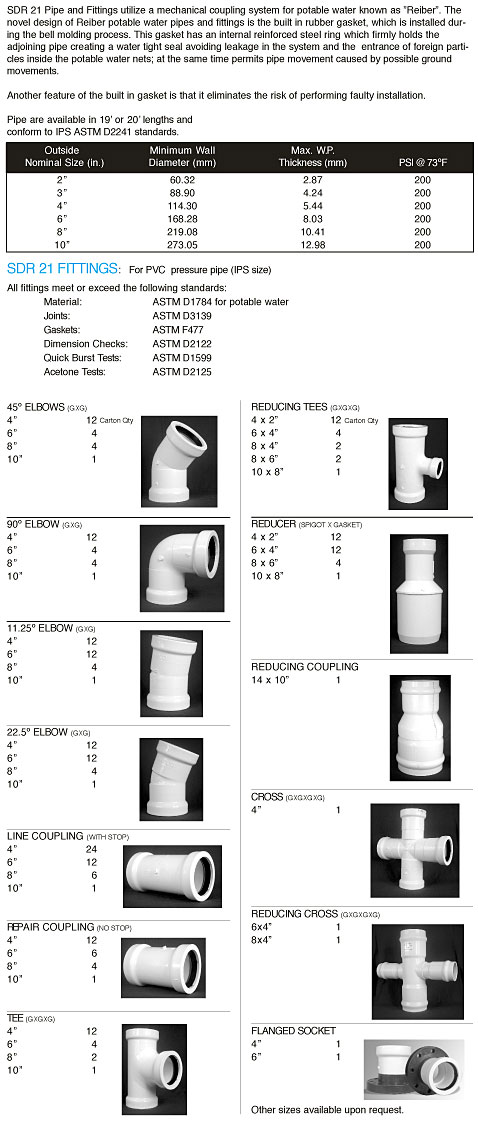
The outer diameter (OD) of SDR 21 and SCH 40 pipes is usually the same for a given size. This allows them to fit the same fittings and connections. But the inner diameter (ID) differs because of wall thickness.
SDR 21 has a larger inner diameter due to thinner walls. This means more space inside the pipe for fluid flow. SCH 40 pipes have smaller inner diameter because of thicker walls, reducing flow slightly.
Credit: www.omniindustriesltd.com
Pressure Ratings
Pressure ratings determine how much pressure a pipe can safely handle. They are key for choosing between SDR 21 and SCH 40 pipes. Understanding pressure ratings helps avoid pipe failure and costly repairs. These ratings depend on factors like pipe material and wall thickness.
Maximum Operating Pressure
Maximum operating pressure is the highest pressure a pipe can handle continuously. SDR 21 pipes usually have lower maximum pressure than SCH 40 pipes. This is because SDR 21 pipes have thinner walls. SCH 40 pipes can hold higher pressure safely. Always check the maximum operating pressure before selecting a pipe.
Impact Of Wall Thickness On Pressure
Wall thickness directly affects a pipe’s pressure rating. Thicker walls mean higher pressure capacity. SCH 40 pipes have thicker walls compared to SDR 21. Thicker walls resist pressure better and reduce risk of bursting. Thinner walls in SDR 21 limit the pressure the pipe can handle. Choosing the right wall thickness ensures pipe safety and durability.
Applications
Choosing the right pipe type depends on the application. Both SDR 21 and SCH 40 pipes serve different purposes. Understanding their applications helps in selecting the right pipe for the job.
Typical Uses For Sdr 21
SDR 21 pipes are common in low-pressure water systems. They are often used for irrigation and drainage. These pipes handle water flow without high pressure.
They work well for underground installations. Their lightweight design makes them easy to install. SDR 21 pipes resist chemicals, which suits agricultural uses.
They also find use in sewer lines and stormwater systems. Their durability supports long-term outdoor exposure.
Typical Uses For Sch 40
SCH 40 pipes are stronger and handle higher pressure. They are popular in industrial and plumbing systems. These pipes carry water, gas, and other fluids safely.
They fit well in building water supply lines. Their thickness allows them to withstand impact and heat. SCH 40 pipes are common in HVAC and fire protection systems.
They also work in compressed air and oil lines. Their toughness makes them suitable for harsh conditions.
Cost Considerations
Cost is a key factor when choosing between SDR 21 and SCH 40 pipes. Understanding the expenses linked to each type helps make the right choice for your project. Costs include the price of materials and the expenses during installation and upkeep.
Material Costs
SDR 21 pipes usually cost less than SCH 40 pipes. The thinner walls of SDR 21 reduce the amount of material used. SCH 40 pipes have thicker walls, which raises the price. For large projects, these cost differences add up quickly. Choosing SDR 21 can save money upfront. But consider the pipe’s strength needs too.
Installation And Maintenance Costs
SDR 21 pipes are lighter, making installation faster and easier. This can lower labor costs. SCH 40 pipes are heavier and may require more effort to install. Maintenance costs can vary too. SDR 21’s thinner walls might wear out faster in harsh conditions. SCH 40 pipes usually last longer and need less repair. Think about long-term costs, not just initial expenses.
Installation Factors
Installation factors play a key role in choosing between SDR 21 and SCH 40 pipes. These factors affect how easily the pipes fit into a system and how long the installation takes. Proper installation ensures the system works well and lasts longer.
Ease Of Handling
SDR 21 pipes are lighter than SCH 40 pipes. This makes them easier to carry and move around on site. Workers can install SDR 21 pipes faster because of their lower weight. SCH 40 pipes are thicker and heavier. Handling these pipes might need more effort and tools. The weight difference can affect labor costs and installation speed.
Compatibility With Fittings
Compatibility with fittings is important for a smooth installation. SCH 40 pipes have more common fittings available. This makes it easier to find matching parts. SDR 21 pipes sometimes need special fittings. These fittings might be harder to find and more expensive. Using the right fittings helps prevent leaks and ensures a tight connection.
Credit: punchlistzero.com
Performance In Different Environments
Choosing between SDR 21 and SCH 40 pipes means understanding how they perform in different settings. Pipes face various challenges like heat and chemicals. Knowing their strengths helps pick the right one for the job.
Temperature Resistance
SDR 21 pipes handle moderate temperatures well. They work best in cooler environments or low-pressure systems. These pipes may soften or deform under high heat.
SCH 40 pipes offer better resistance to heat. They maintain strength in warmer conditions. These pipes suit applications with higher temperatures and pressures.
Chemical Resistance
Both SDR 21 and SCH 40 pipes resist many common chemicals. They do well against acids, bases, and salts. This makes them useful in industrial and plumbing tasks.
SCH 40 pipes usually have thicker walls. This gives them extra protection against chemical wear. They last longer in harsh chemical environments compared to SDR 21.
Choosing Between Sdr 21 And Sch 40
Choosing between SDR 21 and SCH 40 pipes depends on the needs of your project. Both types serve different purposes based on strength, pressure, and thickness. Understanding these differences helps pick the right pipe for safety and cost-effectiveness.
Each pipe type has unique features. Knowing these can prevent costly mistakes and ensure your system performs well.
Key Decision Criteria
SDR 21 pipes have a thinner wall than SCH 40 pipes. This makes SDR 21 lighter and easier to handle. They work well for low-pressure systems and drainage.
SCH 40 pipes have thicker walls. They can handle higher pressure and are better for water supply or gas lines. Choose SCH 40 when strength is a top priority.
Check pressure ratings and pipe dimensions carefully. Also, consider the fluid type and temperature. These factors affect pipe performance and lifespan.
Common Mistakes To Avoid
One mistake is picking SDR 21 for high-pressure tasks. This can cause leaks or pipe failure. Always match pipe type to pressure needs.
Another error is ignoring local building codes. Some projects require specific pipe schedules. Not following rules can lead to fines or unsafe installations.
Don’t assume all pipes of the same size are interchangeable. SDR 21 and SCH 40 differ in thickness and strength. Confirm specifications before buying or installing pipes.
Frequently Asked Questions
What Is The Main Difference Between Sdr 21 And Sch 40 Pipes?
SDR 21 pipes have thinner walls than SCH 40 pipes. This makes SDR 21 lighter but less strong in pressure.
Which Pipe Type Is Better For High-pressure Applications?
SCH 40 pipes handle higher pressure better due to their thicker walls. SDR 21 pipes are less suited for high pressure.
Are Sdr 21 Pipes More Cost-effective Than Sch 40 Pipes?
SDR 21 pipes usually cost less because they use less material. SCH 40 pipes cost more but offer more strength.
Can Sdr 21 Pipes Be Used For Water Supply Systems?
Yes, SDR 21 pipes are common for water supply at lower pressures. They are not ideal for very high-pressure water lines.
How Does The Wall Thickness Affect Pipe Durability?
Thicker walls in SCH 40 pipes mean better resistance to damage. SDR 21 pipes with thinner walls are less durable.
What Does Sdr 21 Mean In Pipe Sizing?
SDR 21 means the pipe’s diameter is 21 times the wall thickness. It’s a way to measure pipe strength and thickness.
Is Sch 40 Pipe Suitable For Both Residential And Industrial Use?
Yes, SCH 40 pipes are widely used in homes and industries. Their strength suits many different pressure and temperature conditions.
Conclusion
Choosing between SDR 21 and SCH 40 depends on your project needs. SDR 21 pipes have thinner walls and lower pressure limits. SCH 40 pipes have thicker walls and handle higher pressure. Both have different uses in plumbing and construction.
Know your pressure needs and budget before deciding. This helps you pick the right pipe for safety and cost. Understanding these differences makes your work easier and more efficient. Keep these points in mind for better results.