
When it comes to choosing the right tank for your water system, you might feel overwhelmed by the options. Should you go with a bladder tank or a pressure tank?
The difference might seem small, but it can have a big impact on how well your system works. Understanding these two types of tanks will help you make the best choice for your home or business. Keep reading, and you’ll discover the key facts that will save you time, money, and headaches down the road.
Credit: www.youtube.com
Bladder Tank Basics
Bladder tanks play an important role in many water systems. They store water and maintain pressure. Understanding how bladder tanks work helps to choose the right tank for your needs.
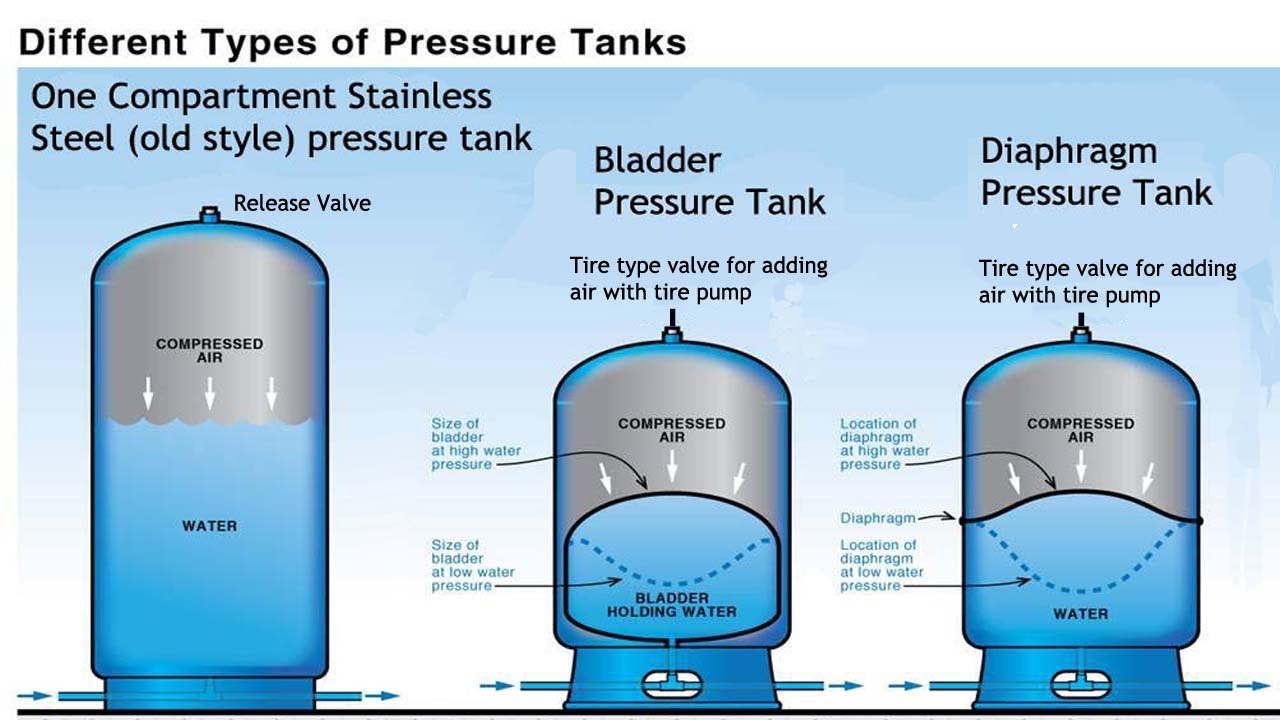
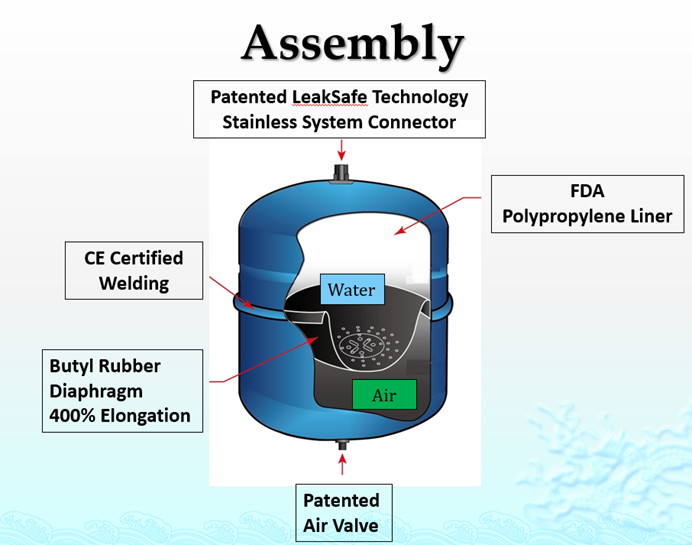
These tanks use a flexible bladder inside a steel or plastic shell. The bladder separates water from air. This design keeps water clean and prevents air from mixing with it.
How Bladder Tanks Work
Inside the tank, a rubber bladder holds the water. Air fills the space outside the bladder. When water enters, it pushes the bladder, compressing the air. The compressed air creates pressure. This pressure pushes water out when needed. The bladder keeps water and air separate all the time.
Common Uses Of Bladder Tanks
Bladder tanks are common in water supply systems. They help maintain steady water pressure. They are also used in irrigation setups and well water systems. These tanks store clean water for homes and buildings. They prevent pump damage by reducing on-off cycles.
Advantages Of Bladder Tanks
Bladder tanks save space because they are compact. They keep water clean by separating it from air. These tanks reduce pump wear and tear. They deliver steady water pressure for smooth flow. Bladder tanks require less maintenance than other tanks. Their flexible bladder adapts to changing water volumes easily.
Credit: www.afvt.org
Pressure Tank Essentials
Pressure tanks play a key role in many water systems. They store water and keep it ready for use. These tanks help maintain steady water pressure. They also reduce the need for the pump to start and stop often. Understanding the basics of pressure tanks helps you choose the right one.
Pressure tanks come in different sizes and types. Knowing how they work and where to use them is important. This section covers the essentials of pressure tanks.
How Pressure Tanks Operate
Pressure tanks hold water and air inside a sealed container. The air creates pressure that pushes water through pipes. When water is used, the pressure drops. The pump then turns on to refill the tank. This cycle keeps water pressure steady in your home or system.
Inside the tank, a bladder or diaphragm separates water and air. This design prevents water from mixing with the air. It also stops the air from dissolving into the water. This separation helps maintain proper pressure and extends tank life.
Typical Applications For Pressure Tanks
Pressure tanks are common in homes with well water systems. They ensure water flows evenly from the pump. These tanks are also used in irrigation systems. They help deliver water smoothly to plants and crops.
Industries use pressure tanks too. They assist in processes needing steady water pressure. Pressure tanks also support water booster systems in large buildings. They keep water pressure strong on higher floors.
Benefits Of Pressure Tanks
Pressure tanks reduce pump wear and tear. They lower energy use by limiting pump starts. This saves money and extends pump life. Tanks provide a steady water flow without sudden pressure changes. This makes showers and faucets more comfortable.
These tanks also protect plumbing from damage caused by water hammer. Water hammer happens when water pressure changes quickly. Pressure tanks absorb these shocks, keeping pipes safe. They are simple devices with many advantages for water systems.
Key Differences
Understanding the key differences between bladder tanks and pressure tanks helps in choosing the right option. Both tanks serve to store water under pressure, but they operate differently. Their design, performance, and maintenance needs vary. These differences affect how well they work in your water system.
Design And Construction
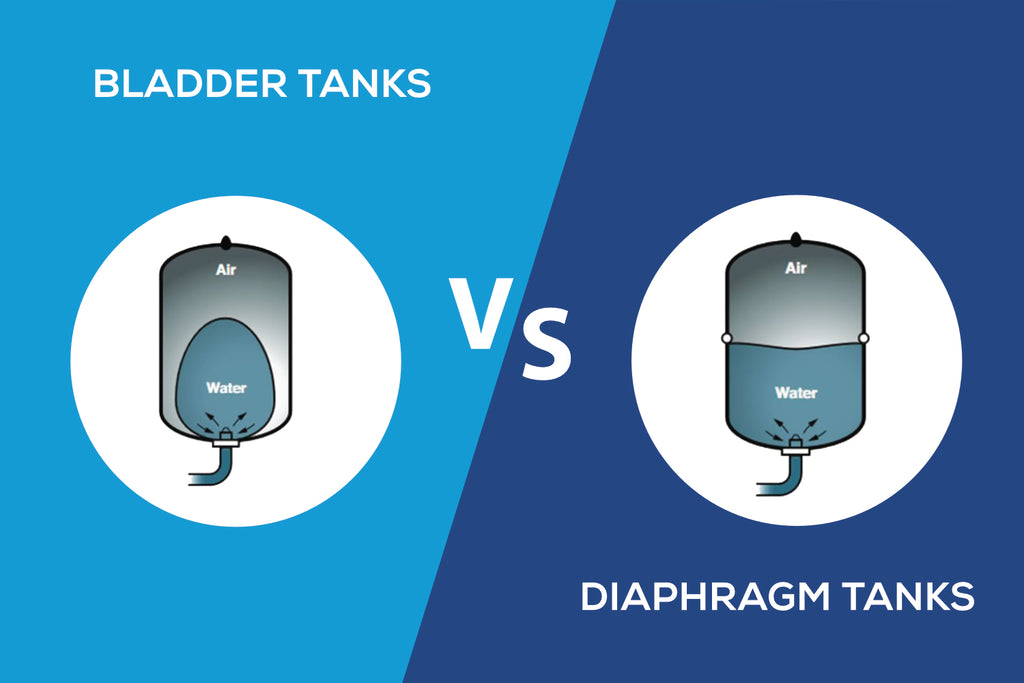
Bladder tanks have a flexible rubber bladder inside. This bladder holds the water and separates it from the air. Pressure tanks use a steel or fiberglass shell with air inside. The air pushes the water out when needed. Bladder tanks prevent water from touching the tank walls. Pressure tanks allow water to touch the tank surface.
Performance And Efficiency
Bladder tanks keep air and water separate. This separation keeps pressure steady and water clean. They refill quickly and maintain consistent pressure. Pressure tanks rely on air pressure alone. Air can dissolve into water over time, reducing efficiency. This causes frequent pump cycles and fluctuating pressure.
Maintenance And Durability
Bladder tanks need less maintenance because the bladder prevents corrosion. If the bladder breaks, the tank must be replaced or repaired. Pressure tanks require regular air pressure checks and water draining. They may rust or corrode inside, shortening their lifespan. Bladder tanks generally last longer with fewer problems.
Choosing The Right Tank
Choosing the right tank matters for your water system’s performance and durability. The choice between a bladder tank and a pressure tank depends on several factors. Understanding these factors helps you select the best option for your needs.
Assessing Water System Needs
Consider your water usage amount and pressure requirements. Bladder tanks suit systems that need consistent pressure. Pressure tanks work well for basic, low-demand systems. Think about peak water flow and daily consumption. Match the tank size to avoid frequent pump cycling.
Space And Installation Considerations
Bladder tanks are compact and fit small spaces easily. Pressure tanks require more room and need stable installation. Check the available area before buying. Installation complexity can affect maintenance and cost. Choose a tank that fits your space and installation skills.
Cost Comparison
Pressure tanks usually cost less upfront than bladder tanks. Bladder tanks may save money over time with less maintenance. Consider repair and replacement expenses for both types. Balance initial cost with long-term reliability. Your budget and system needs guide your choice.
Troubleshooting Common Issues
Troubleshooting common issues with bladder tanks and pressure tanks helps keep your water system working well. Knowing what signs to watch for saves time and money. Simple fixes often solve small problems before they grow.
Signs Of Tank Failure
Leaks around the tank show a problem. Water pressure drops suddenly or feels weak. The pump may turn on and off more than usual. Strange noises like banging or thumping come from the tank. The tank feels very hot or cold to the touch. These signs mean the tank may not work right.
Repair Vs Replacement
Small leaks can sometimes be fixed with patch kits. If the tank’s bladder is torn, repair might not last long. A worn-out tank often causes constant pump cycling. Replacing the tank is safer and saves money over time. Check the tank’s age; older tanks usually need replacement.
Preventive Maintenance Tips
Check tank pressure regularly using a pressure gauge. Drain the tank once a year to remove sediment. Inspect the tank for rust or damage every few months. Keep the area around the tank clean and dry. Follow the manufacturer’s guidelines for maintenance. Regular care extends the tank’s life and stops problems early.
Credit: libertysupply.com
Energy Efficiency And Environmental Impact
Choosing between a bladder tank and a pressure tank affects energy use and the environment. Each type has unique features that impact power consumption and ecological footprint. Understanding these differences helps make smarter, greener choices.
Energy Consumption Differences
Bladder tanks use less energy due to their design. The bladder holds water, reducing pump cycling. This means the pump runs fewer times, saving electricity. Pressure tanks often cause the pump to start and stop more frequently. This cycling wastes power and wears out the pump faster. Bladder tanks maintain steady pressure, improving energy efficiency over time.
Eco-friendly Tank Options
Materials matter for environmental impact. Bladder tanks usually have synthetic bladders and steel shells. Some models use recyclable materials, reducing waste. Pressure tanks are often made of steel and rubber, which may not be eco-friendly. Choosing tanks with durable, recyclable parts helps protect nature. Water-saving features in some tanks also reduce water waste and energy use. Opting for eco-friendly options supports sustainability at home.
Frequently Asked Questions
What Is The Main Difference Between Bladder Tank And Pressure Tank?
A bladder tank has a rubber bladder inside, while a pressure tank uses air pressure. The bladder separates water from air, preventing waterlogging. Pressure tanks mix air and water inside the tank.
How Does A Bladder Tank Improve Water System Performance?
The bladder tank keeps water and air separate, which maintains consistent pressure. This reduces pump cycling and extends pump life. It also prevents air from dissolving in the water.
Why Choose A Pressure Tank Over A Bladder Tank?
Pressure tanks are simpler and often less expensive. They work well in systems where water demand is steady. These tanks require more maintenance to avoid waterlogging.
Can Bladder Tanks Prevent Waterlogging Problems?
Yes, the bladder inside stops waterlogging by separating air and water. It keeps air from dissolving into the water. This helps maintain proper tank pressure.
How Do Pressure Tanks Handle Air And Water Differently?
Pressure tanks hold air and water in the same space. Air compresses to push water out when needed. Over time, air can dissolve into the water.
What Are Common Uses For Bladder Tanks?
Bladder tanks are used in water wells, heating systems, and irrigation. They keep pressure stable and protect pumps. Ideal for systems with variable water demand.
How Do I Maintain Bladder And Pressure Tanks?
Check the bladder tank for leaks or damage regularly. For pressure tanks, monitor air pressure and add air if needed. Both require periodic inspection to work well.
Conclusion
Choosing between a bladder tank and a pressure tank depends on your needs. Bladder tanks keep water separate from air, which helps prevent corrosion. Pressure tanks use air pressure to push water out quickly. Both help maintain steady water pressure in your system.
Think about your water usage, budget, and tank size. Each type has its pros and cons. Understanding these can help you pick the best option for your home or business. Remember, the right tank improves water flow and system life.
Choose wisely for smooth water supply every day.