
When it comes to installing or fixing your toilet, choosing the right wax ring can make all the difference. You might be wondering whether a traditional wax ring or a rubber one is better for your bathroom.
This choice affects not just how well your toilet seals, but also how easy the installation will be and how long it lasts. If you want to avoid leaks, unpleasant odors, and costly repairs, you need to understand the pros and cons of each option.
Keep reading to discover which wax ring suits your needs best and how to make your toilet installation smooth and worry-free.

Credit: www.youtube.com
Types Of Toilet Seals
Toilet seals prevent water leaks between the toilet base and the drain pipe. They create a tight barrier that stops water and sewer gases from escaping. Different toilet seals use different materials to achieve this seal. Understanding the types helps in choosing the right one for your toilet.
Wax Rings Explained
Wax rings are the most common type of toilet seal. They are made of soft wax. This wax molds to the shape of the toilet base and the flange on the floor. Wax rings provide a strong, watertight seal. They also block odors from coming up through the drain. Wax rings are cheap and easy to install. However, they can be messy and may need replacement if the toilet moves.
Rubber Gasket Basics
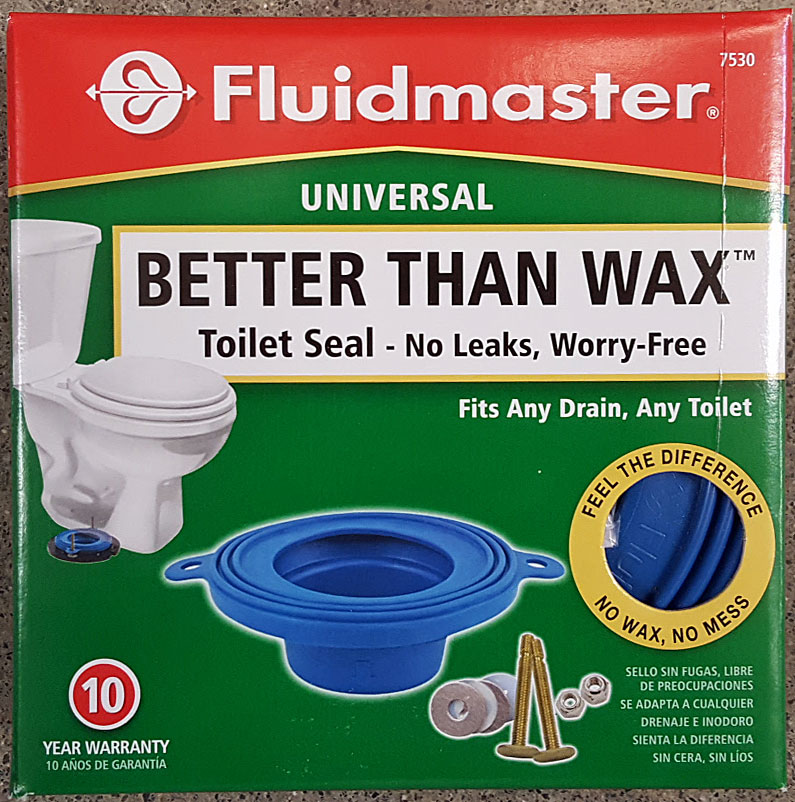
Rubber gaskets are an alternative to wax rings. They are made from flexible rubber or foam. Rubber gaskets fit snugly around the toilet drain and flange. They are less messy than wax rings and can be reused. Rubber gaskets resist water damage better and last longer. They are also easier to handle during installation. Some rubber gaskets come with a plastic flange for extra support.
Installation Process
The installation process varies between wax rings and rubber seals. Each type has unique steps to ensure a proper toilet seal. Understanding these steps helps avoid leaks and damage. Below are simple guides for installing both wax rings and rubber seals.
Installing Wax Rings
Start by turning off the water supply and emptying the toilet tank. Lift the toilet carefully and place it on a soft surface.
Remove the old wax ring from the flange and clean the area well. Make sure the flange is not damaged or loose.
Place the new wax ring on the flange or under the toilet outlet. Align it carefully to avoid shifting during installation.
Lower the toilet straight down onto the flange. Press down evenly to compress the wax ring for a tight seal.
Secure the toilet bolts and tighten them slowly and evenly. Avoid overtightening to prevent cracking the toilet base.
Reconnect the water supply and flush to check for leaks. If the seal holds, the installation is complete.
Installing Rubber Seals
Turn off the water supply and empty the toilet tank. Lift the toilet carefully and place it on a soft surface.
Remove the old seal and clean the flange and toilet outlet thoroughly. Check the flange for damage or looseness.
Fit the rubber seal onto the flange or the toilet outlet. Make sure it sits flat and covers the entire area.
Lower the toilet straight down onto the flange. Press down firmly to create a tight seal with the rubber ring.
Tighten the toilet bolts evenly and carefully. Avoid using excessive force to protect the toilet and seal.
Turn the water supply back on and flush the toilet. Look for any leaks around the base to confirm a good seal.
Durability And Longevity
Durability and longevity are key factors when choosing between a toilet wax ring and a rubber seal. These parts must create a tight seal to prevent leaks over time. Understanding how long each lasts helps make a better choice for your bathroom.
Wax Ring Lifespan
Wax rings usually last around 10 years. They are made of wax, which can soften or crack over time. Changes in temperature or pressure can affect their seal. If the wax ring breaks down, leaks may happen under the toilet. Replacing a wax ring is common during toilet repairs or upgrades.
Rubber Seal Lifespan
Rubber seals last longer than wax rings. They can often keep a tight seal for 15 years or more. Rubber is flexible and resists cracking or drying out. This flexibility helps prevent leaks for a longer time. Rubber seals also handle movement better, making them a good choice for homes with shifting floors.

Credit: www.revelation-plumbing.com
Performance And Reliability
Performance and reliability are key when choosing between a toilet wax ring and a rubber seal. These materials must create a strong, lasting seal. This prevents leaks and keeps your bathroom clean and safe. Both options have strengths and weaknesses in how well they perform and last.
Leak Prevention
Wax rings create a tight seal that stops water from leaking. They mold to the toilet and flange shape perfectly. Over time, wax can dry out or crack. This might cause leaks if not replaced regularly.
Rubber seals are flexible and resist drying out. They maintain a steady seal even with small shifts in the toilet. Rubber is less likely to break down, lowering leak risks over time.
Handling Toilet Movement
Wax rings do not handle toilet movement well. Any rocking can break the wax seal and cause leaks. Proper installation and a stable toilet base are critical.
Rubber seals absorb movement better. They compress and flex with toilet shifts. This makes them more reliable for toilets that may move or settle over time.
Cost Comparison
The cost of a toilet wax ring and a rubber seal can vary. Both have different price points depending on quality and brand. Knowing the cost helps you choose the best option for your budget.
Price Range Of Toilet Wax Rings
Toilet wax rings usually cost between $3 and $10. Basic models are cheaper. Premium rings with extra features cost more. Wax rings are often sold in packs, which may lower the price per ring.
Price Range Of Rubber Seals
Rubber seals typically range from $10 to $20. They cost more due to their durable material. Rubber seals are reusable, which may save money over time. Some brands offer lifetime guarantees, adding value.
Long-term Cost Considerations
Wax rings may need replacement after leaks. Replacing a wax ring means extra cost and effort. Rubber seals last longer and resist damage. This can lower long-term expenses. Consider durability alongside initial price.
Environmental Impact
The environmental impact of toilet wax rings and rubber rings is an important factor to consider. Both materials affect the planet differently. Understanding these effects helps in making a better choice for your home and the Earth.
Environmental Impact Of Toilet Wax Rings
Toilet wax rings are made from petroleum-based wax. This wax is not biodegradable. It stays in landfills for many years after disposal. The production of wax uses fossil fuels and adds to pollution. Wax rings cannot be recycled or reused. This creates more waste in the environment.
Environmental Impact Of Rubber Rings
Rubber toilet rings are often made from synthetic rubber. Some types are made from natural rubber, which comes from trees. Synthetic rubber takes a long time to break down. Natural rubber breaks down faster but still impacts the environment. Rubber rings can sometimes be recycled. This lowers their environmental footprint compared to wax rings.
Comparing Waste And Recyclability
Wax rings create more solid waste because they cannot be recycled. Rubber rings have a better chance of being recycled. Recycling rubber reduces landfill waste and pollution. Choosing recyclable products helps reduce environmental damage. Rubber rings offer a more eco-friendly option in this respect.
Common Problems And Solutions
Toilet wax rings and rubber seals both have common problems. Knowing these issues helps you fix leaks fast. Each type has unique challenges and solutions. Understanding them saves time and money.
Wax Ring Issues
Wax rings can crack or break during installation. This causes leaks under the toilet base. A common problem is improper alignment with the flange. It allows water to seep through gaps. Over time, wax rings may dry out and shrink. This creates small leaks that can damage floors.
Replacing a wax ring is the best solution. Remove the toilet carefully to avoid damage. Clean the flange and surrounding area well. Install a new wax ring aligned correctly. Tighten the toilet bolts evenly to avoid crushing the wax. Check for leaks after installation. Use wax rings with a plastic horn for extra sealing.
Rubber Seal Issues
Rubber seals can wear out or get brittle over time. They lose their flexibility and may crack. This leads to water leaking between the toilet and drain. Dirt and debris can also cause rubber seals to fail. They may not fit well if the toilet or flange is uneven.
To fix these issues, inspect the rubber seal regularly. Replace it if it shows cracks or hard spots. Clean the flange and toilet base before installing a new seal. Use a high-quality rubber seal for better durability. Ensure the toilet sits evenly on the seal. Test for leaks by flushing several times after installation.
Credit: terrylove.com
Choosing The Right Seal
Choosing the right seal for your toilet is important. The seal stops leaks and keeps smells out. Two popular options are wax rings and rubber seals. Each has its strengths. The choice depends on your bathroom’s condition and your toilet type.
Bathroom Conditions
Wax rings work best in dry and stable bathrooms. They create a strong, tight seal. But they can break down if the floor moves or moisture is high. Rubber seals handle moisture better. They stay flexible and resist water damage. If your bathroom is damp or the floor shifts, rubber is safer.
Toilet Type Compatibility
Wax rings fit most standard toilets well. They mold easily to create a good seal. Some toilets have a shallower outlet. Rubber seals work better here. They come in different sizes and shapes. Rubber seals also fit newer models with different base designs. Match the seal to your toilet for the best fit.
Frequently Asked Questions
What Is The Main Difference Between Wax And Rubber Toilet Rings?
Wax rings are made from wax and create a tight seal between the toilet and drain. Rubber rings are flexible and reusable, offering a softer seal.
Which Toilet Wax Ring Lasts Longer, Wax Or Rubber?
Rubber rings generally last longer because they resist drying and cracking. Wax rings can break down over time and need replacement more often.
Can I Reuse A Rubber Toilet Wax Ring?
Yes, rubber rings are designed to be reusable if removed carefully. Wax rings should not be reused once compressed or damaged.
Is It Easier To Install A Rubber Wax Ring Or Wax Ring?
Rubber rings are easier to install because they are flexible and less messy. Wax rings require careful handling to avoid damage during installation.
Which Toilet Wax Ring Is Better For Uneven Floors?
Rubber rings are better for uneven floors as they can compress and fill gaps. Wax rings need a flat surface for a proper seal.
Are Rubber Wax Rings More Expensive Than Wax Rings?
Rubber rings usually cost more upfront but can save money by lasting longer. Wax rings are cheaper but may need frequent replacements.
Do Rubber Wax Rings Provide A Better Seal Against Leaks?
Rubber rings offer a good seal and are less likely to leak over time. Wax rings provide a strong initial seal but can fail if damaged or dried out.
Conclusion
Choosing between a wax ring and a rubber seal depends on your needs. Wax rings offer a strong, traditional seal but can be messy. Rubber seals are cleaner and easier to install but may not last as long. Both types prevent leaks and odors effectively.
Think about your bathroom setup and comfort with installation. Either option helps keep your toilet secure and your bathroom dry. Simple, practical, and reliable. Your choice matters for a smooth bathroom fix.