
Have you ever wished your basement half bath could do more? Adding a shower might be the perfect upgrade to make your space more functional and convenient.
Imagine turning that simple bathroom into a full bath where guests or family members can freshen up without heading upstairs. You’ll discover practical tips and easy steps to help you transform your basement half bath into a smarter, more useful room.
Ready to unlock the full potential of your basement bathroom? Keep reading to find out how.
Planning Your Basement Shower
Planning your basement shower requires careful thought. It involves space, design, and plumbing. Each factor affects comfort and function. Take time to plan well. The right setup improves your home’s value and livability.
Assessing Space And Layout
Measure the available area in your basement half bath. Include width, length, and ceiling height. Check for any obstacles like pipes or vents. Consider door swing and traffic flow. Plan a layout that fits the space and feels open. Use corner showers to save room.
Choosing The Right Shower Type
Pick a shower style that suits your space and needs. Standalone showers are common in basements. Walk-in showers offer easy access. Prefabricated shower units can reduce installation time. Think about glass doors or curtains. Choose materials that resist moisture and mold.
Considering Plumbing And Drainage
Basements need proper plumbing for showers. Locate existing water lines and drains. Adding new pipes might require cutting into walls or floors. Ensure the drain slopes correctly to prevent water buildup. Install a sump pump if needed to avoid flooding. Work with a licensed plumber for safety.

Credit: www.familyhandyman.com
Selecting Materials And Fixtures
Choosing the right materials and fixtures is key for a basement half bath shower. These choices affect durability, comfort, and style. Basement environments are often damp and can have temperature changes. Materials must resist moisture and last long. Fixtures should be easy to use and maintain. This section helps you pick the best options for your space.
Durable Flooring Options
Basement floors need strong, water-resistant materials. Porcelain or ceramic tiles work well. They do not absorb water and clean easily. Vinyl flooring is another choice. It feels warm underfoot and resists moisture. Avoid hardwood or carpet. They can warp or grow mold in damp basements. Choose flooring that stays safe and looks good for years.
Waterproof Wall Treatments
Walls in the shower area must block water. Waterproof paint can protect drywall but is best with tile or panels. Ceramic or glass tiles are popular and easy to clean. Acrylic or fiberglass panels are simple to install and waterproof. Avoid wallpaper or regular paint inside the shower. These materials can peel or trap moisture.
Shower Doors And Curtains
Shower doors keep water contained and add style. Glass doors look modern and let light pass through. Frosted or textured glass adds privacy. Frameless doors offer a sleek look but cost more. Shower curtains are a budget-friendly option. Choose mildew-resistant fabric for better hygiene. Use a curved rod for extra space inside the shower.
Faucets And Showerheads
Faucets and showerheads must be reliable and water-efficient. Chrome or brushed nickel finishes resist rust and match many styles. Fixed showerheads provide steady water flow. Handheld showerheads add flexibility and ease of use. Look for models with water-saving features. They reduce bills and help the environment. Simple controls make the shower easy for all ages.
Installation Steps
Adding a shower to a basement half bath changes the space completely. It makes the bathroom more useful and increases home value. The installation involves clear steps. Follow these steps carefully for the best results.
Preparing The Area
Start by clearing the bathroom space. Remove any existing fixtures that block the shower area. Check the floor and walls for damage. Fix any cracks or leaks before proceeding. Make sure the floor is level for the shower base. Measure the space to fit the shower properly. Proper preparation saves time and avoids problems later.
Installing Plumbing Lines
Next, plan the plumbing layout. Turn off the main water supply. Install new water lines for hot and cold water. Run drain pipes from the shower area to the main drain. Use quality pipes to prevent leaks. Connect pipes securely with proper fittings. Test the plumbing system before closing walls.
Setting Up The Shower Base
Choose a shower base that fits your space. Place the base on the prepared floor. Make sure it sits flat and stable. Secure the base with screws or adhesive as needed. Connect the drain to the plumbing below. Check for leaks by pouring water into the drain. Adjust the base if water does not drain properly.
Finishing Walls And Fixtures
Install waterproof wall panels or tiles around the shower. Seal all corners and edges with waterproof caulk. Attach the shower fixtures, such as faucets and showerheads. Use proper tools to tighten all connections. Test the shower for water flow and leaks. Add any accessories like soap holders or grab bars.
Maximizing Space And Functionality
Adding a shower to a basement half bath can make the space much more useful. Small bathrooms need smart ideas to save room and keep everything working well. Making the best use of space helps the bathroom feel larger and more comfortable. Simple changes can improve how the room looks and works every day.
Focus on smart storage, good lighting, and proper ventilation. These elements help the bathroom stay clean, bright, and fresh. They also make the shower area safer and more pleasant to use.
Storage Solutions
Use vertical storage to save floor space. Shelves above the toilet or sink hold towels and toiletries. Choose narrow cabinets or wall-mounted baskets. Hooks and racks keep robes and washcloths off the floor. Clear containers help find items quickly. Keep clutter low to make the room feel bigger.
Lighting Enhancements
Bright lights make the space feel open and clean. Use LED lights for energy savings and bright white light. Place lights near the mirror for grooming tasks. Consider a waterproof light above the shower. Avoid dark corners with multiple light sources. Natural light, if possible, adds warmth and freshness.
Ventilation Options
Good air flow prevents mold and mildew in the basement bath. Install an exhaust fan to remove moisture fast. Choose a quiet fan for comfort. If possible, add a small window that opens. Keep vents clear of dust and blockages. Proper ventilation keeps the shower area dry and safe.
Cost And Time Estimates
Adding a shower to a basement half bath changes the space a lot. It can make your basement more useful and add value to your home. Knowing the cost and time needed helps plan the project well. This section breaks down what to expect in budget and timeline. It also covers whether to hire pros or do it yourself.
Budget Breakdown
The cost depends on materials, labor, and plumbing work. Basic showers with simple tiles and fixtures start around $1,500. Mid-range options can cost between $3,000 and $5,000. High-end showers with custom finishes may go over $7,000. Plumbing changes add extra cost, especially if pipes must be moved. Don’t forget to include permits and inspections in your budget.
Project Timeline
Adding a shower usually takes 1 to 3 weeks. Small jobs with minor plumbing can finish in 5 to 7 days. Larger projects needing new drains or water lines take 2 or 3 weeks. Drying times for tile and grout add days to the schedule. Delays happen if permits take longer or unexpected issues arise.
Hiring Professionals Vs Diy
Pros save time and ensure code compliance. They handle permits and complex plumbing. Hiring experts costs more but reduces mistakes. DIY saves money but needs skills and tools. Plumbing and waterproofing errors can cause big problems. Choose DIY only if confident and ready for extra work.

Credit: www.youtube.com
Common Challenges And Solutions
Adding a shower to a basement half bath can improve your home’s value and usability. It also creates a more convenient space for guests and family. This project comes with some common challenges. Knowing these issues helps you plan better and avoid costly mistakes.
Below are typical challenges and practical solutions for adding a shower in a basement half bath.
Dealing With Low Ceilings
Basement ceilings often have less height than other rooms. Low ceilings can make shower installation tricky. Choose a shower design with a low-profile showerhead. Consider a corner shower to save space and avoid head bumps. Use clear glass doors to open up the space visually. Proper lighting also makes the area feel larger and less cramped.
Managing Moisture And Mold
Basements are prone to moisture buildup. This can cause mold and damage to walls and floors. Install a good ventilation system to reduce humidity. Use waterproof materials like tile or vinyl for shower walls and floors. Seal all joints and corners well to prevent leaks. Regularly check for any signs of mold and clean promptly.
Addressing Plumbing Limitations
Basement plumbing can be complex and limited. Sometimes the existing pipes don’t support a shower easily. Hire a plumber to assess water supply and drainage options. You may need a pump to help drain water uphill. Plan pipe routes carefully to avoid costly changes to your home’s structure. Upgrading pipes might be necessary for proper water pressure and flow.
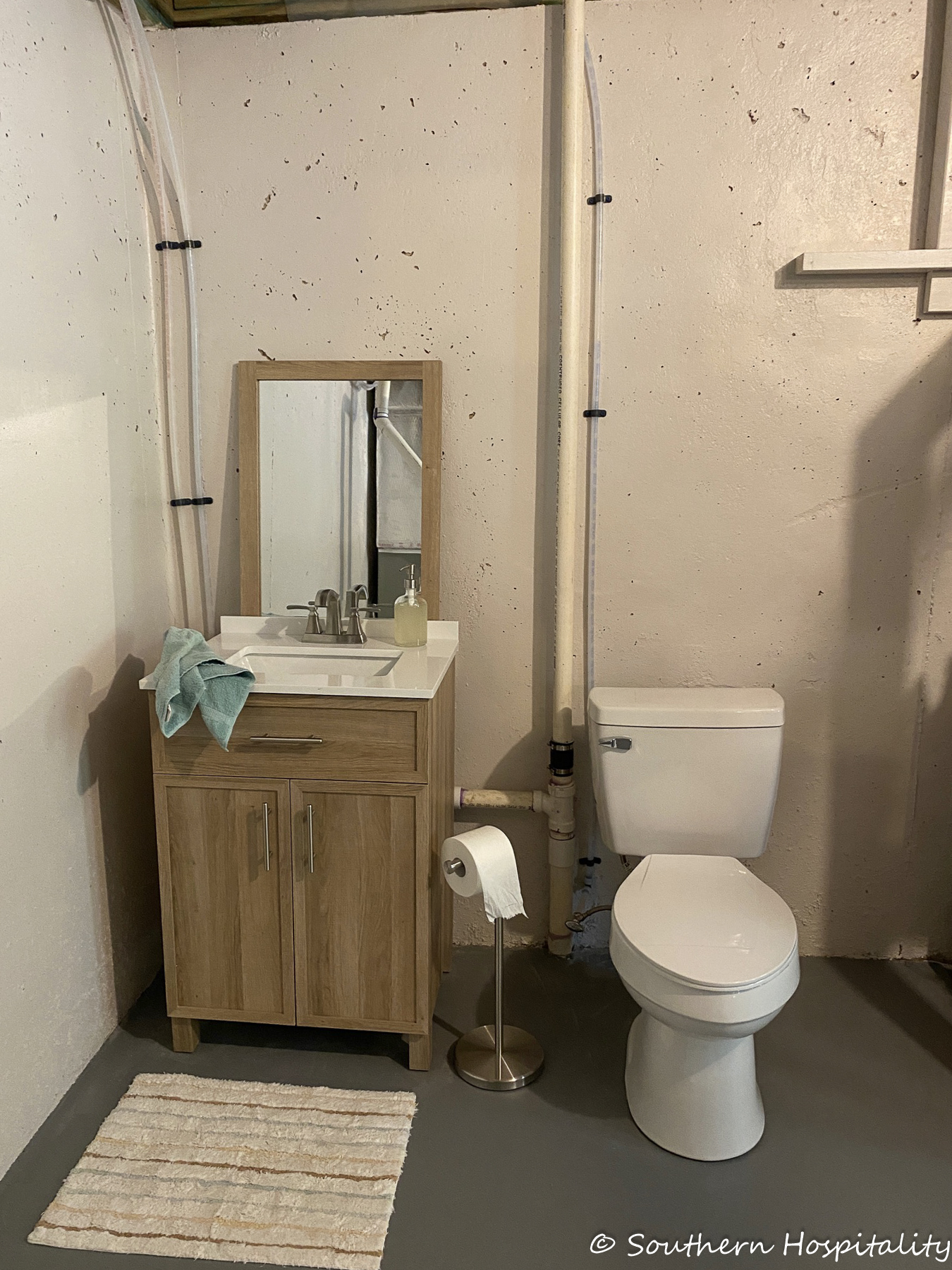
Credit: southernhospitalityblog.com
Frequently Asked Questions
Can I Add A Shower To A Basement Half Bath?
Yes, you can add a shower by installing proper plumbing and drainage. It requires space, water supply, and venting adjustments.
How Much Does It Cost To Add A Shower Downstairs?
Costs vary but expect $1,000 to $5,000 depending on materials and labor. Plumbing changes often raise the price.
What Plumbing Changes Are Needed For A Basement Shower?
You need to add water lines and a drain connected to the main sewer. A sump pump may be required if drainage is low.
Is A Basement Floor Drain Necessary For A Shower?
A floor drain is highly recommended to prevent water damage. It helps catch overflow or leaks efficiently.
Can I Install A Shower Without Breaking Concrete Floor?
Yes, using a shower pan and raised base can avoid breaking concrete. This method keeps installation simpler but may reduce ceiling height.
What Permits Are Required To Add A Basement Shower?
Most areas require plumbing and building permits for basement showers. Check with your local building department for rules.
How To Prevent Moisture Problems In Basement Showers?
Proper ventilation and waterproof materials reduce moisture issues. Use exhaust fans and seal walls well to avoid mold.
Conclusion
Adding a shower to your basement half bath can boost your home’s value. It creates extra convenience for family and guests alike. Planning the space well saves time and money later. Choose materials that resist moisture to avoid damage. Proper plumbing and ventilation keep the shower working well.
This upgrade makes the basement more useful and comfortable. Small changes can make a big difference in your home. Consider this project to improve your living space today.