
Are you wondering if your washer and shower can share the same drain? It’s a common question that can save you time, money, and space if done right.
But mixing these two drains isn’t always simple, and getting it wrong can lead to serious problems like clogs or unpleasant odors. You’ll discover what you need to know before connecting your washer and shower drains, how to do it safely, and when it’s better to keep them separate.
Keep reading to avoid costly mistakes and make the best choice for your home.
Credit: terrylove.com
Drainage Basics For Washers And Showers
Understanding how drainage works for washers and showers helps decide if they can share a drain. Both appliances release water, but their needs differ. Knowing their drainage basics prevents plumbing issues and keeps water flowing smoothly.
How Washer Drains Work
Washers pump out large amounts of water quickly. They need a drain that handles heavy flow. The drain pipe must be wide enough to avoid backups. Washers also release lint and debris that can clog pipes. A trap prevents sewer gases from entering the home. Proper venting stops air pressure problems in the drain system.
Shower Drain Functions
Showers drain water at a steady, slower rate. The drain collects water from the shower base or tub. It has a strainer to catch hair and soap scum. A trap holds water to block sewer smells. Shower drains rely on vent pipes to keep water flowing smoothly. The pipe size is smaller than washer drains but must still allow fast drainage.
Common Drainage Systems
Most homes use a gravity drainage system. Water flows downhill through pipes to the main sewer line. Vent pipes connect to drains to balance air pressure. Some systems use a single pipe for multiple fixtures. Others have separate pipes for each appliance. Proper design prevents water backup and pipe damage.
Plumbing Codes And Regulations
Plumbing codes and regulations set the rules for safe and proper drainage. These rules protect homes from leaks, clogs, and sewer gas. Knowing these codes helps avoid costly repairs and health issues. Codes vary by location and type of plumbing system. Understanding them is key when connecting a washer and shower drain.
Local Code Requirements
Local codes define how drains must be connected. Some areas allow a washer and shower to share a drain. Others require separate drains for each fixture. These rules depend on pipe size, distance, and flow rates. Checking with local authorities before starting work is essential. Ignoring codes can cause fines and failed inspections.
Ventilation And Trap Standards
Proper venting prevents sewer gases from entering the home. Each drain must have a trap to block bad smells. Codes specify trap types and placement for washers and showers. Shared drains may need special vents to work correctly. Following these standards keeps drains flowing and homes safe.
Permits And Inspections
Most plumbing work needs a permit from local agencies. Permits ensure the job meets safety and code standards. After installation, an inspection checks the drain system’s function. Passing inspections confirms the work is done right. Skipping permits or inspections can cause trouble later.
Pros And Cons Of Shared Drains
Sharing a drain between a washer and shower has both benefits and drawbacks. It can save space and money but might cause problems too. Understanding these pros and cons helps in making a good choice for your home.
Space And Cost Savings
Using one drain for both washer and shower saves plumbing space. Fewer pipes mean less material and labor costs. It works well in small homes or apartments. This setup reduces the need for extra drain lines. It can lower your overall installation expenses.
Potential Clogging Issues
Shared drains often face clogging problems. Lint from the washer and hair from the shower can block pipes. These blockages cause slow drainage or backups. Clearing clogs may require more frequent maintenance. Over time, clogs can damage plumbing and increase repair costs.
Impact On Water Flow
Water flow can be slower with a shared drain. Both washer and shower water drain through the same pipe. Heavy water use may cause backups or overflow. It can affect washing machine performance or shower drainage. Proper pipe size and slope help reduce flow issues.

Credit: diy.stackexchange.com
Installation Considerations
Installing a washer and shower on the same drain needs careful planning. Proper setup avoids clogs, leaks, and water damage. Several key factors affect the drain’s performance and safety. Focus on pipe size, slope, backflow prevention, and ease of maintenance.
Pipe Size And Slope
The drain pipe must be wide enough to handle water from both appliances. A 2-inch pipe is usually the minimum size for combined drains. The slope of the pipe ensures water flows quickly and prevents blockages. A slope of 1/4 inch per foot is ideal for smooth drainage. Pipes with poor slope cause water to sit and create problems.
Backflow Prevention
Backflow happens when wastewater flows back into the clean water supply. It can cause health risks and damage. A proper backflow prevention device is necessary to keep water moving in the right direction. Check local building codes for required backflow devices. These devices protect your home’s water system from contamination.
Accessibility For Maintenance
Drains need easy access for cleaning and repairs. Install cleanouts at key points to clear clogs quickly. Avoid hiding pipes behind walls without access panels. Regular maintenance keeps the drain system working well. Planning access points saves time and money on future repairs.
Common Problems And Solutions
Sharing a drain between a washer and shower may cause some common problems. Knowing these problems helps in finding the right solutions. This prevents damage and keeps your plumbing working well. The main issues include blockages, odors, and water backup. Each problem needs a specific fix to avoid bigger troubles.
Drain Blockages
Drain blockages happen when lint, soap, and hair build up. These materials slow down water flow and cause clogs. Clean the drain regularly to stop blockages. Use a drain cover to catch hair and lint. Avoid pouring grease or thick liquids down the drain. If blocked, use a plunger or a drain snake to clear it.
Odor Control
Odors can come from shared drains due to trapped debris and bacteria. Pouring hot water down the drain helps remove smells. Baking soda and vinegar can also clean the pipes and reduce odors. Keep drains covered to stop sewer gases from entering your home. Regular cleaning keeps the smell fresh and the air clean.
Water Backup Prevention
Water backup happens when drains cannot handle the water flow. This causes water to rise and spill out. Make sure the drain pipe is wide enough for both washer and shower water. Check that the vent pipes are clear to allow air flow. If water backs up often, call a plumber to inspect the system.
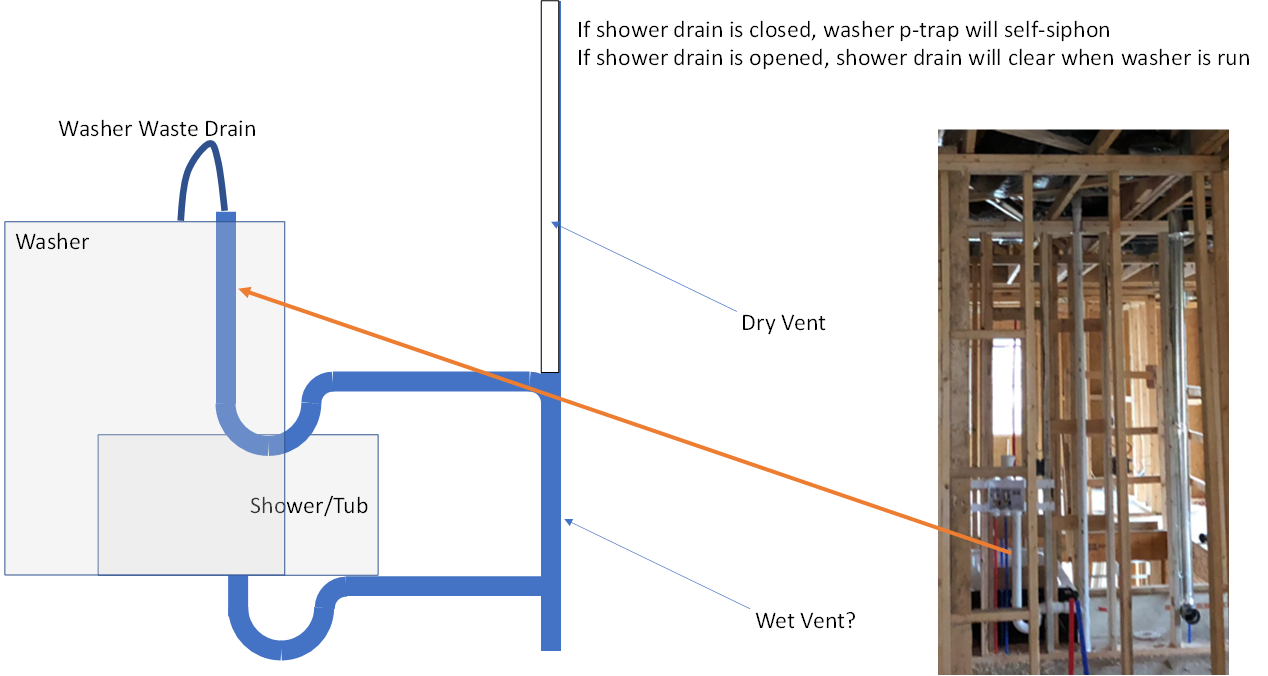
Credit: www.plbg.com
Expert Tips For Optimal Drain Setup
Setting up a shared drain for a washer and shower requires care. Proper installation prevents clogs and water damage. These expert tips help you create a safe and efficient drain system. Follow these simple steps to avoid common problems and keep your plumbing running smoothly.
Choosing The Right Materials
Select durable pipes that handle water flow well. Use PVC or ABS pipes for both washer and shower drains. Avoid mixing pipe types to prevent leaks. Choose fittings designed for high water pressure. Ensure all connections are tight and secure. Proper materials reduce risks of cracks and blockages.
Regular Maintenance Practices
Clean the drains often to avoid buildup. Use a drain strainer to catch hair and lint. Flush the pipes with hot water monthly. Avoid pouring grease or heavy soap down the drain. Watch for slow drainage or bad smells as warning signs. Early care keeps drains clear and functioning well.
When To Call A Professional
Contact a plumber if you notice persistent clogs. Unusual noises or water backing up means trouble. Professionals inspect hidden pipe sections for damage. They fix complex issues safely and quickly. Calling experts saves money and prevents bigger problems later.
Frequently Asked Questions
Can A Washer And Shower Share The Same Drain Pipe?
Yes, a washer and shower can share the same drain if the pipe is large enough. Proper venting and slope are important to avoid drainage problems.
What Size Drain Pipe Is Needed For Washer And Shower?
A 2-inch drain pipe usually works for both washer and shower drains. This size helps prevent slow drainage and backups.
Will Sharing A Drain Cause Water To Back Up?
Water backup can happen if the drain is clogged or too small. Regular cleaning and correct pipe size reduce this risk.
Do Washer And Shower Drains Need Separate Vents?
Both drains can share a vent if installed correctly. Proper venting helps air flow and prevents suction that blocks drainage.
Can Sharing Drains Violate Building Codes?
Local building codes may have rules about shared drains. Check with your local authority before combining washer and shower drains.
How To Prevent Odors From Shared Drains?
Use P-traps on both washer and shower drains to block sewer gases. Regular cleaning helps keep drains odor-free.
Is Professional Installation Needed For Shared Washer And Shower Drains?
Professional help is recommended to ensure proper pipe size, venting, and slope. This avoids drainage and code problems.
Conclusion
Sharing a drain between a washer and shower can work but needs care. Both need proper venting and pipe size to avoid clogs and backups. Check local codes before combining drains. A plumber’s advice helps ensure safety and function. Good planning keeps your plumbing running smooth and stops water problems.
Simple steps make sharing a drain practical and safe. Keep pipes clean and watch for slow drainage signs. This way, your home stays dry and comfortable.