
Are you planning to install a shower on a concrete floor and wondering if you really need a shower pan? It’s a question that can save you a lot of trouble down the road.
A shower pan might seem like an extra step, but it plays a crucial role in protecting your floor and keeping your bathroom dry. If you skip this part, you could face leaks, water damage, and costly repairs. You’ll discover why a shower pan is often a must-have, how it works, and what options are best for your concrete floor.
Keep reading to make sure your shower is safe, sturdy, and built to last.

Credit: www.youtube.com
Purpose Of A Shower Pan
A shower pan is a key part of a shower installation. It sits under the shower floor and helps protect the area below. The main goal is to keep water from leaking into the floor and walls. This keeps the bathroom dry and safe.
Without a shower pan, water could cause damage to your home. It also helps guide water to the drain. This keeps the shower clean and dry after use.
Waterproofing Benefits
The shower pan acts as a waterproof barrier. It stops water from reaching the concrete floor below. This prevents water from seeping into the structure. It also stops mold and mildew from growing. A good waterproof layer keeps your shower area healthy and safe.
Preventing Structural Damage
Water can weaken the concrete and wood under the shower. Over time, this can cause cracks and rot. A shower pan protects these materials from water damage. It helps keep your bathroom strong and stable. This saves you money on repairs later.
Improving Drainage
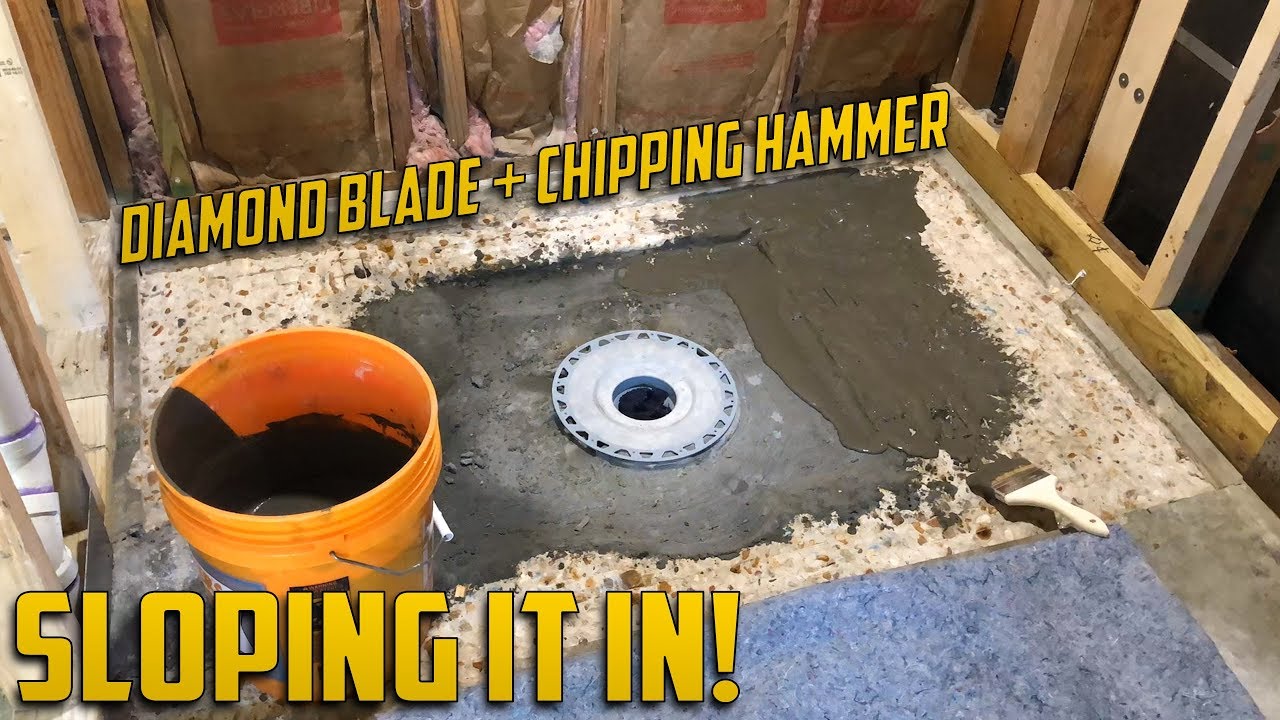
The shower pan helps water flow smoothly to the drain. It is sloped to guide water away from the floor. This stops water from pooling and causing slips. Good drainage keeps the shower clean and dry. It also stops water damage to your bathroom floor.
Credit: www.youtube.com
Concrete Floors And Water Exposure
Concrete floors are common in many homes and buildings. They are strong and last long. But water exposure can cause problems. Water can soak into the concrete and cause damage over time. Knowing how concrete reacts to water helps decide if you need a shower pan on a concrete floor.
Porosity Of Concrete
Concrete is porous. This means it has tiny holes and spaces. Water can enter these pores easily. The more porous the concrete, the more water it absorbs. This can lead to moisture buildup below the surface. Over time, this moisture can weaken the concrete’s strength.
Risks Of Water Penetration
Water that seeps into concrete can cause many issues. It can lead to mold growth under the floor. Moisture can damage the structure beneath the concrete. Water may also cause cracks and erosion. These risks make water protection essential for concrete floors.
Common Issues Without Protection
Without a shower pan, water can pool on the floor. This causes dampness and water stains. The floor may become slippery and unsafe. Over time, water damage can lead to costly repairs. Proper protection helps avoid these common problems.
Types Of Shower Pans
Choosing the right shower pan is key for a solid, leak-free shower. Concrete floors need special care. The type of shower pan affects durability and water drainage. There are three main types of shower pans for concrete floors. Each has unique benefits and installation methods. Understanding them helps in making the best choice for your bathroom.
Preformed Shower Pans
Preformed shower pans are ready-made from materials like acrylic or fiberglass. They come in standard sizes and shapes. These pans are easy to install on concrete floors. They provide a smooth, waterproof surface that directs water to the drain. Preformed pans are affordable and quick to fit. They work well in most bathroom remodels.
Custom Mortar Shower Pans
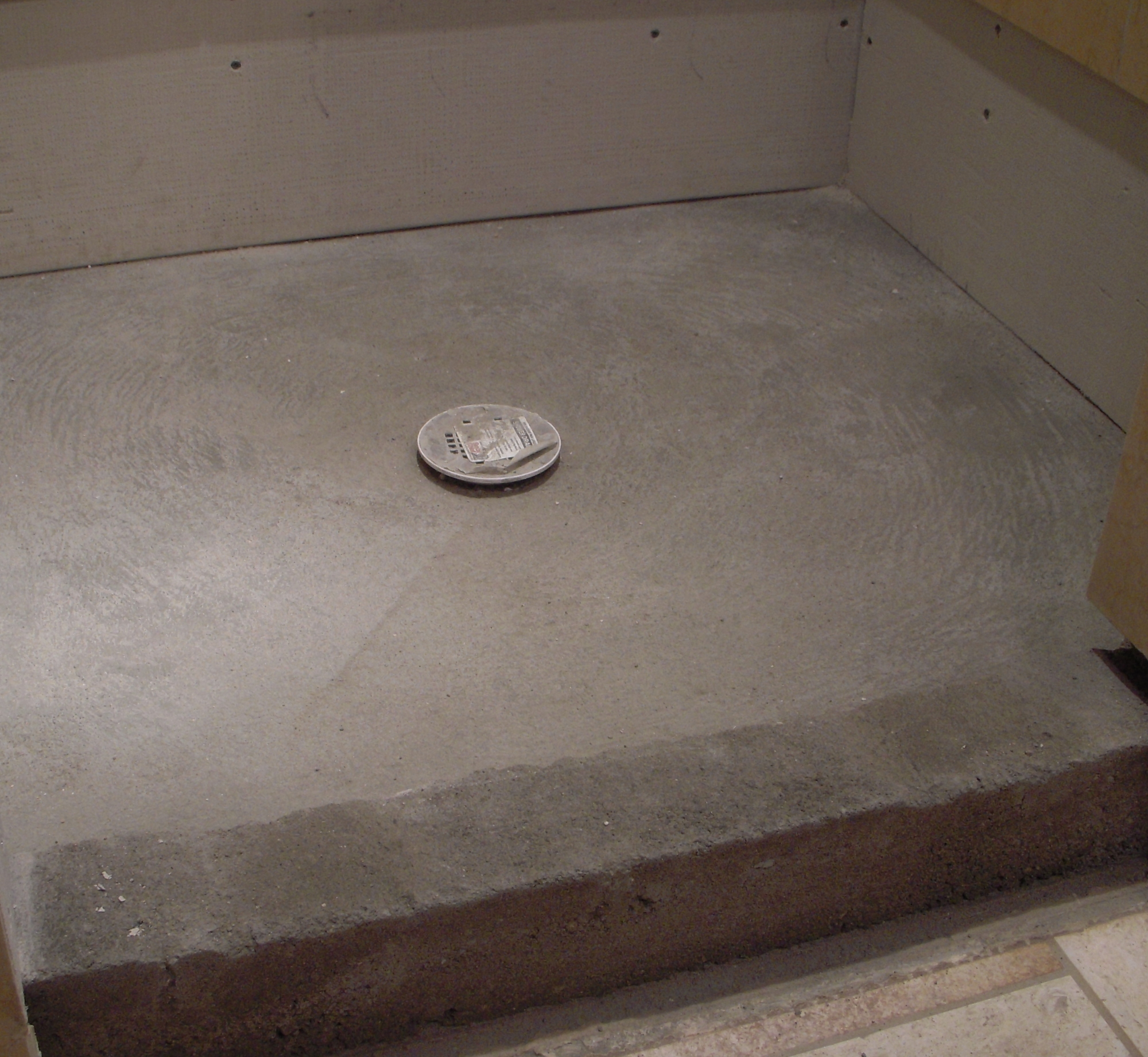
Custom mortar shower pans are built on-site using a mix of sand and cement. They offer a tailored fit to any shower space. Mortar pans create a strong, stable base on concrete floors. They allow for precise slope to the drain, preventing water buildup. These pans need waterproof membranes for protection. They suit unique or irregular shower designs.
Tile-ready Shower Pans
Tile-ready shower pans come with a waterproof base designed for tiling. They combine the benefits of custom mortar and preformed pans. The base ensures water stays away from the concrete floor. Tile-ready pans make tiling easier and safer. They provide a flat, stable surface for tile installation. Perfect for those who want a tiled shower floor.
Installation Considerations
Installing a shower pan on a concrete floor needs careful planning. The right steps help avoid leaks and damage. Proper installation keeps your bathroom safe and dry for years.
Surface Preparation On Concrete
Start with a clean, dry concrete surface. Remove dust, dirt, and loose particles. Fill any cracks or holes with a suitable patching compound. Smooth out the surface for better adhesion. A flat surface helps the shower pan fit correctly.
Waterproof Membranes
Apply a waterproof membrane over the concrete floor. This layer stops water from seeping into the concrete. Choose membranes designed for wet areas. Follow manufacturer instructions for proper installation. Sealing edges and corners is crucial to prevent leaks.
Slope And Drain Placement
Ensure the floor slopes slightly towards the drain. A slope of about 1/4 inch per foot works best. This guides water to drain efficiently. Place the drain correctly before installing the shower pan. Proper slope and drain placement prevent standing water and mold.
Alternatives To Shower Pans
Shower pans are common in many bathrooms, but they are not the only option for concrete floors. There are several alternatives that provide strong protection and a clean look. These methods help avoid water damage without needing a traditional shower pan.
Some alternatives focus on direct waterproofing, while others use different base materials. Tiles with proper waterproofing also create a safe and attractive shower floor. Each option has benefits depending on your bathroom design and budget.
Direct Waterproofing Methods
Direct waterproofing seals the concrete floor to stop water leaks. Special waterproof membranes or coatings apply directly on the concrete. These layers protect the floor and walls from moisture damage.
This method allows a smooth, flat surface. It is ideal for custom shower shapes or sizes. Installation requires careful sealing, especially at joints and corners. Proper drainage is important to prevent water pooling.
Shower Base Options
Shower bases can replace traditional pans on concrete floors. These bases come in materials like acrylic, fiberglass, or stone resin. They are lightweight and easy to install.
Shower bases offer a solid, waterproof floor with built-in slopes for drainage. They fit standard shower sizes and provide a quick solution. Some bases also mimic tile or stone for a stylish appearance.
Using Tiles With Waterproofing
Tiles are a popular choice for showers on concrete floors. The key is to install a waterproof barrier under the tiles. This barrier stops water from reaching the concrete below.
Use waterproof membranes or liquid waterproofing products. Then lay tiles with waterproof grout for extra protection. Tiles allow many design options and can match bathroom décor well.
Proper installation is essential to avoid leaks and keep the shower floor safe over time.
Building Codes And Regulations
Building codes and regulations set the rules for safe and proper shower installation. They ensure your shower works well and prevents water damage. Understanding these rules helps you avoid costly mistakes and repairs.
Local Requirements
Each area has specific rules about shower pans on concrete floors. These rules depend on climate, building materials, and plumbing systems. Local codes decide if a shower pan is necessary and what type you must use. Always check local building codes before starting your project.
Inspection Standards
Inspectors follow strict standards during construction or remodeling. They check if the shower pan is installed correctly and sealed properly. The pan must prevent leaks and protect the concrete floor. Failing inspection means costly fixes and project delays.
Compliance Tips
Read local codes carefully before buying materials. Use only approved shower pans and waterproofing products. Hire qualified professionals who know local regulations well. Keep all permits and inspection reports for future reference. Proper compliance saves time, money, and stress.
Maintenance And Longevity
Maintaining a shower pan on a concrete floor is key to its long life. Proper care stops small problems from turning big. Regular checks help keep the shower safe and dry. Knowing what to watch for and how to fix issues saves time and money.
Simple steps can extend the shower pan’s life. Cleaning and fixing damage early prevents leaks and mold. This keeps your bathroom fresh and strong for years.
Signs Of Damage
Look for cracks or chips in the shower pan surface. Water pooling or slow drainage can mean a problem. Mold or mildew spots show moisture is trapped. Soft or sagging areas in the floor may signal damage. Early signs help catch problems before they worsen.
Repair Techniques
Small cracks can be sealed with waterproof sealant. Replace damaged tiles or surfaces to stop leaks. For bigger issues, reapply or install a new waterproof liner. Use materials made for wet areas to avoid future damage. Always let repairs dry fully before use.
Extending Shower Lifespan
Keep the shower clean and dry after each use. Avoid harsh chemicals that can wear down the pan. Check seals and grout regularly and fix any gaps. Proper ventilation reduces moisture buildup. Routine care adds years to the shower’s life.
Credit: creativetileworks.com
Frequently Asked Questions
What Is A Shower Pan And Why Is It Important?
A shower pan is a waterproof base that catches water in a shower. It prevents water from leaking into the floor and causing damage. Without it, water can seep into concrete and cause mold or cracks.
Can You Install A Shower Pan Directly On A Concrete Floor?
Yes, a shower pan can be installed directly on concrete. The concrete must be clean, level, and free of cracks for best results. Proper sealing is essential to stop water from leaking.
Does A Concrete Floor Need Extra Waterproofing Under A Shower Pan?
Yes, extra waterproofing helps protect the concrete and surrounding areas. A waterproof membrane or liner is often used under the shower pan. This stops water from seeping through and causing damage.
How Do I Know If My Concrete Floor Needs A Shower Pan?
If your shower area has no waterproof barrier, it needs a shower pan. Cracks, damp spots, or mold are signs water is leaking. A shower pan helps keep water contained and floors dry.
What Materials Are Best For Shower Pans On Concrete Floors?
Common materials include PVC, fiberglass, and pre-sloped mortar bases. PVC and fiberglass pans are waterproof and easy to install. Mortar bases provide a custom slope for water drainage.
Can A Shower Pan Prevent Mold And Mildew On Concrete Floors?
Yes, a proper shower pan stops water from reaching the concrete. This prevents mold and mildew growth under the shower area. It keeps your bathroom cleaner and safer.
How Often Should A Shower Pan On Concrete Be Replaced?
A shower pan typically lasts 20 to 30 years with good care. Signs to replace include cracks, leaks, or water damage around the shower. Regular inspections help catch problems early.
Conclusion
A shower pan protects your floor from water damage. Concrete alone may not stop leaks. A pan helps keep moisture away from your home’s structure. It also makes cleaning easier and prevents mold growth. Installing a shower pan adds safety and durability.
Choose the right pan to fit your bathroom’s needs. Remember, a small step now can save big repairs later. Protect your investment with a simple shower pan. It is a smart choice for any concrete floor shower.