
Is your Jandy pool heater not working like it should? You rely on your pool heater to keep your water warm and comfortable, but when it stops heating, it can be frustrating and confusing.
Don’t worry—this guide will help you quickly find and fix common problems with your Jandy pool heater. By the end, you’ll know exactly what to check and how to get your heater back in action. Keep reading to save time, avoid costly repairs, and enjoy your pool all year round.
Common Jandy Pool Heater Issues
Jandy pool heaters are popular for keeping pool water warm and comfortable. Despite their quality, some common issues can affect their performance. Understanding these problems helps in quick fixes and better pool heating.
Below are frequent issues users face with Jandy pool heaters and simple ways to identify them.
Heater Not Turning On
The heater may fail to start due to power supply problems. Check if the unit is plugged in and the circuit breaker is on. A faulty thermostat or control board can also stop the heater from turning on. Inspect these parts for damage or error signals.
Inconsistent Water Temperature
Uneven water temperature often points to circulation problems. The pump might not be moving water properly through the heater. Dirty filters or blocked pipes reduce flow and cause temperature changes. Make sure water flows freely and filters are clean.
Pilot Light Problems
The pilot light may not ignite or stay lit. This issue can be caused by a dirty pilot or gas supply problems. Check for dirt or debris near the pilot light. Ensure the gas valve is open and gas flows smoothly. A faulty thermocouple can also stop the pilot from lighting.
Error Codes And Their Meanings
Jandy heaters show error codes to signal specific problems. Each code corresponds to a fault like ignition failure, high limit switch trips, or sensor errors. Refer to the heater manual to decode these signals. Understanding error codes speeds up diagnosis and repairs.
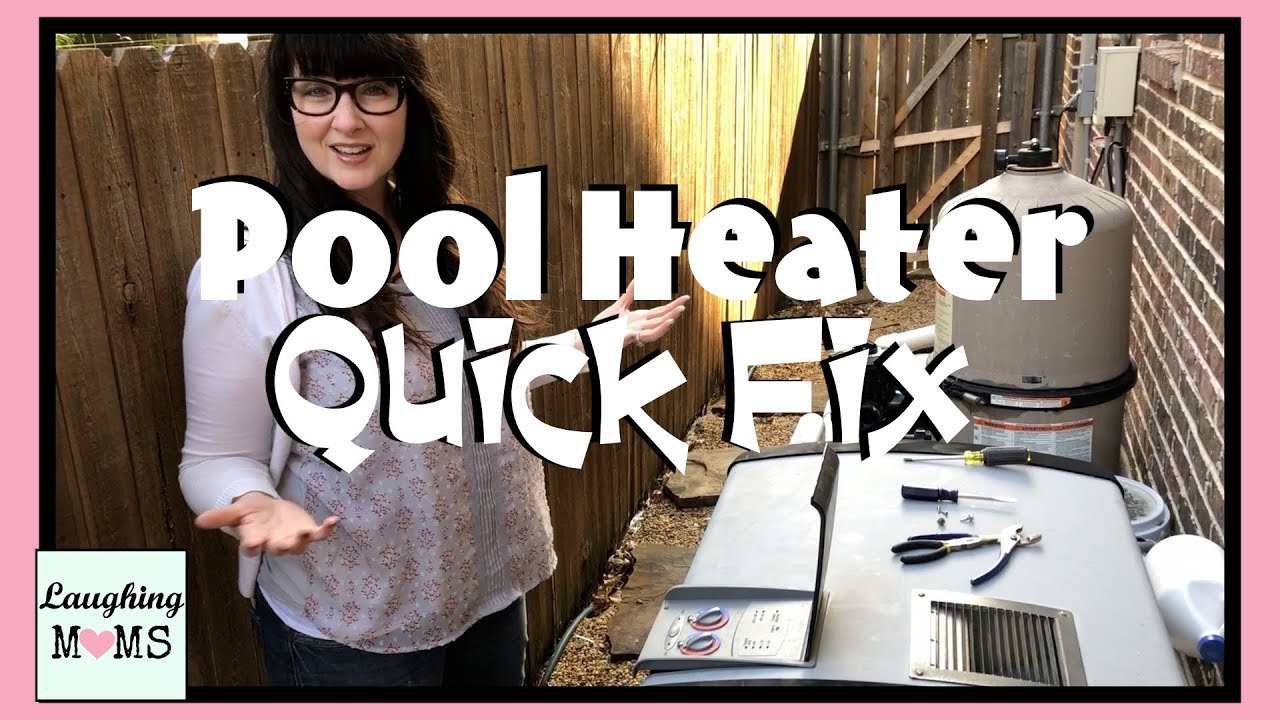
Credit: www.youtube.com
Basic Troubleshooting Steps
Basic troubleshooting steps help solve common issues with your Jandy pool heater. These steps focus on simple checks you can do yourself. They often fix the problem without needing a technician.
Start with easy tasks like checking power and gas supply. Then try resetting the heater and verifying thermostat settings. These actions cover most basic problems.
Checking Power Supply
Make sure the heater is plugged in and the power switch is on. Check the circuit breaker for any trips or blown fuses. Power issues often cause the heater not to start. Fixing the power supply can restore function quickly.
Inspecting Gas Supply
Confirm the gas valve is open and gas is flowing. A closed valve or empty tank stops the heater from lighting. Look for any gas leaks or damaged connections. Proper gas supply is essential for heater operation.
Resetting The Heater
Turn off the heater and wait a few minutes. Press the reset button to restart the system. Resetting clears minor errors and resets safety switches. It is a simple way to get the heater working again.
Verifying Thermostat Settings
Check the thermostat temperature and mode settings. Ensure the temperature is set higher than the pool water. Set the thermostat to “heat” or the correct mode. Wrong settings can stop the heater from turning on.
Quick Fixes For Frequent Problems
Jandy pool heaters are reliable but may face common problems. Quick fixes save time and money. Simple steps can restore your heater’s function fast. Check these easy solutions before calling a technician.
Cleaning Or Replacing Filters
Dirty filters reduce water flow and heat efficiency. Remove the filter from the heater. Rinse it with a hose to clear debris. Replace the filter if it looks damaged or worn out. Clean filters help your heater run smoothly.
Clearing Blocked Vents
Blocked vents cause poor airflow and overheating. Inspect the vents for leaves, dirt, or nests. Use a brush or vacuum to clear the blockage. Keep the area around the vents clean. Proper airflow keeps your heater safe and effective.
Fixing Pilot Light Issues
A pilot light that won’t stay lit stops the heater. Check for dirt or spider webs around the pilot area. Clean gently with a soft brush. Ensure the gas supply valve is open. Relight the pilot following the manufacturer’s guide carefully.
Addressing Ignition Failures
Ignition problems often come from faulty electrodes or wiring. Turn off power before inspecting. Look for cracked electrodes or loose wires. Tighten connections or replace damaged parts. A working ignition ensures your heater starts every time.
Expert Tips For Maintenance
Maintaining your Jandy pool heater keeps it running well and saves money. Proper care helps avoid common problems. Follow these expert tips to keep your heater in top shape.
Regular Inspection Schedule
Check your pool heater every month. Look for leaks, cracks, or unusual noises. Clean the area around the heater. Clear away leaves and dirt. Inspect electrical connections for loose wires. Tighten or replace parts as needed. Regular checks catch issues early.
Seasonal Shutdown Procedures
Prepare your heater before cold weather. Turn off the power supply to avoid damage. Drain water from the heater and pipes. Use a shop vacuum to remove leftover water. Cover the heater with a weatherproof cover. Proper shutdown protects the heater from freezing and rust.
Preventing Corrosion And Rust
Corrosion reduces heater life and efficiency. Use a water test kit to check pH levels. Keep water balanced to prevent rust. Clean metal parts with a soft brush. Avoid harsh chemicals that damage surfaces. Apply a corrosion-resistant spray on exposed metal. This keeps your heater safe and working well.
Using Compatible Replacement Parts
Always choose parts made for Jandy heaters. Using wrong parts can cause damage or poor performance. Check part numbers before buying replacements. Use genuine or certified parts only. This ensures your heater works properly and lasts longer.
When To Call A Professional
Knowing when to call a professional is key to keeping your Jandy pool heater safe and working well. Some problems are simple to fix. Others need expert skills and tools. Trying to repair complex issues alone can cause more damage or risk your safety.
Understanding which problems need professional help saves time and money. It also keeps your pool heater in good shape for longer. Here are some situations when calling a professional is the best choice.
Complex Electrical Issues
Electrical problems can be tricky and dangerous. If your heater has wiring faults, circuit board issues, or power failures, a professional should handle it. They have the right tools and training to fix these safely. Avoid touching electrical parts yourself to prevent shocks or fire risks.
Gas Line Repairs
Gas leaks or damaged gas lines require immediate expert attention. Gas is highly flammable and can cause explosions or poisoning. A professional technician can find leaks and repair gas lines properly. Do not try to fix gas problems on your own.
Major Component Replacement
Replacing big parts like heat exchangers or control modules needs skills and special tools. Professionals know how to remove old parts and install new ones correctly. This helps avoid damage to other parts and ensures the heater works well again.
Safety Considerations
Pool heaters involve electricity and gas, both of which pose risks. Professionals follow safety rules and use protective gear during repairs. Hiring an expert lowers the chance of accidents or injuries. Protect yourself by letting trained technicians do complex repairs.

Credit: www.reddit.com
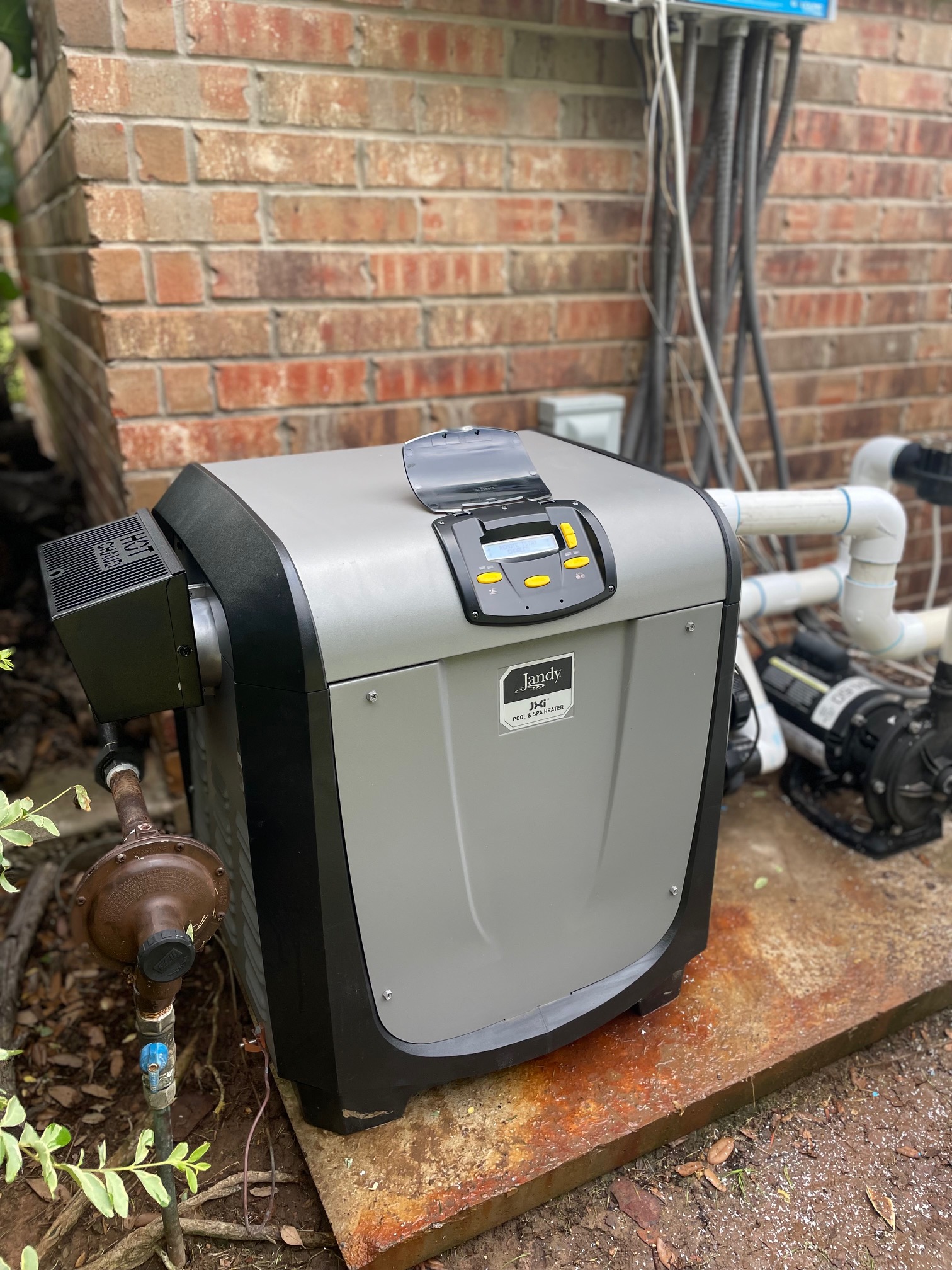
Credit: watertexpools.com
Frequently Asked Questions
What Causes A Jandy Pool Heater Not To Turn On?
A Jandy pool heater may not start due to power issues or a faulty thermostat. Check the circuit breaker and thermostat settings first. Loose wiring or blown fuses could also cause this problem.
Why Is My Jandy Heater Shutting Off Unexpectedly?
The heater may shut off because of overheating or low water flow. Ensure the pool pump is running and the water filter is clean. A dirty heat exchanger can also trigger automatic shutdown.
How Do I Reset A Jandy Pool Heater?
Locate the reset button on the control panel and press it firmly. Wait a few seconds for the heater to restart. This can clear minor errors and restore normal function.
What Does Error Code E03 Mean On Jandy Heater?
Error code E03 usually indicates a problem with the ignition system. This means the heater is not lighting properly. Check for gas supply issues or a dirty burner.
How Can I Improve Water Flow To My Jandy Heater?
Clean the pool filter and ensure the pump is running well. Remove any blockages in the pipes and valves. Proper water flow keeps the heater working efficiently.
Why Is My Jandy Heater Producing No Hot Water?
No hot water could be due to a faulty thermostat or gas supply problem. Verify the heater’s settings and confirm the gas valve is open. A clogged heat exchanger may also reduce heat output.
When Should I Call A Professional For Jandy Heater Issues?
Call a professional if you see repeated error codes or gas leaks. Also seek help for electrical problems or if the heater won’t turn on after resets. Regular maintenance checks are a good idea too.
How Do I Maintain My Jandy Pool Heater To Avoid Problems?
Regularly clean filters and check water flow to prevent damage. Inspect the heater for leaks or corrosion often. Scheduling yearly professional service keeps it running longer.
Conclusion
Troubleshooting your Jandy pool heater can save time and money. Start with simple checks like power and gas supply. Clean filters and inspect wiring for issues. Keep the heater well maintained to avoid future problems. Regular care helps the heater run smoothly.
Don’t ignore small signs of trouble. Fixing minor issues early prevents bigger repairs. Stay patient and follow steps carefully. Your pool will stay warm and inviting all season.