
Is your Polaris pool cleaner not working the way it should? You rely on it to keep your pool sparkling clean, but when it stops running smoothly, it can be frustrating.
Don’t worry—this guide is here to help you fix common problems quickly and get your pool cleaner back on track. Whether your cleaner won’t move, won’t pick up debris, or just won’t start, you’ll find easy steps to troubleshoot and solve the issue.
Keep reading to save time, avoid costly repairs, and enjoy a clean pool all season long.

Credit: lesliespool.com
Common Polaris Pool Cleaner Issues
Polaris pool cleaners are reliable devices that keep pools clean. Still, they can face common problems that stop them from working well. Knowing these issues helps you fix them fast. This saves time and keeps your pool sparkling.
Below are frequent Polaris pool cleaner problems. Each issue affects the cleaner’s performance differently. Understanding these helps you maintain your pool cleaner better.
Cleaner Won’t Start
The pool cleaner might not start due to power or connection issues. Check the power source first. Make sure the cleaner is plugged in properly. Inspect the fuse or circuit breaker. Sometimes, the cleaner’s motor can be jammed or damaged. Clean the motor and remove any debris. Reset the cleaner and try again.
Poor Cleaning Performance
If the cleaner misses spots, the filter could be dirty or clogged. Clean or replace the filter bag regularly. The wheels or tracks might be worn out or stuck. Check for dirt or damage on moving parts. Water pressure also affects cleaning. Ensure the pressure is within the recommended range. Adjust if needed.
Unusual Noises
Strange sounds can mean mechanical problems. Loose parts may rattle during operation. Tighten any loose screws or bolts. A grinding noise can signal worn gears. Replace damaged gears quickly. Check the impeller for blockages. Remove any debris stuck inside.
Water Flow Problems
Water flow issues affect the cleaner’s movement and suction. Inspect the hoses for cracks or leaks. Replace damaged hoses to restore proper flow. Check for blockages in the cleaner’s intake. Clear out any leaves or dirt. Ensure the pump is working correctly. Low pump pressure can reduce water flow.
Cable Tangling
Cables often tangle, causing the cleaner to stop or get stuck. Keep the cable straight before use. Avoid sharp bends or twists during operation. Use a cable swivel to prevent tangles. Store the cable neatly after each use. Regularly check the cable for damage or wear.
Basic Troubleshooting Steps
Basic troubleshooting is the first step to fix common Polaris pool cleaner problems. These steps help identify simple issues quickly. Most fixes do not require expert help. Follow these steps to get your cleaner working well again.
Check Power Supply
Ensure the cleaner is plugged in properly. Verify the outlet has power by testing with another device. Look for any blown fuses or tripped circuit breakers. A stable power supply is essential for the cleaner to run smoothly.
Inspect Hoses And Connections
Look over all hoses for cracks, holes, or leaks. Check that connections are tight and secure. Loose or damaged hoses reduce suction and cleaning efficiency. Replace any worn parts to maintain proper water flow.
Clean Filter And Skimmer
Remove debris from the filter and skimmer basket. A clogged filter limits water flow and suction power. Rinse the filter under clean water until clear. Regular cleaning helps keep the cleaner operating at its best.
Examine Wheels And Tracks
Check wheels and tracks for dirt or damage. Remove any debris stuck around wheels or axles. Ensure wheels spin freely without resistance. Damaged or stuck wheels prevent the cleaner from moving properly.
Fixing Movement Problems
Polaris pool cleaners sometimes stop moving properly. This can affect how well they clean your pool. Fixing movement problems helps your cleaner work smoothly again. You can solve many issues by checking key parts. Small fixes can make a big difference in performance.
Adjusting The Traction System
The traction system helps the cleaner move on the pool surface. Check the tracks or wheels for tightness. If they are too loose, the cleaner may slip. Tighten them carefully to improve grip. Make sure the cleaner moves forward without hesitation. Proper traction keeps your pool cleaner running smoothly.
Replacing Worn Parts
Parts like tracks, tires, or belts wear out over time. Worn parts cause poor movement or stalling. Inspect these parts regularly for cracks or tears. Replace any damaged parts with new ones. Using original Polaris parts ensures proper fit and function. New parts restore the cleaner’s ability to move well.
Clearing Obstructions
Debris can block the cleaner’s wheels or tracks. Check for leaves, twigs, or dirt stuck in the movement system. Remove any objects that stop the cleaner from moving freely. Clean the cleaner’s underside to prevent future blockages. Keeping the path clear helps maintain smooth movement.

Credit: www.youtube.com
Resolving Water Flow Issues
Water flow is key for your Polaris pool cleaner to work well. Problems with water flow can stop the cleaner from moving or cleaning properly. Fixing these issues helps keep your pool clean and your cleaner running smoothly. Below are simple steps to solve water flow problems.
Cleaning Or Replacing Valves
Valves control water flow to the cleaner. Dirt or debris can block them. Check each valve for clogs or damage. Clean valves with water and a soft brush. Replace any valves that are cracked or broken. Clear valves ensure steady water flow to the cleaner.
Checking Pump Pressure
Pump pressure drives water through the cleaner. Low pressure means weak water flow. Use a pressure gauge to check the pump’s pressure. Clean the pump filter to improve pressure. If pressure stays low, the pump may need repair or replacement.
Ensuring Proper Hose Setup
Hoses carry water from the pump to the cleaner. Twisted or kinked hoses reduce flow. Lay hoses straight and avoid sharp bends. Check hose connections for tight seals. Replace old or cracked hoses to keep water flowing freely.
Handling Cable And Tangle Issues
Handling cable and tangle issues is important for keeping your Polaris pool cleaner running smoothly. Tangled cables can stop the cleaner from moving properly. They can also cause damage to the cable or the cleaner itself. Taking simple steps helps prevent these problems and keeps your pool cleaner working longer.
Proper Cable Placement
Place the cable carefully around the pool. Avoid sharp bends or tight loops. Let the cable float freely in the water. Keep it away from pool steps or corners where it can catch. Spread the cable out before starting the cleaner. This reduces the chance of tangles during cleaning.
Using Swivel Connectors
Swivel connectors allow the cable to spin without twisting. Attach a swivel connector between the cable and the cleaner. This helps prevent the cable from wrapping around itself. Swivels are small and easy to install. They improve the cleaner’s movement and reduce cable strain.
Regular Cable Maintenance
Check the cable often for signs of wear or damage. Look for cracks, breaks, or stiffness. Clean the cable with fresh water after each use. Store the cable in a cool, dry place. Untangle the cable before storing it. Regular care keeps the cable flexible and extends its life.
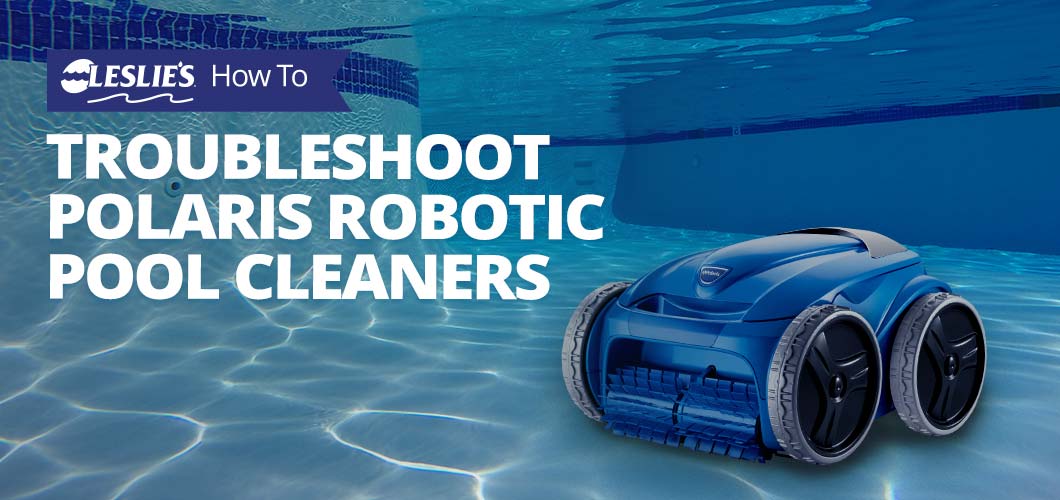
Credit: lesliespool.com
When To Contact Support
Knowing when to contact support for your Polaris pool cleaner can save time and avoid frustration. Some problems need expert help beyond simple troubleshooting. Recognizing these moments helps keep your pool cleaner working well and lasting longer.
Warranty Considerations
Check your warranty before trying repairs. Many Polaris pool cleaners have limited warranty coverage. Contact support for issues covered under warranty. Avoid fixing parts yourself if the warranty is still active. Unauthorized repairs may void the warranty. Support can guide you on the best steps to protect your warranty rights.
Professional Repair Services
Some problems need professional repair. Complex mechanical or electrical issues require trained technicians. Support can recommend trusted repair services. Using professionals ensures correct repairs and safety. Attempting repairs without skills might cause more damage. Contact support when you see unusual noises, leaks, or persistent errors.
Parts Replacement Guidance
Support can help identify the right replacement parts. Polaris pool cleaners have many unique components. Using wrong parts can reduce performance. Support offers part numbers and installation advice. They can also suggest where to buy original parts. Contact them if you are unsure about what to order or how to install parts.
Frequently Asked Questions
Why Is My Polaris Pool Cleaner Not Moving?
Check for tangled hoses or clogged debris blocking the wheels. Also, ensure proper water pressure and hose connection.
How Do I Fix A Polaris Pool Cleaner That Won’t Suction?
Clean the filter and check for blockages in the hose or cleaner. Make sure the suction line is open.
What Causes A Polaris Pool Cleaner To Stop Mid-cycle?
The cleaner might be stuck on an obstacle or low on water pressure. Clear debris and check the pump.
How Often Should I Clean The Polaris Pool Cleaner Filter?
Clean the filter after every use or at least once a week during heavy pool use. This keeps suction strong.
Can A Polaris Pool Cleaner Damage Pool Tiles?
No, Polaris cleaners are designed to be safe for pool surfaces including tiles, liners, and fiberglass.
What Is The Ideal Water Pressure For Polaris Pool Cleaners?
Most models work best between 25 and 30 PSI. Too high or low pressure can reduce performance.
How Do I Reset My Polaris Pool Cleaner?
Turn off the pump, disconnect the cleaner, remove debris, then reconnect and restart the pump.
Why Is My Polaris Cleaner Making Loud Noises?
Loud noises can come from debris in the wheels or damaged parts. Inspect and clean the cleaner regularly.
Conclusion
Polaris pool cleaners keep your pool clean and clear. Troubleshooting common issues saves time and effort. Check the hose, wheels, and filters often. Clean parts regularly to avoid problems. Simple fixes help your cleaner work well. Stay patient and follow steps carefully.
Your pool will stay inviting all season. Keep your Polaris running smoothly for fun swim days.