
Is your Hayward pool heater not working the way it should? You rely on it to keep your pool warm and comfortable, but when it acts up, it can be frustrating and confusing.
Don’t worry—you’re not alone, and fixing common issues might be easier than you think. In this guide, you’ll discover simple troubleshooting tips that can help you get your heater back on track quickly. Keep reading, and you’ll learn how to solve problems before they turn into costly repairs.
Your perfect pool temperature is closer than you think!

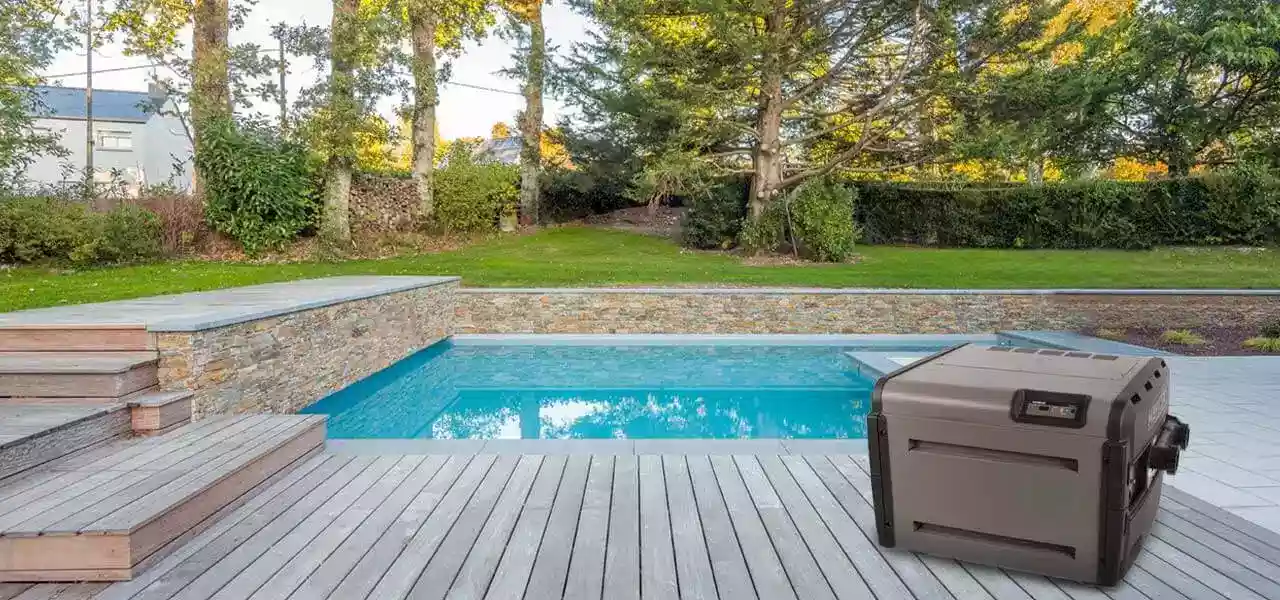
Credit: www.hayward.com
Common Hayward Pool Heater Problems
Hayward pool heaters are popular for their reliability and efficiency. Still, like any equipment, they can face issues. Knowing the common problems helps you fix them faster. This saves time and money. Here are some usual troubles you might see with Hayward pool heaters.
Heater Won’t Turn On
The heater may fail to start due to power issues. Check the power supply and circuit breakers first. A faulty thermostat or control board can also stop it from turning on. Sometimes, a blown fuse or tripped safety switch causes the problem. Ensure all switches and sensors are working correctly.
Inadequate Heating
When the pool water is not warm enough, the heater might be dirty. Blocked filters or clogged burner tubes reduce heat output. Incorrect thermostat settings can lower heating performance. Low gas pressure or fuel issues also cause weak heating. Regular maintenance keeps the heater efficient.
Error Codes And What They Mean
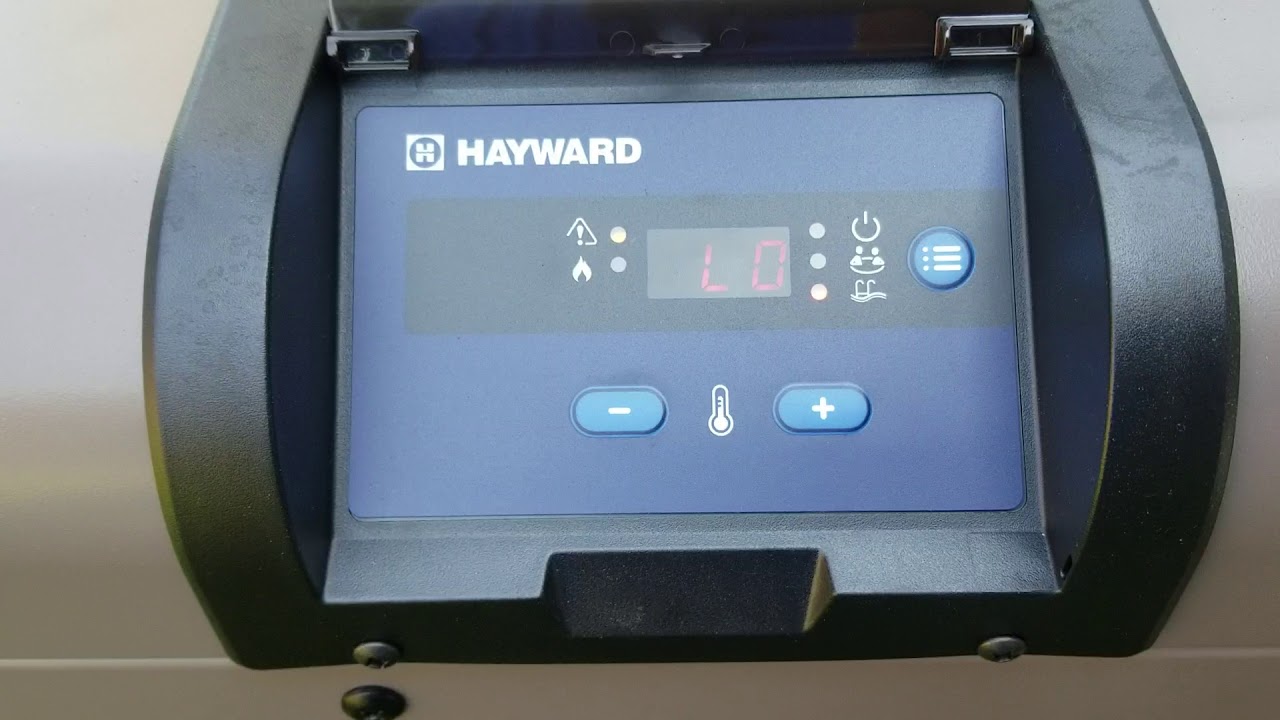
Hayward heaters show error codes on the display to signal problems. Each code points to a specific issue like sensor faults or ignition failure. Reading the manual helps decode these messages. Knowing the meaning guides the repair steps. Ignoring error codes can lead to bigger problems.
Frequent Cycling On And Off
The heater turning on and off often wastes energy and stresses parts. This may happen due to a dirty flame sensor or poor air supply. A faulty thermostat or incorrect water flow can also cause cycling. Checking these components fixes the issue and improves heater life.
Simple Steps To Diagnose Issues
Diagnosing issues with your Hayward pool heater does not need to be hard. Simple checks can often identify the problem. Start with these basic steps to find out what is wrong. This saves time and avoids unnecessary repairs.
Checking Power Supply
First, ensure the heater is getting power. Check if the circuit breaker is on. Look for any blown fuses in the electrical panel. Make sure the power switch near the heater is in the “on” position. Without power, the heater will not work at all.
Inspecting Water Flow
Next, check the water flow through the heater. Low or no water flow can cause the heater to shut off. Look for clogged filters or blocked pipes. Make sure the pool pump is running properly. Water needs to move freely for heating to work.
Verifying Gas Supply
If your heater uses gas, confirm the gas supply is on. Check the gas valve near the heater. Make sure the gas line is not blocked or leaking. Without gas, the heater cannot create heat. Also, check for any error codes on the heater display.
Examining Thermostat Settings
Lastly, look at the thermostat settings. Ensure the desired temperature is set higher than the current pool temperature. A low setting means the heater will not turn on. Reset the thermostat if it shows unusual readings. Proper settings keep your pool warm and comfortable.
Quick Fixes For Electrical Issues
Electrical problems can stop your Hayward pool heater from working. These issues often have quick fixes. You can do these fixes yourself without calling a technician. Knowing these simple steps saves time and money.
Start with basic checks before moving to complex ones. Safety is important. Always turn off power before touching electrical parts.
Resetting The Heater
Locate the reset button on your Hayward pool heater. Press it firmly and hold for a few seconds. This action can clear minor electrical faults. After resetting, turn the heater on to see if it works. A reset often fixes common errors and restarts the system.
Replacing Blown Fuses
Check the fuse box near your heater. Look for any fuses that appear burnt or broken. Turn off the power before replacing fuses. Use the exact fuse type recommended in your heater manual. Replacing a blown fuse can restore power to the heater quickly and safely.
Testing The Circuit Breaker
Find the circuit breaker panel for your pool heater. See if the breaker switch is off or tripped. Flip the breaker off and on to reset it. If the breaker trips again, there may be a deeper electrical issue. Testing the breaker helps identify power supply problems fast.
Resolving Water Flow Problems
Water flow problems can stop your Hayward pool heater from working well. Without good water flow, the heater might not heat the pool water properly. Fixing these problems helps the heater run smoothly and keeps your pool warm and comfortable.
Check the water flow regularly. Small blockages or issues can cause big problems. The following steps will guide you to find and fix common water flow troubles.
Cleaning Or Replacing Filters
Dirty filters block water from moving freely. Check your pool filter often. Remove debris like leaves and dirt. Clean the filter with water or a filter cleaner. If the filter is old or damaged, replace it. A clean filter improves water flow and heater efficiency.
Clearing Air Locks
Air trapped in the pipes can stop water flow. Air locks cause bubbles and reduce water pressure. To clear air locks, turn off the pump. Open the air relief valve on the filter. Let the trapped air escape. Close the valve and turn the pump back on. This allows smooth water circulation through the heater.
Checking Pump Operation
The pump moves water through the pool and heater. Make sure the pump is running well. Listen for strange noises or vibrations. Check if the pump basket is clean and free of debris. If the pump is not working properly, water flow will drop. Repair or replace faulty pumps to keep water flowing.
Gas Supply And Burner Maintenance
Proper gas supply and burner maintenance are key to a working Hayward pool heater. Problems in these areas cause heating issues or unsafe operation. Regular checks keep the heater running smoothly and extend its life.
Start with the gas valve. It controls the fuel flow to the burner. Then clean the burner assembly to remove dirt and debris. Last, inspect the igniter and flame sensor for damage or wear. These steps help avoid common heater problems.
Checking Gas Valve Position
Locate the gas valve near the heater’s gas line. Check if the valve is fully open. A partly closed valve limits gas flow and reduces heat output. Turn the valve handle to the open position. Confirm gas flows freely to the burner.
Cleaning Burner Assembly
Switch off the heater and gas supply first. Remove the burner assembly carefully. Use a soft brush to clean away soot, dirt, and spider webs. Avoid damaging burner ports. Clean parts improve gas burning and prevent blockages.
Inspecting Igniter And Flame Sensor
Look closely at the igniter and flame sensor. Check for cracks, corrosion, or dirt. A dirty sensor stops the heater from recognizing the flame. Clean with fine sandpaper or a soft cloth. Replace damaged parts to ensure safe ignition and operation.
Credit: intheswim.com
Thermostat And Sensor Adjustments
The thermostat and sensors play a key role in your Hayward pool heater’s performance. Proper adjustments keep the water temperature steady and comfortable. Misreading sensors or a miscalibrated thermostat can cause the heater to run too long or not heat enough.
Checking and fixing these parts often solves common heating problems. Learning to adjust the thermostat and replace faulty sensors saves time and money. The process is simple and does not need special tools.
Calibrating The Thermostat
Start by turning off the pool heater. Use a reliable thermometer to check the water temperature. Compare this with the temperature shown on the heater’s display.
If the readings differ, adjust the thermostat setting. Most Hayward models have a dial or buttons for this. Turn the dial slightly until the heater’s temperature matches the thermometer.
Wait a few minutes and check again. Repeat the steps until both temperatures align closely. Proper calibration ensures the heater runs efficiently and avoids overheating.
Replacing Faulty Sensors
Faulty sensors cause incorrect temperature readings. This leads to poor heater performance or error codes. Identify the sensor by checking the heater’s manual for its location.
Turn off the power before removing the old sensor. Carefully disconnect the sensor wire and take out the sensor. Replace it with the exact model recommended by Hayward.
Secure the new sensor and reconnect the wires. Turn the power back on and test the heater. Correct sensor function restores accurate temperature control and smooth operation.
When To Call A Professional
Knowing when to call a professional for your Hayward pool heater saves time and avoids damage. Some problems look easy but hide bigger issues. Professionals have tools and skills to fix these safely and correctly. Recognizing signs that need expert help protects your heater and your safety.
Identifying Complex Issues
Complex problems often cause strange noises or frequent shutdowns. If your heater won’t start or keeps turning off, it may need expert care. Faulty wiring, gas leaks, or control board failures are not easy to fix. Professionals diagnose these issues fast and prevent further damage.
Safety Precautions
Pool heaters use electricity and gas, which can be dangerous. Avoid trying repairs involving gas lines or electrical parts. Mistakes can cause fires, shocks, or gas leaks. Only trained technicians should handle these risks. Your safety and your family’s safety come first.
Credit: www.youtube.com
Preventative Maintenance Tips
Preventative maintenance keeps your Hayward pool heater working well. It helps avoid costly repairs and extends the heater’s life. Small steps can stop big problems before they start. Follow these tips to keep your heater in top shape all year.
Regular Cleaning Schedule
Clean the heater regularly to remove dirt and debris. Check the vents and filters for blockages. Clear away leaves and dust from the heater’s surface. Clean parts help the heater run efficiently. Set a weekly or biweekly cleaning plan. This simple habit prevents overheating and damage.
Seasonal Shutdown Procedures
Prepare your heater for winter or long breaks. Turn off the power and gas supply before shutting down. Drain water from the heater to stop freezing damage. Cover the unit to protect it from weather and dirt. Proper shutdown keeps internal parts safe. Follow the manual’s steps to avoid errors.
Monitoring Performance
Watch your heater’s performance closely. Note any changes in heat output or noise levels. Check the temperature settings and compare them to actual water heat. Early signs of trouble include slow heating or strange sounds. Regular monitoring helps catch issues early. Fixing small problems saves money and stress.
Frequently Asked Questions
Why Is My Hayward Pool Heater Not Turning On?
Check the power supply and circuit breaker first. Ensure the thermostat is set correctly. Faulty wiring or a blown fuse can also cause this issue.
How Do I Reset My Hayward Pool Heater?
Turn off the heater’s power switch. Wait for about 5 minutes. Turn the power back on to reset the system.
What Causes Low Heat Output In Hayward Pool Heaters?
Low water flow or dirty filters often cause low heat. Make sure the pump and heater valves are open. Also, check for scale buildup inside the heater.
How Can I Fix Error Codes On My Hayward Pool Heater?
Refer to the user manual for specific error codes. Most errors relate to sensors, water flow, or ignition problems. Correct the issue as the manual advises.
Why Does My Hayward Pool Heater Keep Shutting Off?
Overheating or poor water circulation can cause shutdowns. Clean the filter and check the water flow rate. Also, inspect the temperature sensor for faults.
How Often Should I Service My Hayward Pool Heater?
Service your heater at least once a year. Regular checks prevent breakdowns and improve efficiency. Clean or replace parts as needed.
Can Clogged Filters Affect My Hayward Pool Heater’s Performance?
Yes, clogged filters reduce water flow and heat output. Clean or replace filters regularly to keep your heater working well.
What Is The Ideal Water Temperature Setting For Hayward Pool Heaters?
Set the water temperature between 78°F and 82°F for comfort. Adjust slightly based on personal preference and weather conditions. Avoid very high settings to save energy.
Conclusion
Troubleshooting your Hayward pool heater can save time and money. Start by checking power and gas supply first. Clean filters and inspect for leaks regularly. Reset the system if it stops working. Small fixes often solve common problems quickly. Always follow safety guidelines during repairs.
Regular care keeps your heater running longer. You can enjoy warm pool water all season. Stay patient and use this guide for help. Your pool heater will work better with simple checks.