
When you’re planning a new fireplace, knowing the right size is key to making your space both cozy and safe. But with so many options out there, it’s easy to feel overwhelmed.
That’s where a standard fireplace dimensions size chart comes in handy. It helps you choose the perfect fit for your room, so your fireplace looks great and works well. You’ll find clear, simple guidelines that take the guesswork out of sizing your fireplace.
Keep reading, and you’ll be one step closer to creating the warm, inviting space you’ve been dreaming of.
Common Fireplace Sizes
Fireplaces come in various sizes to fit different rooms and styles. Knowing common fireplace dimensions helps you choose the right one. It also makes installation easier and ensures safety.
Many fireplaces follow standard size ranges. These sizes balance functionality and design. Below are typical widths, heights, and depths you will find.
Typical Widths And Heights
Most fireplaces range from 36 to 48 inches wide. This size fits well in living rooms and family rooms. Smaller fireplaces may be around 24 inches wide for compact spaces.
Heights usually range from 30 to 36 inches. This height allows for comfortable viewing and heat distribution. Mantels and surrounds often add extra height above the firebox.
Standard Depth Measurements
Depth is important for safety and performance. Standard fireplace depths range between 16 and 24 inches. Shallower depths suit gas fireplaces or inserts.
Wood-burning fireplaces often require deeper fireboxes to hold logs safely. Depth also affects how much heat radiates into the room.
Fireplace Types And Their Dimensions
Fireplaces come in many types, each with its own size and shape. Knowing the right dimensions helps you pick the best fit for your room. This guide covers common fireplace types and their typical dimensions. It helps you understand space needs and design options.
Wood-burning Fireplaces
Wood-burning fireplaces need more space for safety and venting. Standard openings are about 36 inches wide and 30 inches tall. Depth usually ranges from 20 to 24 inches. The chimney and hearth add extra size to the total space. These fireplaces require enough room for logs and airflow.
Gas Fireplaces
Gas fireplaces are more flexible with size and placement. Standard units often measure 36 to 42 inches wide. Height varies from 24 to 30 inches. Depth is usually less than wood fireplaces, around 16 to 20 inches. They need less space for venting but require a gas line connection.
Electric Fireplaces
Electric fireplaces are compact and easy to install. They come in many sizes, from small inserts to large wall units. Typical widths range from 24 to 48 inches. Heights vary widely but are often around 20 to 30 inches. Depth can be very shallow, sometimes under 10 inches. These fireplaces fit well in small spaces.
Measuring Your Fireplace Space
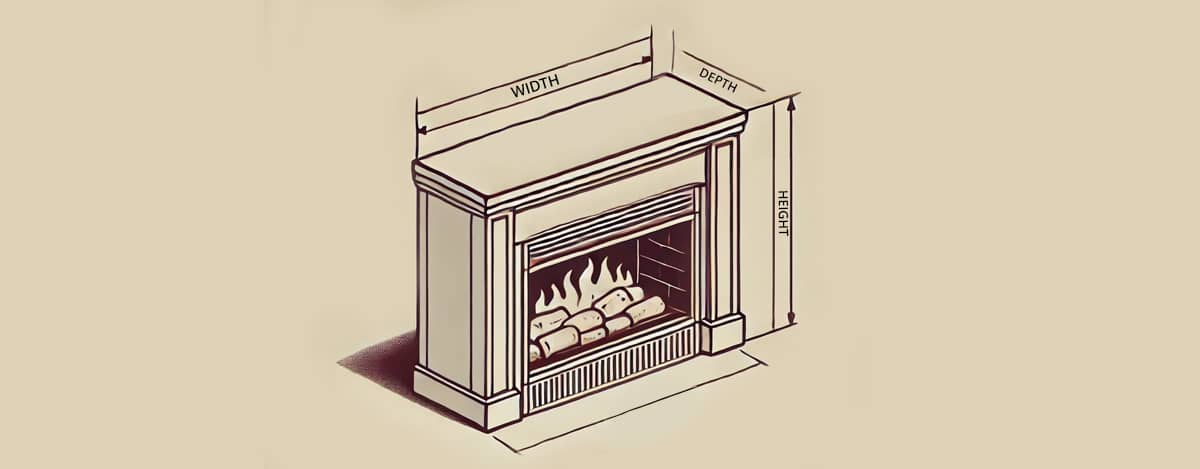
Measuring your fireplace space is the first step to choosing the right fireplace size. Accurate measurements help avoid buying a fireplace that does not fit. Take your time to measure carefully. Use a tape measure and write down each dimension. Measure the space where the fireplace will sit. Include width, height, and depth. These numbers guide you in picking the perfect fireplace size.
Width And Height Tips
Start by measuring the width of the fireplace opening. Measure from one inner edge to the other. Take this measurement at the top, middle, and bottom to check for unevenness. Use the smallest number as your width. Next, measure the height from the base to the top edge. Measure in the center and at both ends. Use the shortest height to ensure the fireplace fits well. Round down slightly to allow space for installation.
Depth And Clearance Considerations
Measure the depth from the front edge to the back wall inside the fireplace space. This ensures the fireplace will not stick out or be too recessed. Leave extra room for ventilation and safety clearance around the fireplace. Check local building codes for minimum clearance requirements. Measure any mantel or trim that might affect the fireplace size. Proper depth and clearance help keep your home safe and your fireplace looking good.
Credit: www.valorfireplaces.com
Choosing The Right Fireplace Size
Choosing the right fireplace size is important for comfort and style. A fireplace that fits well changes a room’s feel. Too big or too small can look off. It can also affect heat and safety. This guide helps pick the best size for your space.
Matching Fireplace To Room Size
Start by measuring your room carefully. Larger rooms need bigger fireplaces for enough warmth. Small rooms work best with compact units. Look at the room’s height, width, and length. This helps balance heat and space use. A fireplace that fits the room feels natural and inviting.
Balancing Aesthetics And Functionality
Think about how the fireplace looks and works. A stylish fireplace adds charm and style. But it must also heat well and be safe. Choose a size that fills the wall without crowding. Simple designs often fit better in small spaces. Larger fireplaces can become the room’s focus. Pick a size that matches your needs and taste.
Fireplace Surround And Mantel Sizes
The fireplace surround and mantel add style and function to any room. They frame the fire and create a focal point. Choosing the right size ensures balance and safety. This section covers standard mantel dimensions and custom surround options. These details help you select the perfect fit for your space.
Standard Mantel Dimensions
Most standard mantels are 60 inches wide. This fits well with average fireplace openings. Height usually ranges from 54 to 60 inches above the floor. Depth varies between 6 and 8 inches. These sizes provide enough space for decorations. They also allow safe clearance from the fire.
Width depends on the fireplace size. Mantels often extend 6 to 12 inches beyond the fireplace edges. This creates a balanced look. Keep mantel height at least 12 inches above the fire opening. This prevents heat damage and keeps the area safe.
Custom Surround Options
Custom surrounds fit unique room layouts and styles. You can choose wider or taller mantels to suit larger fireplaces. Surrounds may use different materials like stone, wood, or tile. This personalizes the fireplace design.
Custom options allow for built-in shelves or lighting. They also accommodate various hearth sizes. Getting the surround right enhances both function and beauty. Work with a professional to measure and plan your surround. This ensures a perfect fit and safe installation.
Installation Clearances And Safety
Installing a fireplace safely is very important. Proper clearances protect your home and family. Following rules helps avoid fire hazards and ensures good performance. Clearances depend on the fireplace size and type. This section explains key safety measures for installation.
Building Codes And Regulations
Building codes set the minimum safe distances for fireplaces. These rules vary by state and city. Codes cover chimney height, hearth size, and wall clearances. Inspectors check these rules before approval. Always get permits before starting installation. Use a professional to meet all code requirements. Following codes keeps your home safe and legal.
Safe Distance From Combustibles
Keep all flammable materials far from the fireplace. Combustibles include wood, curtains, and furniture. The safe distance is usually at least 36 inches. Some models need even more space. Use heat-resistant materials near the fireplace. Never block vents or airways. Proper spacing prevents fires and heat damage.
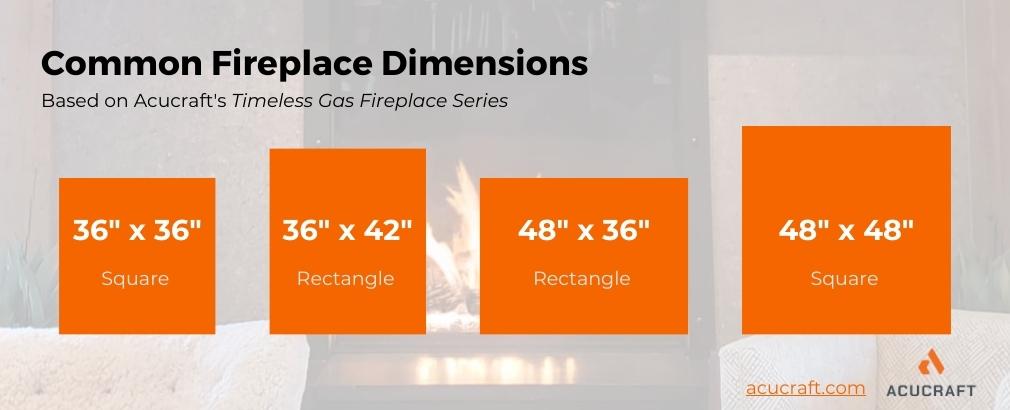
Popular Fireplace Size Charts
Popular fireplace size charts help homeowners choose the right fireplace. These charts show standard dimensions and guide installation. They make planning easier and help avoid costly mistakes. Understanding these charts saves time and ensures a perfect fit in any room.
Different manufacturers provide size guides. These guides list exact measurements for their models. They help buyers compare options and find the right style and size. Following manufacturer size guides ensures proper clearance and safe installation.
Manufacturer Size Guides
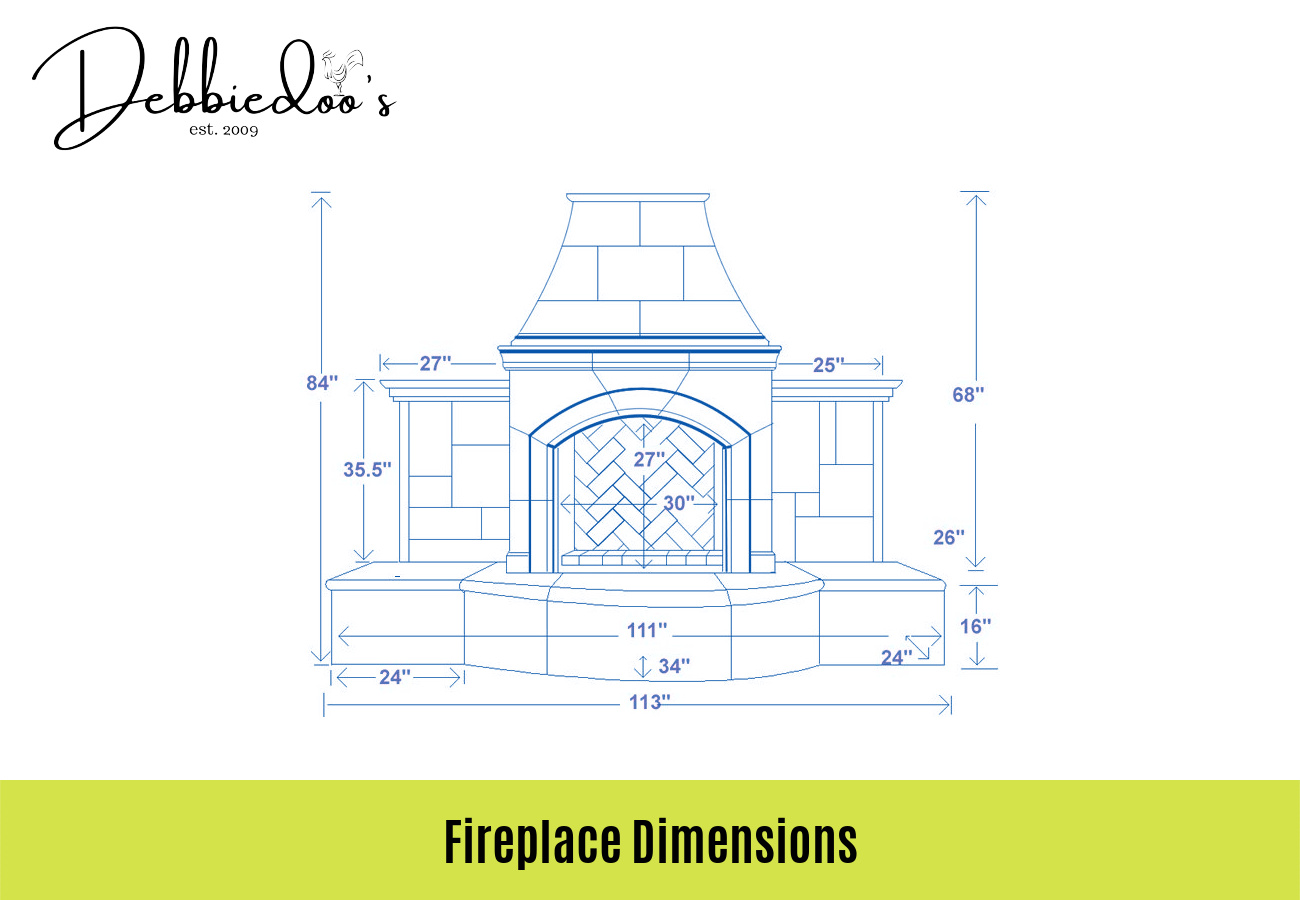
Most fireplace makers offer detailed size charts. These charts include height, width, and depth. They also show the opening size and frame measurements. Using these guides helps match fireplaces with room dimensions. They provide important safety space around the unit. Manufacturer size guides are easy to find on company websites or manuals.
Custom Fireplace Dimensions
Custom fireplaces are built to fit unique spaces. They require specific measurements from the homeowner. Professionals take room size and venting needs into account. Custom dimensions ensure the fireplace fits perfectly and works well. These fireplaces offer more design freedom and style options. A custom size chart helps track all needed measurements and details.
Credit: www.acucraft.com
Tips For Measuring And Ordering
Measuring your fireplace correctly is key to a perfect fit. Getting the right size ensures safety and style in your living space. Small errors can cause big problems. Taking your time and using the right tools makes the process easier. Follow these tips to measure and order with confidence.
Tools Needed For Accurate Measurement
A tape measure is the best tool for fireplace dimensions. Choose one that shows inches clearly. A level helps check if surfaces are straight. Use a pencil and paper to note down numbers. A flashlight can reveal hard-to-see corners. Gather all tools before starting for smooth work.
Common Mistakes To Avoid
Do not guess or estimate sizes. Always measure twice for accuracy. Avoid measuring only the opening; include the frame. Forgetting to check depth can cause fitting issues. Not accounting for fireplace trim leads to errors. Write down each measurement immediately to prevent confusion.
Credit: www.debbie-debbiedoos.com
Frequently Asked Questions
What Are The Standard Fireplace Dimensions For A Living Room?
Standard fireplaces usually measure about 36 to 42 inches wide and 30 to 36 inches tall. These sizes fit most living rooms comfortably. They provide enough space for a good fire without overwhelming the room.
How Deep Should A Standard Fireplace Be?
A typical fireplace depth ranges from 16 to 20 inches. This depth allows enough room for logs and proper airflow. It helps the fire burn safely and efficiently.
What Size Fireplace Opening Is Ideal For Heat Output?
A fireplace opening about 36 inches wide and 30 inches tall provides good heat output. Larger openings may lose heat, while smaller ones might not warm the room well. Balance size with room size for best results.
Can Fireplace Size Affect Home Energy Efficiency?
Yes, a properly sized fireplace improves energy use by heating efficiently. Too large or too small fireplaces can waste heat or cause drafts. Correct sizing helps keep your home warm and saves energy.
Are There Standard Fireplace Sizes For Gas Inserts?
Gas inserts often fit into existing fireplaces, usually 30 to 36 inches wide. They come in standard sizes to match common fireplaces. Check measurements before purchasing to ensure a good fit.
Conclusion
Choosing the right fireplace size makes a big difference in your room. A proper fit keeps your space safe and cozy. Use the size chart to find dimensions that match your needs. Remember, measuring carefully helps avoid common mistakes. A fireplace that fits well looks great and works better.
Keep these tips in mind for a smooth installation. Your home will feel warmer and more inviting with the right fireplace. Simple steps lead to lasting comfort and style.