
Are you wondering if you can burn cottonwood in your fireplace? You’re not alone.
Many homeowners face this question when deciding what wood to use for a cozy fire. Choosing the right wood is important—not just for warmth, but for safety and the life of your fireplace. You’ll discover the truth about cottonwood, how it burns, and what you should know before tossing it into your fire.
Keep reading to make the best choice for your home and enjoy a safe, warm fire every time.
Cottonwood Characteristics
Cottonwood is a common tree found in many areas of the United States. It has unique traits that affect its use as firewood. Knowing these traits helps you decide if cottonwood is good for your fireplace. This section explains the key characteristics of cottonwood wood.
Wood Properties
Cottonwood wood is soft and light. It has a low density compared to hardwoods like oak or maple. The wood is pale in color, often with a greenish or yellowish tint. It has a coarse grain and can be somewhat porous. Cottonwood dries quickly but can warp or crack easily. The wood is easy to split, making it simple to prepare for burning.
Burning Qualities
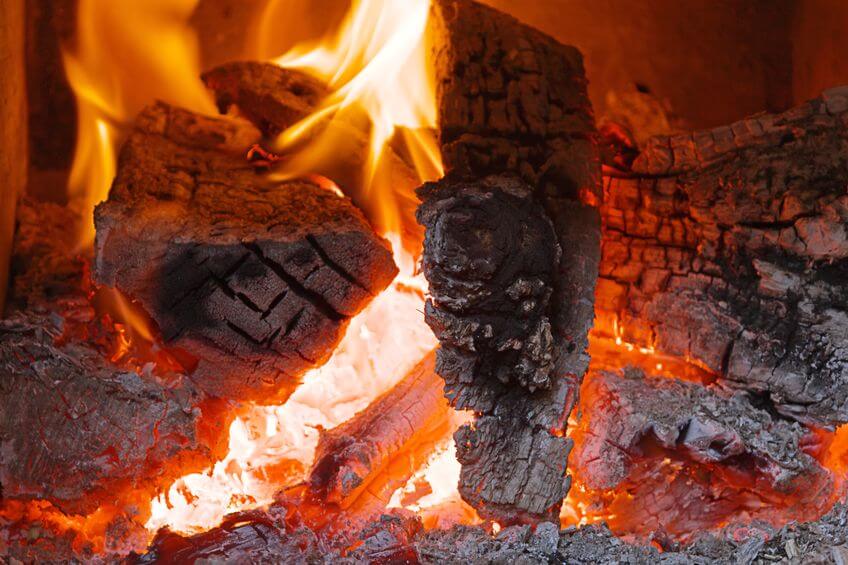
Cottonwood burns fast and produces a low heat output. It creates a lot of smoke and sparks, which can be a safety concern. The wood often leaves behind more ash than other types. It does not burn as cleanly as hardwoods. Cottonwood is best for kindling or short fires rather than long-lasting heat. It is not ideal for heating a home but can be used if no other wood is available.
Safety Concerns
Burning cottonwood in a fireplace raises some safety concerns. This wood type burns fast but can create problems inside the chimney and fireplace. Understanding these issues helps prevent damage and keeps your home safe.
Creosote Buildup
Cottonwood produces more creosote than harder woods. Creosote is a sticky substance that builds up inside the chimney. It can catch fire and cause dangerous chimney fires.
Regular chimney cleaning is important when using cottonwood. The faster buildup means more frequent checks and cleaning. This reduces fire risks and keeps the chimney clear.
Soot And Smoke Issues
Cottonwood tends to create more soot and smoke. This can make your fireplace dirty faster. It also affects the air quality inside your home.
Too much smoke may mean the wood is not dry or burning well. Properly drying cottonwood before burning reduces smoke. Good airflow in the fireplace helps too.
Preparing Cottonwood For Fire
Cottonwood can be a tricky wood to burn. It contains a lot of moisture when freshly cut. Burning wet wood causes smoke and creosote buildup. Proper preparation helps cottonwood burn cleaner and last longer in your fireplace.
Taking the right steps before burning cottonwood improves safety and efficiency. Dry, well-stored wood lights easily and produces more heat. Let’s explore how to prepare cottonwood for the best fire experience.
Seasoning And Drying
Fresh cottonwood needs time to dry. This process is called seasoning. It reduces moisture in the wood, making it burn better. Cut logs into shorter pieces for faster drying.
Stack the wood in a sunny, windy spot. Keep the pieces off the ground with pallets or a rack. Air must flow freely around the wood to remove moisture.
Season cottonwood for at least 6 to 12 months. Check moisture with a wood meter if possible. Ideal moisture content is below 20% for fireplace use.
Splitting And Storing
Split cottonwood logs before storing. Split wood dries faster and fits better in fireplaces. Use a sharp axe or splitter to make clean cuts.
Store split wood in a dry place. Cover the top with a tarp but leave sides open for airflow. Avoid storing wood directly on soil or concrete.
Proper storage keeps wood dry and ready to burn. Dry cottonwood produces less smoke and more heat in your home.
Credit: www.firewood-for-life.com
Best Practices For Burning
Burning cottonwood in a fireplace needs care and attention. Following best practices helps you stay safe and get the most heat. Proper setup and good fire management are key. Let’s explore how to burn cottonwood effectively.
Fireplace Setup
Start with a clean fireplace. Remove old ashes and debris. Check the chimney for blockages. Open the damper fully to allow smoke to escape. Place a fire grate inside to hold the wood. Use dry, seasoned cottonwood for a better burn. Stack the wood loosely to improve airflow. Avoid overloading the fireplace to prevent smoke buildup.
Fire Management Tips
Light small kindling first to start the fire. Add larger cottonwood logs gradually. Keep the fire burning steadily by adjusting the damper. Use a fireplace tool to move logs safely. Avoid burning wet or green cottonwood, as it produces more smoke. Monitor the fire to prevent it from getting too large. Always keep a screen in front of the fireplace to catch sparks.
Alternatives To Cottonwood
Cottonwood is a soft wood that burns quickly and produces less heat. It also creates a lot of smoke and leaves behind a lot of ash. Many people prefer other types of wood for fireplaces because they burn cleaner and last longer. Choosing the right wood can make your fireplace more efficient and enjoyable.
Hardwoods Vs Softwoods
Hardwoods come from trees like oak, maple, and hickory. They are dense and burn slowly. Hardwoods produce more heat and less smoke. Softwoods, like pine and fir, catch fire fast but burn out quickly. They tend to create more creosote, which can build up in chimneys. For a safe and warm fire, hardwoods are usually the better choice.
Recommended Firewoods
Oak is a popular choice because it burns long and hot. Maple is another good option, offering steady heat and low smoke. Hickory provides a strong, warm fire and a pleasant smell. Birch burns well and lights easily, but it does not last as long as oak or hickory. Using these woods can improve your fireplace experience.

Credit: www.booking.com
Credit: www.raymourflanigan.com
Frequently Asked Questions
Can Cottonwood Wood Be Safely Burned In A Fireplace?
Yes, cottonwood can be burned in a fireplace. It produces moderate heat but burns quickly and may create more creosote.
Does Cottonwood Produce A Lot Of Smoke When Burned?
Cottonwood tends to produce more smoke than hardwoods. Proper seasoning reduces smoke and makes burning cleaner.
How Long Does Cottonwood Burn Compared To Other Woods?
Cottonwood burns faster than denser hardwoods like oak. It’s best for short fires rather than long-lasting heat.
Is Cottonwood Good For Indoor Fireplaces Or Outdoor Fire Pits?
Cottonwood works better for outdoor fire pits. For indoor fireplaces, harder woods are safer and produce less creosote.
What Are The Risks Of Burning Green Or Wet Cottonwood?
Burning green cottonwood creates excess smoke and creosote buildup. Always use well-seasoned wood to avoid chimney fires.
Conclusion
Cottonwood can burn in a fireplace but with some caution. It burns fast and does not produce much heat. It also creates more creosote, which can cause chimney problems. Always use dry, well-seasoned cottonwood for safer burning. Mixing it with harder woods helps improve heat and burn time.
Keep your chimney clean to avoid buildup. Choose the right wood for your needs and stay safe. Burning cottonwood is possible but not the best choice alone. Consider these tips for a cozy fire.