
You just finished backwashing your pool filter, but now you’re wondering: do you really need to rinse afterward? It might seem like a small step, but skipping the rinse can affect your pool’s water quality and equipment.
If you want crystal-clear water and a longer-lasting filter, understanding the rinsing process is key. Keep reading to find out why rinsing matters, how to do it right, and what mistakes to avoid. Your pool—and your swim—will thank you.
Backwashing Basics
Backwashing is an important step in keeping a pool clean and safe. It helps remove dirt and debris trapped in the pool filter. Understanding the basics of backwashing can save time and keep the pool water clear.
What Is Backwashing
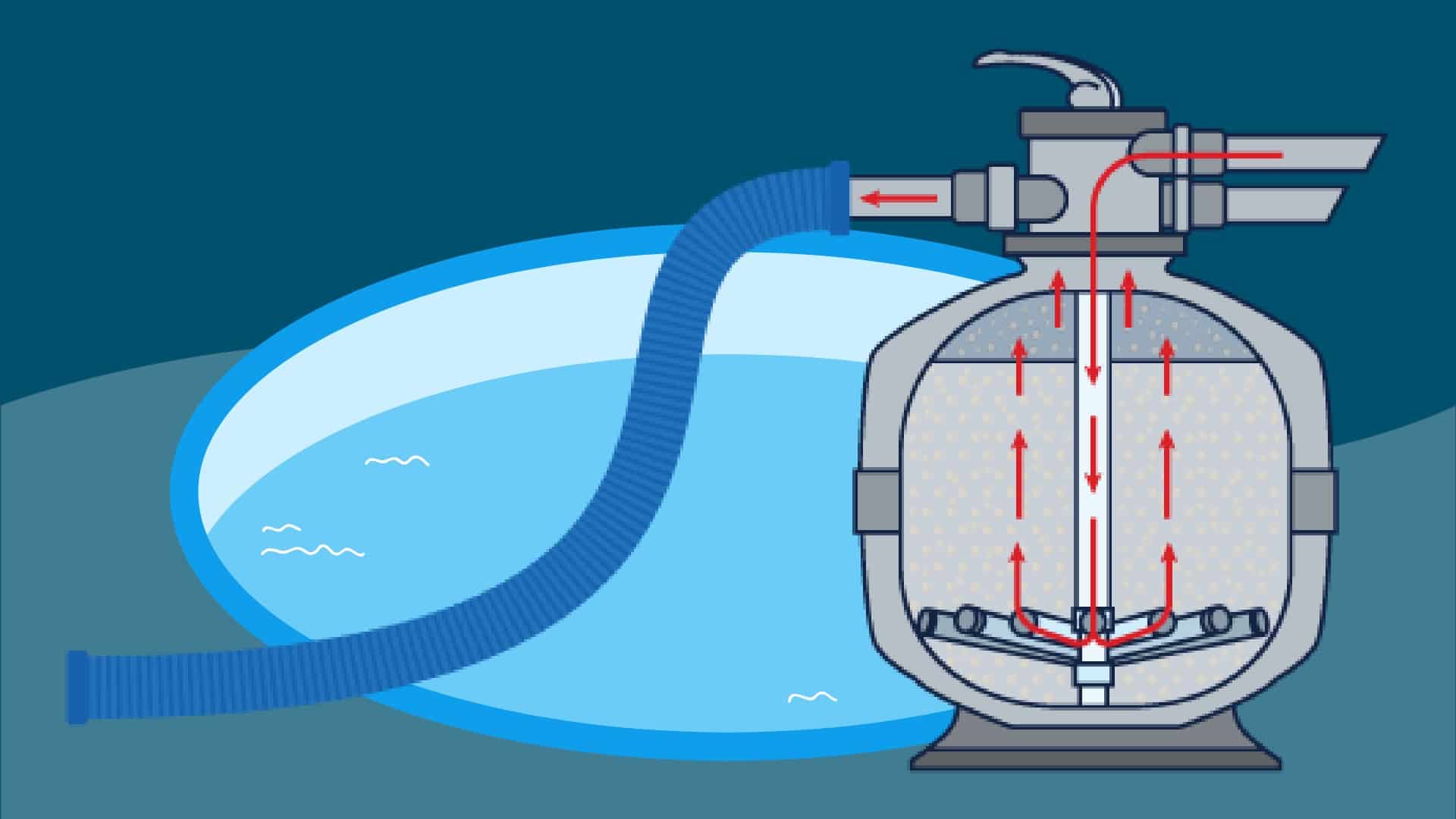
Backwashing is the process of cleaning a pool filter. Water flows backward through the filter, flushing out dirt and debris. This cleaning method resets the filter to work efficiently again. It is a quick way to clear clogged filters.
When To Backwash
Backwash the pool filter when the pressure gauge rises 8-10 psi above normal. This means the filter is dirty and needs cleaning. Also, backwash if the pool water looks cloudy or dirty. Regular backwashing keeps the pool water fresh and clear.
Rinsing After Backwash
Rinsing after backwashing a pool is an important step in pool maintenance. It helps clear out dirt and debris from the filter system. This step ensures clean water returns to the pool. Skipping rinsing can cause cloudy water or damage to the filter.
Purpose Of Rinsing
Rinsing removes leftover dirt and debris from the filter. It stops dirty water from flowing back into the pool. Rinsing also helps reset the filter’s pressure. This keeps the filter working well and protects the pool pump.
How To Rinse Properly
Turn the valve to the rinse setting after backwashing. Run the pump for 15 to 30 seconds. Watch the water in the sight glass or discharge line. It should look clear and free of dirt. After rinsing, return the valve to the filter position. This completes the cleaning process and keeps water clear.
Common Mistakes
Many pool owners make mistakes after backwashing their pools. These errors can reduce water quality and damage pool equipment. Understanding common mistakes helps keep your pool clean and safe. Avoiding these errors saves time and money on repairs.
Skipping The Rinse Step
Some skip rinsing after backwashing. This leaves dirt and debris in the filter. The pool water can get cloudy or dirty quickly. Rinsing clears the filter and resets the system. It also prevents dirt from returning to the pool. Always rinse for a few seconds after backwashing.
Backwashing Too Often
Backwashing too often wastes water and chemicals. The filter needs time to trap dirt between cleanings. Frequent backwashing can wear out the filter media faster. Check the pressure gauge to decide when to backwash. Only backwash when the pressure is 8-10 psi above normal. This keeps the filter working well and saves resources.

Credit: www.youtube.com
Additional Cleaning Tips
After backwashing your pool, there are extra steps to keep it clean and safe. These tips help your pool stay clear and enjoyable. Simple actions make a big difference in pool care.
Regular Filter Maintenance
Cleaning your pool filter regularly improves water flow. Check the filter for dirt and debris every week. Remove any buildup to stop clogs. Replace filter parts as needed to keep it working well. A clean filter helps your pool stay clear and healthy.
Balancing Pool Chemicals
Keep your pool water balanced for safety and comfort. Test the water pH and chlorine levels often. Add chemicals carefully to avoid strong odors or skin irritation. Balanced water stops algae and bacteria growth. Proper chemical levels make swimming safer and more fun.
Troubleshooting Pool Issues
Troubleshooting pool issues can save time and keep water clean. Many pool owners face common problems after backwashing. Knowing what to check helps maintain clear, safe water. Simple fixes often restore pool health quickly.
Cloudy Water Solutions
Cloudy water appears after backwashing sometimes. This happens due to fine dirt not fully removed. Run the filter again to clear particles. Use a pool clarifier to gather tiny debris. Check chemical levels; balance chlorine and pH. Proper chemicals help clear water fast.
Pressure Problems
High or low pressure signals filter issues. High pressure means filter is dirty, needs backwashing. Low pressure can show pump or pipe blockages. Inspect pump basket and skimmer for debris. Make sure valves are open and working. Fixing pressure keeps water flowing right.
Credit: www.swimuniversity.com
Credit: www.reddit.com
Frequently Asked Questions
Do You Need To Rinse After Backwashing A Pool?
Yes, rinsing after backwashing clears leftover dirt and protects the filter from damage.
How Long Should You Rinse The Pool Filter?
Rinse the filter for about 15 to 30 seconds after backwashing to settle the sand or cartridge.
What Happens If You Skip The Rinse Step?
Skipping rinse can send dirt back into the pool and cause cloudy water.
Can Rinsing Improve Pool Water Quality?
Rinsing removes trapped debris and helps keep pool water clean and clear.
Is Rinse Mode Different From Backwash Mode?
Yes, rinse mode cleans the filter and resets the sand or cartridge after backwashing.
How Often Should You Backwash And Rinse Your Pool?
Backwash and rinse when the pressure gauge is 8-10 psi above normal to maintain flow.
Conclusion
Rinsing after backwashing a pool keeps water clean and clear. It helps remove leftover dirt from the filter. Skipping this step may cause cloudy water or filter problems. A quick rinse saves time and protects your pool equipment. Always follow your pool’s instructions for the best results.
Clean water means a safer, more enjoyable swim. Simple steps make pool care easier every time.